

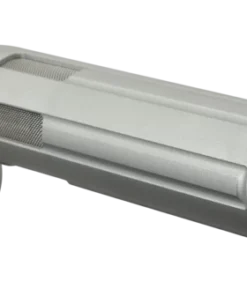
Daystate Griffin PCP Air Rifle

€1,850.00
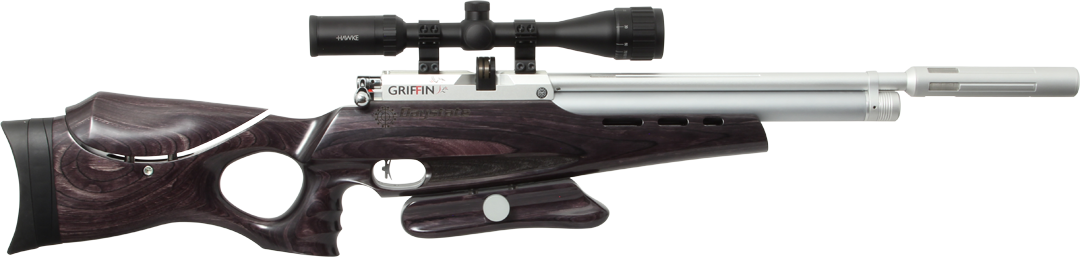
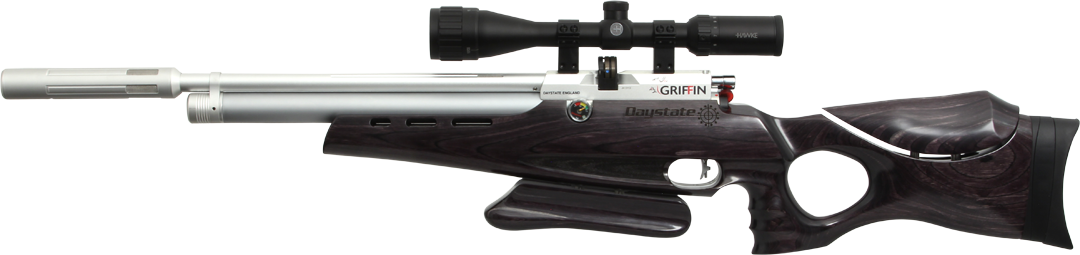
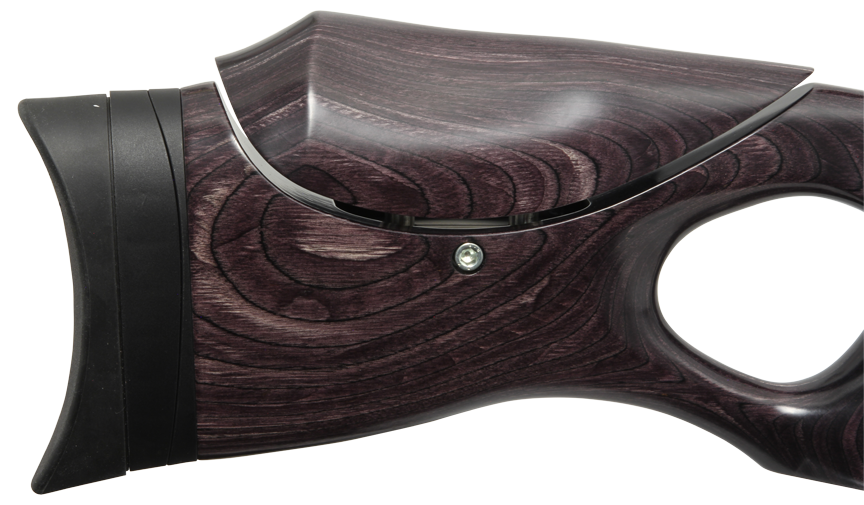
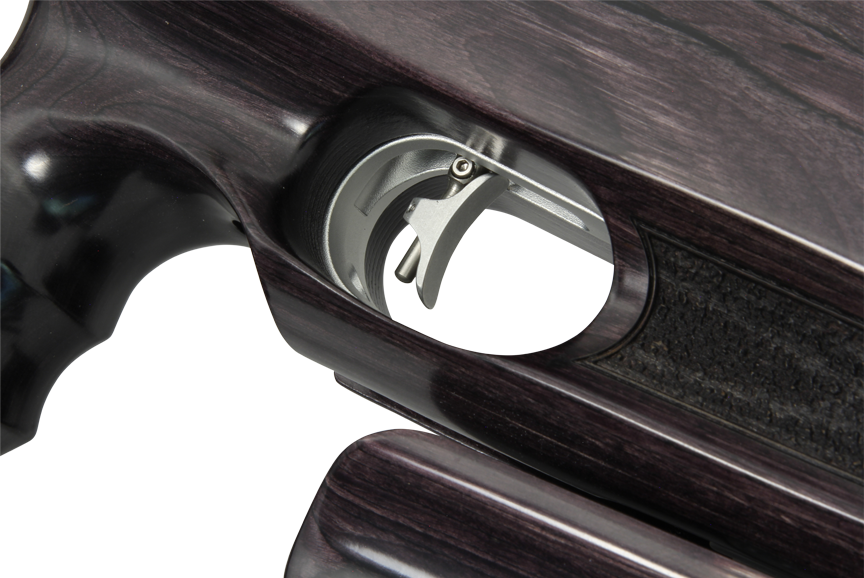
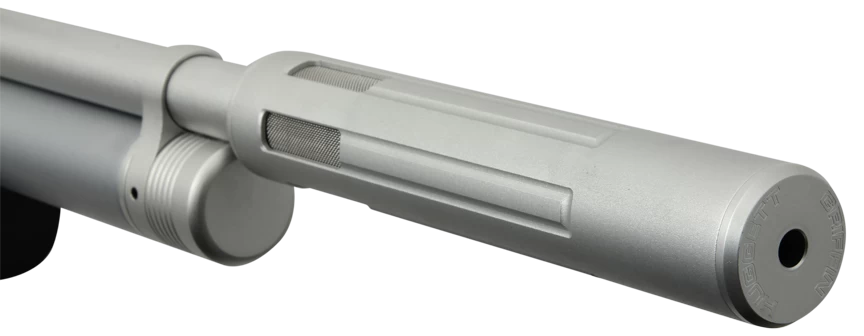
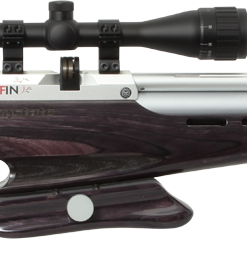
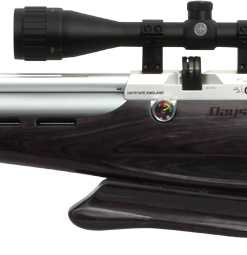
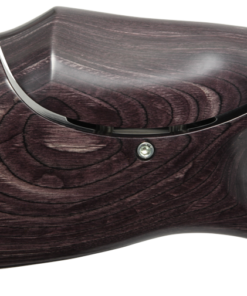
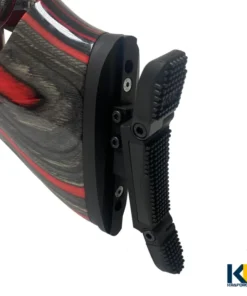
The Griffin is Daystate’s first fully mechanical target rifle for a number of years. The Griffin responds to popular demand for a more target focused version of our Regal, which can also be used in the field with its 10 shot magazine. This stunning looking rifle includes some useful enhancements such as a trigger adjustable for position, weight and length of stage, a Huggett silencer assembly, palm rest, adjustable cheek piece, 3D adjustable butt pad, adjustable palm rest, chrome cylinder, and a side pressure gauge.
| Weight | 4.309127515 lbs |
|---|---|
| Caliber | .177, .22 |
Daystate Griffin PCP Air Rifle – Premium Precision Engineering, Advanced Performance, and Modern Airgun Innovation
The Daystate Griffin represents the next generation of premium airgun engineering, combining modern design principles with the precision craftsmanship that has made Daystate one of the most respected names in the airgun industry. Designed for shooters who demand accuracy, reliability, comfort, and advanced performance, the Griffin delivers an exceptional shooting experience for both experienced enthusiasts and precision-focused users.
A premium air rifle is more than just a tool; it is a carefully engineered system where every component contributes to performance. The Daystate Griffin has been developed with attention to detail, focusing on balance, consistency, user comfort, and long-term reliability. Therefore, it provides shooters with a refined platform suitable for target shooting, field applications, and recreational precision shooting.
Why Choose the Daystate Griffin?
The main reason shooters choose a high-quality PCP air rifle is the combination of smooth operation, accuracy potential, and dependable performance. The Daystate Griffin has been designed for users who appreciate advanced technology while maintaining the traditional values of precision manufacturing.
The Griffin is suitable for:
- Precision target shooting.
- Field target applications.
- Airgun enthusiasts seeking premium quality.
- Shooters wanting a refined PCP platform.
- Users who value accuracy and consistency.
Furthermore, the rifle’s design allows users to focus on improving their shooting technique while enjoying a comfortable and controlled experience.
Daystate Engineering and Premium Craftsmanship
Daystate has established a strong reputation for producing innovative air rifles that combine British engineering with advanced technology. Models such as the Daystate Delta Wolf Performance, Daystate Blackwolf, and Huntsman Daystate demonstrate the company’s dedication to creating high-performance shooting platforms.
The Daystate family includes respected models such as:
- Daystate Delta Wolf
- Daystate Alpha Wolf
- Alpha Red Wolf
- Daystate Redwolf
- Daystate Wolverine Sapphire
- Daystate Blackwolf
Each model reflects Daystate’s commitment to precision, reliability, and advanced airgun development.
Understanding Modern PCP Airgun Technology
The popularity of PCP systems continues to grow because they provide smooth shooting characteristics, reduced vibration, and excellent consistency. A PCP platform uses stored compressed air to deliver controlled power, making it a preferred choice among many precision shooters.
Modern PCP advantages include:
- Smooth firing cycles.
- Reduced recoil.
- Consistent performance.
- Comfortable operation.
- Excellent accuracy potential.
For users researching premium platforms, terms such as air gun PC, Daystate PCP Rifle, and advanced PCP technology are often associated with high-performance shooting solutions.
What Is a Delta Wolf and How Does It Compare?
Many shooters ask, what is a delta wolf, and how does it differ from traditional air rifles? The delta wolf meaning relates to a modern electronic approach to PCP performance, combining advanced control systems with precision engineering.
The Daystate Delta Wolf PCP Air Rifle and Daystate Electronic PCP Rifle represent some of the company’s most technologically advanced platforms.
Users searching for:
- Buy Daystate Delta Wolf Performance
- Best electronic PCP air rifle
- Smart PCP air rifle
- Daystate Delta Wolf Performance review
- Daystate Delta Wolf Performance Air Rifle
- Daystate Delta Wolf for sale
are typically looking for advanced features, customization, and premium performance.
Precision Accuracy and Shooting Performance
Accuracy is one of the most important characteristics of any premium air rifle. The Daystate Griffin has been designed to provide a stable and consistent shooting experience through careful engineering and quality manufacturing.
Accuracy depends on several factors, including:
- Ammunition selection.
- User technique.
- Environmental conditions.
- Proper maintenance.
- Correct setup.
When these elements are combined correctly, shooters can achieve excellent results and improve their overall experience.
Customization and Accessory Options
Modern shooters often customize their equipment to match their personal preferences and shooting requirements. Accessories can improve comfort, handling, and functionality.
Popular accessories include:
- Air gun suppressor.
- Airgun moderator.
- Air rifle moderator.
- M-Lok to Picatinny rail adapter.
- Enhanced rubber butt pad.
- Magpul MOE SI accessories.
- Puddy bottle cover.
- Cocking ball upgrades.
- 177 magazine options.
- Sling attachment systems.
These additions allow users to create a more personalized setup.
Improving Comfort and Handling
A well-designed rifle should feel natural during use. Balance, ergonomics, and adjustment options all contribute to a better shooting experience.
Important comfort features include:
- Stable shoulder positioning.
- Comfortable handling.
- Balanced construction.
- Reduced fatigue.
- Improved control.
Because of this, many shooters consider ergonomics an essential part of precision shooting equipment.
Proper Rifle Setup and Adjustment
Creating the ideal setup requires attention to detail. Many users research topics such as:
- How to put a gun sling on a rifle.
- How to attach sling to rifle.
- Trigger adjustment concepts.
- Magazine compatibility.
- Barrel configurations.
A properly configured rifle allows shooters to achieve improved comfort and better consistency.
Barrel Performance and Precision Design
The quality of barrel engineering plays an important role in overall accuracy. Features such as manufacturing precision, alignment, and consistency contribute to better shooting performance.
The Alpha Wolf barrel concept represents Daystate’s focus on precision barrel development and advanced engineering.
Comparing Premium Airgun Platforms
Shooters often compare different models before choosing a premium rifle. The Daystate Griffin is positioned within a category where performance, craftsmanship, and technology are important considerations.
Popular comparisons include:
- Daystate Griffin vs advanced PCP systems.
- Traditional PCP rifles vs electronic platforms.
- Premium airguns vs standard models.
The decision usually depends on accuracy requirements, preferred features, and shooting goals.
Final Overview of the Daystate Griffin
The Daystate Griffin represents a combination of advanced engineering, premium craftsmanship, and precision-focused design. Built for shooters who value reliability, comfort, and performance, it provides an exceptional platform for serious airgun applications.
With Daystate’s reputation for innovation and quality, the Griffin delivers a refined shooting experience designed for enthusiasts who expect accuracy, durability, and modern airgun technology.
Engineering Design, Build Quality, and Performance Characteristics
Advanced Engineering Approach
A premium precision platform is created through careful engineering, detailed development, and a strong understanding of user expectations. Every element must work together efficiently to provide a reliable, comfortable, and enjoyable experience.
The design process focuses on achieving a balance between performance, durability, usability, and long-term reliability. A carefully developed system allows users to operate with confidence while maintaining consistent results during different applications.
This attention to detail ensures that the equipment remains valuable for both regular practice and demanding environments.
Precision Manufacturing and Construction Quality
Quality construction is one of the most important factors when selecting advanced equipment. Each component must be manufactured with accuracy to ensure proper function and lasting performance.
Important construction considerations include:
- High-quality material selection.
- Accurate component fitting.
- Strong structural design.
- Careful finishing.
- Reliable manufacturing standards.
These elements help create a dependable product that maintains its performance through extended use.
Balanced Design for Improved Handling
A balanced design allows users to interact naturally with their equipment. Proper weight distribution and thoughtful ergonomics contribute to improved control and comfort.
A well-balanced system provides:
- Better stability.
- Comfortable handling.
- Reduced user fatigue.
- Improved control.
- Greater confidence.
When equipment feels natural, users can focus more effectively on improving their technique and achieving better results.
Smooth Operation and User Experience
Smooth operation is a key characteristic of high-quality equipment. A refined design reduces unnecessary effort and allows users to maintain focus during use.
Important factors include:
- Consistent operation.
- Comfortable interaction.
- Reliable response.
- Practical controls.
- User-focused design.
These characteristics create a more enjoyable and efficient experience.
Performance-Focused Development
High-performance equipment is designed around the needs of users who expect reliability and consistency. Each design decision should contribute toward improving the overall experience.
Performance-focused development considers:
- Accuracy.
- Efficiency.
- Reliability.
- Comfort.
- Durability.
This ensures the product continues to meet expectations over time.
The Importance of Consistency
Consistency is essential for users who want dependable results. A well-developed design provides the foundation needed to build confidence and improve skills.
Factors that influence consistency include:
- Stable operation.
- Proper setup.
- User technique.
- Maintenance habits.
- Environmental awareness.
When these elements are managed correctly, users can achieve more predictable outcomes.
Integration of Modern Technology
Modern equipment continues to improve through the combination of advanced technology and refined engineering methods. These improvements allow manufacturers to create more efficient and user-friendly solutions.
Technology integration can provide:
- Greater customization.
- Improved control.
- Enhanced efficiency.
- Better user interaction.
- More flexible operation.
These developments help create a more advanced ownership experience.
Ergonomic Design and Comfort
Comfort is essential when equipment is used for extended periods. A thoughtful design helps users maintain control while reducing unnecessary physical strain.
Ergonomic considerations include:
- Natural positioning.
- Comfortable contact areas.
- Balanced structure.
- Practical adjustment.
- User-friendly operation.
A comfortable design allows users to remain focused and enjoy longer sessions.
Reliability Through Strong Engineering
Reliable performance comes from combining quality construction with responsible ownership. Proper engineering helps create equipment that performs consistently when maintained correctly.
Reliability is supported by:
- Durable components.
- Accurate assembly.
- Proper maintenance.
- Correct operation.
- Regular inspection.
These factors contribute to longer service life and improved satisfaction.
Adaptability for Different Users
A successful design should provide value for users with different experience levels and requirements. Flexibility allows individuals to create an experience that matches their personal preferences.
Adaptable equipment allows users to:
- Learn comfortably.
- Improve gradually.
- Adjust preferences.
- Explore different applications.
- Continue developing skills.
This flexibility increases long-term usefulness.
Attention to Detail
Small details often have a major impact on overall performance and user satisfaction. Careful consideration of every feature helps separate high-quality products from ordinary alternatives.
Important details may include:
- Surface quality.
- Adjustment systems.
- Connection points.
- Weight distribution.
- User interaction areas.
Each element contributes to the complete experience.
Long-Term Performance and Value
Investing in quality equipment means considering both immediate benefits and future reliability. A well-designed product should continue providing value throughout years of responsible use.
Long-term advantages include:
- Dependable operation.
- Improved confidence.
- Reduced concerns.
- Better satisfaction.
- Continued performance.
Final Engineering Perspective
A successful precision system combines thoughtful design, durable construction, ergonomic development, and reliable operation. Through careful engineering and user-focused innovation, it provides a strong foundation for improved control, comfort, and long-term satisfaction.
Practical Use, Maintenance, and Developing Long-Term Skills
Creating a Better User Experience
A well-designed product becomes more valuable when it supports the user during real-world applications. Comfort, reliability, and ease of operation all contribute to a more enjoyable experience and allow users to focus on improving their abilities.
With regular use, individuals become more familiar with their equipment and develop better techniques. This process creates confidence and helps achieve more consistent results over time.
Improving Comfort During Extended Use
Comfort is an important factor when equipment is used for longer periods. A properly prepared setup can help reduce unnecessary strain and allow users to maintain better concentration.
Benefits of improved comfort include:
- Reduced fatigue.
- Better focus.
- Improved control.
- More natural positioning.
- Increased confidence.
A comfortable experience encourages users to continue practicing and developing their skills.
Developing Consistent Techniques
Consistency is achieved through practice, patience, and attention to detail. Small improvements in preparation, handling, and technique can create meaningful progress.
Important areas of development include:
- Creating repeatable routines.
- Practicing regularly.
- Improving stability.
- Reviewing previous results.
- Adjusting methods when needed.
A consistent approach helps users build stronger habits and improve gradually.
Understanding Personal Preferences
Every user has different requirements and preferences. Learning what works best for individual needs is an important part of creating an effective setup.
Personal preferences may involve:
- Comfort level.
- Positioning.
- Handling style.
- Adjustment choices.
- Intended application.
Understanding these differences helps users create a more personalized experience.
The Importance of Proper Preparation
Preparation plays an important role in achieving reliable results. Taking time before use to confirm everything is ready allows users to remain focused and confident.
A good preparation routine includes:
- Checking overall condition.
- Confirming adjustments.
- Reviewing important features.
- Organizing necessary items.
- Ensuring proper setup.
Good preparation reduces distractions and improves the overall experience.
Responsible Equipment Care
Regular care helps maintain quality and extend product life. Proper attention prevents unnecessary wear and keeps equipment performing effectively.
A practical care routine includes:
- Cleaning after use.
- Checking for changes.
- Protecting surfaces.
- Storing correctly.
- Following recommended practices.
These simple habits support long-term reliability.
Creating Effective Storage Habits
Storage conditions can influence the lifespan and condition of equipment. Keeping products in a suitable environment helps prevent avoidable damage.
Good storage practices include:
- Choosing a clean location.
- Avoiding extreme conditions.
- Keeping components organized.
- Protecting against impacts.
- Checking condition regularly.
Proper storage supports lasting performance.
Learning Through Experience
Experience is one of the most valuable factors in improving performance. Each use provides an opportunity to understand equipment better and develop stronger skills.
Users can improve by:
- Reviewing previous sessions.
- Identifying areas for growth.
- Learning from mistakes.
- Adjusting methods.
- Continuing practice.
This approach creates steady improvement over time.
Maintaining Long-Term Value
Quality equipment represents a long-term investment. Responsible ownership helps protect that investment and ensures continued usefulness.
Long-term value is supported by:
- Regular maintenance.
- Careful handling.
- Proper storage.
- Responsible operation.
- Continued learning.
These actions help preserve performance and satisfaction.
Adapting as Skills Improve
As users gain experience, their goals may change. A flexible design allows users to continue improving without unnecessary limitations.
Progress may involve:
- Developing new techniques.
- Improving confidence.
- Refining preferences.
- Exploring different applications.
- Increasing experience.
This creates a more rewarding ownership journey.
Building Confidence Through Familiarity
Familiarity creates confidence. As users spend more time with their equipment, they develop a better understanding of how to achieve their desired results.
Confidence grows through:
- Regular practice.
- Proper preparation.
- Understanding operation.
- Maintaining good habits.
- Learning continuously.
This connection between user and equipment improves the overall experience.
Final Practical Perspective
The best results come from combining quality equipment with proper care, preparation, and continued development. By creating good habits and understanding their setup, users can enjoy improved comfort, reliability, and long-term satisfaction throughout ownership.
Care Procedures, Protection, and Maintaining Long-Term Performance
Establishing a Reliable Care Routine
Proper care is essential for preserving the condition, reliability, and long-term value of equipment. Regular attention helps maintain quality and ensures that the product remains prepared for continued use.
A consistent maintenance routine does not need to be complicated. Simple actions performed regularly can reduce unnecessary wear and help protect important components.
Developing responsible care habits from the beginning creates a stronger ownership experience and supports dependable performance.
Performing Regular Inspections
Routine inspections allow users to understand the condition of their equipment and identify possible concerns early. Regular checks provide confidence and help prevent avoidable problems.
A complete inspection process may include:
- Reviewing overall condition.
- Checking important areas.
- Looking for signs of wear.
- Confirming proper operation.
- Monitoring changes over time.
- Ensuring everything remains secure.
These steps support reliability and help maintain consistent performance.
Cleaning and Protecting Equipment
Regular cleaning helps preserve both appearance and functionality. Dust, dirt, moisture, and environmental exposure can gradually affect equipment if proper care is not provided.
After use, users should consider:
- Removing surface debris.
- Cleaning carefully.
- Allowing materials to dry properly.
- Protecting sensitive areas.
- Preparing equipment for storage.
These practices help maintain quality and prevent unnecessary deterioration.
The Importance of Proper Storage
Storage plays an important role in protecting equipment between uses. A suitable environment helps prevent damage and maintains condition over time.
Effective storage practices include:
- Selecting a clean location.
- Avoiding excessive moisture.
- Protecting against accidental impacts.
- Keeping accessories organized.
- Reviewing condition regularly.
Proper storage contributes to improved durability and long-term reliability.
Safe Handling and Transportation
Careful handling is important when moving or preparing equipment. Improper handling can create unnecessary stress and reduce the lifespan of important components.
Recommended transportation habits include:
- Securing equipment correctly.
- Using suitable protection.
- Avoiding rough handling.
- Organizing smaller items.
- Inspecting after movement.
These precautions help maintain quality in different situations.
Understanding Natural Wear
All equipment experiences gradual changes through regular use. Recognizing normal wear allows users to respond appropriately and maintain good condition.
Regular observation helps identify:
- Changes in appearance.
- Areas requiring attention.
- Signs of excessive use.
- Possible maintenance needs.
- Adjustments that may be required.
Early awareness allows users to take action before small concerns become larger problems.
Extending Equipment Lifespan
The lifespan of equipment depends greatly on how it is treated. Responsible ownership, careful handling, and regular maintenance all contribute to preserving value.
Effective care practices provide benefits such as:
- Longer service life.
- Improved reliability.
- Better condition.
- Reduced unexpected concerns.
- Greater user confidence.
These benefits demonstrate the importance of consistent attention.
Preparing Before Each Use
Preparation helps create a smoother and more reliable experience. Before use, users should confirm that equipment is ready and properly organized.
A preparation routine may include:
- Checking condition.
- Confirming readiness.
- Reviewing important areas.
- Organizing accessories.
- Ensuring proper setup.
Good preparation improves confidence and reduces unnecessary interruptions.
Responsible Ownership Practices
Responsible ownership involves understanding equipment requirements and treating products with care and respect.
Good ownership includes:
- Following recommended procedures.
- Maintaining cleanliness.
- Protecting against damage.
- Performing regular checks.
- Addressing concerns promptly.
These practices support a stronger and more reliable experience.
Maintaining Quality Through Consistency
Quality is preserved through repeated care and attention. Regular maintenance, proper storage, and careful handling all contribute to keeping equipment in excellent condition.
Users who maintain strong routines can continue enjoying dependable performance and long-term value.
Creating a Long-Term Protection Strategy
A long-term protection strategy combines inspection, maintenance, storage, and responsible use. This approach helps preserve quality while supporting continued performance.
A successful strategy focuses on:
- Preventative care.
- Regular attention.
- Safe handling.
- Proper preparation.
- Continued responsibility.
These principles help maintain reliability throughout ownership.
Final Maintenance Perspective
Proper care provides the foundation for long-term performance and reliability. By maintaining effective routines, protecting equipment, and monitoring condition, users can maximize durability and continue enjoying dependable operation for many years.
Frequently Asked Questions and Long-Term Ownership Considerations
What Makes Premium Equipment Worth Considering?
Premium equipment is generally developed around stronger construction, refined manufacturing, improved consistency, and greater attention to user experience. The value is not determined by appearance alone. Instead, buyers should consider how well the product performs its intended function, how comfortable it feels, and whether its construction can support years of responsible use.
For experienced users, dependable operation can be particularly valuable because it reduces unnecessary distractions and creates a more predictable experience.
Is This Type of Equipment Suitable for Beginners?
Suitability depends heavily on the individual, local requirements, intended application, and previous experience. New users should prioritize professional instruction and become familiar with all applicable safety practices before use.
Beginners should avoid rushing through the learning process. Developing correct habits early is usually more valuable than attempting advanced techniques immediately.
Supervised practice can also provide an opportunity to learn proper handling while receiving immediate feedback.
What Should Be Checked Before Each Session?
A brief inspection should become part of the normal preparation routine. The purpose is to identify anything unusual before use rather than discovering a problem later.
Users should examine the general condition, confirm that components appear secure, and look for visible damage or unusual wear. If something appears damaged, loose, or abnormal, use should stop until the issue has been evaluated appropriately.
Following the manufacturer’s documentation remains important because maintenance requirements can differ between products.
How Does Comfort Influence the Experience?
Comfort can significantly influence concentration and consistency. When equipment feels awkward or creates unnecessary strain, maintaining a repeatable position may become more difficult.
Good ergonomics should support natural interaction rather than forcing the user into an uncomfortable position. However, comfort is subjective. Body dimensions, experience, clothing, and personal preferences can all influence what feels appropriate.
Consequently, users should evaluate fit carefully rather than assuming that one configuration works equally well for everyone.
Why Does Consistency Matter?
Consistency allows users to evaluate their technique more effectively. When preparation and positioning change dramatically between sessions, determining what caused a particular result becomes difficult.
Developing a repeatable routine can therefore be beneficial. This includes approaching preparation systematically, maintaining equipment properly, and avoiding unnecessary changes between sessions.
Over time, a consistent approach can make progress easier to recognize.
How Should Equipment Be Stored?
Storage should prioritize security, protection, and environmental stability. Equipment should be kept according to applicable local requirements and manufacturer recommendations.
A suitable storage environment should generally be:
- Secure against unauthorized access.
- Clean and organized.
- Protected from excessive moisture.
- Away from extreme temperatures.
- Protected against accidental impacts.
Accessories and documentation should also be organized so that important information can be located when required.
How Important Is Regular Cleaning?
Regular cleaning helps preserve condition and provides an opportunity to inspect the equipment closely. However, excessive or incorrect cleaning can sometimes be counterproductive.
Users should follow the manufacturer’s recommended procedures rather than improvising with unsuitable chemicals or tools.
Routine exterior care may help remove moisture, fingerprints, dust, and debris. More involved servicing should be performed only according to appropriate technical guidance.
When Should Professional Servicing Be Considered?
Professional assistance should be considered whenever performance changes unexpectedly, components become damaged, adjustments no longer operate normally, or the user is uncertain about the condition of the equipment.
Attempting complicated repairs without sufficient technical knowledge can create additional problems. Qualified servicing is therefore preferable when specialized inspection or internal work is required.
Maintenance records can also be useful for tracking previous work.
What Influences Long-Term Durability?
Durability depends on more than manufacturing quality. How equipment is handled throughout its life can substantially affect its condition.
Important factors include storage conditions, frequency of use, transportation practices, environmental exposure, maintenance quality, and accidental damage.
A premium product that receives poor care may deteriorate faster than expected. Conversely, responsible ownership can help preserve condition for considerably longer.
How Can Owners Protect Cosmetic Condition?
Cosmetic preservation starts with careful handling. Abrasive surfaces, moisture, dirt, and impacts can gradually affect finishes.
Protective storage and transportation equipment can reduce unnecessary contact damage. Users should also avoid placing equipment directly onto rough or contaminated surfaces whenever possible.
After exposure to moisture, appropriate drying and inspection are important.
Does Experience Change What Users Look For?
Yes. New users often prioritize simplicity and comfort, whereas experienced users may become more sensitive to balance, ergonomics, consistency, adjustment range, and small differences in construction.
Preferences can therefore evolve considerably over time.
This is one reason buyers should consider both current requirements and potential future expectations when evaluating premium equipment.
What Should Buyers Consider Before Purchasing?
A responsible purchasing decision should consider intended use, compatibility, ergonomics, construction quality, manufacturer support, servicing availability, local regulations, and overall value.
Price alone should not determine the decision. A less expensive option may provide adequate performance for one person, while another user may benefit from the refinement and durability associated with a premium product.
Researching these factors beforehand can prevent disappointment.
How Can Long-Term Ownership Remain Satisfying?
Long-term satisfaction usually comes from combining realistic expectations with responsible care. Owners should become familiar with their equipment, maintain it according to official recommendations, and periodically review its condition.
Learning should continue after purchase as well. Better understanding often leads to more responsible decisions and greater appreciation of engineering quality.
Final Ownership Perspective
A premium ownership experience extends far beyond initial impressions. Construction quality, comfort, responsible maintenance, secure storage, appropriate servicing, and continued learning all influence how well equipment performs throughout its usable life.
By treating maintenance and inspection as ongoing responsibilities rather than occasional tasks, owners can better preserve condition, reliability, and overall value for years to come.
Final Thoughts and Long-Term Performance Experience
Building a Lasting Connection With Quality Equipment
A well-designed product becomes more valuable as users gain experience and develop a deeper understanding of its capabilities. Ownership is not only about the initial purchase but also about learning how to use, maintain, and appreciate the engineering behind the equipment.
Over time, familiarity creates confidence. Users become more comfortable with operation, develop better routines, and discover ways to achieve a more consistent experience.
The Importance of Responsible Ownership
Responsible ownership plays a major role in maintaining long-term satisfaction. Equipment that receives proper attention, careful handling, and regular inspection is more likely to remain dependable throughout its service life.
Good ownership habits include:
- Following recommended procedures.
- Maintaining cleanliness.
- Storing equipment appropriately.
- Monitoring condition.
- Addressing concerns early.
These simple practices can help preserve performance and protect the value of the investment.
Continuous Learning and Improvement
Learning does not stop after becoming familiar with equipment. Even experienced users can continue improving by reviewing their methods, exploring new techniques, and developing greater awareness.
Progress often comes through:
- Regular practice.
- Observation.
- Patience.
- Experience.
- Adaptation.
A commitment to improvement allows users to gain more satisfaction and confidence over time.
Creating Reliable Long-Term Habits
Strong habits create better results. A consistent approach to preparation, use, and care reduces uncertainty and helps users create a more predictable experience.
Effective long-term habits include:
- Preparing carefully before use.
- Maintaining organized equipment.
- Reviewing condition regularly.
- Keeping accessories protected.
- Continuing to expand knowledge.
These routines contribute to greater reliability and enjoyment.
Appreciating Quality Engineering
Quality engineering is reflected not only in performance but also in attention to detail, thoughtful design, and user-focused development.
A carefully developed product demonstrates the importance of:
- Precision manufacturing.
- Functional design.
- Practical usability.
- Durability.
- Consistent operation.
Understanding these elements helps users appreciate the value behind well-made equipment.
Adapting to Changing Needs
User requirements can change over time. Experience, preferences, and intended applications may evolve, creating new expectations from equipment.
A strong design provides enough flexibility to continue supporting users as their skills and interests develop.
Adaptability helps users:
- Adjust their approach.
- Improve confidence.
- Explore different applications.
- Continue progressing.
- Maintain satisfaction.
Protecting Long-Term Value
Maintaining value requires attention throughout the ownership period. Careful treatment, suitable storage, and responsible operation all contribute to preserving condition.
Long-term protection involves:
- Preventative maintenance.
- Careful handling.
- Proper organization.
- Regular observation.
- Responsible use.
These actions help extend usefulness and maintain reliability.
The Role of Confidence in Performance
Confidence develops through understanding and experience. When users trust their equipment and understand how it functions, they can focus more effectively on improving their own abilities.
Confidence is strengthened by:
- Familiarity.
- Preparation.
- Knowledge.
- Consistent routines.
- Positive experiences.
This relationship between user and equipment creates a more rewarding journey.
Looking Toward Future Development
Technology and design continue to advance as manufacturers explore new ways to improve performance, comfort, and usability.
Future developments will continue to focus on:
- Greater efficiency.
- Improved user interaction.
- Enhanced reliability.
- Better customization.
- Refined designs.
These improvements help create more capable and user-focused products.
A Complete Ownership Experience
The best ownership experiences come from combining quality equipment with responsible habits and continued learning. Performance is influenced not only by the product itself but also by how carefully it is used and maintained.
Users who take time to understand their equipment are more likely to enjoy greater satisfaction and long-term value.
Final Conclusion
A high-quality product represents a combination of thoughtful engineering, reliable construction, and user-focused design. However, the full experience is created through responsible ownership, proper care, and continuous improvement.
By maintaining good habits and developing a deeper understanding of their equipment, users can enjoy dependable performance, lasting value, and a rewarding experience throughout many years of ownership.
Be the first to review “Daystate Griffin PCP Air Rifle”
Related products

Snowpeak Airguns

Uncategorized


Daystate Air Rifle

Uncategorized
Daystate Air Rifle

Daystate Air Rifle


Uncategorized
Daystate Air Rifle
Reviews
There are no reviews yet.