





Daystate Alpha Wolf Blue Laminate


€2,150.00
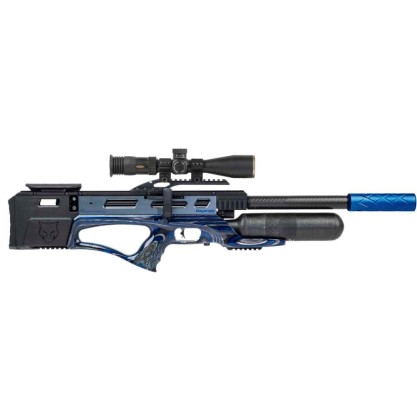
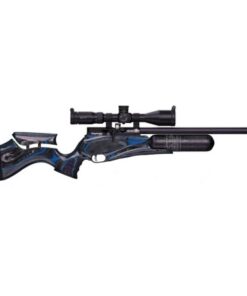
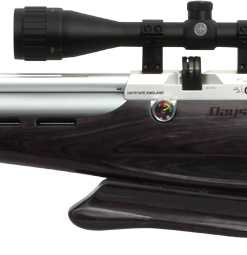
The Daystate Alpha Wolf Blue Laminate. A brand new limited release of the the world’s most advanced air rifle which offers unrivalled performance. But made for those who really want to be noticed on the range and competition circuit. Though not limited in terms of number of rifles, the Blue Edition will only be available for a limited period in both 12 ft/lbs and FAC/export output. The 17-inch barrel model will be available in .177 and .22 whilst the 23-inch barrel Alpha Wolf Blue Edition HP will add .25 and .30 options.
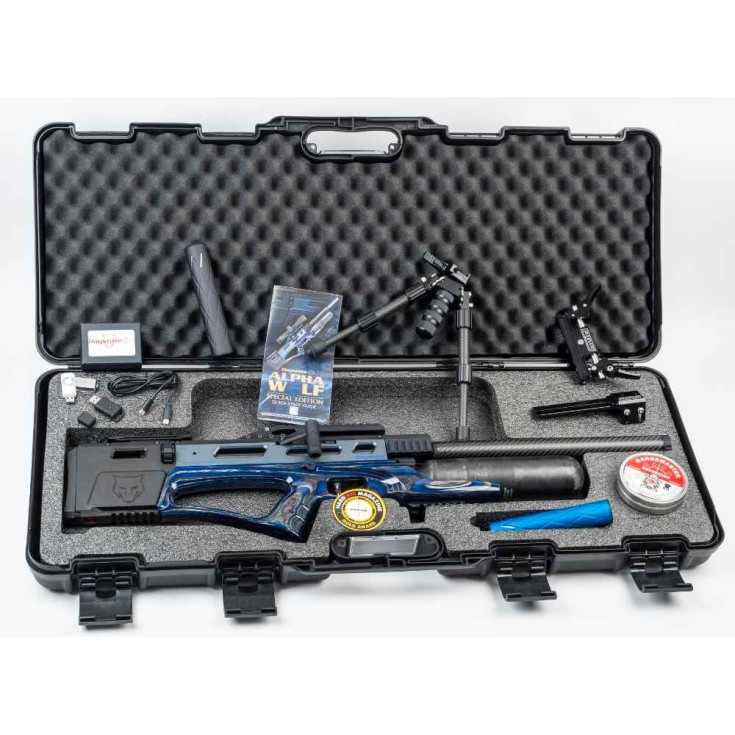
In addition to the striking blue and grey laminate stock and metal work, the Alpha Wolf Blue Edition has a specially designed cocking handle and comes with a blue 0db silencer, hard case with a special edition plaque and a tin of the type of Ringmaster pellets used to test and set-up the rifle. Also included is a Data Transfer Device (DTD) and cable so the rifle’s software can be upgraded with free updates and to enable backups and custom programming via a Windows PC or laptop.
Daystate are also offering a performance package for the seasoned shooter. This kit will save you roughly 50% off the normal retail price. The performance package includes:
- PRS Adjustable Butt pad
- PRS Cheek Riser
- Aim point bipod
- Bag rider
- 0DB black moderator
The Specs:
| Caliber | .177 & .22 |
| Power | 12Ft/lbs |
| Cylinder | 480CC |
| Fill Pressure | Up to 240 BAR (3,480 PSI) |
| Shots Per Charge | ≈ 375 in .177/ ≈ 415 in .22 |
| Cocking | Side Lever (RH & LH) |
| Magazine Capacity | 13 shot .177 / 11 shot .22 |
| Trigger | Adjustable Electronic for pull weight, length of stage and blade position |
| Length | 722mm/ 24.4 inches |
| Weight | 3.35kg/ 7.4lbs |
Daystate Alpha Wolf Blue Laminate – Advanced Electronic PCP Air Rifle with Blue Laminate Stock
The Daystate Alpha Wolf Blue Laminate combines Daystate’s electronically controlled PCP architecture with a distinctive blue-and-grey laminated birchwood stock. Daystate’s blue-stock configuration is based on the Alpha Wolf electronic action and retains the platform’s touchscreen programming, onboard chronograph, adjustable Huma-Air regulator, electronic trigger release, carbon-fibre bottle, interchangeable barrel system, reversible sidelever, and adjustable ergonomic components.
The Blue Edition has been produced with 430 mm and 600 mm barrel configurations. Daystate lists a 480 cc carbon-fibre reservoir and a maximum fill pressure of 240 bar / 3,480 psi. Standard magazine capacities are 13 shots in .177, 11 in .22, 10 in .25, and 8 in .30 where the caliber is available.
Daystate Delta Wolf Performance
Daystate Delta Wolf Performance belongs to the same broader electronically controlled Wolf family. However, the Alpha platform places the computerized action inside a conventional sporter-style stock rather than the compact bullpup layout associated with its sibling.
Daystate Blackwolf
The daystate blackwolf represents Daystate’s newer mechanically fired modular platform. In contrast, this model relies heavily on electronic firing control and touchscreen programming.
Delta Wolf
The delta wolf shares important electronic technology with this rifle, including computerized operation, interchangeable barrels, digital settings, and sophisticated pressure management.
Huntsman Daystate
huntsman daystate models use a more traditional mechanical sporting architecture. Therefore, they differ substantially from the computerized system described here.
Day State
The day state electronic platform combines traditional stock ergonomics with modern digital airgun control.
Daystate Delta Wolf
The daystate delta wolf is the bullpup sibling of this platform. Daystate explicitly positions both within its user-programmable electronic rifle family.
Daystate Alpha Wolf
The daystate alpha wolf uses a computerized action, electronic firing cycle, colour touchscreen, onboard chronograph, adjustable regulator, reversible sidelever, carbon-fibre air bottle, and interchangeable barrel architecture.
Puddy Bottle Cover
A puddy bottle cover or similar protective sleeve should only be used when dimensions suit the carbon reservoir and no valve, gauge, or charging component is obstructed.
Daystate
daystate developed this platform around electronic control and future software updating, with compatible firmware delivered through an optional Data Transfer Device connected to a Windows computer.
Alpha Red Wolf
The phrase alpha red wolf combines two different electronically controlled product families and should not be treated as one model designation.
Air Gun PC
An air gun pc search commonly relates to pre-charged pneumatic technology. This system stores compressed air in a carbon-fibre reservoir and meters that air through a regulated firing cycle.
Air Gun Suppressor
An air gun suppressor or sound-moderating component may be regulated depending on jurisdiction. Compatibility and applicable law should be verified before use.
What Is a Delta Wolf
For anyone asking what is a delta wolf, it is Daystate’s electronically controlled bullpup platform that shares much of its computerized technology with this sporter-style model.
Airgun Moderator
An airgun moderator must match the muzzle system and caliber while complying with applicable legal restrictions.
Black Snood
A black snood is not part of the electronic trigger, regulator, barrel, stock, chronograph, or air-delivery system.
Daystate Wolverine Sapphire
The daystate wolverine sapphire belongs to another premium family and follows a more conventional mechanical architecture.
Day Wolf M-LOK to Picatinny Rail Adapter
A day wolf m-lok to picatinny rail adapter concerns accessory-interface conversion. Compatibility should always be verified against the specific rail system before fitting.
How to Put a Gun Sling on a Rifle
For how to put a gun sling on a rifle, only suitable attachment points should be used, and the sling should remain clear of the trigger, safety, sidelever, charging equipment, and pressure components.
177 Magazine
The standard 177 magazine capacity is listed at 13 shots. Daystate also lists 11 shots for .22, 10 for .25, and 8 for .30 on applicable configurations.
Magpul MOE SI
magpul moe si accessories should not automatically be considered compatible merely because the rifle provides Picatinny accessory interfaces.
Enhanced Rubber Butt Pad
An enhanced rubber butt pad may improve shoulder comfort. The platform already provides an adjustable butt arrangement, while optional upgrade packages have included more extensively adjustable rear components.
Can Wolverine Go on Planes
For can wolverine go on planes, airline transport depends on carrier policy, pressure-vessel requirements, destination law, and rules applying to sporting equipment.
Wolf Battery
A wolf battery is particularly relevant here because the firing and programming system is electronic. Battery condition should therefore form part of routine preparation and storage checks.
Daystate Redwolf
The daystate redwolf is another established electronically controlled PCP family, although its stock architecture and electronic generation differ.
Cocking Ball
A cocking ball or alternative handle should only be fitted when designed for the reversible sidelever mechanism.
Air Rifle Moderator
An air rifle moderator should match the muzzle interface and caliber and must comply with applicable regulations.
Alpha Wolf Barrel
An alpha wolf barrel forms part of the fast-change ART barrel architecture. Daystate describes the platform as capable of relatively quick caliber and barrel configuration changes using appropriate matched components.
FX Airgun Dealer Near Me
The phrase fx airgun dealer near me concerns another manufacturer. Technical servicing for this system should instead follow appropriate Daystate support and service information.
How to Attach Sling to Rifle
For how to attach sling to rifle, suitable mounting hardware should be selected without interfering with electronic controls, loading components, or the compressed-air system.
Daystate Redwolf Price
daystate redwolf price relates to another electronically controlled model family and does not determine the specification of this platform.
Daystare
daystare is a spelling variation frequently associated with searches for the manufacturer.
Delta Wolf Meaning
The delta wolf meaning in this context refers to Daystate’s computerized bullpup platform, which shares significant electronic technology with this conventional-stock design.
Weatherby Vanguard Trigger Adjustment
weatherby vanguard trigger adjustment concerns an unrelated firearm system. Those procedures should not be applied here because this rifle uses an electronically released adjustable trigger.
Daystate Delta Wolf PCP Air Rifle
The Daystate Delta Wolf PCP Air Rifle shares core computerized technology with this model but packages it in a shorter bullpup configuration.
Daystate Electronic PCP Rifle
The phrase Daystate Electronic PCP Rifle accurately describes this platform because the firing cycle, trigger release, programming, and several performance-management functions are electronically controlled.
Daystate PCP Rifle
As a Daystate PCP Rifle, the system stores compressed air in a 480 cc carbon-fibre reservoir and operates at a published maximum fill pressure of 240 bar.
Buy Daystate Delta Wolf Performance
Buy Daystate Delta Wolf Performance is a transactional phrase concerning another configuration. Technical comparisons should instead focus on stock format, electronics, ergonomics, barrel configuration, and applicable local ownership requirements.
Best Electronic PCP Air Rifle
The phrase Best electronic PCP air rifle is relevant to comparisons involving computerized PCP platforms. The most important factors are electronic reliability, regulator stability, ergonomic fit, barrel quality, ammunition compatibility, and servicing support.
Smart PCP Air Rifle
A Smart PCP air rifle can describe a system using computerized control. This platform includes touchscreen programming, electronic trigger release, firmware support, and—on applicable versions—an onboard chronograph.
Daystate Delta Wolf Performance Review
A Daystate Delta Wolf Performance review can provide useful comparison context because several electronic technologies are shared between the two Wolf-family platforms.
Daystate Delta Wolf Performance Air Rifle
The Daystate Delta Wolf Performance Air Rifle uses a different physical layout while retaining the broader electronic philosophy found here.
Daystate Delta Wolf for Sale
Daystate Delta Wolf for sale is another model-specific search phrase and should not be confused with the blue-stock sporter configuration.
Blue and Grey Laminate Stock
The blue laminate stock is constructed from layered wood veneers combining blue with black and grey sections. Daystate currently lists replacement thumbhole stocks in both red and blue laminate finishes.
The sculpted thumbhole design provides a conventional sporter-style shoulder position while surrounding an otherwise highly computerized action.
Electronic Trigger System
The trigger uses electronic release rather than a conventional mechanical sear system.
Daystate allows adjustment of pull weight, stage length, and blade position. This contributes to a highly configurable interface while maintaining the distinctive electronic character of the action.
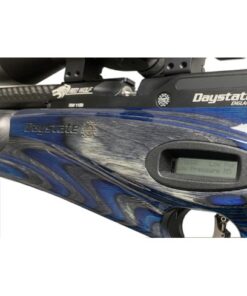
Colour Touchscreen Programming
One of the platform’s defining features is its colour touchscreen.
The interface allows approved settings to be selected directly from the rifle rather than relying entirely on mechanical controls. On compatible versions, users can select caliber, barrel length, projectile parameters, and other factory-supported settings.
Onboard Chronograph
Applicable full-electronics versions incorporate an onboard chronograph that monitors projectile velocity and works with the computerized firing architecture.
This integration is one reason the platform differs substantially from conventional mechanically regulated PCP designs.
Huma-Air Regulation
A factory-fitted adjustable Huma-Air regulator manages air pressure before the firing cycle.
The electronic interface can provide recommended pressure guidance for supported factory configurations, although internal pneumatic adjustments should remain within manufacturer instructions.
ART Barrel System
The shrouded ART barrel architecture is designed around precision and modularity.
Daystate supports interchangeable barrel configurations, allowing the platform to accommodate different approved calibers and barrel lengths when the correct matched components are used.
Carbon-Fibre Air Bottle
A 480 cc carbon-fibre reservoir provides high air capacity while helping control overall weight.
The bottle should be protected against impact, abrasion, excessive heat, and structural damage because it functions as a high-pressure vessel.
Maximum Fill Pressure
The published maximum fill pressure is 240 bar / 3,480 psi.
Only correctly rated charging equipment and clean, dry compressed air should be used.
Reversible Sidelever
The sidelever is reversible, allowing the loading arrangement to accommodate different user preferences.
Adjustable Cheekpiece
Stock fit is important because head position influences sight alignment.
Daystate also offers a blue laminated birchwood cheekpiece designed specifically for the platform, with an opening that maintains access to the breech and magazine area.
Why the Electronic Architecture Matters
Electronic firing management allows several functions to be controlled through software rather than relying entirely on springs and mechanical adjustment.
The major advantage is configurability. However, users should remain within factory-supported programming, legal energy limits, and approved service procedures.
Why Precision Depends on the Complete System
Practical precision does not come from electronics alone.
Barrel condition, pressure regulation, ammunition consistency, optic mounting, stock fit, trigger familiarity, and stable shooting technique all influence repeatability.
Where This Configuration Fits Best
The blue-laminate configuration particularly suits lawful target, benchrest, and precision-oriented sporting environments where electronic adjustability, stock ergonomics, and repeatable setup are valued.
When Software Maintenance Matters
The platform supports firmware updates through an optional Data Transfer Device and Windows computer. Daystate’s technical information currently identifies firmware support for Alpha- and Delta-family electronic rifles.
Software changes should follow official instructions rather than unofficial modification.
Why the Blue Laminate Configuration Stands Out
The blue-and-grey laminate does more than change appearance. It places the advanced electronic action inside a traditional thumbhole stock that provides a very different handling character from a tactical chassis or bullpup.
Consequently, the Daystate Alpha Wolf Blue Laminate combines conventional wood-stock ergonomics with touchscreen programming, electronic firing control, regulated compressed air, interchangeable barrels, a carbon-fibre reservoir, reversible loading controls, and extensive adjustment.
For responsible long-term sporting use, ammunition, software settings, regulator configuration, air pressure, storage, servicing, and transportation should remain within manufacturer guidance and applicable local law.
Electronic Architecture, Pressure Management, Ergonomics, Precision Factors, and Long-Term Reliability
Understanding the Electronic Operating System
This platform uses electronically controlled firing rather than a conventional mechanical release system. The firing cycle depends on battery power, digital control, regulated compressed air, valve timing, stored configuration settings, and carefully matched internal components.
Because electronics are integrated directly into operation, consistent performance depends on both pneumatic condition and electrical reliability.
Battery Condition
Battery health should be checked regularly.
A weak or poorly maintained battery can affect startup, display operation, stored settings, and other electronic functions.
The rifle should be charged according to manufacturer instructions and should not be stored for long periods with obvious battery problems.
Touchscreen Care
The display should remain clean, dry, and protected from impact.
A soft cloth is normally sufficient for routine cleaning.
Strong solvents, sharp tools, excessive pressure, or abrasive materials should not be used on the screen surface.
If the display becomes unresponsive, the cause should be investigated before continued use.
Digital Settings
Electronic configuration provides extensive flexibility.
However, unnecessary changes can make troubleshooting more difficult.
Settings should remain within approved factory parameters and applicable local restrictions.
One variable should be changed at a time so that its effect can be understood clearly.
Firmware Awareness
Software forms part of the operating system.
Firmware updates should only be completed through official procedures and suitable compatible equipment.
Unofficial software modification can create reliability problems and may affect serviceability.
Before updating, the user should understand the manufacturer’s instructions.
Onboard Velocity Monitoring
The integrated monitoring system helps the electronic action evaluate projectile behavior.
However, recorded values should not be viewed in isolation.
Ammunition quality, pressure condition, barrel cleanliness, environmental conditions, and mechanical setup can all influence results.
High-Pressure Air Management
Compressed air is stored inside a lightweight reservoir and supplied through a regulated pneumatic system.
The bottle, regulator, filling port, pressure gauge, valve components, and seals should remain free from damage, contamination, leaks, or unauthorized modification.
Carbon Reservoir Inspection
The lightweight bottle should be checked for impact marks, deep scratches, exposed fibers, valve damage, or other unusual surface changes.
Any suspected structural issue should be professionally evaluated before the reservoir is filled again.
Pressure-vessel damage should never be treated as a cosmetic concern.
Controlled Filling
Charging should be slow and closely monitored.
Rapid filling can generate unnecessary heat and make pressure behavior less predictable.
The specified maximum working pressure should never be exceeded.
If the pressure indication behaves abnormally, charging should stop until the problem is identified.
Clean Compressed Air
Clean and dry compressed air helps protect the regulator, seals, valve components, and internal pneumatic system.
Moisture or contamination introduced during charging can reduce long-term reliability.
Proper filtration and well-maintained filling equipment are therefore important.
Regulator Stability
The regulator controls the air pressure supplied before each firing cycle.
Stable pressure delivery contributes to predictable performance.
Sudden changes in consistency may indicate regulator problems, seal wear, ammunition variation, or another mechanical issue.
Persistent irregularity should be professionally assessed.
Electronic Trigger Characteristics
The trigger uses electronic release, which creates a very different feel from a traditional mechanical sear.
The trigger can be highly predictable when properly configured.
However, extremely light or unsuitable settings should be avoided if they reduce safe handling margins.
Trigger Blade Position
The blade should sit naturally beneath the finger.
The user should not need to stretch, twist the wrist, or change grip pressure simply to reach it.
Correct blade position improves comfort and makes hand placement easier to reproduce.
Sidelever Operation
The loading lever should move smoothly through its complete cycle.
Grinding, excessive looseness, incomplete closure, or unusual resistance may indicate dirt, wear, or an adjustment issue.
The mechanism should never be forced.
Magazine Condition
The magazine should remain clean and should index consistently.
Dust, damaged projectiles, or internal wear can interfere with feeding.
If resistance develops, the magazine and loading area should be inspected before continued use.
Barrel Stability
The barrel assembly should remain secure and protected from impact.
Any movement, looseness, or visible alignment change should be investigated.
Stable mounting helps maintain consistent alignment between the action, optic, and projectile path.
Projectile Quality
Ammunition should be clean, correctly sized, and free from visible deformation.
Bent skirts, damaged heads, dirt, or inconsistent manufacture can create unnecessary variation.
Projectiles should be stored carefully and inspected before loading.
Optic Mounting
The optics rail should remain clean and undamaged.
Rings should match both the optic and mounting surface correctly.
Fasteners should be tightened to suitable specifications.
Overtightening can damage rails, rings, or optic tubes.
Eye Alignment
The cheek support should place the eye naturally behind the optic.
The user should not need to stretch upward or force the head downward to obtain a complete sight picture.
A repeatable head position supports consistent visual alignment.
Rear Stock Fit
The rear section should sit naturally against the shoulder.
Length, height, and pad position influence eye relief, trigger reach, balance, and comfort.
Adjustment should focus on repeatable fit rather than excessive shoulder pressure.
Grip Comfort
The grip should allow the wrist to remain relaxed.
Excessive muscular tension can make a stable position harder to reproduce.
A controlled but comfortable grip generally supports more consistent handling.
Balance and Weight Distribution
The lightweight reservoir, stock geometry, barrel length, optic weight, and accessories all influence balance.
Adding unnecessary equipment can shift the center of gravity and increase fatigue during longer sessions.
A balanced setup is usually easier to handle consistently.
Accessory Mounting
Accessories should only be fitted to compatible interfaces.
Bipods, sling hardware, and other lawful sporting equipment should not obstruct the trigger, safety, charging system, pressure gauge, loading controls, or muzzle.
Muzzle Components
Any muzzle attachment should match the exact barrel and caliber configuration.
Poor alignment can affect consistency and may create unwanted contact.
Where sound-reducing equipment is regulated, local law should always be checked.
Exterior Cleaning
Routine cleaning should remove fingerprints, dust, moisture, and loose contamination.
A soft cloth is generally sufficient.
Strong solvents should not be used around seals, electronics, finishes, polymers, adhesives, or laminated stock surfaces unless specifically approved.
Laminate Stock Care
The laminated stock should be kept clean and reasonably dry.
Although laminate construction is generally stable, prolonged moisture exposure should still be avoided.
Harsh chemicals can damage the finish and should not be used unless recommended.
Moisture Protection
After use in damp conditions, the rifle should be dried before storage.
Water should not remain around electronic controls, screws, rails, joints, or charging components.
Long-term moisture exposure can affect both mechanical and electrical reliability.
Safe Storage
The rifle should be stored unloaded and secured against unauthorized access.
A dry and temperature-stable environment is preferable.
Excessive heat, direct sunlight, high humidity, and chemical vapors should be avoided.
Transport Protection
A padded case helps protect the stock, display, optic, barrel, reservoir, and adjustment hardware.
The rifle should remain unloaded and secured during transport.
Requirements concerning pressurized equipment may vary between jurisdictions.
Monitoring Performance Changes
A sudden change in consistency can come from several sources.
Loose optics, damaged ammunition, pressure irregularities, battery condition, electronic settings, seal wear, or barrel contamination may all contribute.
A systematic inspection is more effective than changing several variables immediately.
Professional Servicing
Regulator work, valve servicing, electronic faults, persistent leaks, reservoir concerns, and major mechanical problems should be handled by qualified technicians.
Both high-pressure pneumatic systems and integrated electronics require appropriate technical knowledge.
Overall Long-Term Reliability
Long-term reliability depends on clean compressed air, healthy seals, stable electronics, appropriate ammunition, secure optics, careful charging, sensible software management, correct storage, and periodic professional inspection.
When the electronic and pneumatic systems are maintained together as one integrated platform, the rifle remains easier to diagnose, more predictable to operate, and better suited to responsible long-term sporting use.
Real-World Handling, Setup Consistency, Electronic Reliability, Comfort, and Practical Ownership
Real-World Handling
A premium electronically managed pre-charged pneumatic platform should feel stable, predictable, and comfortable during lawful sporting use. Practical handling depends on the relationship between stock geometry, optic height, grip angle, shoulder position, barrel length, air-bottle balance, and total accessory weight.
A properly fitted setup reduces unnecessary movement and makes consistent technique easier to maintain during longer target sessions.
Establishing a Repeatable Position
Consistency starts with body position.
The shoulder, cheek, supporting hand, and trigger hand should return naturally to approximately the same location each time.
Excessive muscular tension can make repeatability more difficult. Therefore, the rifle should be adjusted around the shooter rather than forcing the shooter into an uncomfortable position.
Cheek Support Position
The cheek support should place the eye naturally behind the optic.
If the shooter repeatedly needs to raise, lower, or stretch the head to obtain a full sight picture, the stock or optic position may need adjustment.
A consistent cheek position supports repeatable visual alignment.
Rear Stock Fit
The rear section should sit naturally against the shoulder.
Length and vertical position influence eye relief, trigger reach, balance, and overall comfort.
The goal should be a stable and repeatable fit rather than excessive shoulder pressure.
Grip Comfort
The grip should allow the wrist to remain relaxed.
The trigger finger should reach the blade without stretching or twisting the hand.
A controlled but comfortable grip is generally easier to reproduce than excessive hand tension.
Trigger Familiarity
An electronic trigger can feel very different from a conventional mechanical system.
Before making changes, the user should become familiar with the existing configuration.
Any adjustment should remain within approved settings.
An excessively light or unsuitable configuration can reduce safe handling margins.
Digital Control Familiarity
The onboard interface should be treated as an operating control rather than a novelty.
Users should understand the selected settings before use.
Changing several parameters without recording them can make troubleshooting unnecessarily difficult.
A methodical approach makes it easier to identify the effect of each adjustment.
Battery Readiness
Battery condition should be checked before extended use.
A weak battery can affect electronic functions, display operation, or system startup.
Charging should follow manufacturer guidance.
The rifle should not be stored for long periods in a condition that may damage the battery.
Screen Protection
The display should remain clean, dry, and protected from impact.
A soft cloth is usually sufficient for routine cleaning.
Sharp tools, aggressive solvents, and excessive pressure should be avoided.
Any persistent display fault should be investigated before continued use.
Firmware Awareness
Software forms part of the overall operating architecture.
Official updates should be installed only through approved procedures and compatible equipment.
Unofficial software changes can create reliability problems or make later servicing more difficult.
Loading Routine
A consistent loading routine helps reduce errors.
The loading lever should move smoothly through its normal cycle, while the magazine should seat correctly and feed without excessive resistance.
Projectiles should be inspected before loading.
Damaged ammunition can affect feeding and repeatability.
Magazine Inspection
The magazine should remain clean and free from grit, damaged projectiles, or contamination.
Its indexing mechanism should operate smoothly.
If feeding becomes unreliable, the cause should be identified rather than forcing the mechanism.
Monitoring Air Pressure
Pressure should be checked routinely.
Unexpected pressure loss during storage can indicate seal wear, valve leakage, or another pneumatic issue.
Repeatedly topping up the system without identifying the cause can hide a developing problem.
Filling Procedure
High-pressure charging should remain controlled and gradual.
Hoses, connectors, filters, and adapters should be rated for the required operating pressure.
Damaged fittings should never be pressurized.
Clean, dry compressed air helps protect internal components.
Recognizing Seal Problems
Slow pressure loss, unusual filling sounds, or irregular pressure behavior may indicate seal deterioration.
Because significant stored energy is involved, internal disassembly should not be attempted casually.
Persistent faults are better handled by qualified technicians.
Gauge Condition
The pressure indicator should remain clear, secure, and believable.
Fogging, looseness, damage, or unrealistic readings should be investigated.
Charging should not continue when pressure cannot be monitored accurately.
Optic Positioning
The optic should be positioned so the user obtains a complete sight picture naturally.
Eye relief, cheek height, and mount location should work together.
Once the correct position has been established, unnecessary changes should be avoided.
Mount Security
Loose mounting hardware can create apparent precision problems even when the pneumatic and electronic systems remain stable.
Mounting screws should therefore be checked periodically.
Overtightening should also be avoided because it can damage the rail, rings, or optic tube.
Balance Management
The air bottle, barrel length, laminated stock, optic weight, and accessories all influence balance.
Adding equipment can shift the center of gravity and increase fatigue.
A balanced setup is generally easier to control during longer sessions.
Bipod Condition
If a compatible bipod is used, it should attach securely to the intended interface.
The mounting point should be checked periodically for movement.
The support should not place unintended pressure on the barrel or air reservoir.
Sling Condition
A sling can assist with carrying and transport.
It should remain clear of the trigger, safety, pressure gauge, charging area, and loading controls.
Worn or loose hardware should be corrected promptly.
Barrel Exterior Inspection
The barrel assembly should be checked for visible movement, impact damage, looseness, or changes in alignment.
A significant knock to the barrel area should be investigated before further use.
External support components should remain secure.
Protecting the Muzzle
The muzzle should remain protected from knocks, dirt, and careless handling.
Damage around the crown can affect repeatability even when the rest of the barrel appears undamaged.
The rifle should never be rested directly on the muzzle.
Projectile Storage
Ammunition should remain clean and dry.
Loose projectiles can become damaged through repeated movement, dirt, or impact.
Careful storage helps remove one avoidable source of inconsistency.
Exterior Cleaning
Routine cleaning should focus on removing fingerprints, dust, moisture, and light contamination.
A soft cloth is generally sufficient.
Strong solvents should not be used around seals, electronics, adhesives, finishes, or laminated wood surfaces unless specifically approved.
Laminate Stock Care
The laminated stock should be kept clean and reasonably dry.
Although layered wood construction offers good stability, prolonged exposure to moisture should still be avoided.
The finish should be protected from harsh chemicals and abrasive cleaning materials.
Carbon Bottle Inspection
The air bottle should be checked regularly for deep scratches, impact marks, exposed fibers, valve damage, or unusual surface changes.
Any suspected structural concern should be professionally assessed before further filling.
Pressure-vessel damage should never be treated as cosmetic.
Moisture Protection
After use in damp conditions, the rifle should be dried before storage.
Water should not remain around screws, rails, controls, electronic interfaces, or charging components.
Extended moisture exposure can affect both mechanical and electrical reliability.
Safe Storage
The rifle should be stored unloaded and secured against unauthorized access.
A dry and temperature-stable environment is preferable.
Excessive heat, direct sunlight, chemical vapors, and high humidity should be avoided.
Applicable storage laws should always be followed.
Transport Protection
A padded case helps protect the stock, display, optic, barrel, reservoir, and external controls.
The rifle should remain unloaded and secured during transport.
Rules concerning pressurized equipment can vary between jurisdictions.
Monitoring Performance Changes
A sudden change in consistency can come from several possible causes.
Loose optics, damaged ammunition, pressure irregularities, battery condition, electronic settings, seal wear, or barrel contamination can all contribute.
A systematic inspection is usually more effective than changing several variables immediately.
Professional Servicing
Electronic faults, regulator issues, valve servicing, persistent leaks, reservoir concerns, and significant mechanical problems should be handled by qualified technicians.
Integrated electronics and high-pressure pneumatic systems require suitable tools and technical knowledge.
Overall Practical Reliability
Long-term reliability depends on stable electronics, healthy seals, clean compressed air, suitable ammunition, secure optics, careful charging, correct storage, and sensible software management.
When the complete electronic and pneumatic system is maintained methodically, the platform remains easier to diagnose, more predictable to operate, and more dependable throughout responsible and lawful sporting use.
Preventive Maintenance, Electronic Care, Reservoir Inspection, Storage, and Long-Term Reliability
Preventive Maintenance Routine
Long-term reliability depends on regular preventive care rather than waiting for a fault to become obvious. A simple inspection routine should include the reservoir, seals, loading system, battery condition, display, optic mounts, external fasteners, and stock hardware.
A consistent routine also makes performance changes easier to diagnose because problems can be identified gradually instead of after several variables have changed.
Exterior Cleaning
Routine exterior cleaning should focus on removing fingerprints, dust, moisture, and light surface contamination.
A soft cloth is generally sufficient for the stock, action, and external fittings.
Strong solvents, abrasive cleaners, or aggressive chemicals should not be used around seals, electronics, finishes, adhesives, plastics, or laminated wood unless specifically approved.
Electronic Control Care
The electronic control system should be kept dry, clean, and protected from physical impact.
Display surfaces should not be scratched with sharp tools or cleaned with harsh chemicals.
If buttons, touch controls, or display functions begin behaving abnormally, the issue should be investigated before continued use.
Battery Maintenance
Battery condition should be monitored regularly.
Charging should follow the manufacturer’s recommended procedure, and unsuitable charging equipment should be avoided.
A battery that no longer holds charge properly, becomes unusually warm, or behaves inconsistently should be inspected or replaced through the appropriate service channel.
Avoiding Deep Battery Discharge
Long periods of neglect can reduce battery life.
The rifle should not be stored for extended periods with a severely depleted battery if manufacturer guidance advises otherwise.
Periodic battery checks can help preserve electronic reliability during long-term ownership.
Firmware Management
Software updates should only be completed through approved procedures.
Unofficial firmware or inappropriate programming changes can create reliability problems and make later servicing more difficult.
Before an update is installed, the user should understand the official instructions and ensure compatible equipment is being used.
Protecting Stored Settings
Digital configuration should be recorded before major changes.
A simple note of important settings can make troubleshooting much easier.
Changing several parameters simultaneously can make it difficult to determine which adjustment caused a change in behavior.
Reservoir Inspection
The high-pressure bottle should be inspected regularly for deep scratches, impact marks, exposed fibers, valve damage, or unusual surface changes.
Any suspected structural damage should be assessed professionally before further filling.
A pressure vessel contains substantial stored energy and should never be treated as a cosmetic component.
Pressure Retention
Unexpected pressure loss during storage may indicate seal wear, valve leakage, or another pneumatic problem.
Repeatedly adding air without identifying the cause can hide a developing fault.
Persistent or rapid pressure loss should be professionally investigated.
Filling Equipment Condition
Hoses, connectors, adapters, filters, pumps, compressors, and other charging equipment should remain clean and undamaged.
Cracked hoses, loose fittings, worn seals, or improvised connections should never be pressurized.
Every part of the filling system should be rated for the required operating pressure.
Controlled Charging
Charging should take place gradually while the pressure indicator is monitored.
Fast filling can generate unnecessary heat and may make pressure behavior less predictable.
The specified working limit should never be exceeded.
If the pressure indication behaves abnormally, charging should stop.
Clean and Dry Air
Clean compressed air helps protect internal seals, regulator components, valves, and pressure-related hardware.
Moisture, oil, or contamination introduced during charging can reduce long-term reliability.
Filtration equipment should therefore be maintained properly.
Pressure Gauge Inspection
The gauge should remain clear, secure, and believable.
Fogging, damage, looseness, or unrealistic readings should be investigated.
The reservoir should not be filled when pressure cannot be monitored accurately.
Seal Condition
Seals are essential to pressure retention.
Age, contamination, incorrect lubrication, and repeated disassembly can contribute to deterioration.
Visible seals should be inspected where appropriate, while internal replacement should follow approved service procedures.
Suitable Lubrication
Only lubricants intended for high-pressure pneumatic equipment should be used where lubrication is required.
Random workshop oils or unsuitable petroleum-based products should not be introduced into pressure areas.
Incorrect lubrication can damage seals and create additional safety concerns.
Loading Mechanism Care
The loading mechanism should continue to move smoothly.
Grinding, stiffness, unusual resistance, or incomplete closure should be investigated rather than overcome with extra force.
Persistent resistance may indicate contamination, wear, or an alignment issue.
Magazine Maintenance
The magazine should remain clean and free from grit, damaged projectiles, fragments, or other debris.
Indexing should remain smooth.
If feeding becomes unreliable, the magazine should be inspected rather than repeatedly forced through the loading cycle.
Trigger Area Care
The trigger area should remain clean and free from debris.
Unnecessary adjustment should be avoided.
If trigger feel changes unexpectedly, the rifle should be unloaded and inspected before further use.
Avoiding Excessive Adjustment
Extensive configurability does not mean every available setting should be changed frequently.
Changing multiple variables at once makes troubleshooting unnecessarily difficult.
A methodical approach is more effective.
Barrel Exterior Care
The barrel assembly should be protected from impact, bending forces, and careless handling.
Any visible movement, looseness, or alignment change should be investigated.
External support components should remain secure.
Muzzle Protection
The muzzle should be protected from knocks, dirt, and poor cleaning practices.
Damage around the crown can influence repeatability.
The rifle should never be rested directly on its muzzle.
Barrel Cleaning
Barrel cleaning should be performed only when necessary and with methods suitable for precision airgun barrels.
Aggressive cleaning rods, abrasive compounds, or unsuitable solvents can damage the bore or crown.
Manufacturer-approved procedures should take priority.
Optic Mount Inspection
Mounting rails, rings, and screws should be checked periodically.
Loose hardware can create apparent precision problems even when the pneumatic and electronic systems are functioning correctly.
Overtightening should also be avoided because it can damage mounts or optic tubes.
Stock Care
Laminated wood should be kept reasonably clean and dry.
Although laminated construction is generally stable, prolonged moisture exposure should still be avoided.
Harsh chemicals and abrasive materials can damage the finish.
Cheekpiece and Rear Hardware
Adjustable stock components should remain secure once positioned.
Repeated adjustment can gradually loosen locking mechanisms.
Any movement during normal use should be corrected.
Fastener Inspection
External screws and mounting points can loosen gradually through transport and handling.
Visible hardware should be checked periodically.
Fasteners should be tightened only to appropriate specifications rather than being overtightened.
Dust and Grit Protection
Fine dirt can collect around magazines, controls, rails, loading areas, and stock hardware.
After dusty use, the rifle should be wiped down carefully.
Sharp tools should not be used to scrape contamination from sensitive areas.
Moisture Protection
After use in damp conditions, the rifle should be dried before storage.
Water should not remain around electrical controls, screws, rails, charging components, or metal interfaces.
Extended moisture exposure can affect both electronic and mechanical reliability.
Transport Case Use
A padded case helps protect the stock, optic, display, barrel, reservoir, and adjustment hardware.
The rifle should remain unloaded and secured during transport.
Heavy objects should not be placed directly on top of the case.
Avoiding Excessive Heat
Long periods inside hot vehicles should be avoided.
High temperatures can affect battery condition, seals, adhesives, optics, finishes, and pressure behavior.
Vehicle storage may also create legal and security concerns.
Long-Term Storage
For extended storage, the rifle should remain clean, dry, unloaded, and secured against unauthorized access.
Manufacturer guidance should be followed regarding battery condition and reservoir pressure.
Direct sunlight, excessive heat, chemical vapors, and high humidity should be avoided.
Periodic Storage Inspection
Equipment that is not used regularly should still be checked occasionally.
Pressure loss, battery deterioration, corrosion, loose hardware, seal problems, or storage-related damage may otherwise remain unnoticed for long periods.
Keeping Service Records
Simple maintenance records are useful over extended ownership.
Battery replacement, seal work, regulator servicing, major software updates, barrel changes, and professional repairs can all be documented.
This makes future troubleshooting easier.
Professional Servicing
Electronic faults, regulator work, valve servicing, persistent leaks, pressure-vessel concerns, and major mechanical problems should be handled by qualified technicians.
Integrated electronics and high-pressure pneumatic systems require appropriate tools, procedures, and technical knowledge.
Avoiding Unauthorized Internal Changes
Unapproved internal modifications can affect reliability, legality, safety, and serviceability.
Factory-approved components and procedures should remain the preferred approach.
Any performance-related adjustment should also remain within applicable local regulations.
Recognizing Developing Problems
Sudden changes in consistency can come from loose optics, damaged ammunition, pressure irregularities, battery condition, electronic settings, seal wear, barrel contamination, or loose hardware.
A structured inspection is usually more effective than immediately changing several settings.
Long-Term Reliability
Long-term reliability depends on stable electronics, healthy seals, clean compressed air, suitable ammunition, secure optics, sensible software management, careful transport, correct storage, and timely professional servicing.
When preventive care remains consistent, developing problems become easier to identify, and the system remains more predictable, serviceable, and dependable throughout responsible and lawful sporting use.
Be the first to review “Daystate Alpha Wolf Blue Laminate”
Related products
Daystate Air Rifle

Daystate Air Rifle


Daystate Air Rifle

AIR GUN RIFLES
Daystate Air Rifle

Daystate Air Rifle

Daystate Air Rifle


Daystate Air Rifle
Reviews
There are no reviews yet.