
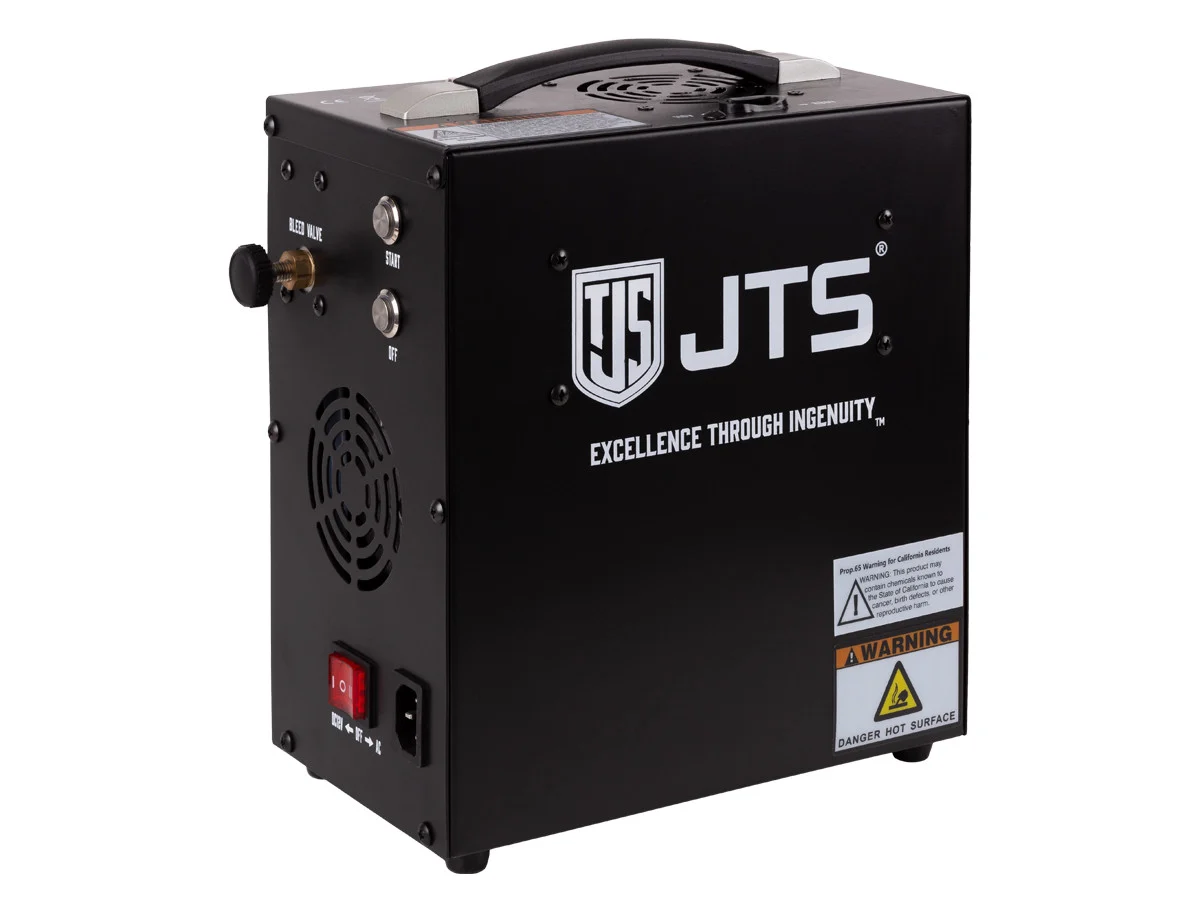
JTS COMP1 Portable PCP Compressor

€350.00
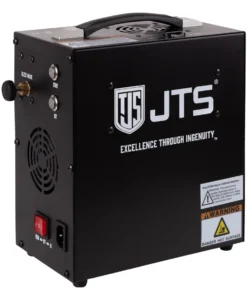
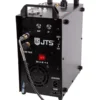
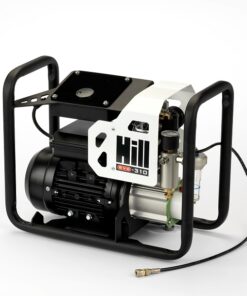
The JTS COMP1 Portable PCP Compressor makes it quick and simple to fill PCP airguns because it has a variety of convenient and flexible features. With its light weight and compact form, it provides an effective replacement for hand pumps that take a lot of effort and bottles that need to be filled ahead of time and offer limited refills.
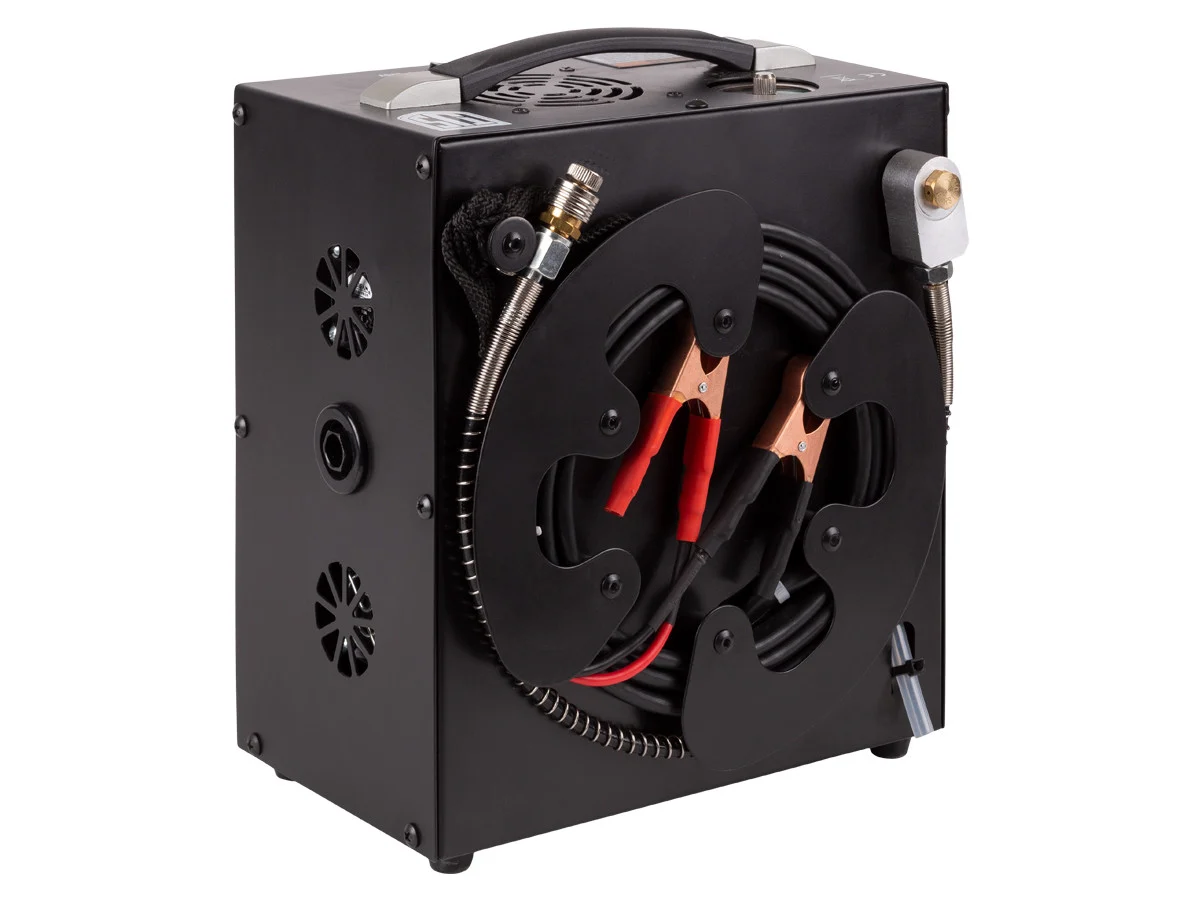
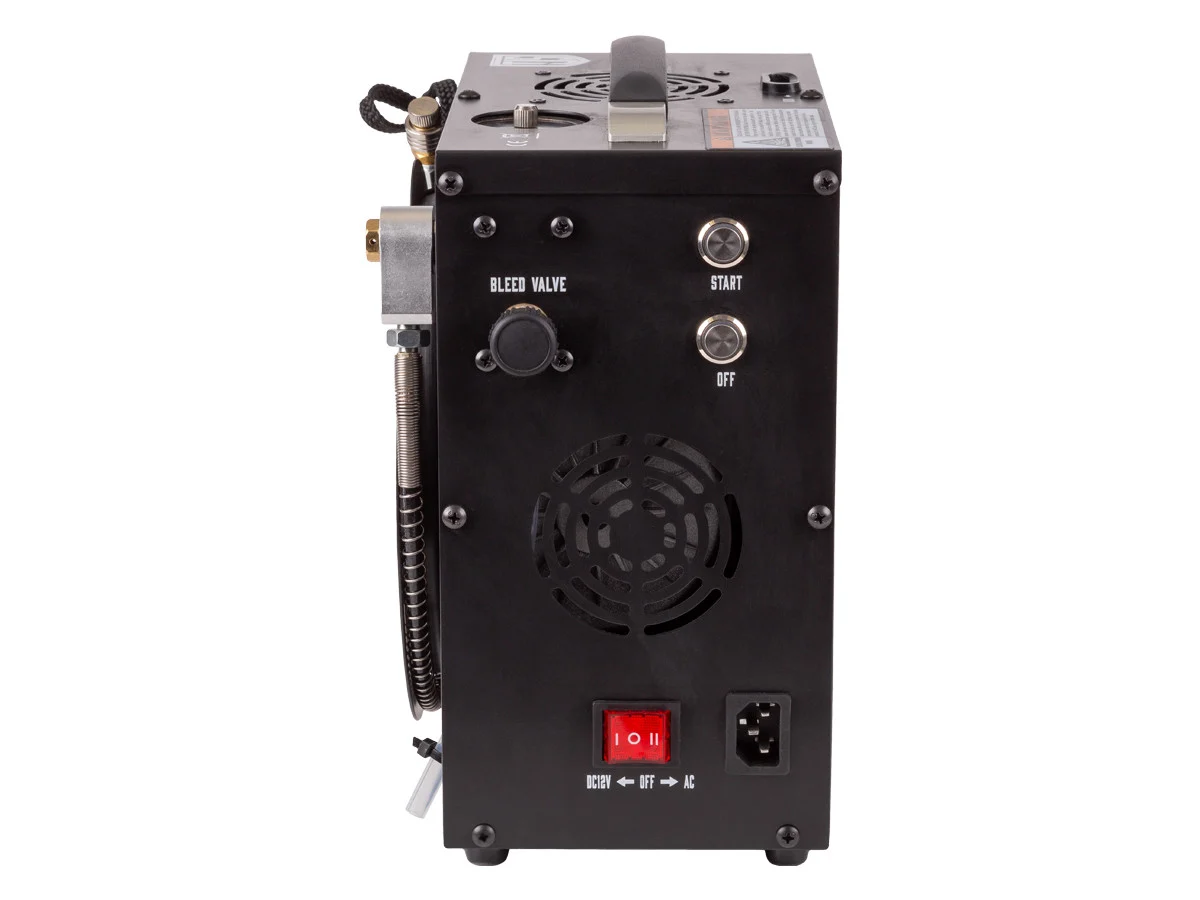
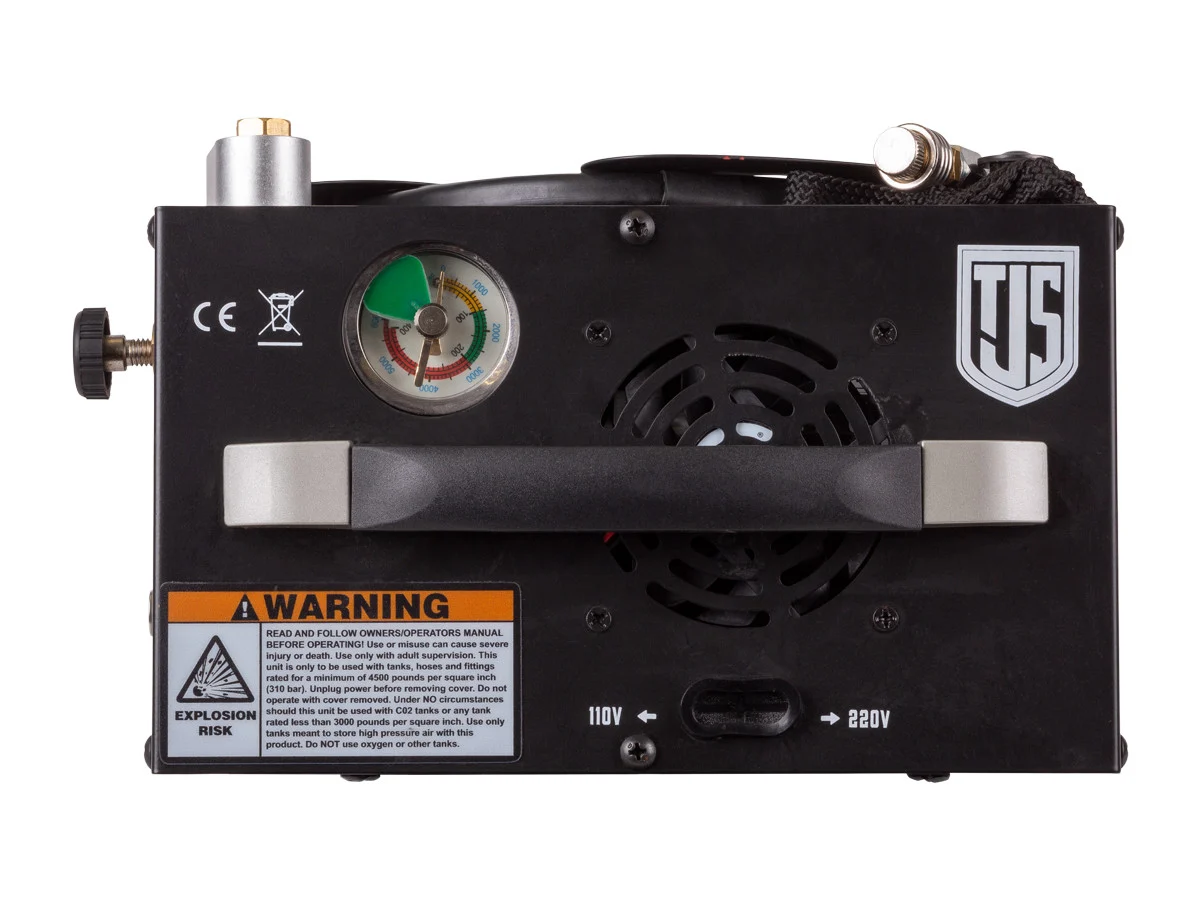
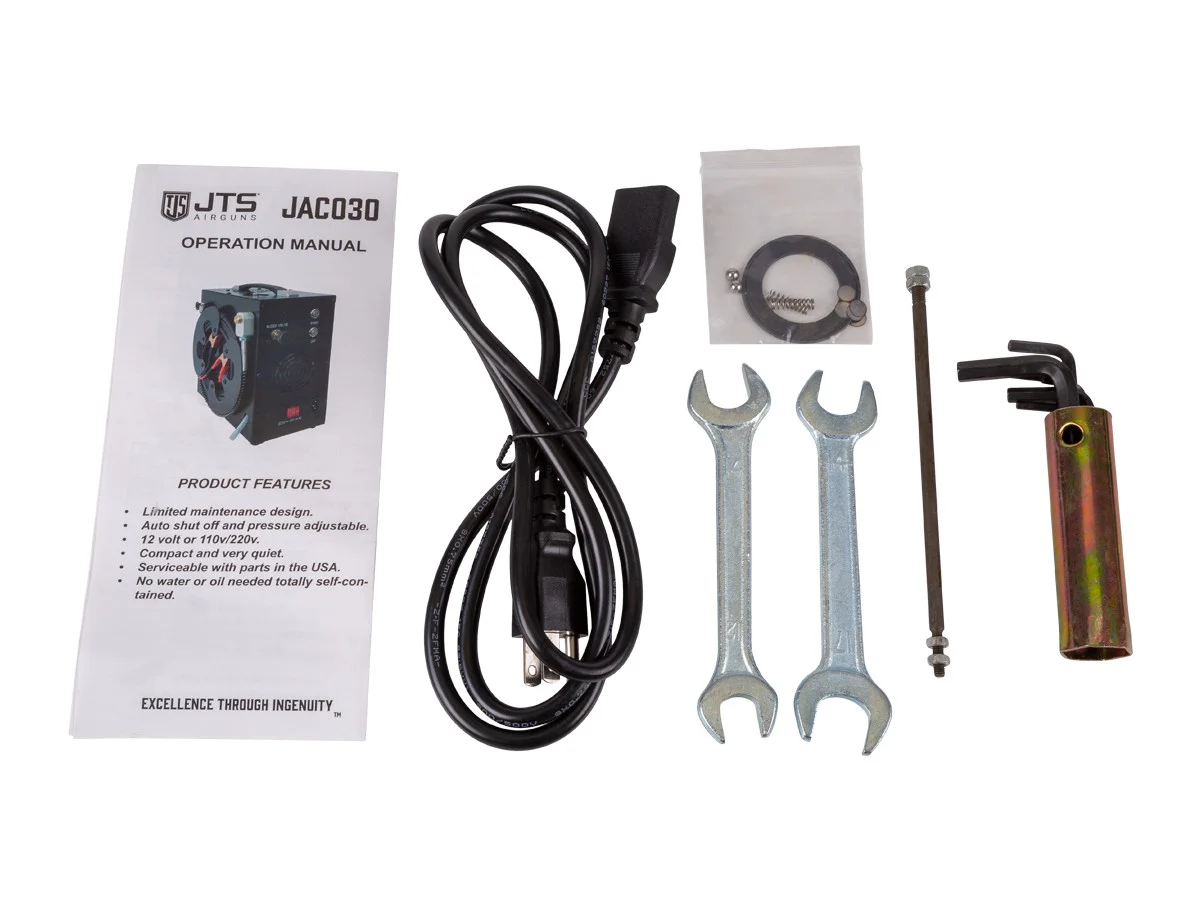
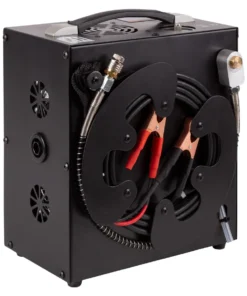
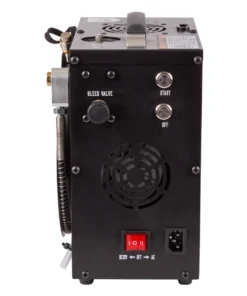
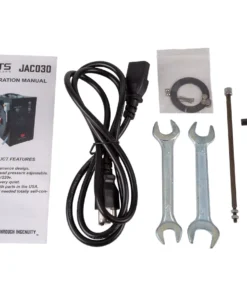
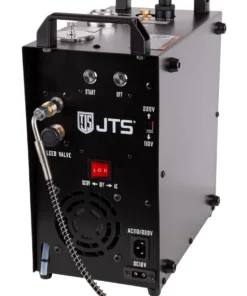
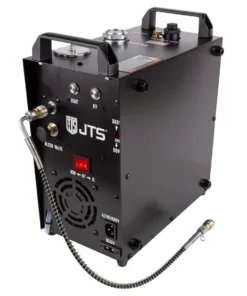
This compressor can use either 110V/220V power from a standard outlet or 12V power from an automotive battery, and it includes jumper cables stored on the rear of the unit to provide ease of use when in the field. In addition, it has a maximum fill pressure of up to 4,500 PSI and it includes an adjustable auto-shutoff setting that stops filling the airgun once it reaches the set pressure.
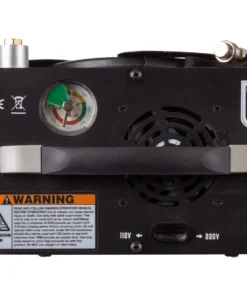
The JTS COMP1 Compressor reduces maintenance requirements because it does not need oil to be added or changed, and it uses a moisture filter and a built-in water separator to provide high-quality air. It also utilizes a thermal dissipation system with high-flow fan cooling that reduces the overall temperature of the unit and its components, which leads to longer run times.
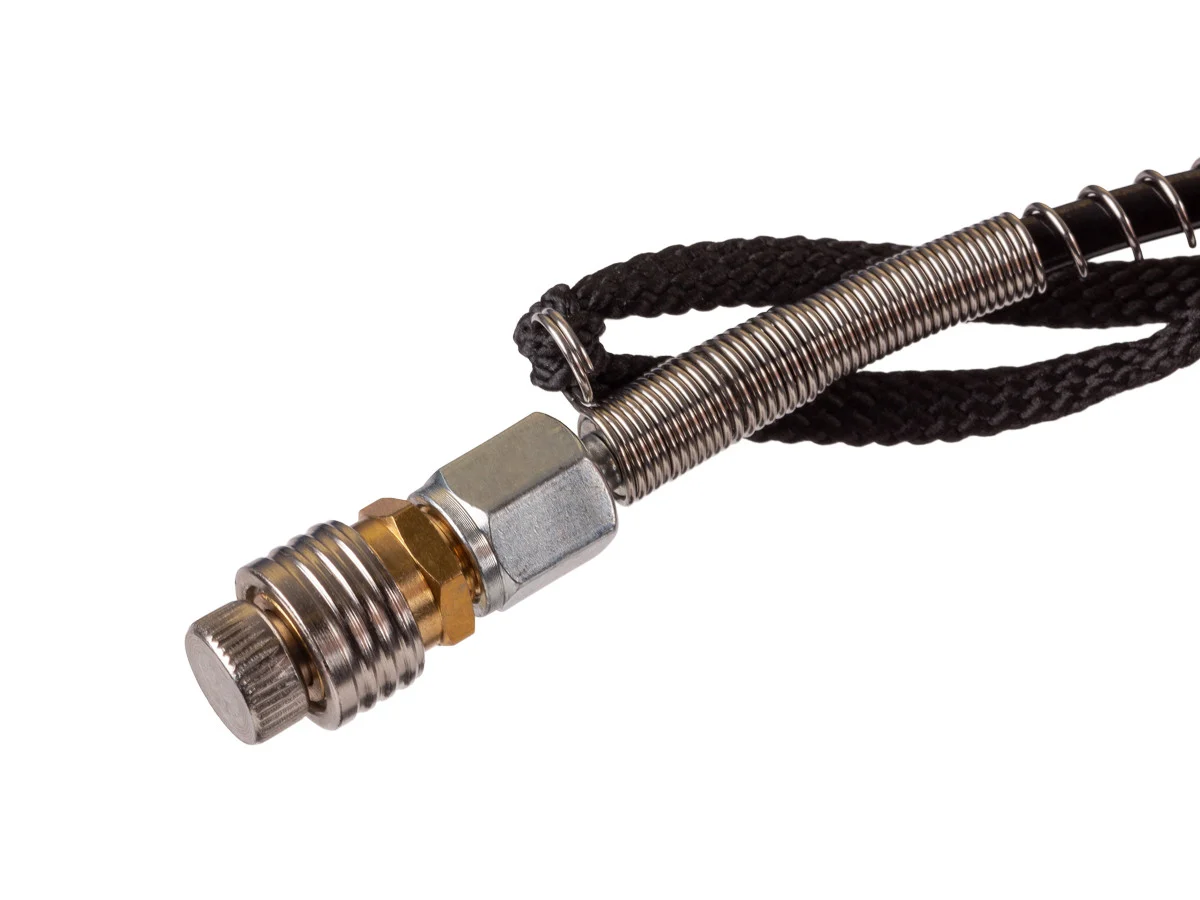
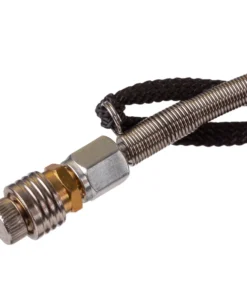
In addition, this compressor features a sealed needle-style roller bearing on the crankshaft for increased efficiency and durability without adding unnecessary bulk. The unit includes the fill hose on the rear with a convenient cord wrap for storage and transportation, as well as a carrying handle on the top.
To get a versatile and reliable compressor to fill high-pressure airguns, buy a JTS COMP1 Portable PCP Compressor from Pyramyd AIR today.
Helpful resources:
- Tips for buying a pcp compressor
JTS COMP1 Portable PCP Compressor
- Max. pressure: up to 4,500 PSI
- Adjustable auto-shutoff
- Power source: 12V car battery or 110V/220V outlet
- Moisture filter
- Compressor includes carrying handle
- Thermal dissipation system with high-flow fan cooling
- No oil required
- Built-in water separator
- Jumper cables included
- Includes fill hose
- Sealed needle-style crankshaft roller bearing
- Dimensions: 10.5 x 5.5 x 5.5
Specifications
BrandJTS Airguns
Weight20.0 lbsOperating Pressure4500 PSI / 310 BARRecommended To FillGuns OnlyAuto Shut OffYesInput Voltage AC120 vInput Voltage DC12 vPower Source110V, 220V, or 12V
JTS COMP1 Portable PCP Compressor | Compact High-Pressure Air Filling Solution for PCP Airgun Enthusiasts
JTS COMP1 Portable PCP Compressor Features, Compatibility, and Buyer Guide
Why Choose the JTS COMP1 Portable PCP Compressor?
The main reason shooters choose a portable compressor is flexibility. A compact filling solution allows users to maintain their equipment in different locations without being restricted to fixed filling stations.
For shooters using advanced platforms such as the Air Venturi Alpha, Air Venturi Alpha PCP Rifle, and Air Venturi Alpha Air Rifle, dependable air management is essential for maintaining consistent performance.
The JTS COMP1 Portable PCP Compressor provides a convenient option for users who want greater independence, easier preparation, and reliable operation.
Supporting Modern PCP Airgun Platforms
Modern PCP systems have become increasingly popular because of their smooth shooting characteristics, efficiency, and accuracy potential.
The compressor supports users operating equipment such as:
- Air Venturi Alpha Hunting Rifle
- Air Venturi Alpha Tactical PCP
- Air Venturi Alpha Regulated PCP
- Air Venturi Alpha Multi Shot Rifle
- Air Venturi Alpha Precision Air Rifle
These systems depend on properly managed compressed air to maintain reliable performance.
How Does a Portable PCP Compressor Work?
A portable PCP compressor works by drawing in atmospheric air and compressing it into a high-pressure storage system or compatible reservoir.
The compression process increases air density, allowing pneumatic equipment to store the energy required for operation.
Unlike manual filling methods, a powered compressor reduces physical effort and provides a more convenient approach for users who frequently prepare their equipment.
Understanding Air Venturi Compatibility
The term air venturi is widely recognized among PCP airgun enthusiasts because of its extensive range of airguns, accessories, and support equipment.
Many users search for products related to:
- air venturi avenger
- airventuri
- air venturi avenger
- air venturi avenge
- air ventur avenge
- air venturi compressor
- venturi air
- air venturi air compressor
because these products are commonly associated with modern PCP shooting systems.
A dependable compressor provides valuable support for maintaining air-powered equipment.
Importance of Proper Air Management
PCP airguns rely on stored compressed air rather than traditional mechanical systems. As a result, maintaining a proper air supply is an important part of achieving consistent performance.
Equipment such as:
- air rifle and air pistol
- pcp airguns
- pcp air rifles
- air bolt gun
requires efficient air management.
A reliable compressor helps shooters maintain equipment readiness and enjoy smoother shooting sessions.
Supporting High-Power Airgun Platforms
Some airgun systems require increased air capacity because of their power output and performance requirements.
Examples include:
- dragon claw
- seneca dragon claw
- 50 caliber dragon
- claw air gun
- Seneca air rifles
These platforms benefit from dependable filling equipment capable of supporting their air requirements.
A portable compressor provides users with a practical method of maintaining powerful pneumatic systems.
How Good Is the JTS COMP1 Portable PCP Compressor?
A high-quality portable compressor should provide a balance between performance, convenience, and reliability.
Important characteristics include:
- Compact construction
- Efficient operation
- Reliable air delivery
- Practical transportation
- Easy equipment preparation
The JTS COMP1 Portable PCP Compressor is designed for users who need a flexible and dependable filling solution.
Comparing Portable Compressors With Other Options
Users often compare portable compressors with different filling solutions depending on their needs.
Related equipment includes:
- air venturi rovair 4500 portable compressor
- air venturi rovair
- air venturi pcp compressor
- air rifle compressor
- ventur air compressor
Portable compressors are often preferred by shooters who travel or operate in multiple locations because they provide greater mobility.
Supporting Air Tanks and Storage Equipment
Many PCP users also utilize air storage solutions to improve convenience.
Related products include:
- air venturi tank
- air venturi air tank
- air venturi omnistorm
These systems allow users to store compressed air for future use.
A dependable compressor helps maintain air availability and supports better equipment preparation.
When and Where Should You Use the JTS COMP1 Portable PCP Compressor?
The compressor is suitable for:
- Home shooting areas
- Outdoor shooting locations
- Private ranges
- Training environments
- Mobile shooting setups
Its portable design makes it useful wherever flexibility and convenience are important.
Important Buying Considerations
Before choosing a portable compressor, users should consider:
- Equipment compatibility
- Required pressure capability
- Frequency of use
- Storage requirements
- Maintenance expectations
Selecting the correct system helps users achieve better satisfaction and long-term value.
Related Airgun Equipment and Accessories
Many enthusiasts also research:
- air venturi microstrike
- air venturi avenger 25
- avenger price
- air venturi
- air venturi compressor
These searches demonstrate the connection between reliable air management and modern PCP equipment.
Final Overview of the JTS COMP1 Portable PCP Compressor
The JTS COMP1 Portable PCP Compressor provides PCP airgun users with a convenient, compact, and dependable filling solution.
By supporting modern pneumatic platforms and improving air management flexibility, it allows shooters to maintain their equipment more efficiently.
For enthusiasts who value portability, reliability, and practical operation, this compressor represents an important addition to a complete PCP shooting setup.
Advanced Engineering, Performance Characteristics, Proper Usage, and Real-World Experience
Designed for Reliable Portable Performance
A portable filling system must combine efficiency, durability, and convenience to meet the expectations of modern users. The design focuses on creating a practical balance between mobility and dependable operation.
Unlike larger fixed systems, a compact solution provides greater freedom because it can be transported easily and used in different environments.
The ability to prepare equipment wherever needed makes portability one of the most valuable advantages of this type of system.
Understanding Compression Technology
Compression technology works by transforming surrounding air into a concentrated high-pressure supply. This process requires careful control, strong components, and precise engineering.
The system is designed to manage air movement, pressure changes, and operating stability during use.
A well-developed compression process helps maintain smooth operation while reducing unnecessary stress on internal components.
Importance of Stable and Consistent Operation
Consistency is essential when preparing equipment for regular use. A dependable system should provide predictable performance and reliable operation throughout repeated sessions.
Important performance qualities include:
- Smooth operation
- Efficient preparation
- Stable performance
- Practical handling
- Dependable results
Consistent operation allows users to focus on their activities with greater confidence.
Engineering Focus on Safety and Durability
High-pressure equipment requires careful attention to safety and construction quality.
A properly designed system should focus on:
- Controlled operation
- Durable materials
- Reliable components
- Proper monitoring
- Responsible user practices
These elements help protect the equipment while supporting long-term reliability.
Advantages of Portable Design
Portability provides significant benefits for users who operate in different environments.
A compact system can be valuable for:
- Outdoor activities
- Travel situations
- Field locations
- Private shooting areas
- Flexible equipment setups
The ability to transport and operate equipment more easily creates additional convenience.
Improving Efficiency During Regular Use
Efficiency becomes increasingly important for users who prepare their equipment frequently.
A practical system helps reduce unnecessary preparation time through:
- Simple operation
- Organized setup
- Consistent procedures
- Easy accessibility
- Reliable performance
Better efficiency allows users to spend more time focused on their primary activities.
Building User Confidence Through Familiarity
Confidence develops as users become more familiar with their equipment.
With experience, users learn how to:
- Prepare equipment correctly
- Recognize normal operation
- Maintain proper care
- Improve workflow
- Manage routine procedures
This familiarity creates a smoother and more enjoyable experience.
Real-World Applications
Portable systems are useful in many practical situations where flexibility is important.
Common applications include:
- Personal shooting environments
- Training locations
- Outdoor sessions
- Mobile setups
- Backup preparation needs
Their practical design allows users to maintain independence in various situations.
Proper Operating Methods
Correct operation plays an important role in maintaining performance and extending service life.
Users should focus on:
- Following recommended procedures
- Checking equipment before use
- Avoiding unnecessary stress
- Maintaining clean connections
- Monitoring operation carefully
Responsible operation helps preserve reliability.
Maintenance for Long-Term Reliability
Regular maintenance supports consistent performance and protects equipment condition.
General maintenance practices include:
- Cleaning surfaces
- Inspecting important areas
- Checking for changes
- Protecting components
- Following service recommendations
A consistent care routine helps maintain dependable operation over time.
Storage and Environmental Protection
Proper storage helps protect equipment from conditions that may affect reliability.
The system should be stored in an environment that reduces exposure to:
- Moisture
- Dust
- Extreme temperatures
- Accidental impacts
Good storage practices preserve equipment condition and improve readiness.
Transportation and Handling Considerations
Portable equipment is designed for movement, but careful handling remains important.
During transportation, users should ensure:
- Components are protected
- Equipment is secured properly
- Unnecessary impacts are avoided
- Storage methods are appropriate
Careful transportation helps maintain long-term quality.
Supporting Different User Requirements
Every user has different expectations depending on experience, frequency of use, and intended application.
Some users may prioritize mobility, while others may focus on regular operation and convenience.
A flexible system allows users to create an approach that matches their personal needs.
Long-Term Ownership Benefits
A dependable portable system provides value through years of responsible use.
When combined with proper maintenance, careful handling, and good operating habits, it can remain a valuable part of an equipment setup.
The combination of practical design and responsible ownership creates a reliable long-term solution.
Ownership Guide, Care Procedures, Setup Preparation, and Long-Term Maintenance
Establishing a Proper Maintenance Routine
Responsible ownership begins with developing a consistent maintenance routine. Regular attention helps preserve equipment condition, maintain reliability, and extend service life.
A good routine includes understanding the equipment, following recommended procedures, and completing regular checks before and after operation.
Consistent maintenance ensures that the system remains dependable whenever it is needed.
Preparing Before Each Use
Proper preparation helps create a smoother and safer operating experience.
Before use, users should:
- Inspect the overall condition
- Check important connection areas
- Confirm proper setup
- Ensure the working environment is suitable
- Review operating procedures
Taking these steps helps prevent unnecessary interruptions and improves confidence.
Responsible Handling Practices
Careful handling is essential for protecting equipment quality. Avoiding unnecessary impacts and using the system correctly helps reduce wear over time.
Users should handle all components with attention and avoid applying excessive force during operation.
Responsible handling contributes to better reliability and longer service life.
Regular Inspection and Monitoring
Routine inspections allow users to identify possible concerns early.
Important areas to monitor include:
- External condition
- Moving components
- Connection points
- Operating behavior
- Signs of wear
Regular observation helps maintain performance and allows users to respond quickly when changes occur.
Cleaning and General Care
Keeping equipment clean is an important part of ownership.
Dust, dirt, and environmental exposure can gradually influence performance if they are not managed properly.
A suitable cleaning routine should focus on:
- Maintaining clean surfaces
- Protecting important components
- Preventing unnecessary buildup
- Preserving overall condition
Simple care practices can greatly improve long-term reliability.
Protecting Equipment From Environmental Conditions
Environmental factors can influence equipment over time. Moisture, temperature changes, and poor storage conditions may affect reliability.
To maintain quality, users should protect equipment from:
- Excessive humidity
- Dust accumulation
- Harsh environments
- Unnecessary exposure
Proper protection helps preserve functionality and appearance.
Correct Storage Practices
Storage plays an important role in maintaining equipment condition.
When not in use, the system should be kept in a secure, clean, and dry location.
Proper storage helps:
- Prevent damage
- Maintain readiness
- Reduce unnecessary wear
- Improve organization
A suitable storage environment supports long-term performance.
Maintaining a Suitable Workspace
A well-organized workspace improves efficiency and safety.
An ideal working area should provide:
- Adequate space
- Stable positioning
- Good organization
- Easy access to necessary items
- Reduced distractions
A prepared environment makes operation easier and more convenient.
Transportation and Equipment Protection
Moving equipment requires careful planning. Transportation can expose components to movement and accidental impacts.
Users should ensure that equipment is:
- Properly secured
- Protected during movement
- Handled carefully
- Stored appropriately
Good transportation habits help maintain equipment quality.
Developing Good Operating Habits
Consistent habits improve equipment management and user confidence.
Good habits include:
- Completing regular checks
- Following proper procedures
- Maintaining cleanliness
- Avoiding improper use
- Performing routine care
These actions contribute to dependable long-term operation.
Recognizing Changes During Operation
Users should pay attention to any changes from normal behavior.
Unexpected sounds, unusual operation, or noticeable differences may indicate that inspection is required.
Recognizing these changes early allows users to take appropriate action and prevent larger concerns.
Professional Maintenance and Support
Some technical procedures require specialized knowledge.
When issues occur beyond normal care, professional assistance may be necessary.
Qualified support can provide:
- Detailed evaluation
- Technical inspection
- Proper servicing
- Expert recommendations
Knowing when to seek assistance is an important part of responsible ownership.
Extending Equipment Service Life
Long-term reliability depends on consistent care and responsible operation.
Regular inspection, proper storage, careful handling, and appropriate maintenance all contribute to extending service life.
The attention invested in maintenance often results in better performance and greater satisfaction.
Responsible Long-Term Ownership
A quality portable system provides the greatest value when it receives proper care throughout its lifetime.
Responsible ownership includes regular maintenance, safe operation, and commitment to recommended procedures.
By developing strong habits and protecting the equipment, users can enjoy dependable performance and reliable operation for many years.
Maximizing Performance, User Experience, and Long-Term Equipment Value
Building Confidence Through Experience
A dependable equipment system becomes more valuable as users gain experience and develop a deeper understanding of how it operates. Over time, familiarity allows users to complete preparation tasks more efficiently and recognize normal operating conditions.
This confidence helps users manage their equipment with greater ease and creates a more enjoyable ownership experience.
The combination of experience, proper care, and responsible use contributes to long-term satisfaction.
Improving Efficiency Through Better Preparation
Effective preparation is an important part of achieving consistent results. A structured approach helps reduce unnecessary delays and allows users to complete tasks more smoothly.
Good preparation practices include:
- Organizing equipment before use
- Maintaining a clean workspace
- Checking important areas regularly
- Following established procedures
- Keeping accessories properly arranged
A prepared approach improves convenience and reliability.
Developing Strong Ownership Habits
Long-term performance depends greatly on the habits created by the owner.
Responsible habits include:
- Handling equipment carefully
- Completing routine inspections
- Maintaining cleanliness
- Following recommended methods
- Addressing concerns early
These habits help protect equipment and support dependable operation.
Creating an Efficient Setup Environment
A well-organized environment improves workflow and makes regular use easier.
An effective setup allows users to:
- Access equipment quickly
- Maintain better organization
- Reduce unnecessary movement
- Improve preparation efficiency
A clean and structured area supports better equipment management.
Understanding Equipment Behavior Over Time
Equipment characteristics can change gradually depending on usage, maintenance, and environmental conditions.
Regular observation helps users understand normal operation and identify when additional attention may be necessary.
This awareness allows owners to make informed decisions and maintain better reliability.
Supporting Different User Requirements
Every user has different expectations based on their experience, routine, and intended application.
Some users may focus on portability and convenience, while others may prioritize frequent operation and long-term dependability.
Understanding personal requirements helps users create a system that matches their goals.
Protecting Long-Term Equipment Investment
Quality equipment represents a valuable investment that should be protected through responsible ownership.
Owners can preserve value by:
- Maintaining proper care routines
- Avoiding unnecessary damage
- Completing regular inspections
- Protecting equipment during storage
- Following recommended practices
These actions help maintain condition and extend usefulness.
Continuing Knowledge Development
Learning continues throughout ownership. Users can improve their understanding through experience, research, and regular interaction with their equipment.
Greater knowledge helps users:
- Operate more effectively
- Recognize changes quickly
- Improve preparation methods
- Make better decisions
Continuous improvement creates a more rewarding experience.
The Importance of Preventative Attention
Preventative attention helps reduce unexpected issues by identifying possible concerns early.
Regular checks, responsible maintenance, and careful observation contribute to dependable performance.
A proactive approach is often more effective than waiting until problems appear.
Establishing a Reliable Long-Term Routine
Consistency creates better results over time. Users who maintain similar preparation, operation, and care routines develop stronger familiarity.
This familiarity improves efficiency and reduces uncertainty.
A reliable routine becomes an important part of successful ownership.
Preparing for Future Use
Good ownership involves considering future requirements. The care provided today influences how effectively equipment performs later.
Protecting components, maintaining condition, and following proper procedures help ensure continued reliability.
Future performance is supported by consistent attention and responsible decisions.
Responsible Equipment Management
The true value of quality equipment is achieved through responsible management.
Careful operation, regular maintenance, and thoughtful handling allow users to enjoy dependable service over an extended period.
Equipment quality and ownership practices work together to create the best possible experience.
Final Thoughts
A reliable portable system provides flexibility, convenience, and long-term value when it is properly managed.
By developing good habits, maintaining equipment carefully, and continuing to improve knowledge, users can maximize performance and protect their investment.
A strong ownership approach ensures that the equipment remains a dependable and valuable part of their setup for many years.
Frequently Asked Questions, Practical Guidance, and Final Ownership Considerations
What Is the Main Advantage of a Portable System?
The main advantage of a portable system is flexibility. Users can maintain their equipment in different locations without being limited to a fixed setup.
This provides greater independence and convenience, especially for users who value mobility and easy preparation.
A dependable portable solution allows users to create a more efficient routine.
Who Can Benefit From This Type of Equipment?
This type of equipment is suitable for users who want a practical and convenient approach to maintaining their setup.
It can benefit:
- Recreational users
- Experienced enthusiasts
- Outdoor users
- Private location users
- Individuals who value independence
The greatest benefit comes from having a reliable solution available whenever it is required.
How Does Regular Care Improve Reliability?
Regular care helps preserve performance and extend service life.
By inspecting equipment, maintaining cleanliness, and following recommended procedures, users can reduce unnecessary wear and identify potential concerns early.
A consistent care routine supports dependable operation over time.
Why Is Proper Storage Important?
Proper storage protects equipment from conditions that may affect performance.
A suitable storage environment helps reduce exposure to:
- Moisture
- Dust
- Temperature changes
- Accidental damage
Good storage practices help maintain condition and ensure readiness for future use.
How Can Users Improve Their Experience?
Users can improve their experience by developing good habits and understanding their equipment.
Helpful practices include:
- Preparing correctly before use
- Maintaining an organized workspace
- Performing regular inspections
- Following recommended procedures
- Learning from experience
A thoughtful approach creates better efficiency and confidence.
What Should Be Considered Before Purchase?
Before choosing equipment, users should evaluate their specific requirements.
Important factors include:
- Intended use
- Frequency of operation
- Available space
- Maintenance expectations
- Long-term goals
Selecting equipment that matches personal needs helps create greater satisfaction.
How Does Experience Improve Equipment Management?
Experience allows users to become more efficient and confident.
Over time, users develop a better understanding of operation, maintenance, and normal equipment behavior.
This knowledge helps them recognize changes and make better decisions.
What Are the Benefits of Responsible Ownership?
Responsible ownership helps protect equipment and improve long-term value.
Benefits include:
- Longer service life
- Better reliability
- Improved confidence
- Reduced unexpected issues
- Greater overall satisfaction
Proper care ensures equipment continues providing value over time.
How Important Is Safety Awareness?
Safety awareness is essential when working with high-pressure equipment.
Users should always:
- Follow recommended instructions
- Inspect equipment regularly
- Maintain proper surroundings
- Avoid improper handling
- Use appropriate procedures
A responsible approach protects both the user and the equipment.
Can Proper Maintenance Extend Equipment Life?
Yes, proper maintenance can significantly contribute to extending service life.
Regular inspections, careful handling, and suitable storage reduce unnecessary stress on components.
Equipment that receives consistent attention is more likely to remain reliable for many years.
How Can Users Maintain Consistent Results?
Consistency comes from developing reliable habits.
Users can improve consistency by:
- Following similar preparation steps
- Monitoring equipment condition
- Maintaining proper care
- Learning through experience
A disciplined approach creates a more predictable experience.
When Should Professional Assistance Be Considered?
Professional assistance should be considered when technical concerns appear beyond normal maintenance.
Qualified support can help with:
- Detailed evaluations
- Specialized servicing
- Technical inspections
- Complex issues
Seeking expert assistance when necessary helps protect equipment.
What Makes Long-Term Ownership Successful?
Successful ownership comes from combining quality equipment with responsible management.
Important factors include:
- Proper maintenance
- Safe operation
- Regular inspection
- Good storage habits
- Continued learning
These elements work together to create a positive ownership experience. pcp air rifles
Final Ownership Advice
A dependable portable system can provide years of reliable service when it is properly maintained and responsibly used.
The best results come from combining careful operation, regular care, and a strong understanding of the equipment.
By protecting the investment and developing good habits, users can enjoy greater convenience, confidence, and long-term satisfaction throughout the life of the system.
Be the first to review “JTS COMP1 Portable PCP Compressor”
Related products


compressor

compressor
compressor
Reviews
There are no reviews yet.