
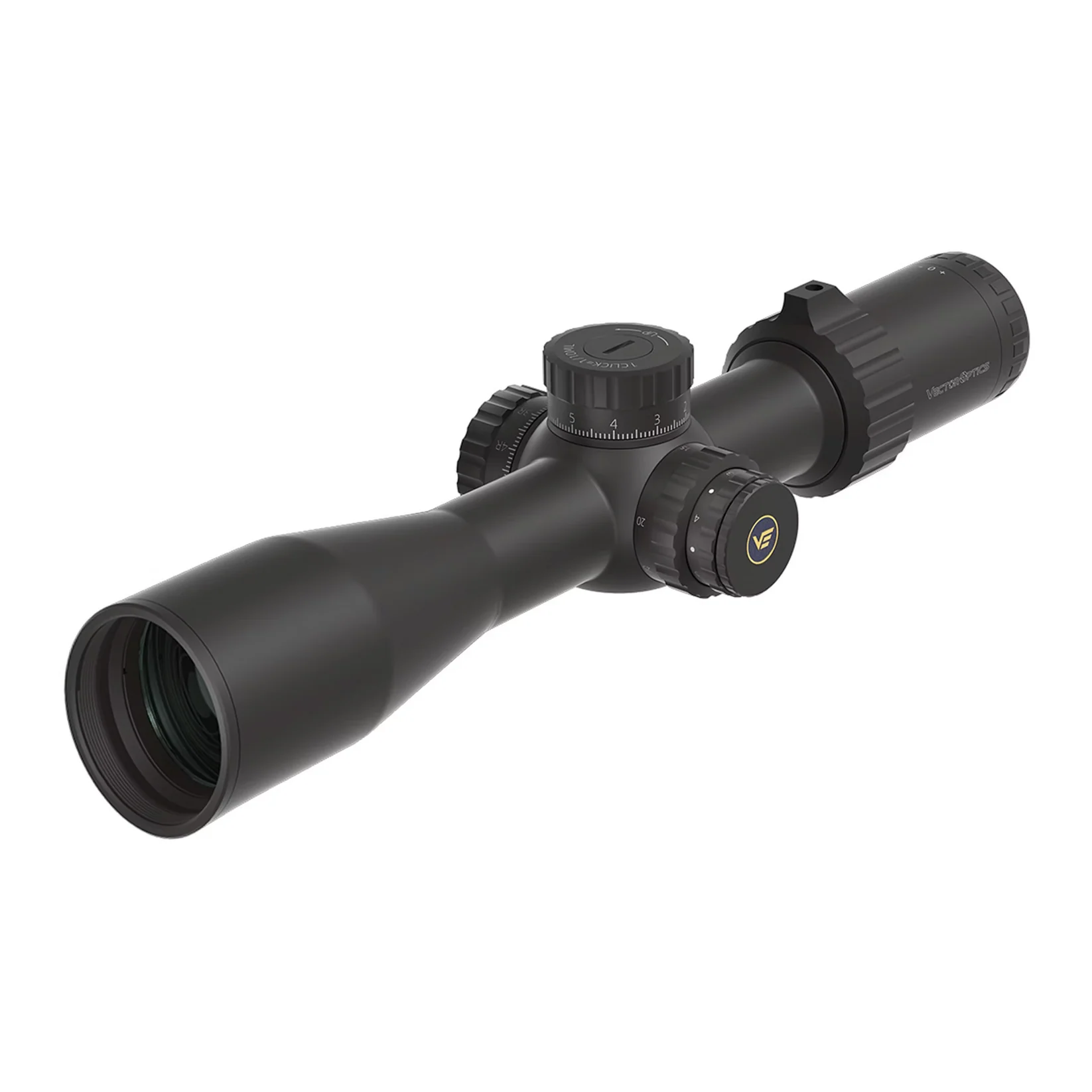
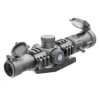
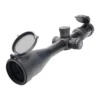
Vector Optics Tauron Compact 6-24×50 FFP 34mm Scope
€289.00
Vector Optics Tauron Compact 6-24×50 FFP 34mm Scope
Precision in a More Compact Package
The Tauron Compact is a scaled-down, no-compromise first focal plane scope designed for long-range target shooting, pest control, and tactical applications. Built around a 34mm main tube and equipped with the VTA-3 MIL reticle, this 6-24×50 scope delivers a refined mix of precision, practicality, and durability—making it a serious piece of kit for anyone who shoots beyond the 100m mark.
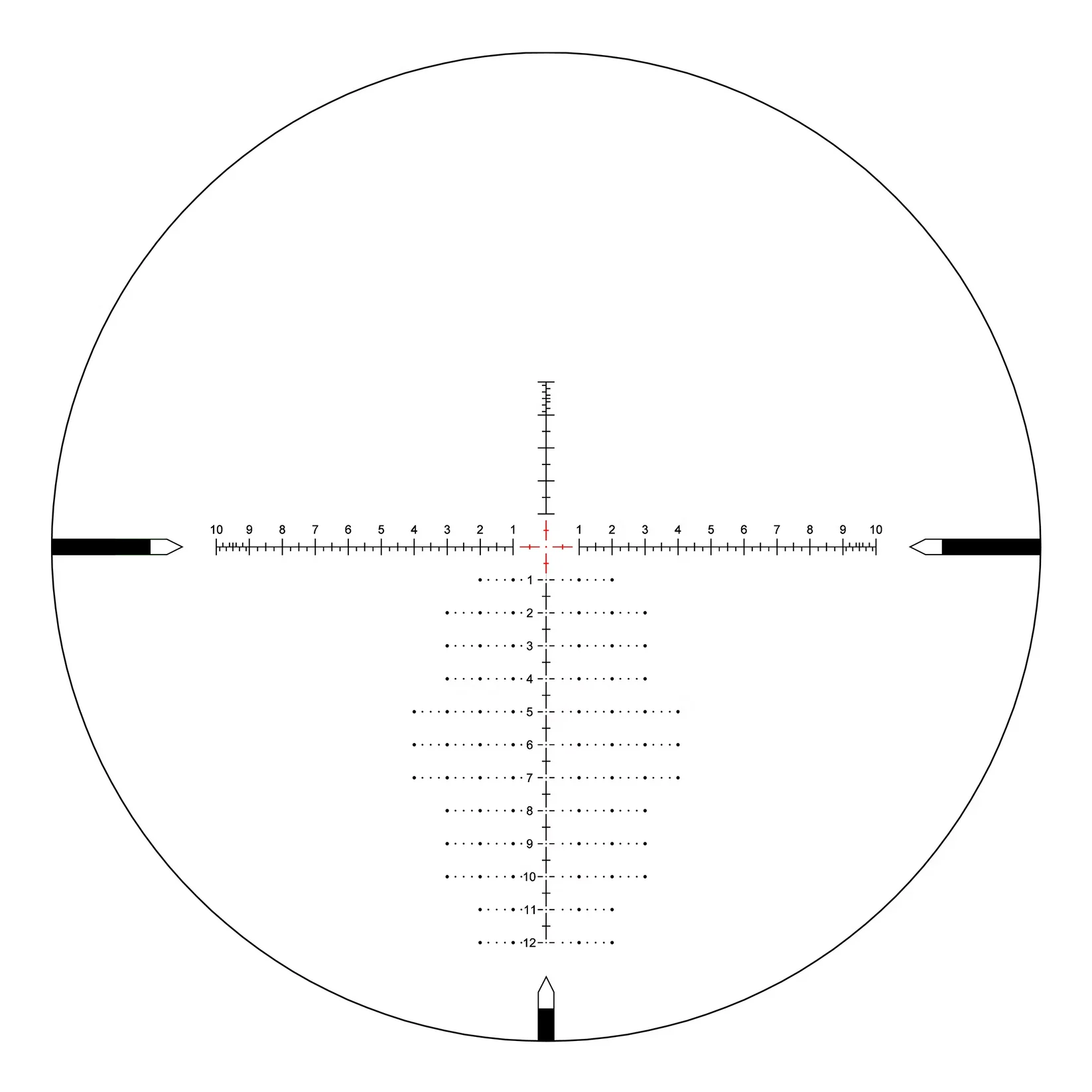
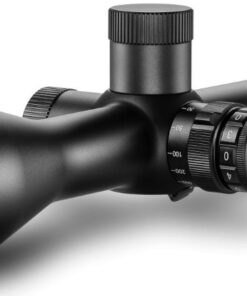
Despite its shorter length, the Tauron Compact features a full Zero Stop turret system, 6-level illumination, and a smooth side parallax adjustment from 10 yards to infinity. The VTA-3 MIL FFP reticle has a 0.04 MIL center dot for ultra-fine holdover precision, even at 24x magnification.
The glass itself is what you’d expect from Vector Optics’ premium line: LaREE HD lenses, fully multi-coated, offering a crisp, bright image edge to edge. And as you’d expect, it’s IP67 waterproof, nitrogen-purged, and recoil-rated to 1000G.
Key Features:
- 6–24x Magnification with FFP VTA-3 MIL Reticle – Holdovers stay accurate at all zoom levels
- LaREE HD Glass with Fully Multi-Coated Lenses – Clean, sharp, and bright image clarity
- Zero Stop Elevation Turrets – Return to your zero point quickly and confidently
- Side Parallax Adjustment – Focus from 10 yards to infinity
- 6-Level Red Illumination – Ideal for low light or high-contrast conditions
- Turret Lock – Prevent accidental adjustments in the field
- IP67 Waterproof, Nitrogen Purged, and 1000G Shockproof – Built for hard use
- Compact Body at Just 355mm Long – Ideal for lighter setups or tight mounting spaces
Specifications:
- Magnification: 6–24x
- Objective Lens Diameter: 50mm
- Focal Plane: First Focal Plane (FFP)
- Reticle: VTA-3 MIL
- Eye Relief: 95mm / 3.74″
- Tube Diameter: 34mm
- Side Focus / Parallax: 10 yards to Infinity
- Click Value: 1/10 MIL
- Elevation Adjustment Range: ≥ 23 MIL
- Windage Adjustment Range: ≥ 15 MIL
- Diopter Adjustment: -2 to +2
- Illumination: 6 Gears with On/Off Switch
- Battery Type: CR2032 (not included)
- Lens Coating: Fully Multi-Coated
- Linear Field of View @ 100 Yards: 20.9 – 5.2 ft
- Linear Field of View @ 100 Meters: 6.98 – 1.75 m
- Angular Field of View: 4° – 1°
- Finish: Matte Black
- Housing Material: 6061-T6 Aluminium Alloy
- Length: 355mm / 14.0″
- Weight: 974g / 34.4oz
- Waterproof Rating: IP67
- Shockproof Rating: 1000G
-
Fogproof: Nitrogen Filled
Vector Optics Tauron Compact 6-24×50 FFP 34mm Scope – Premium LaREE HD Glass, First Focal Plane Reticle, Illuminated Optics and Precision Engineering
Vector Optics Tauron Compact 6-24×50 FFP 34mm Scope – Advanced Optical Technology and Premium Manufacturing
The Vector Optics Tauron Compact 6-24×50 FFP 34mm Scope combines high-definition optical engineering, advanced mechanical construction, and contemporary industrial technology within a premium sporting optical instrument.
Developed as part of the manufacturer’s Tauron collection, this model incorporates a LaREE HD optical system, fully multi-coated lenses, and a first focal plane reticle.
Furthermore, its 6–24x magnification range provides a fourfold zoom ratio, while the 50mm objective lens contributes to the instrument’s light-gathering characteristics.
The substantial 34mm main tube features precision-manufactured 6061-T6 aluminum alloy construction and a matte-black exterior finish.
Additionally, the instrument incorporates an illuminated etched-glass reticle, adjustable side focus, specialized mechanical turrets, and a zero-stop assembly.
The documented Gen II configuration includes a locking windage turret and an elevation revolution indicator.
Consequently, the design combines advanced lens materials with sophisticated mechanical engineering.
However, actual image quality depends on available light, environmental conditions, optical cleanliness, and individual eyesight.
For customers evaluating premium sporting optics, the instrument offers a distinctive combination of optical craftsmanship, durable materials, and modern manufacturing technology.
High-Definition Glass and Advanced Lens Coatings
The LaREE HD optical system incorporates carefully manufactured glass elements and fully multi-coated surfaces.
Furthermore, the lens treatments help reduce unwanted reflections and support the manufacturer’s intended contrast and image clarity.
The optical architecture also includes a side-focus mechanism and diopter adjustment.
However, sophisticated glass technology cannot guarantee identical visual performance under every condition.
Environmental haze, changing illumination, and individual eyesight may affect perceived sharpness.
First Focal Plane Construction and Mechanical Features
The first focal plane arrangement allows the reticle’s apparent size to change alongside the magnified image.
Additionally, the documented MIL configuration includes a VTA-3 etched-glass reticle with six levels of red illumination.
A separate MOA configuration is available with a VTA-4 pattern.
Both versions incorporate modern mechanical controls, although their adjustment specifications differ.
Consequently, buyers should identify the correct model reference before purchasing.
Optical Retailers, Mounting Systems and Accessory Terminology
Related searches include optics warehouse, optic warehouse, red dot uk, picatinny, picatinny dimensions, 1913 rail, what is a picatinny rail, and scope mount.
Additional research includes difference between weaver and picatinny rail, parker hale scope rings for sale, bipod for rifle, and best rifle bipod for long range shooting.
These expressions concern retailers, mounting standards, and separate accessories rather than guaranteed package contents.
Optical Adjustments, Parallax and Technical Research
Common educational searches include zero stop scope, what is zero stop on a scope, scope illumination, what is parallax in optics, ballistic solver, and chrony chronograph.
Further expressions include sniper hider, ir illuminator, and prs spotting scope setups.
These terms refer to different optical concepts, measurement technologies, or supporting equipment.
Premium Optical Brands and Product Comparisons
Alternative research includes minotaur 10-50×60, swfa ss 10×42, delta stryker, delta optics, element optics, schmidt and bender scopes, and falcon optics.
Additional searches include march riflescope adjustments argon filled d42hv56wfml g2 and dnt optics review.
Each product family incorporates independent technical specifications and manufacturing characteristics.
Digital Night Vision and Thermal Imaging Comparisons
Related searches include hikmicro stellar sx60l thermal scope, best digital night vision scope, and best night vision scope.
However, this model uses conventional visible-light optics rather than an electronic thermal detector or digital imaging sensor.
BinTac Sporting Equipment and Alternative Searches
Separate sporting equipment searches include bintac t9, bintac, bintac lIc, bintac m50, bintac t9 price, bin tac, bintaclic, bintac t 50, and b&w m50.
Additional expressions include bintac mcar, bintac mcar air rifle, bintac mcar 457, bintac t50, bintac t50 for sale, and bintac m50 for sale.
Further searches include bintac s45 aea and bintac s45 for sale.
These phrases concern separate product categories rather than features of this optical instrument.
AEA Sporting Equipment and Related Product Research
Other search terms include aea harpoon, aea harpoon price, AEA Zeus MKII (Bullpup) Standard 18 Big Bore, bintac aea harpoon, aea airguns, aea megalodon, harpoon for sale, and aea harpoon magnum.
These models have independent specifications and should not be confused with the featured optical equipment.
Vector Optics Tauron Compact 6-24×50 FFP 34mm Scope – Technical Specifications
Optical Specifications
- Manufacturer: Vector Optics
- Product family: Tauron
- MIL model reference: SCFF-81
- MOA model reference: SCFF-82
- Magnification: 6–24x
- Zoom ratio: 4x
- Objective lens diameter: 50mm
- Focal plane: First focal plane
- Main tube diameter: 34mm
- Optical technology: LaREE HD
- Lens coating: Fully multi-coated
- Eye relief: 95mm / approximately 3.74 inches
- Field of view at 100 meters: 6.81–1.71 meters
- Angular field of view: 3.9°–0.98°
- Side-focus range: 10 yards to infinity
- Diopter compensation: -2 to +2
- Reticle options: VTA-3 MIL or VTA-4 MOA
- Reticle illumination: Six brightness levels
- Battery type: CR2032
Mechanical and Construction Specifications
- MIL adjustment graduation: 0.1 MIL
- MOA adjustment graduation: 1/4 MOA
- MIL elevation adjustment range: At least 32 MIL
- MIL windage adjustment range: At least 32 MIL
- MOA elevation adjustment range: At least 110 MOA
- MOA windage adjustment range: At least 110 MOA
- Elevation mechanism: Zero stop with revolution indicator
- Windage mechanism: Locking turret
- Housing material: 6061-T6 aluminum alloy
- Exterior finish: Matte black
- Water-resistance rating: IP67
- Internal protection: Nitrogen-filled
- Manufacturer shock-resistance rating: 1000 G
- Overall length: 361mm / approximately 14.21 inches
- Weight: 986g / approximately 34.78 ounces
Standard Package Contents
The documented manufacturer package includes an instruction manual, cleaning cloth, plastic wrench, protective rubber lens cover, and sunshade.
However, mounting rings, batteries, and optional accessories should only be advertised as included when confirmed by the specific retailer.
Why Consider This Premium Compact Optical Instrument?
The design combines high-definition optical materials, fully multi-coated lenses, first focal plane construction, and precision-manufactured metallic components.
Furthermore, the illuminated etched-glass reticle, mechanical zero-stop assembly, and broad magnification range contribute to its advanced technical identity.
The durable aluminum housing, documented IP67 environmental protection, and nitrogen-filled construction also demonstrate attention to outdoor reliability.
However, purchasers should verify the correct reticle configuration, included accessories, and applicable warranty conditions.
Ultimately, this instrument combines modern optical engineering, premium structural materials, and sophisticated visual technology within a distinctive sporting design.
Advanced Optical Performance, High-Definition Glass Engineering, Precision Manufacturing, Mechanical Reliability, Environmental Protection and Long-Term Ownership
2.1 Advanced Optical Engineering and Manufacturing Excellence
Modern optical instruments demonstrate how carefully selected materials, sophisticated lens arrangements, and precision mechanical engineering work together to produce detailed visual information. The featured configuration incorporates contemporary manufacturing techniques intended to maintain consistent optical characteristics within a compact and durable structure.
Furthermore, the design reflects the importance of accurate component alignment, reliable housing construction, and specialized protective treatments.
However, high manufacturing standards cannot completely eliminate environmental influences on visual performance. Atmospheric moisture, changing illumination, surface contamination, and individual eyesight may affect the viewing experience.
Consequently, evaluating premium equipment requires an understanding of its entire construction rather than focusing exclusively on numerical specifications. Material quality, mechanical consistency, optical design, and appropriate maintenance collectively influence long-term ownership satisfaction.
2.2 High-Definition Glass and Advanced Material Selection
High-definition glass contributes to the instrument’s optical identity through carefully controlled material properties. Its composition allows engineers to develop lens assemblies with specific refractive characteristics while managing unwanted visual effects.
Furthermore, the complete optical structure depends on accurate relationships between different glass elements. Each component contributes to the intended image formation through its geometry, positioning, and surface treatment.
However, premium glass alone cannot guarantee superior visual performance under every condition. Coating quality, optical alignment, atmospheric distortion, and individual eyesight remain important.
Consequently, buyers should consider material quality as part of a comprehensive engineering assessment. The use of specialized glass reflects the manufacturer’s attention to contemporary optical design and sophisticated industrial manufacturing.
2.3 Fourfold Zoom Architecture and Visual Flexibility
The optical assembly incorporates a variable magnification system with a fourfold zoom ratio. This configuration allows the internal lens groups to change their optical relationship while maintaining the manufacturer’s intended image characteristics.
Furthermore, the mechanism requires carefully coordinated mechanical components to support consistent movement throughout its designed range.
However, increasing magnification cannot automatically improve the underlying resolution of an image. Available light, atmospheric conditions, and the quality of the lens assembly remain influential.
Consequently, numerical enlargement should not serve as the sole measure of optical performance. A well-designed instrument balances magnification, clarity, field coverage, and physical dimensions to create a practical visual system suited to a variety of lawful observational activities.
2.4 First Focal Plane Optical Construction
The first focal plane arrangement represents an important characteristic of the internal optical architecture. In this design, the reticle appears to change size as magnification changes because of its position within the optical system.
Furthermore, this relationship distinguishes the construction from second focal plane alternatives, where the apparent reticle dimensions remain comparatively constant.
However, neither design should automatically be considered preferable for every individual. Visual preferences and familiarity with optical equipment vary considerably.
Consequently, understanding the fundamental difference supports informed purchasing decisions. Accurate internal alignment remains essential throughout manufacturing, since the position and stability of the reticle contribute to the instrument’s intended optical behavior.
2.5 Large Objective Lens and Incoming Light
The objective assembly forms the primary entrance for available light entering the optical instrument. Its substantial diameter contributes to the physical and visual characteristics of the complete design.
Furthermore, the objective incorporates carefully manufactured glass elements supported by a precision-engineered housing.
However, objective dimensions alone cannot establish the actual brightness of an image. Lens transmission, coatings, magnification, environmental illumination, and individual eyesight influence the result.
Consequently, customers should avoid judging optical quality exclusively through the size of the front glass. The overall system demonstrates how modern engineers balance light collection, material requirements, physical dimensions, and mechanical durability within a coordinated optical structure.
2.6 Multi-Coated Lens Surfaces and Reflection Management
Specialized lens coatings contribute to the instrument’s ability to manage unwanted reflections. These microscopic treatments influence how different wavelengths of light interact with glass surfaces.
Furthermore, carefully applied coatings can support the manufacturer’s intended contrast and transmission characteristics.
However, coating technology cannot prevent every unwanted reflection under all environmental circumstances. The complete optical arrangement and the cleanliness of exposed surfaces remain important.
Consequently, advanced surface treatments should be understood as one element of the broader optical system. Appropriate maintenance helps preserve their condition, while careful storage reduces unnecessary contamination. The technology demonstrates how modern material science contributes to sophisticated optical equipment.
2.7 Image Resolution and Fine Detail Reproduction
Image resolution describes an optical instrument’s ability to distinguish closely spaced details. This characteristic depends on glass quality, optical geometry, manufacturing accuracy, and the surrounding environment.
Furthermore, precise internal alignment helps maintain the intended relationships between individual lens elements.
However, enlargement and resolution should not be confused. A magnified image may appear larger without revealing additional detail if the optical system cannot resolve it.
Consequently, prospective owners should consider complete image quality rather than relying exclusively on magnification figures. The instrument’s advanced construction reflects the importance of coordinating several optical characteristics to support clear visual reproduction.
2.8 Natural Color Reproduction and Glass Quality
Color reproduction depends on how the optical system transmits individual wavelengths of visible light. Glass composition, lens coatings, and internal design all influence the resulting image.
Furthermore, carefully manufactured optical elements can help maintain the manufacturer’s intended balance between different colors.
However, individual eyesight and changing illumination may influence perceived results. Natural outdoor environments also present different lighting conditions throughout the day.
Consequently, no optical instrument should promise universally perfect color reproduction. A realistic evaluation recognizes the importance of material quality, appropriate optical alignment, and environmental circumstances. Together, these factors contribute to the viewing experience and demonstrate the complexity of modern precision optical engineering.
2.9 Image Contrast and Visual Definition
Contrast concerns the visible difference between lighter and darker portions of an image. It represents an important characteristic of optical performance because insufficient contrast can make visual details difficult to distinguish.
Furthermore, coating technology, internal surface treatments, and lens quality contribute to managing unwanted light within the instrument.
However, changing weather and lighting conditions may influence perceived contrast. Haze, glare, and atmospheric moisture can affect visibility even when premium glass is present.
Consequently, published optical specifications should be interpreted with realistic environmental expectations. Appropriate lens care also contributes to preserving original image characteristics and reducing avoidable contamination.
2.10 Chromatic Aberration and Optical Image Quality
Chromatic aberration occurs because different wavelengths of light refract differently when passing through glass. Under certain conditions, this phenomenon can create unwanted colored edges around contrasting details.
Furthermore, sophisticated optical design uses suitable materials and carefully arranged lens groups to manage these effects.
However, advanced construction does not necessarily eliminate every visible imperfection. Lighting, glass characteristics, and individual perception may influence the result.
Consequently, absolute claims concerning flawless visual reproduction should be avoided. The engineering illustrates how specialized glass and accurate manufacturing contribute to controlling the physical behavior of light within a complex optical assembly.
2.11 Edge Clarity and Field Consistency
Optical performance involves more than the appearance of the central viewing area. The outer portions of an image may display different characteristics depending on lens geometry, alignment, and manufacturing tolerances.
Furthermore, designers must consider distortion, field curvature, and other optical effects when developing a complete instrument.
However, perfectly uniform clarity across every portion of the viewing field cannot automatically be assumed.
Consequently, customers should evaluate image consistency realistically. Advanced materials and accurate production contribute to the intended visual characteristics, but individual eyesight remains influential. The complete design demonstrates why premium optical manufacturing requires careful coordination between several specialized components.
2.12 Field of View and Image Coverage
Field of view describes the width of the visible scene at a specified distance. Its relationship with magnification forms an important consideration in optical engineering.
Furthermore, manufacturers publish field measurements to help customers understand the physical characteristics of different optical configurations.
However, a wider viewing area does not automatically establish better image quality. Sharpness, distortion, light transmission, and individual preferences remain relevant.
Consequently, field measurements should be evaluated alongside the complete optical specification. The engineering reflects how designers balance visual coverage, magnification range, and structural dimensions to develop instruments with distinct characteristics.
2.13 Eye Relief and Viewing Comfort
Eye relief describes the distance between the final optical surface and the viewer’s eye at which the intended image can be observed. This measurement contributes to the ergonomic characteristics of an optical instrument.
Furthermore, consistent optical construction supports the manufacturer’s documented viewing-distance properties.
However, published eye-relief figures cannot guarantee identical comfort for everyone. Eyewear, individual eyesight, facial proportions, and personal preferences may influence the experience.
Consequently, physical suitability deserves consideration before purchasing. The ocular assembly also requires suitable protection against accidental impacts. Appropriate handling helps preserve sensitive components and maintain the original optical condition.
2.14 Exit Pupil and Perceived Image Brightness
The exit pupil represents the diameter of the light beam emerging from an optical instrument. Its dimensions depend on the relationship between objective diameter and magnification.
Furthermore, the measurement provides useful context when comparing different visual systems.
However, perceived brightness also depends on lens transmission, environmental lighting, visual adaptation, and individual eyesight.
Consequently, exit pupil dimensions should not be interpreted as complete indicators of optical quality. Human pupil size naturally changes according to surrounding illumination. Understanding this relationship helps explain why two instruments with different specifications may produce distinct viewing experiences under changing conditions.
2.15 Etched-Glass Reticle Manufacturing
The etched-glass reticle represents a sophisticated element of the instrument’s internal construction. Its manufacture involves creating a defined pattern within a glass component.
Furthermore, accurate positioning helps maintain the intended relationship between the reticle and surrounding optical elements.
However, the presence of an advanced pattern does not guarantee universal visual preference. Individual eyesight and the exact production version may influence perceived suitability.
Consequently, customers should verify the correct factory configuration when comparing available products. The technology demonstrates how detailed manufacturing processes contribute to contemporary optical equipment. Appropriate protection against accidental damage helps preserve the integrity of the internal assembly.
2.16 Electronic Illumination and Component Reliability
The illuminated reticle incorporates electronic components within the optical housing. This arrangement combines conventional glass-based image formation with modern electrical technology.
Furthermore, the manufacturer provides selectable illumination levels as part of the documented design.
However, electronic components remain subject to ordinary limitations. Battery condition, environmental exposure, and component wear may influence reliability.
Consequently, approved maintenance and appropriate storage remain important. Illumination does not transform the instrument into a digital imaging device; its primary image still depends on transmitted visible light. The design demonstrates how contemporary optical manufacturing integrates additional electronic functions without replacing established optical principles.
2.17 Compact Housing and Structural Organization
The instrument’s construction integrates several optical and mechanical assemblies within a coordinated metallic housing. Its dimensions reflect the need to accommodate complex internal components while maintaining structural integrity.
Furthermore, compact engineering requires careful planning of material thickness, mechanical relationships, and protective surfaces.
However, smaller physical dimensions cannot automatically establish superior optical performance or universal convenience. Individual requirements and preferred equipment characteristics differ.
Consequently, buyers should consider the complete design alongside published specifications. Appropriate transportation and storage help prevent accidental damage to exposed components. The construction demonstrates how modern manufacturing balances optical complexity with physical organization.
2.18 Aluminum Alloy and Precision Manufacturing
The main housing incorporates precision-machined aluminum alloy. This material provides a structural foundation for supporting sensitive optical elements and mechanical assemblies.
Furthermore, modern machining processes allow manufacturers to produce consistent dimensions and complex exterior components.
However, metallic construction cannot guarantee unlimited resistance to damage. Severe impacts, inappropriate repairs, and excessive mechanical stress may compromise structural integrity.
Consequently, periodic exterior inspection remains valuable. Visible deformation or suspected internal damage should receive qualified professional attention. The material demonstrates how contemporary industrial engineering combines strength, dimensional accuracy, and manufactured finish to support sophisticated optical equipment.
2.19 Mechanical Adjustment Assemblies and Engineering Accuracy
The exterior adjustment assemblies incorporate carefully manufactured interacting components. Their production requires suitable materials, consistent dimensional tolerances, and reliable integration with the internal structure.
Furthermore, precision machining contributes to the intended mechanical characteristics of the completed instrument.
However, advanced controls remain susceptible to wear and damage. Contamination, accidental impacts, and unsuitable servicing may influence their condition.
Consequently, abnormal resistance or unexpected movement should receive qualified professional assessment. Unauthorized internal modifications may compromise the original configuration. The assemblies demonstrate how modern optical instruments integrate sophisticated mechanical systems with carefully designed glass technology.
2.20 Zero-Stop Construction and Mechanical Integrity
The zero-stop assembly represents a specialized feature of the instrument’s mechanical architecture. Its original construction incorporates interacting components designed around the manufacturer’s specifications.
Furthermore, the mechanism reflects contemporary precision engineering within a relatively compact structure.
However, sophisticated mechanical features require appropriate maintenance. Accidental impacts, contamination, and unauthorized servicing may affect their condition.
Consequently, suspected malfunction should receive professional assessment rather than improvised repair. Accurate model documentation also remains important because different product versions may incorporate distinct mechanisms. The system contributes to the technical identity of the instrument while reinforcing the importance of preserving factory components.
2.21 Locking Controls and Exterior Durability
The locking assembly forms part of the instrument’s specialized external construction. Its manufacture requires accurate mechanical relationships and suitable materials.
Furthermore, protective mechanical features demonstrate how manufacturers consider durability alongside optical characteristics.
However, locking components cannot prevent every form of accidental damage. Excessive force, contamination, and inappropriate servicing may compromise their condition.
Consequently, visible deterioration or abnormal resistance should receive qualified attention. The original factory arrangement should remain unchanged unless authorized maintenance becomes necessary. The design illustrates how contemporary visual equipment incorporates mechanical refinement within its broader structural architecture.
2.22 Revolution Indicator and Mechanical Identification
The documented configuration incorporates an elevation revolution indicator as part of its external mechanical design. This feature demonstrates the integration of specialized mechanical information into the instrument’s construction.
Furthermore, its manufacture requires carefully coordinated components and consistent assembly procedures.
However, an additional mechanical indicator does not eliminate the need for appropriate handling or qualified servicing.
Consequently, owners should consult official documentation when evaluating the condition of specialized components. Visible damage, unexpected movement, or suspected malfunction requires professional attention. The assembly contributes to the model’s distinctive engineering characteristics while illustrating the complexity of modern precision-manufactured optical equipment.
2.23 Side-Focus Assembly and Optical Relationships
The side-focus mechanism forms part of the instrument’s internal optical architecture. Its construction incorporates specialized components designed to maintain appropriate relationships with surrounding lens elements.
Furthermore, accurate manufacturing supports consistent mechanical integration.
However, adjustable focus does not eliminate every visual limitation. Atmospheric distortion, environmental lighting, and individual eyesight remain important.
Consequently, documented optical features should not be interpreted as promises of perfect visual performance under all conditions. The mechanical assembly requires appropriate care, while suspected damage should receive qualified assessment. The construction demonstrates how modern optical engineering integrates sophisticated internal lens arrangements with durable exterior controls.
2.24 Diopter Compensation and Individual Eyesight
The ocular assembly incorporates diopter compensation within the manufacturer’s documented range. This feature reflects the relationship between optical engineering and individual visual requirements.
Furthermore, adjustable optical components demonstrate how manufacturers accommodate differences in human eyesight.
However, optical equipment cannot replace professional vision care or guarantee identical comfort for every person.
Consequently, prospective owners should consider their individual needs. The ocular housing also requires protection against accidental impacts, aggressive cleaning products, and environmental contamination. Proper maintenance helps preserve the original condition. The design illustrates how contemporary visual instruments incorporate ergonomic considerations alongside specialized optical technology.
2.25 Nitrogen Filling and Internal Moisture Protection
The manufacturer specifies nitrogen-filled construction as part of the instrument’s environmental protection. This approach reflects established methods of reducing moisture-related concerns within sealed optical systems.
Furthermore, specialized seals complement the protective housing.
However, internal gas filling cannot guarantee permanent immunity to every environmental condition. Severe impacts, damaged seals, or unauthorized disassembly may compromise the original protection.
Consequently, suspected internal fogging requires qualified professional assessment. Improvised repairs should be avoided because sensitive components require specialized equipment and expertise. The construction demonstrates how modern manufacturers combine mechanical sealing technology with internal environmental protection.
2.26 IP67 Protection and Environmental Limitations
The published IP67 classification describes protection against dust ingress and temporary water immersion under defined testing conditions.
Furthermore, environmental sealing contributes to protecting the optical and mechanical assemblies.
However, the rating does not establish unlimited waterproof capability. High-pressure water exposure, severe impacts, damaged seals, and unsuitable maintenance may compromise protection.
Consequently, owners should follow manufacturer instructions concerning environmental limitations. Exterior moisture should receive appropriate attention following exposure. The classification represents a specific engineering characteristic rather than a guarantee against every form of water-related damage. Understanding these limitations supports realistic expectations concerning long-term outdoor durability.
2.27 Shock Resistance and Structural Preservation
The manufacturer publishes a shock-resistance specification for the instrument. Such ratings provide information concerning durability under particular testing conditions.
Furthermore, appropriate housing materials and carefully integrated components contribute to structural protection.
However, published resistance figures cannot guarantee immunity to every accidental impact. Severe mechanical stress, unsuitable handling, and unauthorized repairs may compromise internal alignment or exterior condition.
Consequently, protective transportation remains important. Visible deformation or unexpected changes in optical appearance should receive qualified assessment. The rating reflects the manufacturer’s intended durability characteristics, while actual longevity depends on appropriate maintenance and environmental care.
2.28 Exterior Finish and Surface Quality
The matte-black exterior contributes to the instrument’s distinctive appearance. Protective finishing complements the precision-manufactured metallic housing.
Furthermore, consistent surface treatment reflects attention to manufacturing quality.
However, protective coatings remain susceptible to ordinary wear. Abrasive materials, harsh cleaning chemicals, accidental impacts, and unsuitable storage may affect their appearance.
Consequently, gentle exterior maintenance helps preserve the original finish. Minor cosmetic marks do not necessarily indicate internal optical damage. Similarly, attractive exterior condition cannot guarantee flawless mechanical performance. Responsible evaluation should distinguish surface imperfections from structural concerns.
2.29 Lens Cleaning and Protective Maintenance
Optical glass requires careful maintenance to preserve delicate surface treatments. Dust, fingerprints, moisture residue, and environmental contamination may accumulate during ordinary ownership.
Furthermore, unsuitable cleaning methods can introduce scratches or coating deterioration.
Consequently, manufacturer-approved materials should guide routine care. Suitable optical cloths and appropriate cleaning products help reduce avoidable damage.
However, abrasive fabrics, aggressive solvents, and excessive pressure may compromise sensitive surfaces. Protective lens covers also contribute to reducing contamination during storage. Regular maintenance helps preserve the intended visual characteristics while supporting the long-term condition of the instrument.
2.30 Storage Conditions and Environmental Stability
Storage conditions influence the long-term condition of optical equipment. Excessive heat, prolonged humidity, direct sunlight, and accidental impacts may affect different materials.
Furthermore, unsuitable environments can contribute to exterior contamination or mechanical deterioration.
Consequently, a clean, dry, secure storage location remains preferable. Protective cases may reduce accidental damage during transportation.
However, equipment should not remain indefinitely inside damp protective materials. Temperature fluctuations may also produce condensation on exposed surfaces. Appropriate environmental care contributes to preserving optical coatings, mechanical assemblies, and metallic finishes. Responsible storage remains important regardless of the manufacturer’s original durability specifications.
2.31 Technical Documentation and Model Identification
Official documentation provides important information about the instrument’s original configuration and technical characteristics.
Furthermore, accurate model identification helps distinguish different production versions and reticle arrangements.
However, visually similar products may incorporate separate mechanical specifications or accessory packages.
Consequently, prospective buyers should verify the exact reference number before purchasing. Original packaging, manufacturer instructions, and purchase records can provide useful information.
Optional accessories should only be considered included when confirmed by the supplier. Clear documentation also supports future servicing. Accurate identification helps prevent misunderstandings concerning compatibility, warranty conditions, and the intended factory specification.
2.32 Warranty Coverage and Professional Technical Support
Warranty arrangements contribute to the overall ownership experience. Coverage may vary according to distributor, purchase location, production version, and applicable manufacturer conditions.
Furthermore, access to qualified technical support helps owners address suspected mechanical or optical problems.
However, warranty protection should not automatically be assumed to cover accidental damage or unauthorized modifications.
Consequently, customers should review the applicable policy before purchasing. Retaining original purchase records and technical documentation supports future service inquiries. Professional assessment remains appropriate whenever internal malfunction is suspected. Transparent warranty information establishes realistic expectations concerning long-term support and maintenance responsibilities.
2.33 Practical Visual Observation and Recreational Applications
Premium optical instruments serve a variety of lawful visual observation and recreational interests. Their suitability depends on optical clarity, physical design, environmental conditions, and individual preferences.
Furthermore, carefully manufactured glass assemblies contribute to detailed image reproduction under suitable illumination.
However, advanced technical specifications cannot guarantee identical experiences for every observer. Atmospheric conditions, eyesight, and equipment condition remain influential.
Consequently, prospective owners should consider the complete visual system rather than relying exclusively on promotional descriptions. Protective maintenance also contributes to continued usability. The design represents a combination of specialized optical technology and sophisticated mechanical manufacturing.
2.34 Evaluating Optical Quality Before Purchase
An informed purchasing decision should consider the entire optical system rather than one isolated measurement. Glass quality, coatings, magnification characteristics, environmental protection, and mechanical construction all influence value.
Furthermore, physical dimensions and the availability of qualified service support deserve consideration.
However, higher magnification or larger objective dimensions do not automatically establish superior performance.
Consequently, customers should compare documented specifications with their individual requirements. Accurate model identification helps prevent confusion between related versions. Optional accessories should never be assumed to be included without retailer confirmation. A balanced assessment combines authentic engineering information with realistic expectations concerning visual performance and ownership responsibilities.
2.35 Long-Term Ownership Value and Maintenance Planning
Premium optical equipment represents an investment in material quality, manufacturing expertise, and continued preservation. Advanced lens coatings, precision-manufactured components, and durable structural materials contribute to its technical identity.
Furthermore, appropriate maintenance can help preserve the manufacturer’s intended characteristics.
However, original manufacturing specifications cannot guarantee permanent performance without responsible care. Environmental exposure, accidental impacts, and unauthorized servicing may influence condition.
Consequently, owners should maintain realistic expectations concerning long-term reliability. Qualified technical support and genuine replacement components may become important. Overall value extends beyond the purchase price to include durability, warranty coverage, physical suitability, and future maintenance needs.
2.36 Final Assessment of Advanced Optical Engineering and Premium Craftsmanship
The featured optical instrument combines high-definition glass technology, fully multi-coated lenses, first focal plane construction, and precision-manufactured mechanical assemblies within a durable aluminum housing.
Furthermore, its illuminated etched-glass reticle, variable magnification system, specialized exterior controls, and documented environmental protection contribute to its distinctive engineering identity.
The internal lens arrangement reflects established optical design principles, while the metallic structure demonstrates contemporary industrial manufacturing.
However, responsible ownership remains essential. Sensitive glass surfaces require appropriate cleaning, protective storage helps prevent accidental damage, and suspected internal problems should receive qualified professional assessment.
Ultimately, the instrument’s appeal rests on carefully manufactured components, verified optical characteristics, structural craftsmanship, and the preservation of its original condition throughout long-term ownership.
Be the first to review “Vector Optics Tauron Compact 6-24×50 FFP 34mm Scope”
Related products


Reviews
There are no reviews yet.