
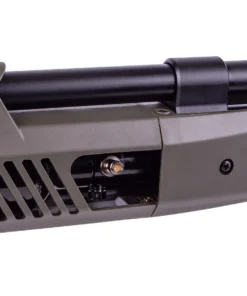
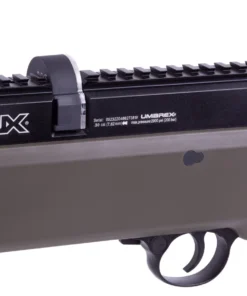
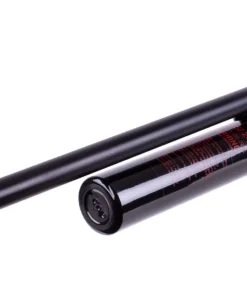
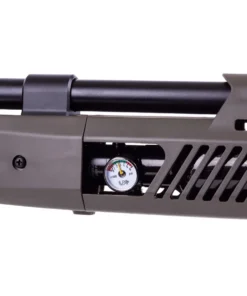
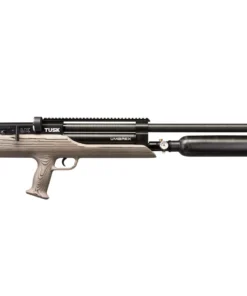
Umarex Gauntlet 2 SL PCP Air Rifle
€300.00
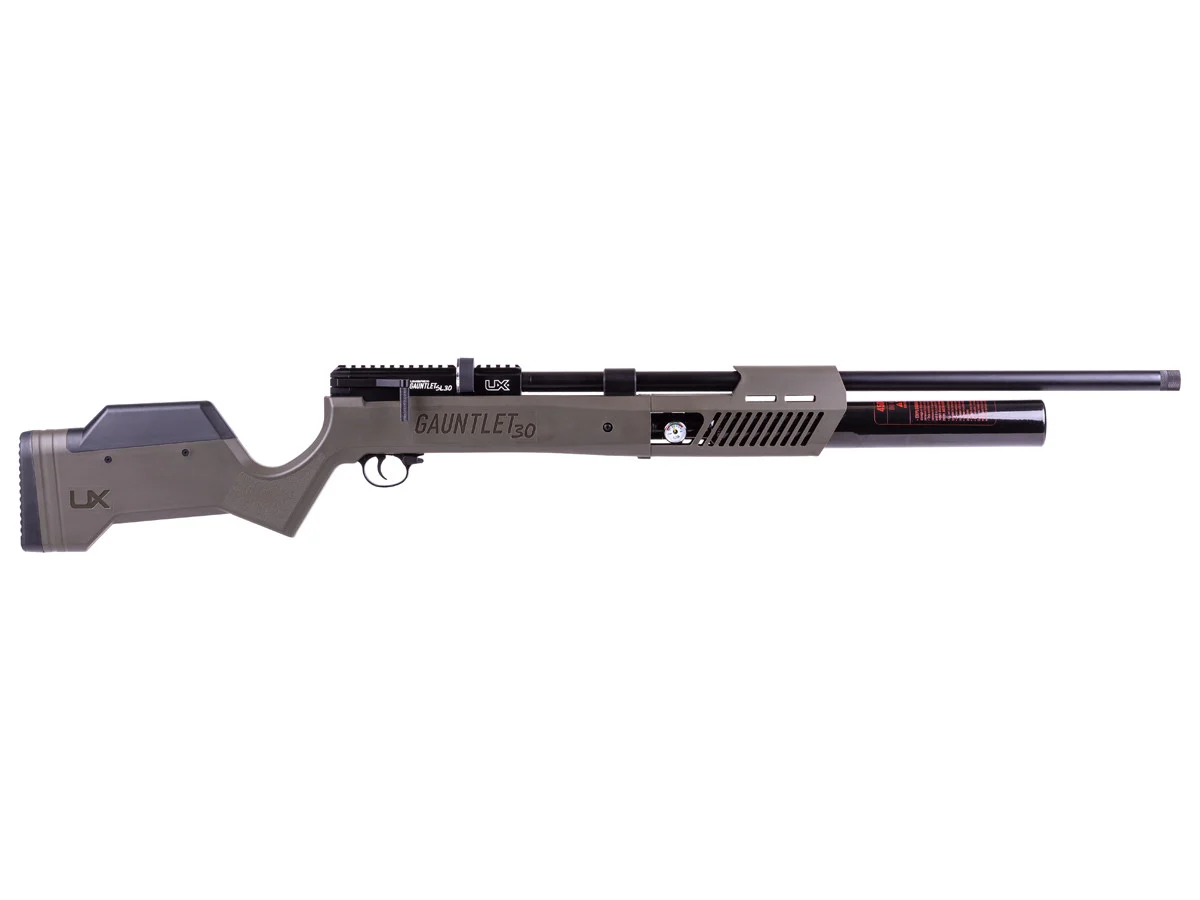
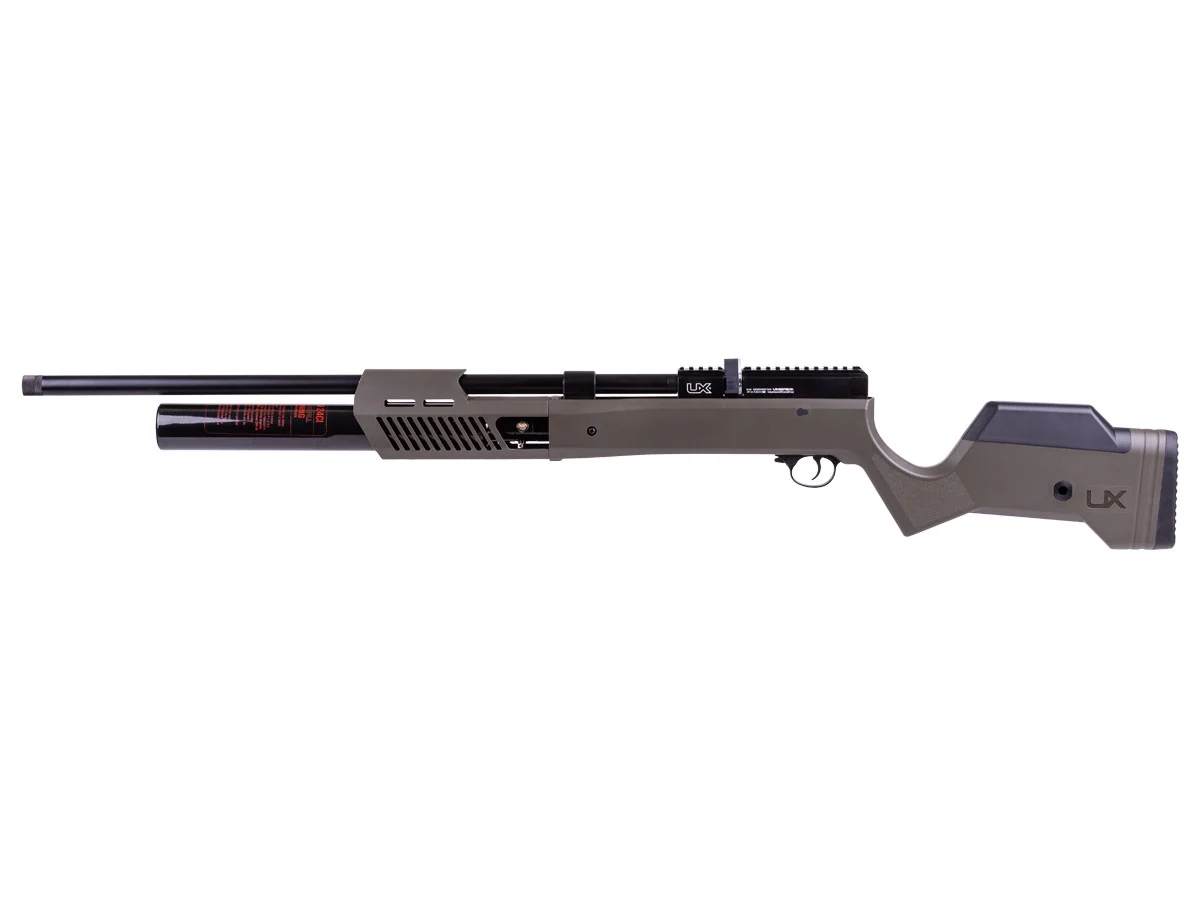
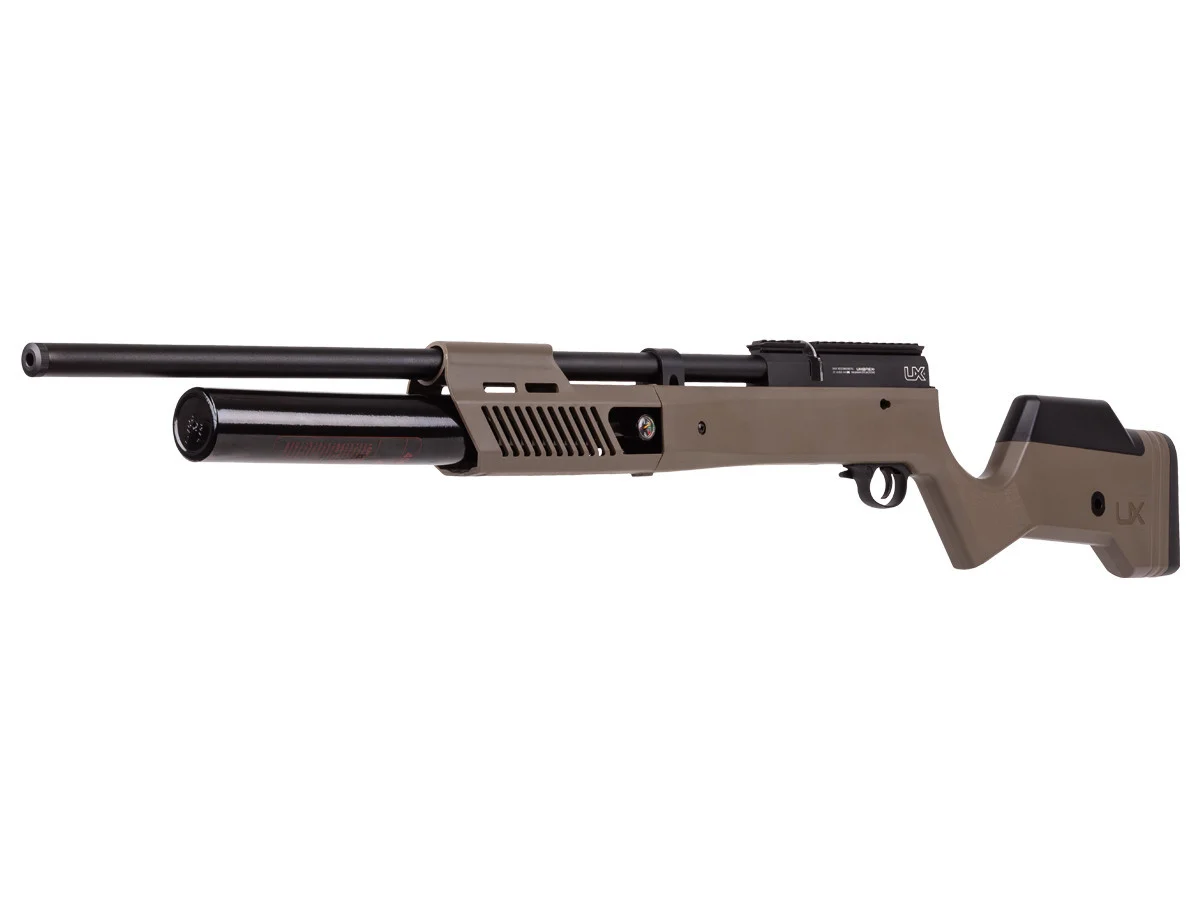
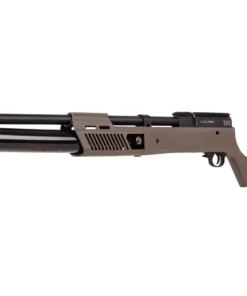
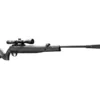
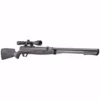
The Umarex Gauntlet SL is a PCP air rifle that has the necessary power for pest control and hunting of small game such as rabbits in lower calibers and medium game such as possums in higher calibers. It is the eagerly-anticipated updated side lever version of the airgun that helped set a new standard for affordable accuracy and power.
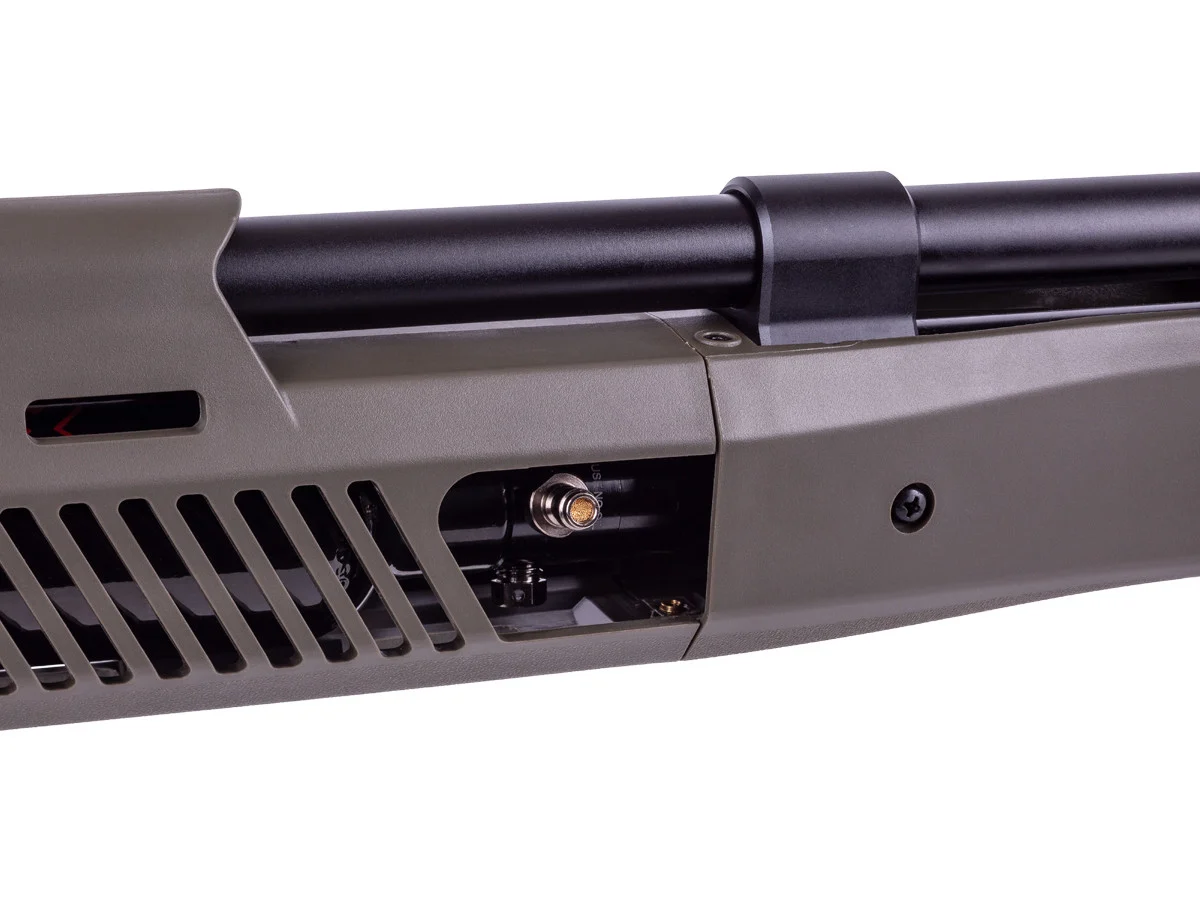
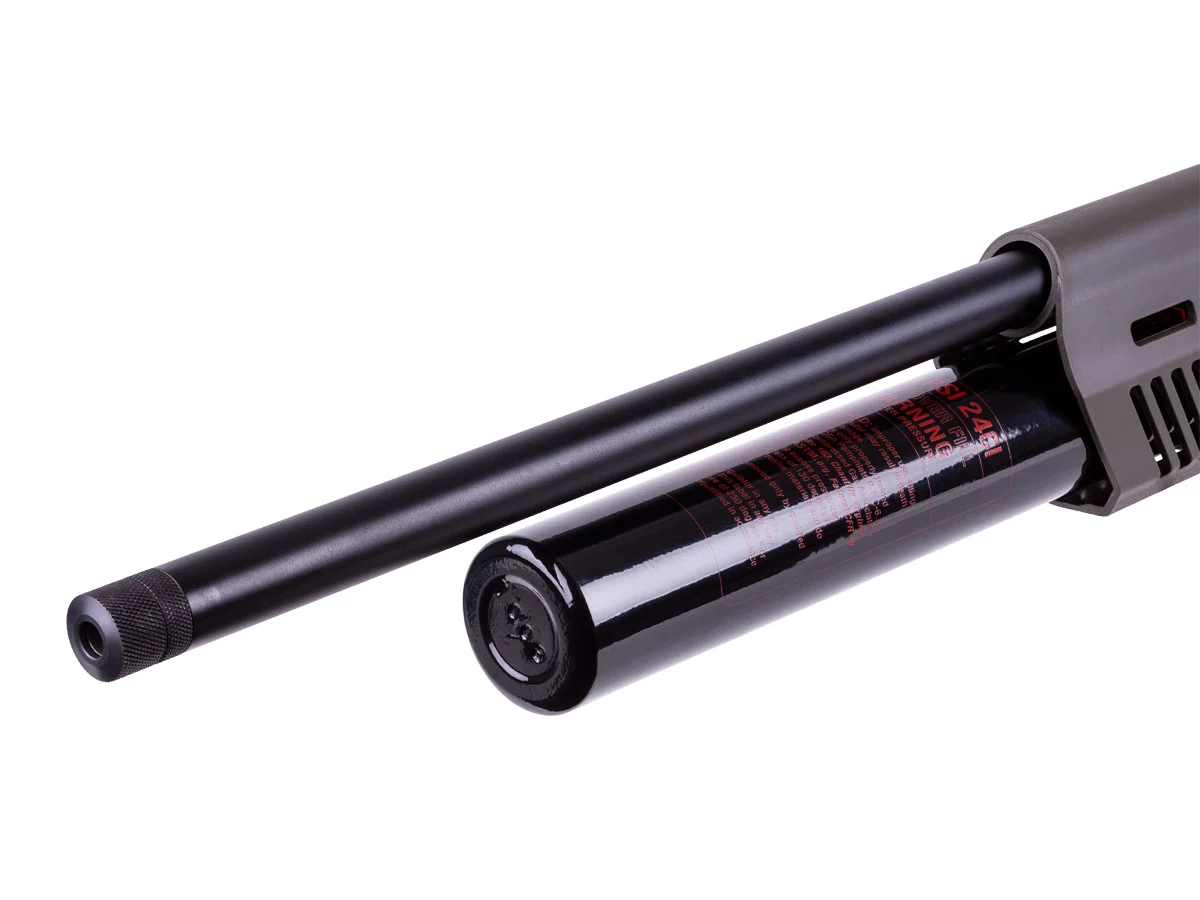
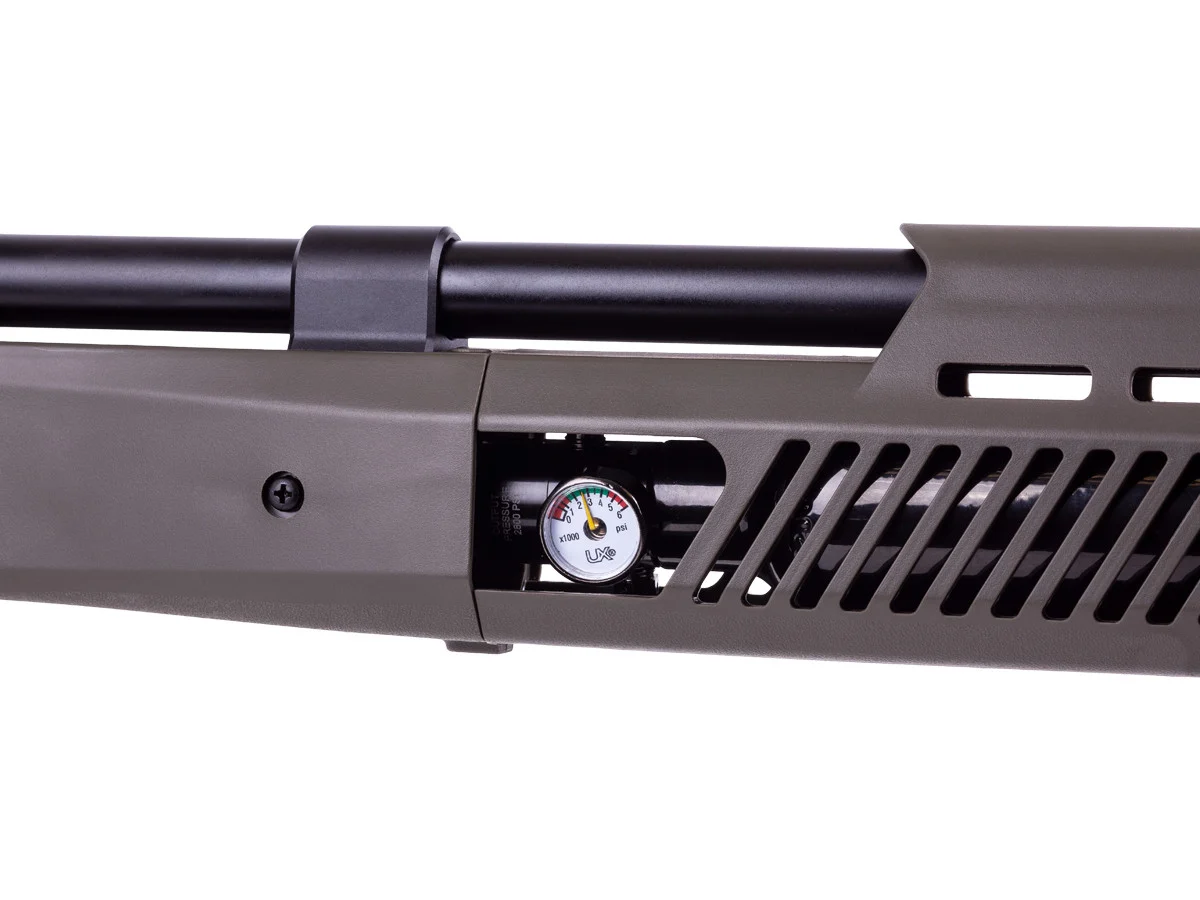
The improvement shooters will appreciate the most is the larger air tank, with 24 cubic inches of volume, and higher fill and regulator pressure. These increases lead to more shots and more power compared to the older model.
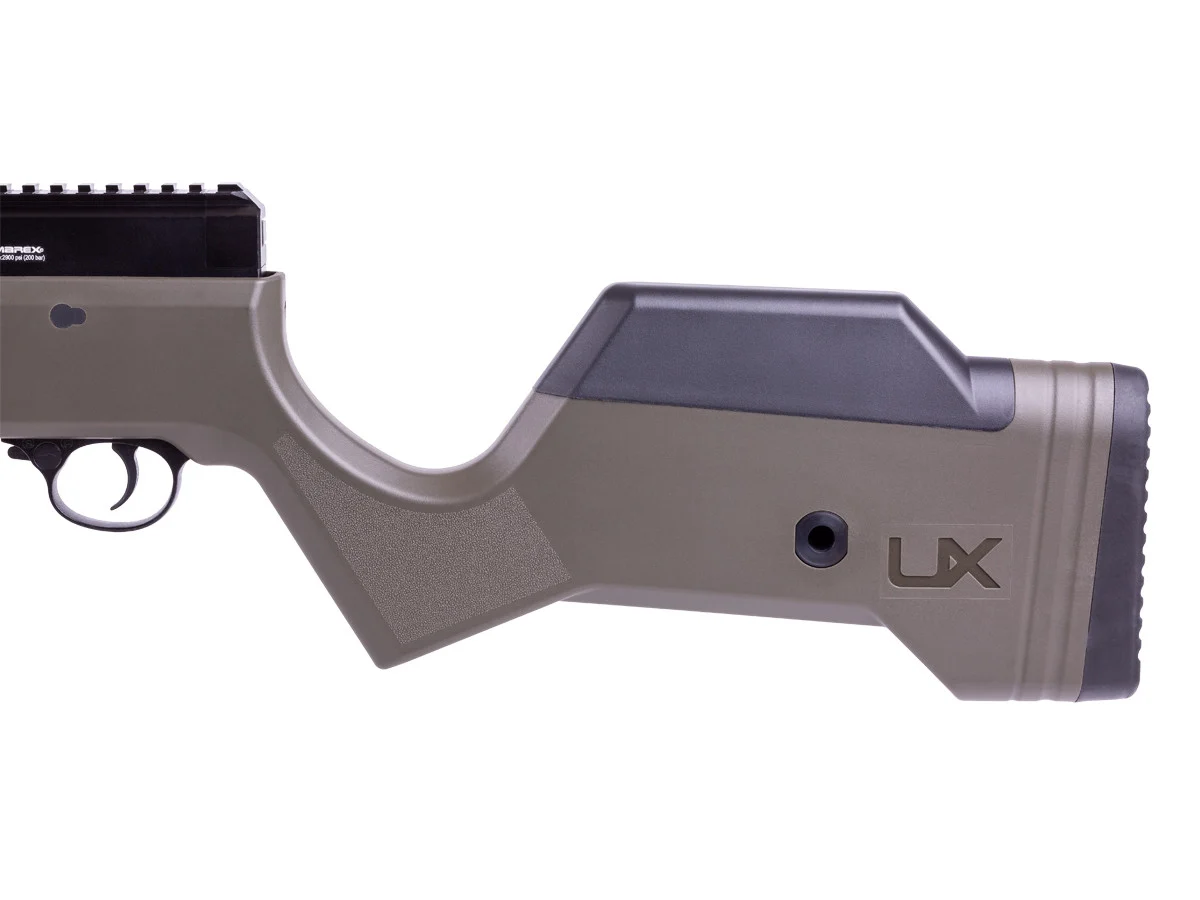
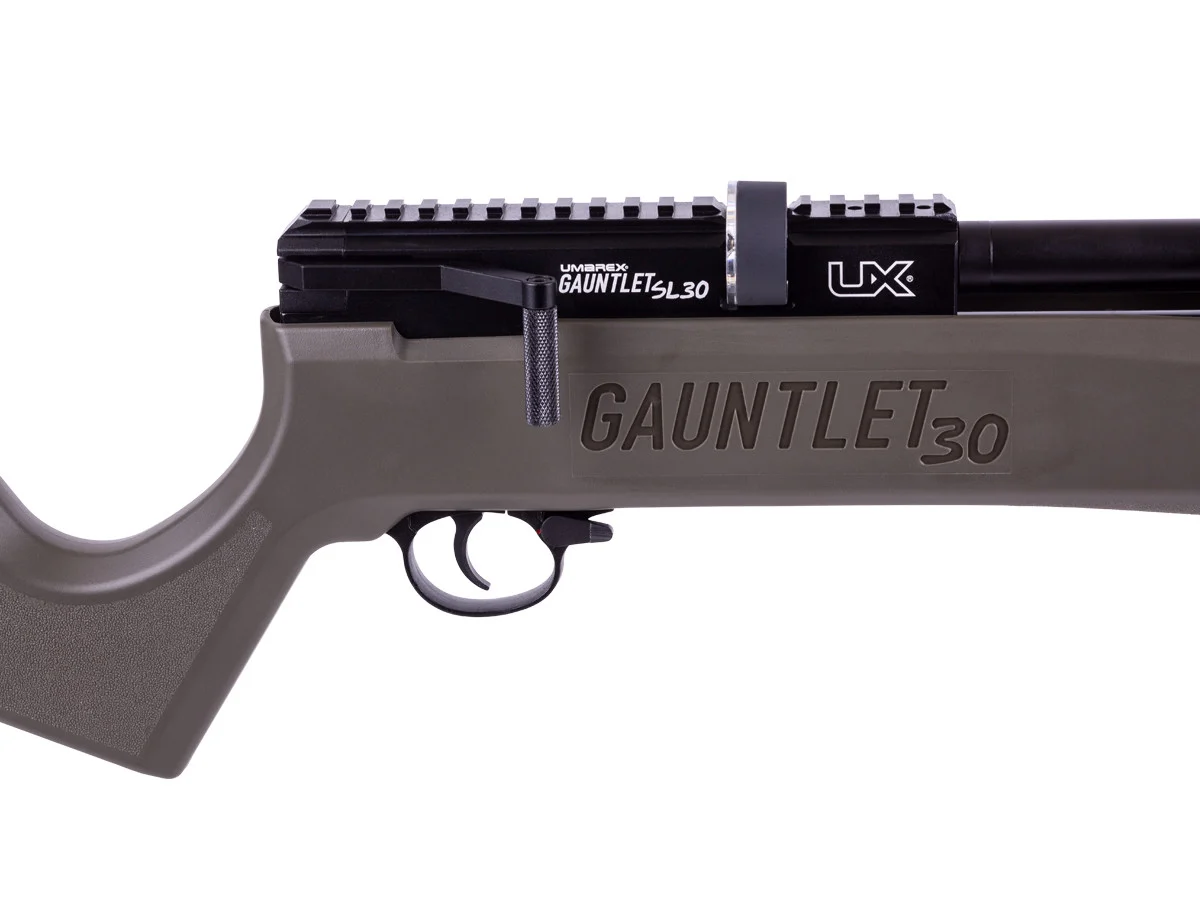
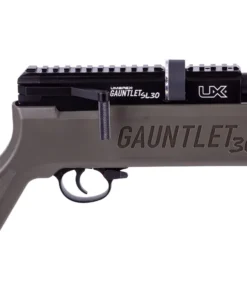
The new sidelever action features a large knurled handle with and makes cocking easier than ever! The all-weather synthetic stock has been redesigned to make it lighter and more compact. Despite the added power and shots, the air rifle is now quieter when shooting due to a four baffle design that reduces the sound of a shot by 8 dB over the original Gauntlet.
Specifications

Umarex Gauntlet 2 SL PCP Air Rifle – Advanced Side-Lever Pre-Charged Pneumatic Rifle
PRODUCT INTRODUCTION, DESIGN, ENGINEERING AND TECHNICAL OVERVIEW
1.1 Introducing the Umarex Gauntlet 2 SL PCP Air Rifle
The Umarex Gauntlet 2 SL PCP Air Rifle represents an important development in the Gauntlet product family. Manufactured by Umarex, this sporting platform combines pre-charged pneumatic technology with an updated side-lever configuration and contemporary synthetic construction.
Designed around an integrated compressed-air reservoir, the platform incorporates regulated pneumatic technology, a rifled barrel and a multi-shot magazine system. Furthermore, its redesigned exterior introduces additional provisions for accessory compatibility and physical adjustment.
The Gauntlet 2 SL is available in several calibre configurations, including .22, .25 and the separate .30-calibre SL30 model. Consequently, customers should identify the exact version before comparing specifications.
For customers researching Umarex airguns, this product represents an interesting combination of established pneumatic engineering and modern sporting design.
1.2 Advanced PCP Operating Technology
PCP stands for pre-charged pneumatic. This technology uses compressed air stored within a dedicated reservoir rather than relying on conventional spring-powered mechanisms.
The Gauntlet 2 SL incorporates a substantial 24-cubic-inch air reservoir with a maximum advertised filling pressure of 4,500 PSI.
Additionally, its regulated pneumatic architecture distinguishes it from simpler unregulated designs.
The regulator specifications differ between calibres. The .22 version is regulated at 1,900 PSI, while the .25 version uses a 2,100 PSI regulator. The SL30 has its own 2,800 PSI configuration.
These distinctions are important when researching the product because specifications from one version should not automatically be attributed to another.
1.3 Modern Side-Lever Architecture
One of the defining features of the Gauntlet 2 SL is its side-lever configuration.
This represents a significant design distinction from earlier bolt-action Gauntlet models.
The updated mechanical arrangement contributes to the product’s identity and provides a different external operating interface.
Furthermore, the redesigned architecture incorporates a large knurled lever handle.
The manufacturer describes the revised system as offering a smoother mechanical experience compared with the previous configuration.
1.4 Multi-Shot Magazine System
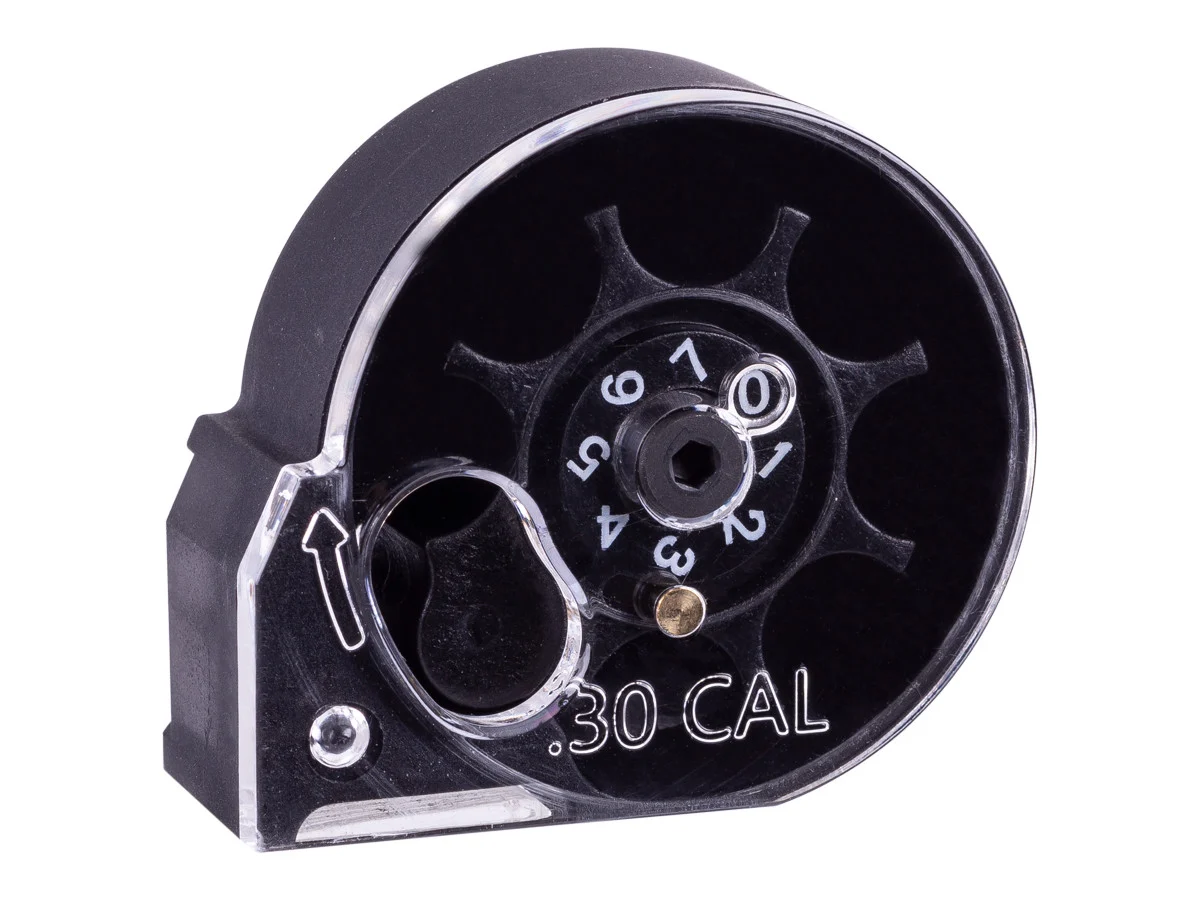
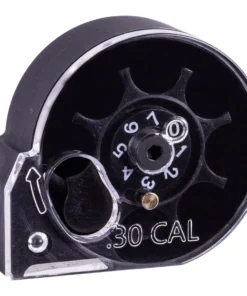
The platform incorporates calibre-specific rotary magazine configurations.
-
.22 calibre: 10-shot magazine.
-
.25 calibre: 8-shot magazine.
-
.30 calibre SL30: 7-shot magazine.
The different capacities reflect the dimensional requirements of the respective ammunition categories.
Certain packages include additional magazines and a single-shot tray. However, package contents should be confirmed with the retailer before purchasing.
1.5 Synthetic Stock and Exterior Construction
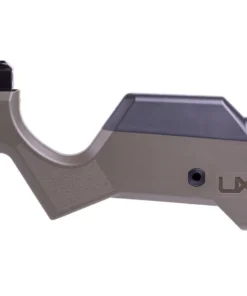
The redesigned synthetic stock contributes to the modern appearance of the platform.
Its construction incorporates an adjustable cheekpiece, textured rubber butt pad and M-LOK-compatible accessory mounting provisions.
Furthermore, the lightweight polymer exterior provides a contemporary alternative to traditional wooden sporting stocks.
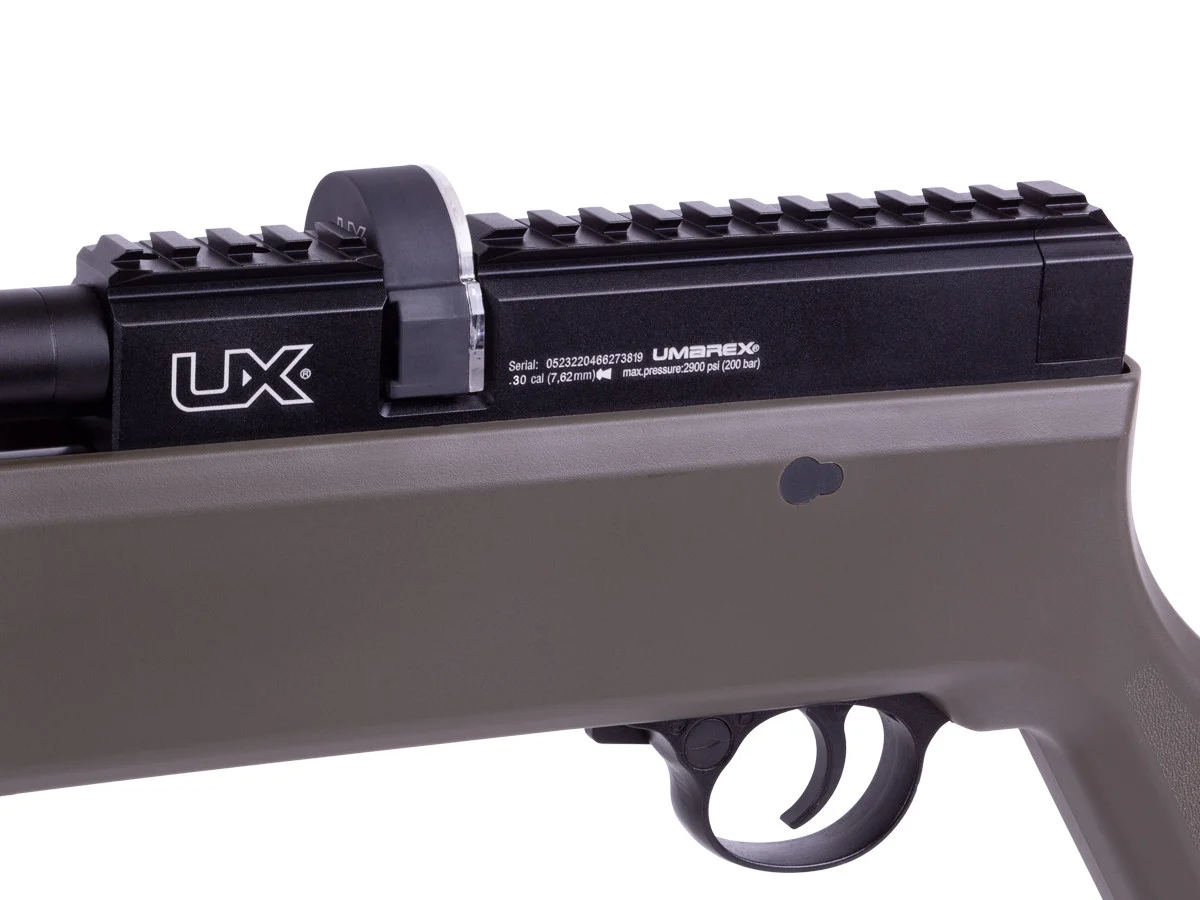
The receiver is manufactured from aircraft-grade aluminium, adding another important material distinction.
1.6 Barrel Construction and Noise-Reduction Architecture
The platform incorporates a shrouded barrel assembly with an internal baffling arrangement.
According to manufacturer information, the revised baffle construction provides an approximately 8 dB reduction compared with the earlier Gauntlet configuration.
However, actual sound levels depend on the environment and testing conditions.
The SL30 also features a threaded muzzle, while its specifications differ from those of the smaller-calibre versions.
1.7 Technical Specifications
| Specification | .22 SL22 | .25 SL25 |
|---|---|---|
| Power source | PCP | PCP |
| Maximum fill pressure | 4,500 PSI | 4,500 PSI |
| Reservoir | 24 cu in | 24 cu in |
| Regulator | 1,900 PSI | 2,100 PSI |
| Magazine capacity | 10 shots | 8 shots |
| Advertised energy | 48 FPE | 55 FPE |
| Action | Side lever | Side lever |
| Stock | Synthetic | Synthetic |
| Receiver | Aluminium | Aluminium |
| Scope mounting | Combination rail | Combination rail |
Specifications are manufacturer-listed figures; individual performance figures depend on ammunition and regional configuration.
Umarex USA+2
1.8 Why Consider the Gauntlet 2 SL?
The principal attraction is its combination of regulated pneumatic technology, updated mechanical architecture and contemporary exterior construction.
Additionally, the adjustable cheekpiece, accessory mounting provisions and removable air reservoir contribute to its overall engineering identity.
It is particularly relevant to customers researching modern PCP sporting equipment with an established manufacturer background.
1.9 Understanding the Wider Umarex Collection
The wider Umarex portfolio includes several different product families:
-
Umarex Gauntlet and Gauntlet 2
-
Umarex Notos
-
Umarex Origin
-
Umarex Zelos
-
Umarex Hammer
-
Umarex Fusion II
-
Umarex AirSaber
-
Umarex AirJavelin
-
Umarex Legends
-
Umarex T4E collection
Although these products share a manufacturer, their operating technologies and mechanical classifications differ.
For accurate search-engine optimization, this product page should concentrate on relevant search terms such as Umarex Gauntlet 2 SL, Umarex Gauntlet SL PCP, Umarex Gauntlet 2 side lever, regulated PCP air rifle, Umarex Gauntlet .22 and Umarex Gauntlet .25.
Unrelated searches involving Glock replicas, CO2 pistols, Hatsan products and other manufacturers should not be forced into this description. They do not accurately describe this particular product and could weaken topical relevance.
1.10 Important Purchasing Considerations
Before purchasing, customers should establish the exact calibre, regional configuration, included accessories and applicable legal classification.
The platform requires an appropriate high-pressure air supply, and its maximum advertised pressure must be respected.
Furthermore, its power classification may make it subject to additional restrictions in certain jurisdictions.
Always consult the manufacturer’s documentation and applicable local regulations.
CONSTRUCTION QUALITY, MATERIAL ENGINEERING, MECHANICAL DESIGN, DURABILITY, PRACTICAL OWNERSHIP AND LONG-TERM RELIABILITY
2.1 Understanding Modern Sporting Equipment Engineering
The development of modern sporting equipment requires a combination of mechanical engineering, material science, manufacturing precision and industrial design. Each component contributes to the completed structure, while the relationship between individual assemblies determines much of the product’s overall quality.
Manufacturers must consider several factors during development, including structural strength, dimensional accuracy, material compatibility and environmental resistance. Furthermore, production consistency remains important because individual components must maintain their intended physical characteristics.
Contemporary manufacturing methods allow different materials to be integrated into sophisticated assemblies. Metallic components, synthetic exterior materials and specialized mechanical parts can therefore form part of one coordinated design.
However, attractive exterior construction does not automatically establish superior internal quality. Manufacturing standards, inspection procedures and material selection remain equally important.
Consequently, customers should examine authentic technical documentation before making purchasing decisions.
Long-term reliability also depends on responsible preservation. Even carefully manufactured equipment can experience deterioration when exposed to unsuitable environmental conditions or inappropriate handling.
2.2 Structural Engineering and Component Integration
Structural engineering examines how individual components contribute to the strength and stability of a completed assembly.
In sophisticated sporting equipment, manufacturers must maintain appropriate relationships between the receiver, barrel assembly, external framework and supporting components.
Furthermore, the selection of suitable materials influences the characteristics of the finished product.
Dimensional accuracy is particularly important because individual components must correspond with their intended manufacturing specifications.
Modern industrial facilities may employ specialized measuring instruments and controlled production procedures to maintain consistency.
However, manufacturing quality cannot be evaluated through exterior appearance alone.
Internal structural characteristics require appropriate technical assessment.
Customers should therefore distinguish between cosmetic presentation and verified engineering quality.
Where visible deformation or suspected damage occurs, qualified professional inspection becomes important.
Ultimately, dependable construction combines appropriate materials, accurate manufacturing, consistent assembly and responsible long-term preservation.
2.3 Understanding Aluminium Manufacturing
Aluminium is widely used throughout contemporary mechanical manufacturing because of its useful combination of physical characteristics.
Depending on the selected alloy and manufacturing process, aluminium components can provide structural strength while maintaining relatively low mass.
Furthermore, the material can accommodate different industrial finishing procedures.
Manufacturers use various aluminium alloys according to the mechanical requirements of individual components.
Consequently, the specific alloy designation matters when evaluating technical specifications.
Surface treatments may also contribute to corrosion resistance and exterior appearance.
However, aluminium is not completely immune to deterioration.
Unsuitable environmental exposure, accidental impact and incompatible chemicals may affect its condition.
Customers should follow the manufacturer’s preservation recommendations.
Additionally, damaged structural components should receive qualified professional assessment rather than improvised repairs.
2.4 Synthetic Material Technology
Synthetic materials have become increasingly important in modern industrial manufacturing.
Engineered polymers allow manufacturers to produce complex exterior shapes with consistent dimensions and carefully defined surface characteristics.
Furthermore, different formulations can provide varying degrees of resistance to moisture, temperature changes and ordinary environmental exposure.
However, synthetic materials are not identical.
Different polymer compositions possess different physical characteristics and manufacturing requirements.
Consequently, general statements about polymer durability should not be treated as universal guarantees.
Prolonged ultraviolet exposure, excessive heat and unsuitable cleaning chemicals may contribute to deterioration.
Customers should therefore observe the manufacturer’s care recommendations.
Where visible cracking, deformation or substantial material deterioration occurs, professional assessment may be appropriate.
2.5 Surface Finishing and Exterior Quality
Exterior finishing contributes to the appearance and preservation of manufactured products.
Different finishing methods may be applied according to material composition and intended environmental exposure.
Metallic surfaces may receive protective treatments, while synthetic components may incorporate textured or molded finishes.
Furthermore, consistent finishing can improve the visual uniformity of completed products.
However, cosmetic quality and mechanical integrity are separate considerations.
An attractive exterior cannot independently establish the condition of internal components.
Previously owned equipment should therefore be evaluated according to both visible condition and available maintenance documentation.
Customers should also avoid abrasive cleaning materials that may damage protective surfaces.
Appropriate preservation helps maintain the original appearance and reduces unnecessary cosmetic deterioration.
2.6 Mechanical Architecture and Manufacturing Consistency
Mechanical architecture describes how individual components are organized within a completed assembly.
The manufacturer must establish suitable relationships between moving and stationary components while considering structural support and dimensional accuracy.
Furthermore, different mechanical interfaces may require specialized manufacturing tolerances.
These tolerances help establish consistency between production components.
However, ordinary mechanical wear may occur throughout the intended service life.
Environmental contamination, accidental impact and inappropriate maintenance can also influence component condition.
Consequently, unusual mechanical behavior should not be ignored.
Qualified technicians can assess concerns using appropriate manufacturer-approved procedures.
Unauthorized internal modifications may compromise original manufacturing characteristics.
Ultimately, mechanical consistency depends on suitable materials, accurate production and professional technical support.
2.7 Manufacturing Tolerances and Dimensional Accuracy
Manufacturing tolerances establish acceptable variations in component dimensions.
They are important because sophisticated assemblies depend on appropriate relationships between individual parts.
Modern production facilities may use computer-controlled machinery, precision measuring instruments and documented inspection procedures.
Furthermore, manufacturers may establish different tolerances for different component categories.
However, accurate manufacturing requires more than specialized machinery.
Material preparation, equipment calibration, qualified personnel and consistent production procedures all contribute to final quality.
Production revisions may also introduce changes to individual components.
Consequently, visually similar products from different manufacturing generations may contain differences.
Customers should consult official documentation when identifying replacement components.
2.8 Quality Assurance and Factory Inspection
Quality assurance represents an important part of responsible industrial manufacturing.
Manufacturers establish inspection procedures to evaluate materials, dimensions, surface condition and assembly consistency.
Furthermore, systematic inspection can identify certain manufacturing irregularities before products enter distribution.
Different materials may require different evaluation procedures.
For example, metallic structural components and synthetic exterior materials possess different physical characteristics.
Consequently, effective quality assurance requires suitable inspection methods for each component category.
However, factory inspection cannot prevent every possible form of subsequent deterioration.
Transportation damage, unsuitable storage and accidental impact may affect equipment after production.
Customers should therefore retain purchasing documentation and report suspected manufacturing defects through appropriate channels.
2.9 Material Compatibility and Structural Relationships
Material compatibility is important whenever different substances form part of one mechanical assembly.
Manufacturers must consider how individual materials interact under their intended environmental and structural conditions.
Furthermore, different materials may respond differently to temperature fluctuations, moisture and prolonged exposure.
These characteristics influence manufacturing decisions.
Protective coatings and suitable material combinations can help preserve the intended characteristics of individual components.
However, inappropriate cleaning products or unauthorized alterations may introduce compatibility problems.
Customers should follow official preservation recommendations.
Where replacement components are required, manufacturer-approved specifications should be consulted.
Ultimately, material compatibility contributes to structural integrity, long-term condition and reliable professional servicing.
2.10 Understanding Long-Term Durability
Durability describes the ability of manufactured equipment to retain its intended physical characteristics throughout its service life.
Several factors contribute to this outcome.
Material quality, manufacturing standards, environmental exposure and maintenance history all influence long-term condition.
Furthermore, individual components may experience different forms of deterioration.
Metallic surfaces can develop corrosion, synthetic materials may age and protective finishes can become damaged.
These changes do not necessarily indicate an original manufacturing defect.
Nevertheless, substantial deterioration should receive appropriate professional evaluation.
Customers should also understand that no manufactured product remains permanently unaffected by environmental exposure.
Responsible preservation helps reduce avoidable deterioration and supports long-term ownership.
2.11 Environmental Resistance and Storage Conditions
Environmental exposure can influence the appearance and condition of sophisticated mechanical equipment.
Humidity, dust, excessive heat and prolonged sunlight introduce different preservation challenges.
For example, excessive moisture may contribute to corrosion on susceptible metallic surfaces.
Similarly, unsuitable storage conditions may affect synthetic materials and protective finishes.
Although modern manufacturing materials offer useful environmental characteristics, they are not completely immune to deterioration.
Consequently, customers should select suitable storage arrangements.
Secure storage also helps prevent unauthorized access.
Temperature management deserves particular attention because pressure-containing components may be subject to manufacturer-defined environmental limits.
Owners should consult official documentation before establishing long-term storage arrangements.
2.12 Understanding Pressure-Containing Components
Pressure-containing assemblies require particular attention because their structural integrity is essential to the overall equipment.
Manufacturers establish specific material and inspection requirements for these components.
Furthermore, pressure-related systems may experience deterioration through corrosion, impact damage or material aging.
External appearance alone cannot establish internal structural condition.
Consequently, suspected damage should receive qualified professional assessment.
Unauthorized repairs or modifications may introduce serious hazards.
Customers should follow the manufacturer’s inspection and servicing recommendations.
Replacement components must correspond with approved specifications.
Where professional evaluation is necessary, qualified technicians should undertake the work.
Responsible ownership requires particular caution around all pressure-containing assemblies.
2.13 Professional Maintenance and Servicing
Professional maintenance contributes to long-term equipment preservation.
Different mechanical components may have different inspection and servicing requirements.
Consequently, customers should consult the documentation associated with their exact production configuration.
Generic maintenance advice cannot account for every technical difference.
Qualified technicians can evaluate suspected deterioration using appropriate procedures.
Furthermore, authorized servicing may help maintain compatibility with original manufacturing specifications.
Unauthorized internal disassembly can create safety concerns and potentially affect warranty eligibility.
Customers should retain service records whenever professional maintenance is undertaken.
These records may prove useful during future technical enquiries.
2.14 The Importance of Genuine Replacement Components
Replacement-component compatibility represents an important consideration throughout the ownership period.
Manufacturers may introduce technical revisions that influence component dimensions or material characteristics.
Consequently, products from different manufacturing generations may not share identical replacement requirements.
Visually similar components should not automatically be considered interchangeable.
Customers should establish compatibility through official documentation or authorized technical support.
Genuine components are intended to correspond with the appropriate manufacturing configuration.
Furthermore, professional installation may be necessary for specialized assemblies.
Unverified replacement parts may introduce mechanical or structural concerns.
Accurate product identification simplifies the process of obtaining suitable components.
2.15 Ergonomic Design and Physical Suitability
Ergonomics examines the relationship between manufactured equipment and individual physical characteristics.
People differ in height, strength, mobility and personal comfort preferences.
Consequently, no particular exterior configuration can guarantee universal suitability.
Overall dimensions, material selection and component arrangement influence the physical characteristics of a completed product.
Furthermore, different manufacturing generations may introduce exterior changes.
Customers should examine verified measurements rather than rely exclusively on promotional photographs.
Where possible, an authorized retailer or qualified sporting professional may provide additional information about the physical characteristics of a particular example.
Individual suitability should always be considered alongside applicable safety requirements.
2.16 Weight Distribution and Material Balance
Weight distribution is an important consideration in mechanical design.
However, total product weight does not completely describe how individual components contribute to the overall structure.
Material density, component placement and exterior construction all influence the distribution of mass.
Consequently, products with similar total weights may possess different physical characteristics.
Accessories and package variations may also influence the final assembled weight.
Customers should therefore consult official manufacturer measurements.
Accurate dimensions help establish realistic expectations before purchasing.
Furthermore, suitable protective storage should accommodate the complete product and its included components.
2.17 Exterior Protection and Cosmetic Preservation
Exterior preservation helps maintain the appearance of manufactured equipment.
Metallic surfaces, synthetic materials and protective finishes may require different care considerations.
Furthermore, inappropriate cleaning products can affect particular materials.
Customers should therefore follow manufacturer-approved recommendations.
Abrasive substances should be avoided where they may damage protective surfaces.
Moisture should also be managed appropriately because certain metallic components may be susceptible to corrosion.
Previously owned products may exhibit ordinary cosmetic marks.
Such marks should be distinguished from visible structural damage.
Where substantial deterioration is suspected, professional evaluation may be appropriate.
2.18 Responsible Ownership and Secure Storage
Responsible ownership includes appropriate storage, transportation and access management.
Secure storage helps prevent unauthorized access and may be required by applicable legislation.
Furthermore, customers should understand that sporting equipment can cause serious injury.
It must never be treated as a harmless household object.
Different jurisdictions establish different requirements for possession and storage.
Consequently, prospective owners should verify the applicable regulations before purchasing.
Documentation should be retained in a secure location.
Where transportation is necessary, relevant legal and carrier requirements should be established beforehand.
Responsible ownership remains an essential consideration throughout the product’s service life.
2.19 International Purchasing and Regional Specifications
International purchasing introduces additional considerations.
Different countries may receive different product configurations, accessory packages and regulatory classifications.
Consequently, specifications published for one market should not automatically be applied to another.
Customers should establish the exact regional version before purchasing.
Furthermore, international transportation may involve customs declarations and carrier restrictions.
The applicable legislation should be confirmed with the relevant authorities.
Retailer descriptions should clearly identify the supplied configuration.
Customers should also establish whether local technical support and replacement components are available.
Accurate information reduces misunderstandings and contributes to a more transparent purchasing experience.
2.20 Warranty Protection and After-Sales Support
Warranty protection contributes to the overall ownership experience.
However, coverage differs according to manufacturer, distributor, purchasing jurisdiction and product configuration.
Customers should examine the relevant documentation before completing a transaction.
Important considerations include coverage duration, exclusions and authorized servicing requirements.
Furthermore, unauthorized modifications may affect warranty eligibility.
Accidental damage and unsuitable maintenance may also fall outside standard coverage.
Original purchase receipts should therefore be retained.
Customers should establish the correct procedure for reporting manufacturing defects.
Transparent warranty conditions help establish realistic expectations and provide greater purchasing confidence.
2.21 Retailer Credibility and Product Authenticity
Retailer credibility is an important consideration when purchasing specialized equipment.
Customers should examine business information, product documentation and purchasing conditions.
Furthermore, authentic products should correspond with manufacturer identification details.
Professional-looking packaging alone cannot establish authenticity.
Where uncertainty exists, customers should seek confirmation from authorized distribution channels.
Retailers should clearly distinguish included accessories from optional additions.
They should also identify the exact product generation and regional configuration.
Transparent product information reduces the likelihood of purchasing misunderstandings.
Customers should retain receipts and order confirmations for future reference.
2.22 New and Previously Owned Product Evaluation
New and previously owned equipment presents different purchasing considerations.
New products may include original packaging, manufacturer documentation and applicable warranty coverage.
However, package contents should still be verified.
Previously owned examples require additional attention to condition and ownership history.
Environmental exposure, storage conditions and maintenance records may influence their present condition.
Cosmetic marks do not automatically establish structural deterioration.
Similarly, an attractive exterior cannot confirm the condition of internal assemblies.
Customers should request accurate descriptions and available service records.
Where substantial uncertainty remains, qualified professional inspection may provide additional reassurance.
2.23 Understanding Total Ownership Costs
The initial purchase price represents only one part of the overall financial commitment.
Additional expenses may include appropriate storage, professional inspection, replacement components and applicable regulatory requirements.
Furthermore, the availability of qualified technical support may influence long-term maintenance costs.
Customers should establish these considerations before purchasing.
Warranty conditions also deserve attention.
A lower initial price does not necessarily represent the better long-term purchasing decision.
Product authenticity, retailer credibility and servicing availability contribute to overall value.
Customers should compare equivalent product packages rather than listings containing different accessories.
Ultimately, realistic financial planning supports informed ownership decisions.
2.24 Frequently Asked Questions
Why is material quality important?
Material quality influences structural integrity, exterior condition and long-term durability.
Can synthetic components deteriorate?
Yes. Environmental exposure, excessive heat and unsuitable chemicals may affect certain synthetic materials.
Does exterior appearance establish internal condition?
No. External inspection cannot independently establish the condition of internal mechanical assemblies.
Why are manufacturing tolerances important?
They establish acceptable dimensional variations and contribute to component compatibility.
Should damaged structural components be repaired professionally?
Yes. Suspected structural damage should receive qualified assessment.
Why are genuine replacement components important?
They are intended to correspond with the manufacturer’s approved specifications.
Can warranty conditions differ between countries?
Yes. Coverage varies according to manufacturer, distributor and jurisdiction.
Why should customers retain original documentation?
It helps establish product identity, purchasing history and applicable warranty conditions.
Does a higher purchase price guarantee superior quality?
No. Manufacturing standards, product authenticity and after-sales support should also be evaluated.
Why is secure storage important?
It helps prevent unauthorized access and protects equipment against avoidable environmental deterioration.
Can international purchasing involve additional restrictions?
Yes. Customs requirements, transportation restrictions and local regulations may apply.
2.25 Final Assessment of Construction and Ownership
Long-term product satisfaction depends on more than initial appearance.
Material quality, manufacturing consistency, structural integrity and professional technical support all contribute to the overall ownership experience.
Furthermore, environmental preservation and appropriate maintenance help protect the original condition.
Customers should understand the importance of genuine replacement components, accurate documentation and authorized servicing.
Warranty conditions should also be established before purchasing.
Additionally, local legal requirements must be verified before arranging possession or transportation.
A careful evaluation of these considerations helps establish realistic expectations Umarex Gauntlet 2 SL PCP Air RifleUmarex Gauntlet 2 SL PCP Air RifleUmarex Gauntlet 2 SL PCP Air RifleUmarex Gauntlet 2 SL PCP Air RifleUmarex Gauntlet 2 SL PCP Air RifleUmarex Gauntlet 2 SL PCP Air RifleUmarex Gauntlet 2 SL PCP Air RifleUmarex Gauntlet 2 SL PCP Air RifleUmarex Gauntlet 2 SL PCP Air RifleUmarex Gauntlet 2 SL PCP Air RifleUmarex Gauntlet 2 SL PCP Air RifleUmarex Gauntlet 2 SL PCP Air Rifle.
Ultimately, responsible ownership combines informed purchasing, suitable preservation, secure storage and dependable professional support Umarex Gauntlet 2 SL PCP Air RifleUmarex Gauntlet 2 SL PCP Air RifleUmarex Gauntlet 2 SL PCP Air RifleUmarex Gauntlet 2 SL PCP Air RifleUmarex Gauntlet 2 SL PCP Air RifleUmarex Gauntlet 2 SL PCP Air RifleUmarex Gauntlet 2 SL PCP Air RifleUmarex Gauntlet 2 SL PCP Air RifleUmarex Gauntlet 2 SL PCP Air RifleUmarex Gauntlet 2 SL PCP Air RifleUmarex Gauntlet 2 SL PCP Air RifleUmarex Gauntlet 2 SL PCP Air RifleUmarex Gauntlet 2 SL PCP Air RifleUmarex Gauntlet 2 SL PCP Air Rifle.
Be the first to review “Umarex Gauntlet 2 SL PCP Air Rifle”
Related products
umarex AirRifle


umarex AirRifle
umarex AirRifle

umarex AirRifle
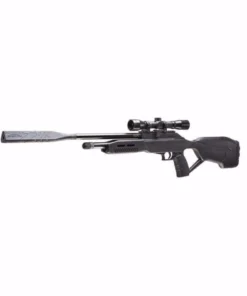
umarex AirRifle
umarex AirRifle
umarex AirRifle
umarex AirRifle
Reviews
There are no reviews yet.