






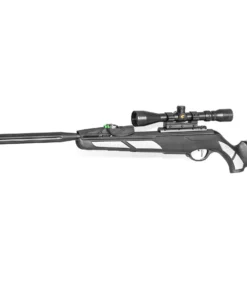



Gamo Swarm Viper Gen3i

€175.00
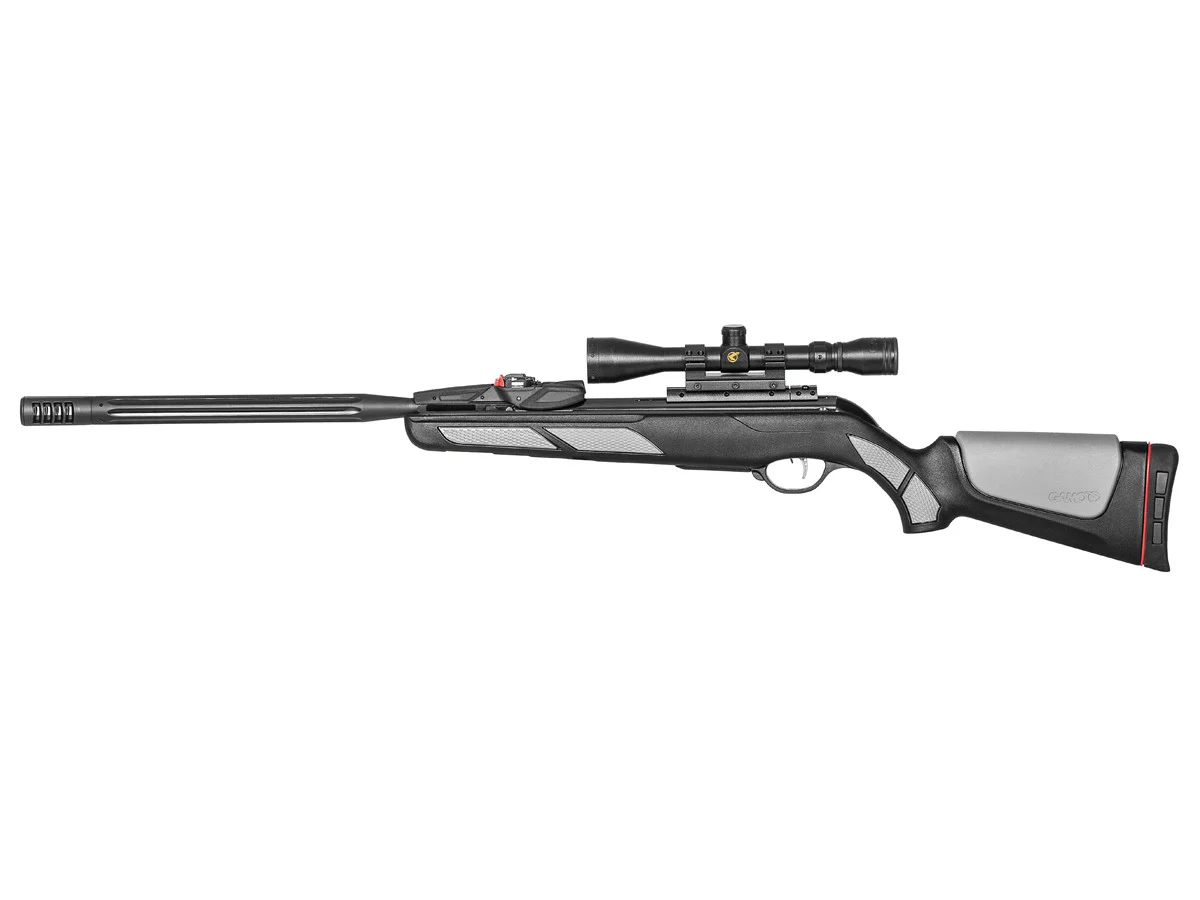
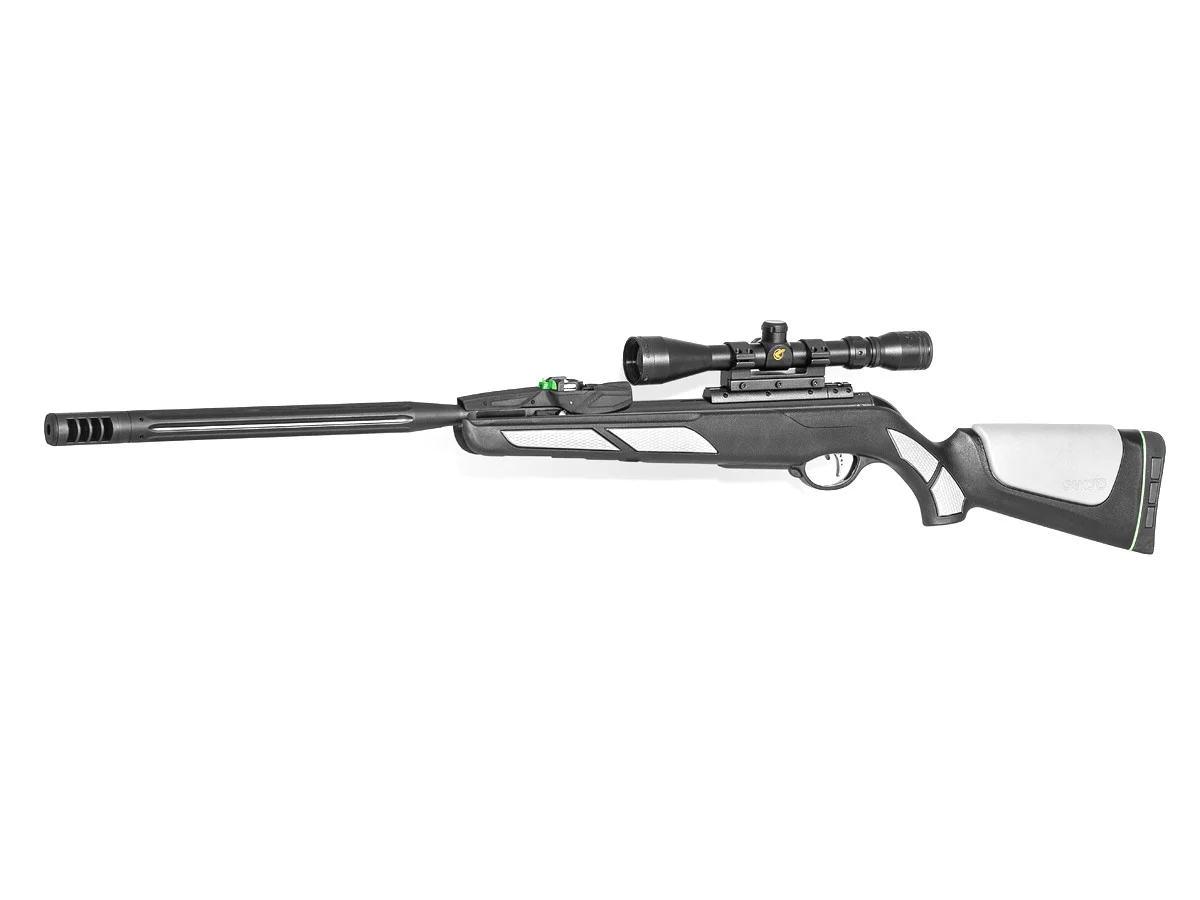
The Gamo Swarm Viper 10X Gen3i Multi-Shot Air Rifle is a versatile airgun with improved technology and a focus on comfort. With alloy pellet velocities up to 1300 FPS in .177 and 1000 FPS in .22, it offers excellent performance for pest control, small-game hunting, and plinking.
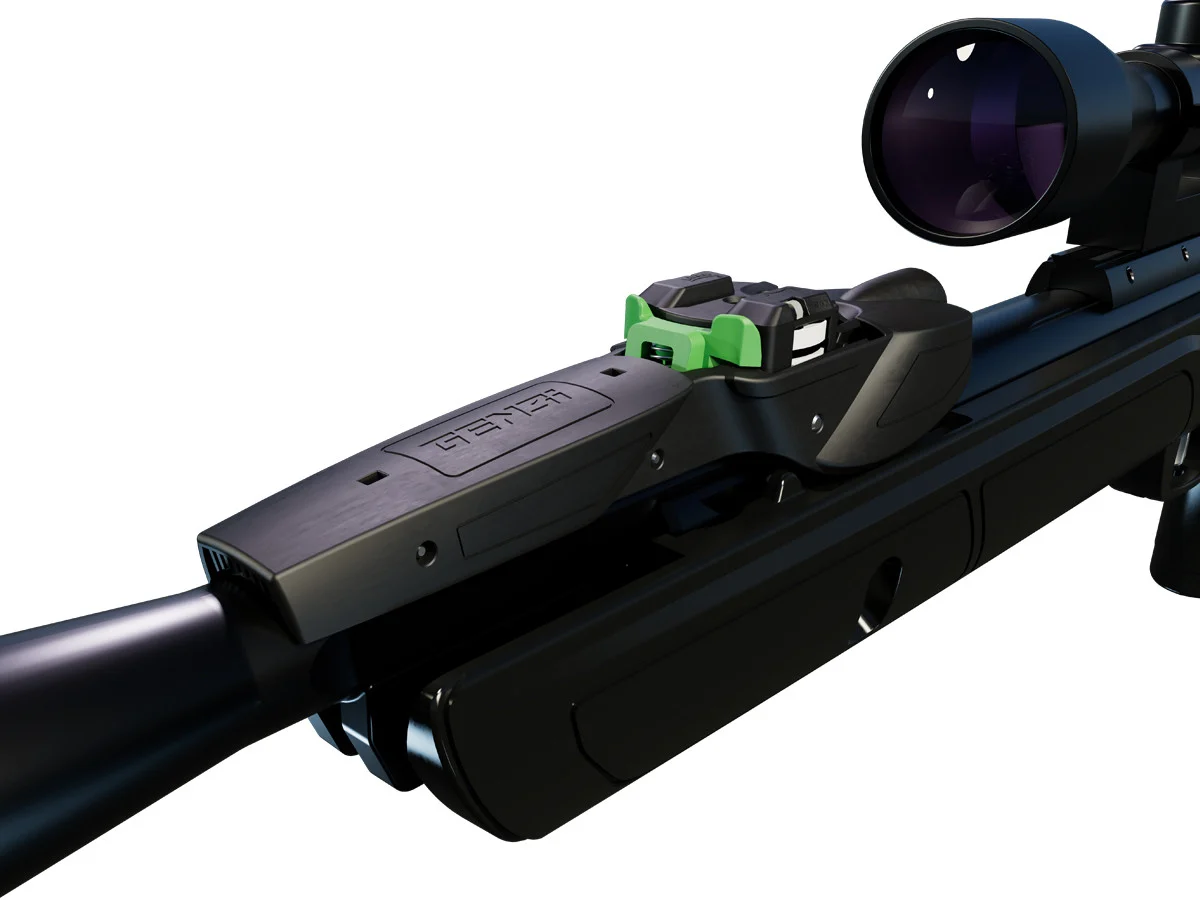
This breakbarrel air rifle uses Gamo’s improved 10X Gen3i magazine technology that provides ease of use with a horizontal, inertia-fed magazine that is lower-profile and lighter than previous versions for a smooth and compact loading and shooting experience. In addition, the two-stage Custom Action Trigger lets shooters independently adjust the travel of the first and second stages.
The Gamo Swarm Viper Gen3i uses an all-weather nylon stock that is filled with automotive-grade glass, and it includes non-slip checkered rubber inserts on the forearm and grip, as well as a rubber insert on the cheekpiece for comfort. It also utilizes a Shock Wave Absorber recoil pad that helps to reduce the forces generated by recoil by up to 74%.
The aluminum 11mm dovetail Recoil Reducing Rail helps protect optics by significantly lowering the amount of recoil transmitted by the rail, and the package includes a Gamo 3-9x40mm scope and rings to help deliver accurate shots out of the box. The airgun also uses Whisper Maxxim noise suppression technology with two silencing chambers to reduce recoil and lower noise.
To get a convenient and reliable airgun with features designed for plinking, small-game hunting, and pest control, buy a Gamo Swarm Viper 10X Gen3i Multi-Shot Air Rifle today at Pyramyd AIR.
Helpful resources:
- Learn about hunting with air rifles
- Tips for picking the right airgun for hunting game & pests
- Learn about airgun hunting laws in your state
- Shop related categories: pellet guns, pellet rifles
Gamo Swarm Viper 10X Gen3i Multi-Shot Air Rifle
- 10X GEN3i auto-loading upgraded inertia-fed magazine
- Breakbarrel
- .177 or .22 caliber
- All-weather nylon stock filled with automotive-grade glass
- IGT gas piston
- 2-stage independently-adjustable Custom Action Trigger (CAT)
- Whisper Maxxim noise suppression
- Max. velocity (alloy pellets): 1300 FPS (.177), 1000 FPS (.22)
- Shock Wave Absorber (SWA) recoil pad
- Non-slip checkered rubber inserts on grip and forearm
- Rubber insert on cheekpiece
- 11mm dovetail aluminum Recoil Reducing Rail (RRR)
- Manual safety
- Automatic safety while cocking
- Barrel length: 19.9″
- Overall length: 45.3″
- Weight: 5.71 lbs.
- Includes Gamo 3-9×40 scope and rings
- 3-year limited warranty
BrandCaliber.177 (4.5mm)Max Velocity1300 fpsSuggested forSmall game hunting/target practicePowerplantGas-pistonLoudness3-MediumNoise Level83.08 dB
 Weight5.71 lbsFunctionRepeaterActionBreak barrelFixed/adj. powerFixedShroudedYesScopeable11mm dovetailFront SightsnoneRear SightsnoneSafetyAutomaticTriggerTwo-stage adjustableTrigger Pull3.2 lbsBarrelRifledBarrel Length19.9″Overall Length45.3″Capacity10 round(s)Body TypeRifleStockSyntheticButtplateRubberColorBlackGrip OrientationAmbidextrous
Gamo Swarm Viper Gen3i – Ten-Shot Inertia-Fed System, Gas-Piston Performance, Features, and Safety Guide
Gamo Swarm Viper Gen3i Overview
What Is the Gamo Swarm Viper Gen3i?
The Gamo Swarm Viper Gen3i is a multi-shot break-barrel gamo air rifle equipped with Gamo’s third-generation ten-shot inertia-fed magazine system. Rather than loading a loose pellet after every discharge, the shooter cocks the barrel and the low-profile magazine advances the next pellet into position.
The rifle belongs to the wider gamo pellet gun, gamo air rifles, and gamo pellet rifle categories. Searches using gamo, gammo, gamo’s, gamo usa, gamo com, www.gamo.com, and gamo outdoor generally refer to the manufacturer, its regional websites, or related outdoor products.
Gamo introduced the Swarm Viper Gen3i in .177 and .22 caliber configurations. Official information identifies a ten-shot magazine, IGT gas-piston powerplant, Whisper Maxxim noise management, CAT adjustable trigger, Recoil Reducing Rail, automotive-grade synthetic stock, and an included 3–9×40 scope.
How the Ten-Shot Gen3i Magazine Works
The horizontal magazine sits close to the barrel, helping maintain a lower profile than earlier top-mounted systems. After each shot, recoil energy indexes the magazine so the next pellet aligns with the breech. The barrel must still be cocked for every shot, but pellets do not need to be loaded individually until the magazine is empty.
This system is closely related to the technology used in the gamo swarm magnum 10x gen3i, although the Viper and Magnum models use different power and component configurations. Gamo describes the Gen3i layout as lighter, more compact, and designed to provide smoother breech loading.
The Viper is not a pcp air rifle, pcp rifle, or precharged pneumatic platform. It does not use an external air rifle compressed air reservoir. Instead, cocking the barrel compresses its sealed gas-piston powerplant.
Understanding the Gas-Piston Power System
The IGT system replaces a traditional coiled spring with an inert gas piston. This arrangement is intended to provide a smoother firing cycle, reduced vibration, and consistent energy delivery.
Although it is part of the wider high powered air rifles category in unrestricted markets, real-world performance depends on caliber, pellet weight, temperature, rifle condition, manufacturing tolerances, and regional power limitations.
Official promotional material advertises up to 1,300 feet per second for the .177 version under selected test conditions. This is a maximum manufacturer claim, typically achieved with lightweight alloy ammunition, rather than a guaranteed velocity with every pellet.
Caliber Options and Pellet Selection
The .177 version may appear in searches for gamo pellet 177 or gamo 177, while the .22 configuration belongs to the broader 22 caliber break barrel category.
Only ammunition matching the caliber marked on the barrel and magazine should be used. Pellet length, head size, shape, weight, and condition can influence feeding and accuracy. Damaged or excessively long projectiles should never be forced into the magazine.
The Viper should not be called a brake barrel bb gun. “Break barrel” is the correct action term, and the rifle is designed to fire lead or compatible alloy pellets rather than ordinary steel BBs.
Whisper Maxxim Noise Management
The integrated Whisper Maxxim system directs escaping air through several chambers to reduce muzzle report. Gamo positions Whisper Maxxim between its basic Whisper system and its quieter Whisper Fusion design.
However, noise reduction does not mean silence. Sound level changes according to caliber, pellet weight, velocity, surroundings, mechanical movement, and projectile impact.
An unauthorized gamo mod should not be attempted to alter sound, velocity, trigger operation, or magazine function. Unapproved modifications may create safety problems, damage the rifle, affect legal compliance, or void warranty support.
Stock, Trigger, Rail, and Included Scope
The stock is manufactured from automotive-grade glass-filled synthetic material. Rubber grip inserts are positioned around the forearm, pistol-grip area, cheek section, and rear stock to support comfort and control.
The CAT trigger allows separate adjustment of its two stages within the limits described by the manufacturer. The Recoil Reducing Rail is designed to absorb part of the sharp recoil impulse produced by break-barrel air rifles, helping protect mounted optics.
A 3–9×40 Gamo scope is included with the standard rifle package. Owners comparing other pellet gun scopes, a pellet gun scope, or different air gun scopes should select models specifically rated for spring or gas-piston air rifles. Ordinary firearm scopes may be damaged by the unusual forward-and-rearward recoil cycle.
Comparing Other Gamo Rifles
The Gamo G Magnum 1250 Jungle, gamo shadow 1000, gamo 1000 shadow, gamo hunter 440, and magnum pro are different models or product searches. Their velocities, stocks, cylinders, triggers, and scope packages should not automatically be applied to the Swarm Viper.
The gamo arrow pcp is also a separate rifle. It uses a refillable pneumatic reservoir rather than the self-contained break-barrel gas-piston system found in the Viper.
Air Pistols and Unrelated Searches
Several supplied terms concern handgun-style equipment rather than this shoulder-fired rifle. These include air pistols, air pistol, pellet pistol, pellet pistols, pellet handgun, pistol co2, pistol pellet gun, pellet gun pistol, and break barrel pellet pistol.
Those products differ in grip design, barrel length, power source, sight radius, operating procedure, and intended range. Their specifications should not be used to describe the Viper.
Youth Products and Adult Supervision
The terms youth bb, youth pellet gun, and pop air rifles usually refer to entry-level or lower-powered equipment. The Swarm Viper is a full-sized adult precision air rifle and should not automatically be treated as a youth model.
Gamo states that the product is not a toy and recommends use by people aged sixteen or older, with adult supervision and compliance with all applicable laws.
Targets, Practice, and Safe Backstops
Suitable air rifle targets, pellet gun targets, airgun targets, air rifle shooting targets, targets for air rifle, and air gun targetsv may be used for controlled practice.
However, paper or cardboard does not stop a pellet. A purpose-built backstop must be placed behind the target to contain the rifle’s energy and reduce ricochet risks. The area beyond the backstop must remain clear of people, animals, roads, vehicles, and buildings.
Maintenance and Inspection
An air rifle cleaning kit may support routine care when it contains caliber-appropriate and airgun-safe components. Harsh solvents and excessive petroleum-based oils should not be introduced into the compression chamber.
Routine checks should include:
- Magazine condition and indexing
- Barrel lockup and pivot hardware
- Stock and action fasteners
- Scope mount security
- Trigger and safety operation
- Exterior metal surfaces
- Muzzle and bore condition
Internal gas-piston or trigger repairs should be handled by the manufacturer or a properly qualified technician.
Hunting and Responsible Use
The Viper may be classified as a hunting air rifle where local law permits hunting or pest management with air-powered equipment. Caliber, available energy, species restrictions, landowner permission, licensing requirements, and humane-use standards must all be considered.
The rifle should always be treated as loaded until personally checked. Keep the muzzle pointed in a safe direction, keep fingers outside the trigger guard until a lawful shot is intended, wear appropriate eye protection, and store the rifle unloaded and secured against unauthorized access.
The Gamo Swarm Viper Gen3i combines a ten-shot magazine, gas-piston operation, Whisper Maxxim technology, a synthetic stock, adjustable trigger, recoil-management rail, and included optic. Nevertheless, dependable performance requires correct pellets, a secure backstop, routine inspections, lawful use, and disciplined handling.
Precision Engineering, Practical Performance, and Everyday Use
Understanding the Importance of Precision
Precision is influenced by far more than speed or mechanical efficiency. Instead, consistency, preparation, environmental awareness, and proper technique work together to create dependable results. Although modern engineering contributes significantly to overall performance, careful operation frequently determines how effectively that performance is maintained.
Every component performs a specific function within the larger system. Consequently, even relatively small adjustments often produce noticeable improvements over time.
Individuals who remain patient and disciplined frequently develop greater confidence while improving their overall results.
How Consistency Improves Performance
Consistency remains one of the most important aspects of effective operation because repeatable results provide a more accurate indication of overall capability than occasional success.
Several factors frequently influence consistency:
- Projectile quality
- Trigger control
- Equipment condition
- Environmental conditions
- Body positioning
- Maintenance procedures
When these elements work together efficiently, performance often becomes more predictable.
Why Proper Positioning Matters
Positioning directly influences balance, stability, and control. Therefore, individuals should strive to establish a natural and comfortable posture before beginning any practice session.
Several habits often contribute to improved stability:
- Maintaining proper posture
- Controlling breathing patterns
- Supporting equipment correctly
- Remaining focused on alignment
- Reducing unnecessary movement
These habits frequently support more dependable performance.
Understanding Projectile Behavior
Every projectile follows a path influenced by numerous factors. Consequently, careful observation and continuous evaluation often become important parts of the learning process.
Several factors commonly influence projectile behavior:
- Wind speed
- Wind direction
- Atmospheric pressure
- Humidity levels
- Temperature changes
Understanding these variables frequently contributes to improved consistency.
Why Preparation Is Essential
Preparation helps establish the conditions necessary for safe and efficient operation. Individuals who follow structured routines frequently reduce avoidable mistakes while strengthening their confidence.
Several preparation steps are commonly recommended:
- Inspecting visible components
- Confirming proper operation
- Evaluating environmental conditions
- Reviewing safety procedures
- Preparing the necessary equipment
These habits frequently support long-term reliability.
The Importance of Trigger Control
Trigger control remains one of the most important aspects of precision because sudden movements frequently affect stability. Smooth and deliberate movements often produce more consistent results.
Several techniques commonly contribute to better control:
- Applying steady pressure
- Maintaining proper positioning
- Controlling breathing patterns
- Remaining focused throughout the process
- Evaluating results carefully
These practices frequently encourage long-term improvement.
Environmental Awareness and Adaptation
Environmental conditions are constantly changing. Consequently, experienced operators frequently adapt their techniques to accommodate these changes.
Several variables deserve continuous attention:
- Air temperature
- Humidity levels
- Wind conditions
- Lighting conditions
- Atmospheric pressure
Adaptability frequently becomes one of the most valuable qualities because no two situations are exactly alike.
Maintenance and Preventive Care
Routine maintenance remains essential because all mechanical systems gradually experience wear. Preventive care frequently helps identify potential concerns before they become serious problems.
A complete maintenance routine generally includes the following procedures:
- Cleaning exposed surfaces carefully.
- Inspecting visible components thoroughly.
- Examining moving parts regularly.
- Removing dust and debris.
- Confirming proper operation.
These practices frequently contribute to greater durability and reliability.
Proper Storage Practices
Storage conditions influence long-term performance, appearance, and efficiency. Therefore, environmental exposure should be minimized whenever possible.
Several recommendations are commonly followed:
- Store equipment in clean environments.
- Avoid excessive moisture exposure.
- Protect all exposed surfaces.
- Conduct routine inspections.
- Maintain stable storage conditions.
These habits frequently contribute to long-term preservation.
Frequently Asked Questions
Why is consistency important?
Consistency allows individuals to achieve more predictable results while strengthening confidence and improving efficiency.
Why should environmental conditions be monitored?
Environmental conditions influence stability, precision, and overall performance.
Why is regular maintenance necessary?
Routine maintenance helps preserve reliability while reducing unnecessary wear.
Why should proper positioning be maintained?
Proper positioning contributes to improved balance, greater comfort, and increased control.
Final Thoughts
Long-term success frequently depends upon preparation, patience, discipline, and continuous learning. Individuals who maintain responsible operating habits often preserve reliability while steadily improving their skills and confidence.
Advanced Performance, Maintenance Practices, and Long-Term Reliability
Creating a Foundation for Consistent Results
Consistent performance is rarely achieved through mechanical capability alone. Instead, preparation, experience, and disciplined operating habits frequently determine long-term results. Although modern engineering contributes significantly to reliability, careful attention to detail often has an equally important influence.
Individuals who establish effective routines frequently recognize small changes before they develop into larger concerns. Consequently, preventive maintenance and continuous observation often support improved efficiency and confidence.
Long-term success is usually built upon patience, persistence, and responsible ownership.
Why Preparation Matters
Preparation remains one of the most important aspects of effective operation because organized routines frequently reduce avoidable mistakes while increasing confidence.
Several preparation steps should always be considered:
- Inspecting visible components carefully
- Confirming proper operation
- Evaluating environmental conditions
- Reviewing safety procedures
- Organizing the necessary equipment
These habits frequently contribute to dependable long-term performance.
Understanding the Importance of Precision
Precision develops gradually through observation, repetition, and experience. Although specifications and engineering are important, the operator’s ability to apply consistent techniques often becomes equally valuable.
Several factors commonly influence precision:
- Trigger control
- Body positioning
- Environmental awareness
- Equipment condition
- Consistent practice
- Careful observation
When these factors work together effectively, more reliable results are often achieved.
Environmental Conditions and Adaptation
Environmental conditions influence every stage of operation. Therefore, successful individuals continuously monitor changes in their surroundings.
Several factors deserve careful attention:
- Wind direction
- Wind speed
- Temperature fluctuations
- Humidity levels
- Atmospheric pressure
Adaptability frequently becomes one of the most valuable qualities because environmental conditions are constantly changing.
Developing Effective Maintenance Habits
Routine maintenance remains essential because every mechanical system experiences gradual wear over time. Regular inspections frequently help preserve efficiency while reducing the likelihood of unexpected problems.
An effective maintenance routine generally includes the following procedures:
- Cleaning accessible surfaces thoroughly.
- Examining visible components carefully.
- Inspecting moving parts regularly.
- Removing accumulated dust and debris.
- Confirming proper operation.
These practices frequently contribute to improved durability.
The Importance of Proper Storage
Storage conditions directly influence long-term reliability and appearance. Environmental exposure may gradually affect equipment if preventive measures are neglected.
Several recommendations are commonly followed:
- Store equipment in clean environments.
- Avoid excessive humidity.
- Protect exposed surfaces carefully.
- Conduct inspections regularly.
- Maintain stable environmental conditions.
These measures frequently support dependable long-term operation.
Developing Confidence Through Experience
Experience strengthens both technical knowledge and practical understanding. Individuals who continue to learn frequently become more efficient, adaptable, and confident.
Several characteristics commonly support continued improvement:
- Discipline
- Patience
- Determination
- Responsibility
- Persistence
- Adaptability
These qualities frequently contribute to more dependable results.
Ownership Responsibilities
Ownership involves much more than ordinary operation. Responsible individuals frequently devote time to inspection, maintenance, storage, and education.
Several responsibilities should remain priorities:
- Maintaining safe operating practices
- Following regular maintenance schedules
- Monitoring environmental conditions
- Protecting equipment properly
- Continuing to improve technical knowledge
These responsibilities frequently contribute to greater reliability and durability.
Frequently Asked Questions
Why is preparation important?
Preparation helps establish consistent routines while reducing the possibility of avoidable mistakes.
Why should environmental conditions be observed carefully?
Environmental conditions directly influence stability, consistency, and overall performance.
Why is routine maintenance necessary?
Routine maintenance helps preserve efficiency while extending operational life.
Why does experience matter?
Experience improves confidence, strengthens technical understanding, and supports better decision-making.
Final Thoughts
Long-term success frequently depends upon preparation, patience, consistency, and continuous learning. Individuals who remain committed to these principles often strengthen their skills while preserving reliability and performance for many years.
Long-Term Ownership, Performance Preservation, and Continuous Improvement
Building a Strong Foundation for Long-Term Success
Long-term performance depends upon a combination of careful preparation, disciplined habits, and responsible maintenance. Although engineering quality contributes significantly to reliability, daily practices frequently determine how effectively equipment performs throughout its service life.
Individuals who establish organized routines often discover that small improvements gradually produce significant results. Consequently, consistency frequently becomes one of the most valuable elements of long-term ownership.
Patience, preparation, and experience frequently work together to support dependable performance over time.
Why Consistency Remains Important
Consistency helps transform knowledge into reliable habits. While occasional success may be encouraging, repeatable performance frequently provides a much better measure of progress.
Several factors commonly contribute to consistency:
- Proper body positioning
- Trigger control
- Environmental awareness
- Routine maintenance
- Consistent practice
- Careful observation
When these elements work together effectively, greater reliability is often achieved.
Understanding the Importance of Balance and Control
Balance influences stability, while stability influences precision. Therefore, maintaining a comfortable and repeatable position often becomes essential.
Several practices frequently contribute to improved control:
- Establishing proper posture
- Maintaining controlled breathing patterns
- Reducing unnecessary movement
- Remaining focused throughout the process
- Evaluating results carefully
These habits frequently strengthen confidence and support continued improvement.
Environmental Awareness and Adaptability
Environmental conditions constantly change, and successful individuals frequently adapt their techniques accordingly. Consequently, observation remains an essential part of responsible operation.
Several environmental factors should always be considered:
- Wind speed
- Wind direction
- Humidity levels
- Temperature changes
- Atmospheric pressure
An awareness of these variables frequently contributes to greater consistency and improved decision-making.
Maintenance Procedures and Equipment Care
Routine maintenance remains essential because mechanical systems naturally experience wear over time. Preventive care frequently helps preserve efficiency while reducing the possibility of unexpected problems.
An effective maintenance routine often includes the following procedures:
- Cleaning accessible surfaces carefully.
- Examining visible components thoroughly.
- Inspecting moving parts regularly.
- Removing dust and debris.
- Confirming proper operation.
These measures frequently contribute to improved durability and reliability.
Proper Storage and Long-Term Preservation
Storage conditions play an important role in maintaining appearance and functionality. Environmental exposure may gradually influence performance if appropriate precautions are not taken.
Several recommendations are commonly followed:
- Store equipment in clean environments.
- Minimize exposure to moisture.
- Avoid prolonged exposure to extreme temperatures.
- Conduct regular inspections.
- Protect exposed surfaces carefully.
These habits frequently help preserve long-term efficiency.
Why Patience Contributes to Better Results
Patience remains essential because improvement frequently occurs gradually rather than immediately. Individuals who maintain realistic expectations often develop stronger habits and greater confidence.
Several advantages are commonly associated with patience:
- Improved concentration
- Better decision-making
- Increased confidence
- Greater adaptability
- More effective learning
These qualities frequently support continuous improvement.
The Value of Continuous Learning
Learning remains a lifelong process because each experience provides additional knowledge and understanding. Individuals who remain committed to improvement frequently strengthen both their abilities and their confidence.
Several areas frequently deserve ongoing attention:
- Technical knowledge
- Maintenance procedures
- Environmental awareness
- Safety practices
- Practical experience
These areas frequently contribute to greater reliability and efficiency.
Frequently Asked Questions
Why is consistency so valuable?
Consistency helps create dependable routines while improving confidence and overall performance.
Why should routine inspections be performed regularly?
Routine inspections help identify developing concerns before they become more serious problems.
Why is environmental awareness important?
Environmental conditions influence stability, precision, and overall predictability.
Why should proper storage procedures always be followed?
Appropriate storage conditions help protect equipment from environmental damage and unnecessary wear.
Why does continuous learning matter?
Continuous learning strengthens technical understanding while supporting long-term development.
Final Remarks
Long-term success is frequently built upon discipline, preparation, patience, and continuous learning. Individuals who remain committed to these principles often preserve reliability, strengthen their abilities, and improve their confidence throughout many years of ownership.
Advanced Knowledge, Equipment Longevity, and Responsible Operation
Developing a Long-Term Perspective
Long-term success is rarely determined by a single factor. Instead, it is usually influenced by preparation, consistency, experience, and a willingness to continue learning. Although modern engineering provides an excellent foundation for dependable operation, responsible ownership often determines how effectively that potential is maintained.
Individuals who devote time to building strong habits frequently discover that gradual improvements lead to more reliable results. Consequently, patience and discipline often become essential parts of the overall experience.
A long-term perspective encourages careful decision-making while supporting continuous development.
Understanding the Relationship Between Precision and Discipline
Precision is often associated with mechanical capability. However, discipline frequently becomes equally important because consistent habits create a stable foundation for improvement.
Several elements commonly contribute to dependable performance:
- Controlled breathing
- Consistent body positioning
- Careful observation
- Proper maintenance
- Environmental awareness
- Deliberate movements
These factors frequently work together to improve efficiency and reliability.
Why Observation Is Important
Observation remains one of the most valuable skills because changing conditions often influence performance. Individuals who remain attentive to their surroundings frequently respond more effectively to unexpected situations.
Several areas deserve continuous attention:
- Weather conditions
- Lighting conditions
- Equipment condition
- Storage conditions
- Maintenance schedules
These observations frequently support better decisions and improved consistency.
Building Effective Maintenance Routines
Routine maintenance remains essential because every mechanical system experiences gradual wear throughout its operational life. Preventive care frequently reduces the possibility of avoidable problems while helping preserve long-term efficiency.
An effective maintenance routine commonly includes the following procedures:
- Inspecting visible components carefully.
- Removing dirt, dust, and debris.
- Examining moving parts thoroughly.
- Protecting exposed surfaces.
- Confirming normal operation.
These procedures frequently contribute to greater durability.
Environmental Awareness and Adaptability
Environmental conditions influence every stage of operation. Therefore, adaptability often becomes an extremely valuable characteristic.
Several variables frequently require careful attention:
- Wind speed
- Wind direction
- Humidity levels
- Air pressure
- Temperature fluctuations
By understanding these factors, individuals often develop greater confidence and more reliable operating habits.
Preserving Long-Term Reliability
Reliability depends upon continuous attention to maintenance, storage, and operation. Even highly durable equipment benefits significantly from proper care and responsible handling.
Several practices frequently support long-term preservation:
- Conducting regular inspections
- Following consistent routines
- Maintaining organized storage conditions
- Monitoring environmental changes
- Addressing minor concerns promptly
These habits frequently help preserve functionality over extended periods.
Understanding the Importance of Patience
Patience remains essential because meaningful improvement rarely occurs immediately. Individuals who remain committed to long-term progress frequently experience greater satisfaction while continuing to strengthen their abilities.
Several advantages are often associated with patience:
- Improved concentration
- Increased confidence
- Better decision-making
- Greater adaptability
- Stronger observational skills
These qualities frequently support continuous development.
Responsible Ownership Practices
Responsible ownership extends beyond ordinary operation. It also includes maintenance, inspection, storage, education, and careful planning.
Several responsibilities should remain priorities:
- Maintaining safe operating practices
- Protecting equipment properly
- Following maintenance schedules
- Respecting local regulations
- Continuing to expand technical knowledge
These responsibilities frequently contribute to long-term success.
Frequently Asked Questions air gun targets
Why are disciplined routines important?
Disciplined routines help establish consistency while reducing the possibility of avoidable mistakes.
Why should environmental conditions be monitored?
Environmental conditions directly influence stability, reliability, and overall efficiency.
Why is preventive maintenance necessary?
Preventive maintenance helps preserve functionality while reducing unnecessary wear.
Why is patience valuable?
Patience supports learning, strengthens confidence, and encourages long-term improvement.
Why does experience matter?
Experience provides valuable knowledge that frequently contributes to better decisions and more dependable performance.
Final Remarks
Long-term reliability is built through preparation, discipline, patience, and continuous learning. Individuals who remain dedicated to these principles frequently strengthen their skills while preserving efficiency, durability, and confidence for many years.
Be the first to review “Gamo Swarm Viper Gen3i”
Related products







Reviews
There are no reviews yet.