
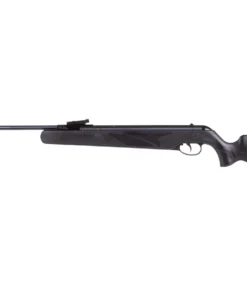
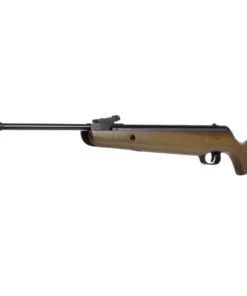
Norica Magnum Pro Air Rifle
€130.00
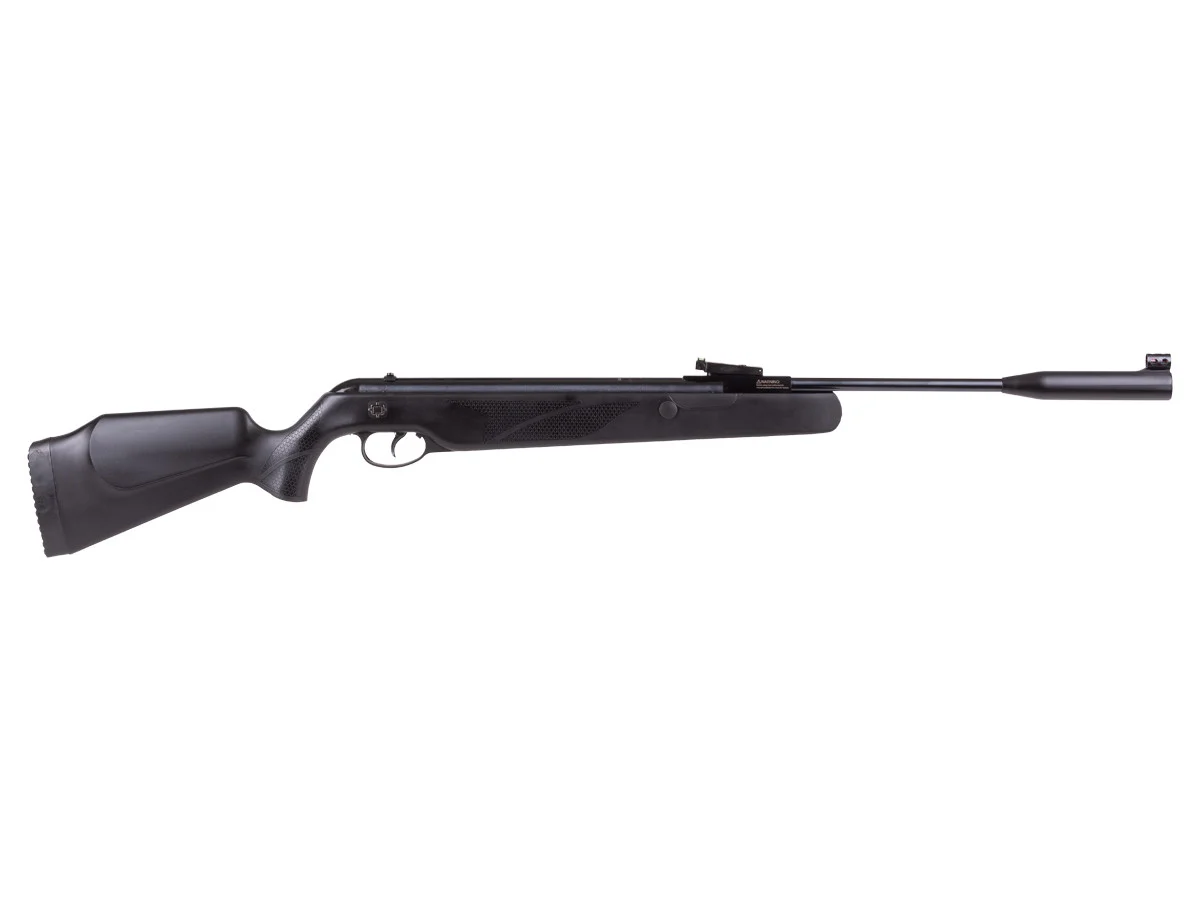
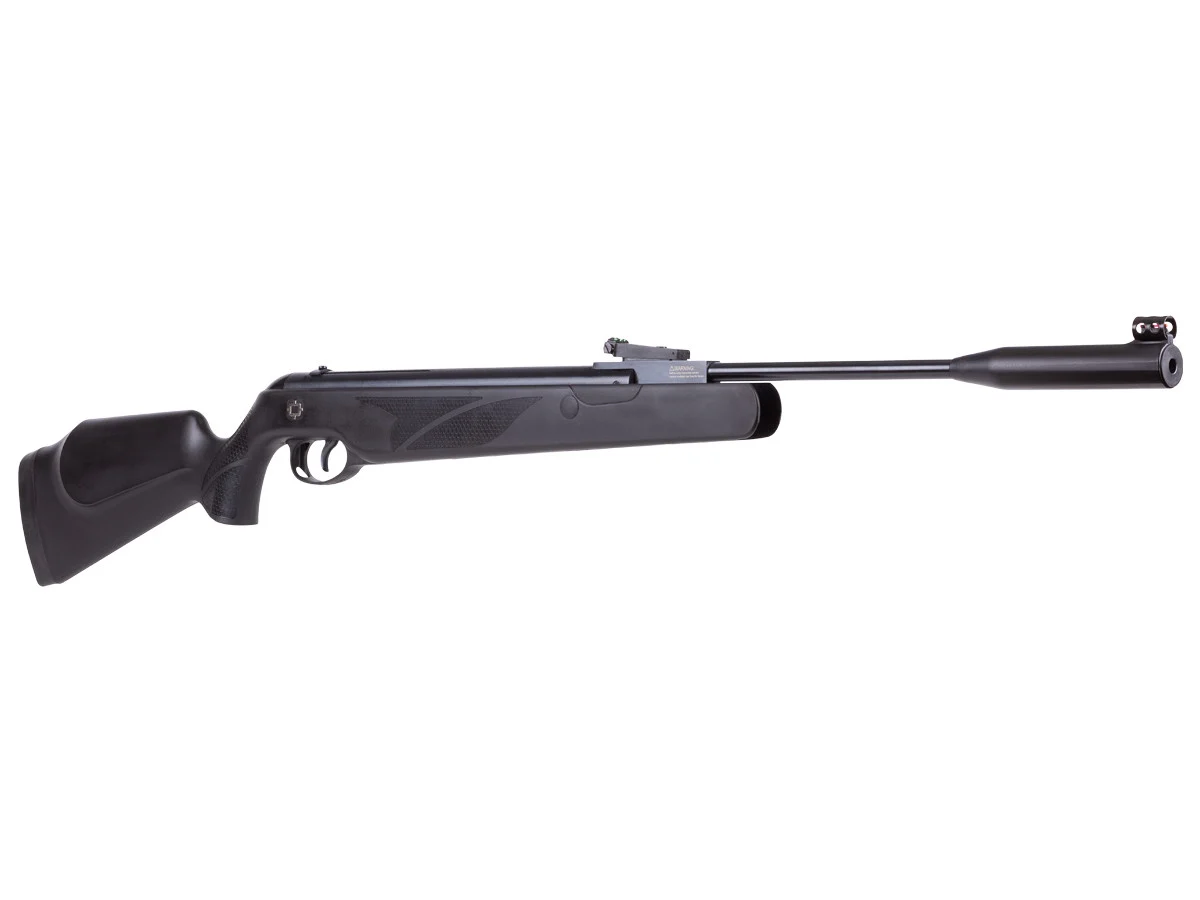
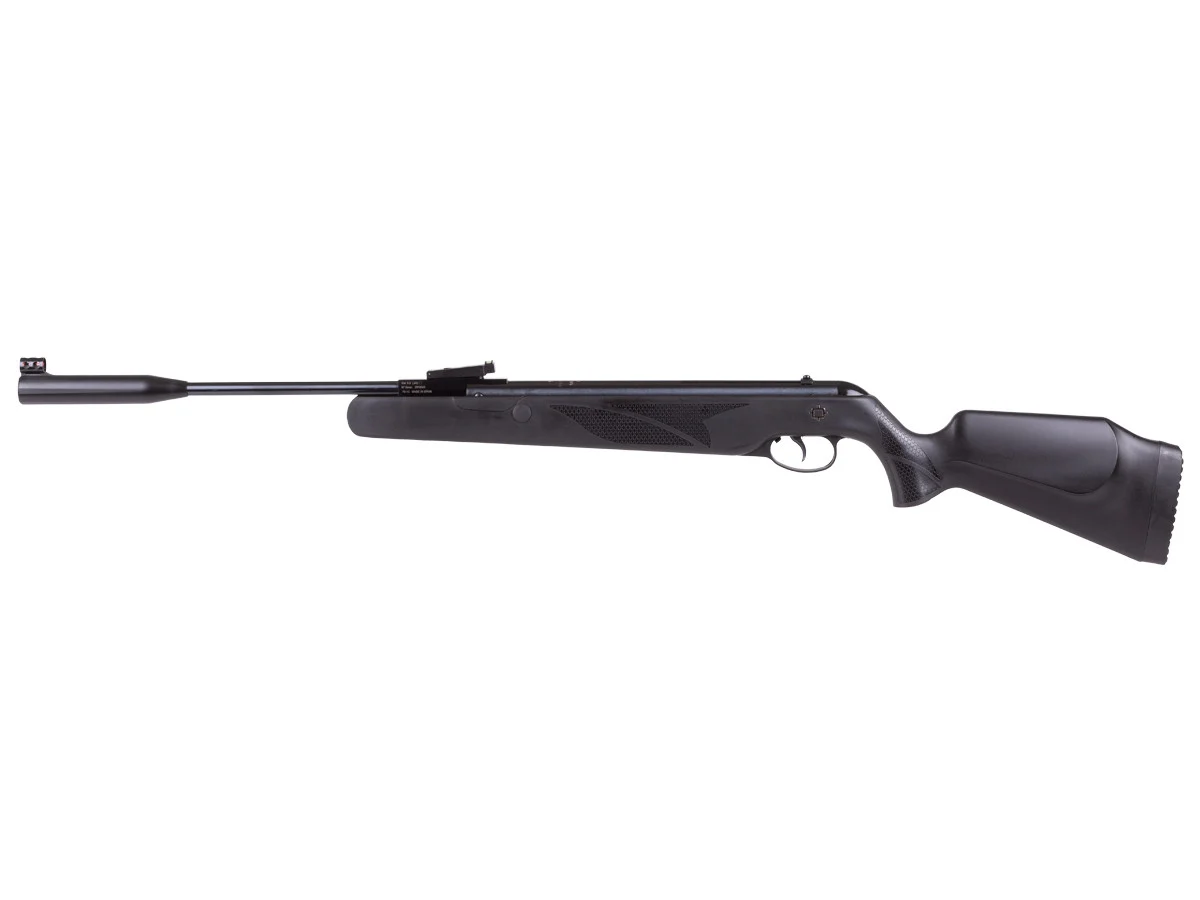
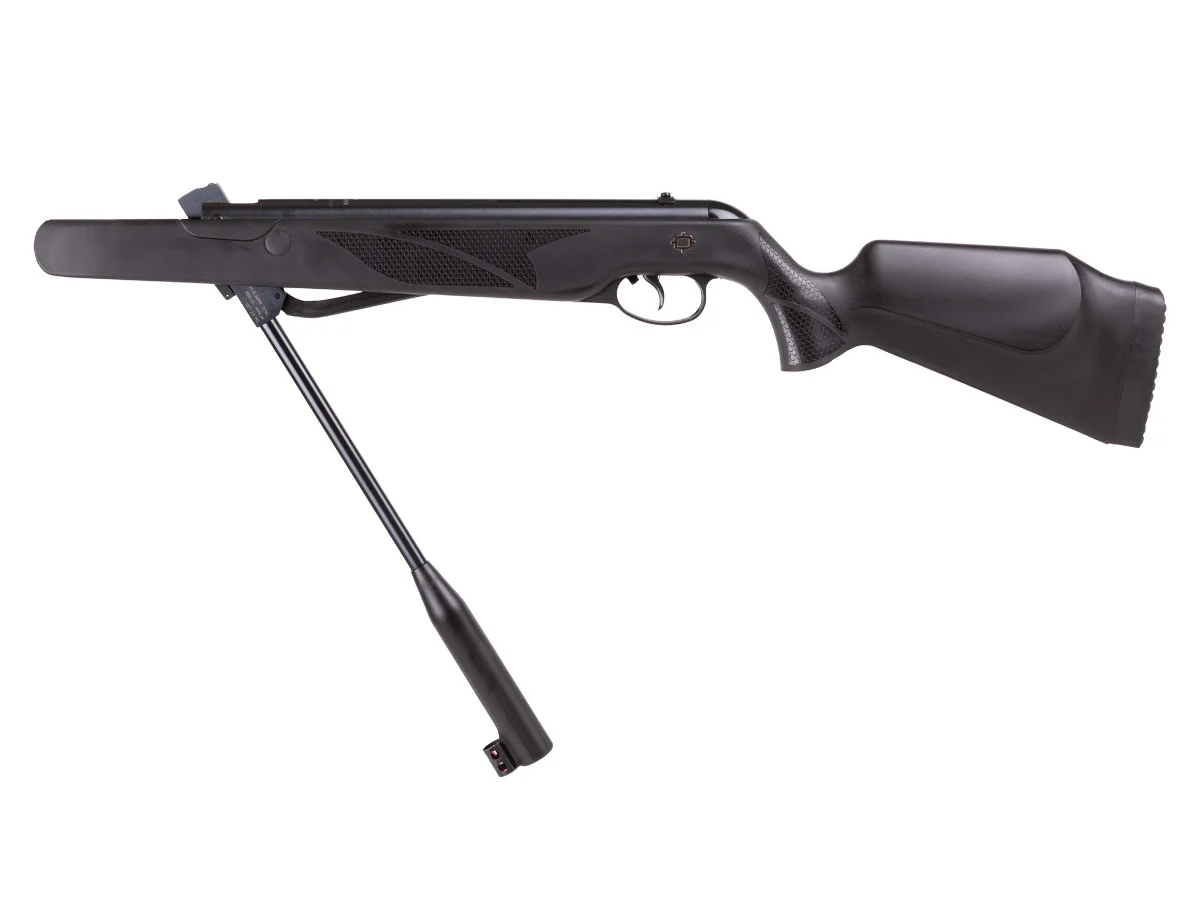
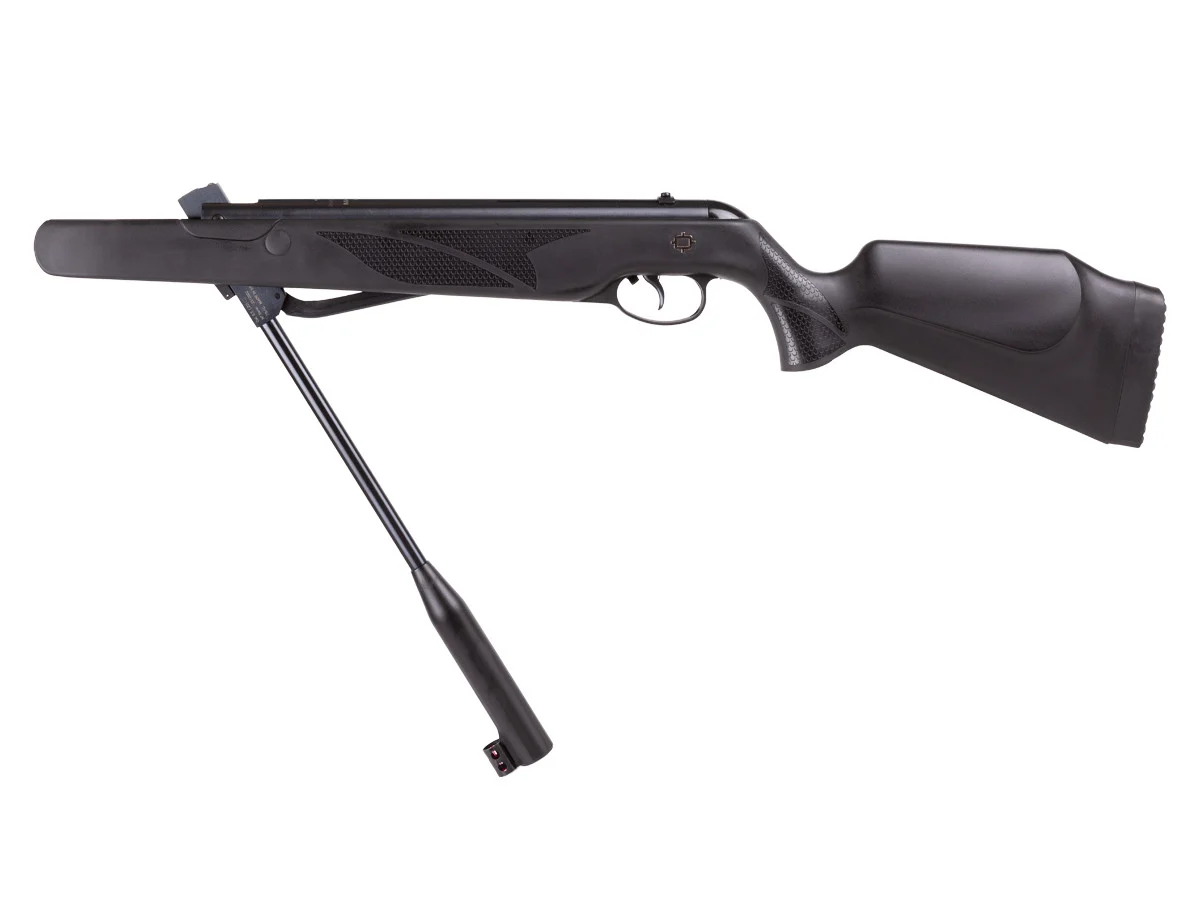
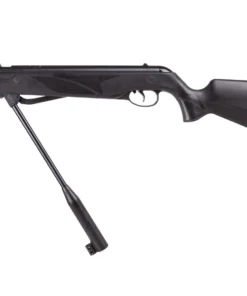
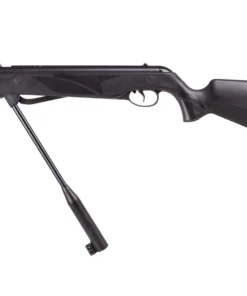
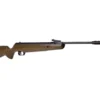
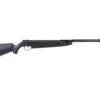
The Norica Magnum Pro Air Rifle is a breakbarrel airgun with a focus on comfort and ease of use in a convenient and maneuverable package. It is capable of reaching velocities of up to 790 FPS for the power to perform effective pest control, small-game hunting, and accurate target shooting.
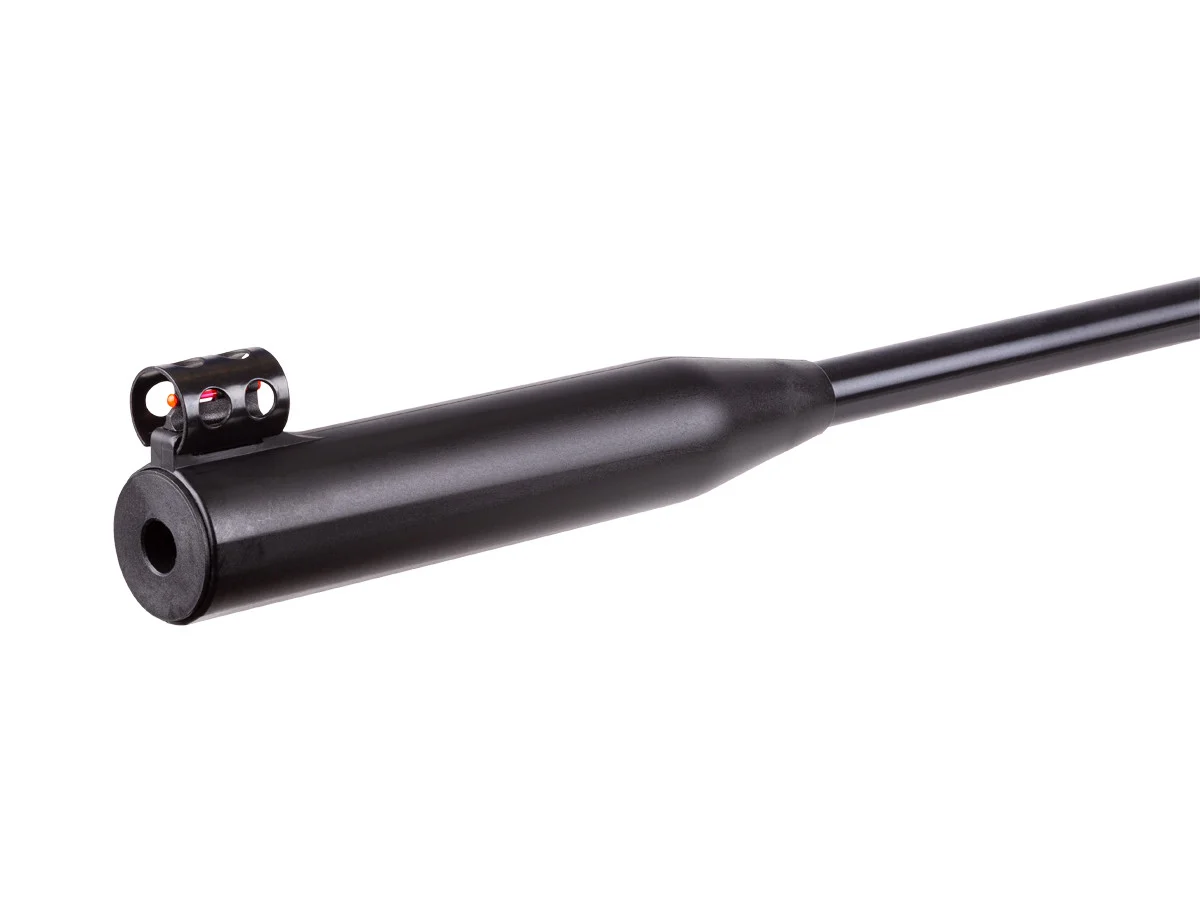
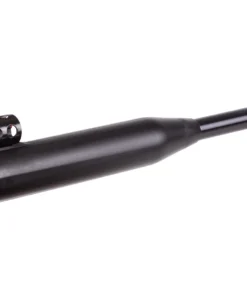
The SilentShot technology on this air rifle utilizes an integrated moderator on the end of the barrel to provide shots that are quieter than expected for an airgun of this type and power level. In addition, the German steel mainspring and solid steel breech work together to offer improved longevity compared to competing air rifles using inferior components.
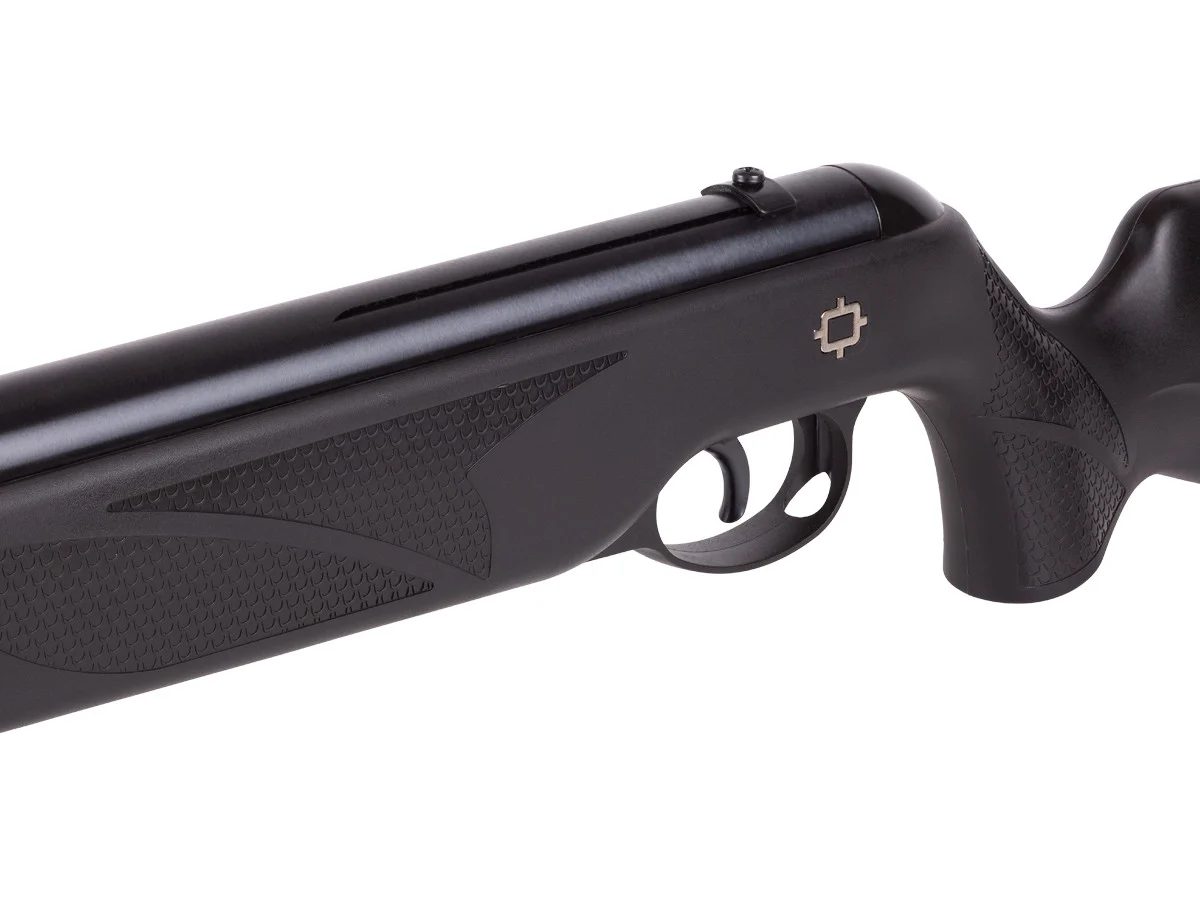
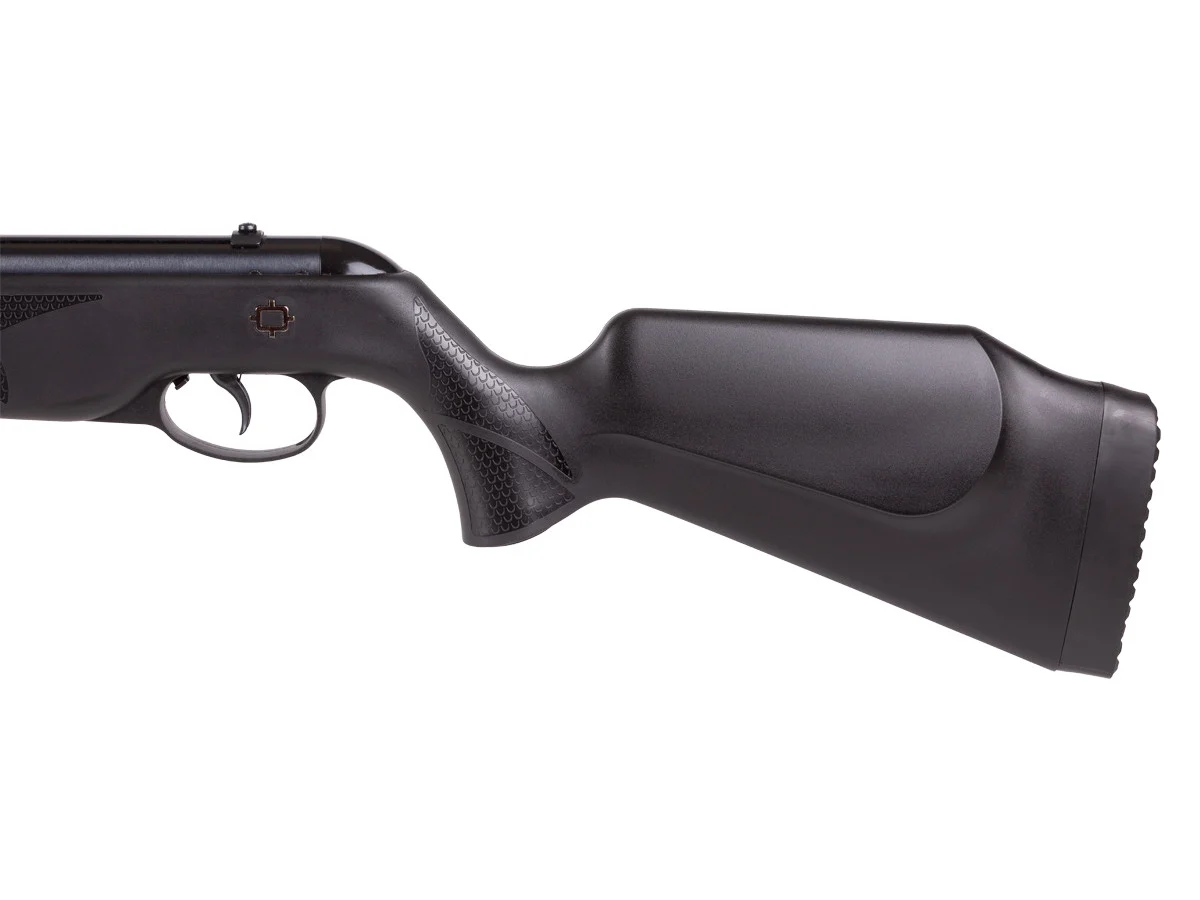
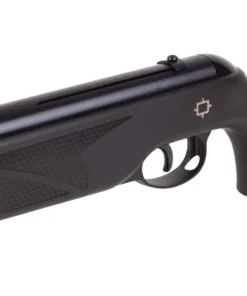
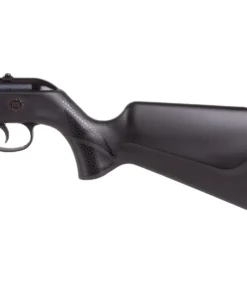
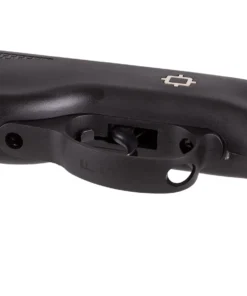
The Norica Magnum Pro Air Rifle utilizes a comfortable grip with texturing that prevents slippage in the presence of moisture, as well as a textured forearm for a firm hold. It also offers an automatic safety and a ridged rubber buttpad for additional comfort when compared to air rifles that use a plastic buttpad.
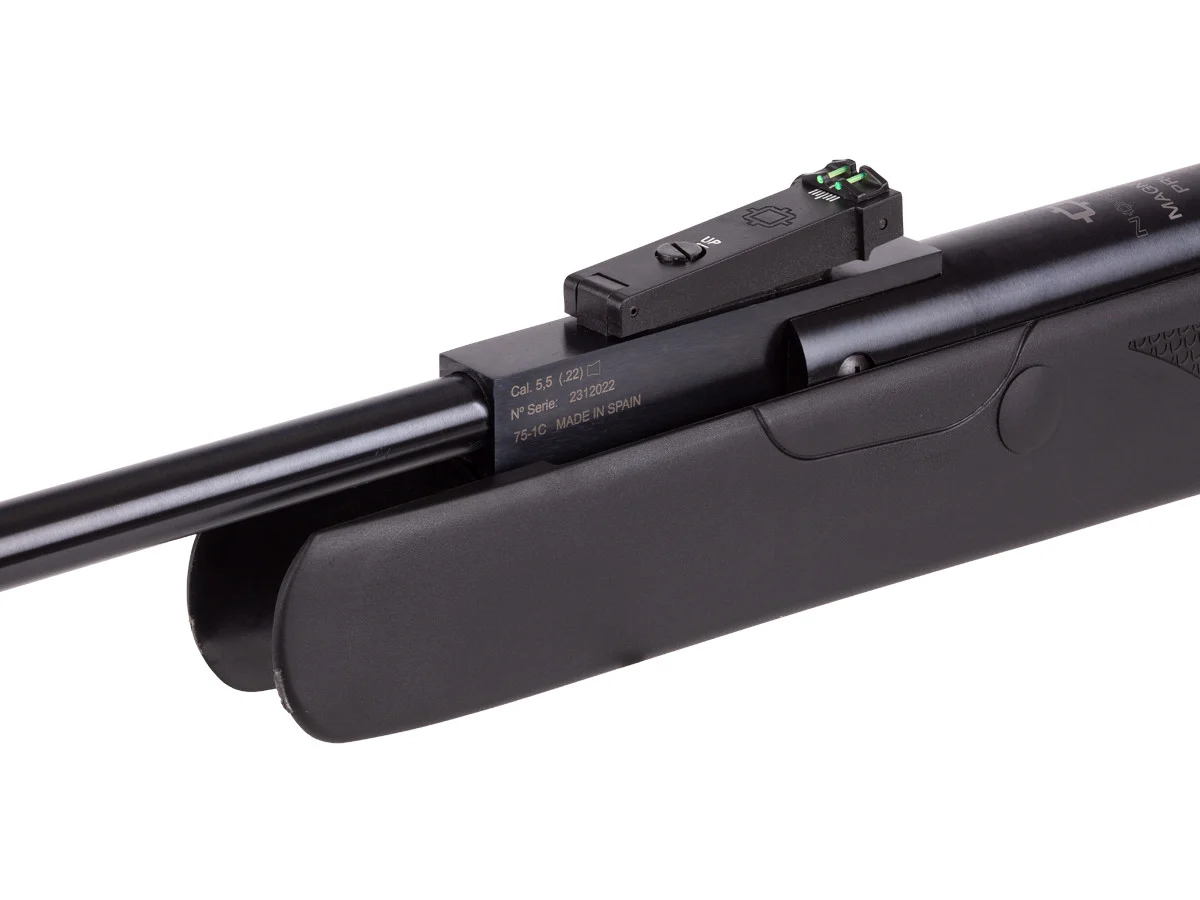
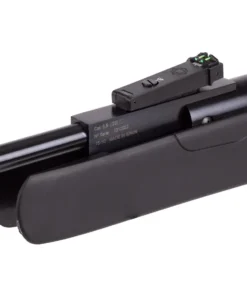
For accurate sighting options immediately after unboxing, this air rifle comes with a hooded fiber optic front sight and an adjustable fiber optic rear sight, in addition to an 11mm dovetail optics rail that enables adding a scope or other optic. The spring-piston powerplant on this single-shot airgun provides reliable operation and repeatable consistency without requiring expensive accessories.
Norica Magnum Pro Air Rifle
- Breakbarrel
- Single-shot
- Spring-piston powerplant
- Synthetic stock
- German steel mainspring
- Solid steel breech
- SilentShot technology with integrated moderator
- Max. velocity: 790 FPS (.22)
- Textured grip and forearm
- Hooded fiber optic front sight
- Adjustable fiber optic rear sight
- 11mm dovetail optics rail
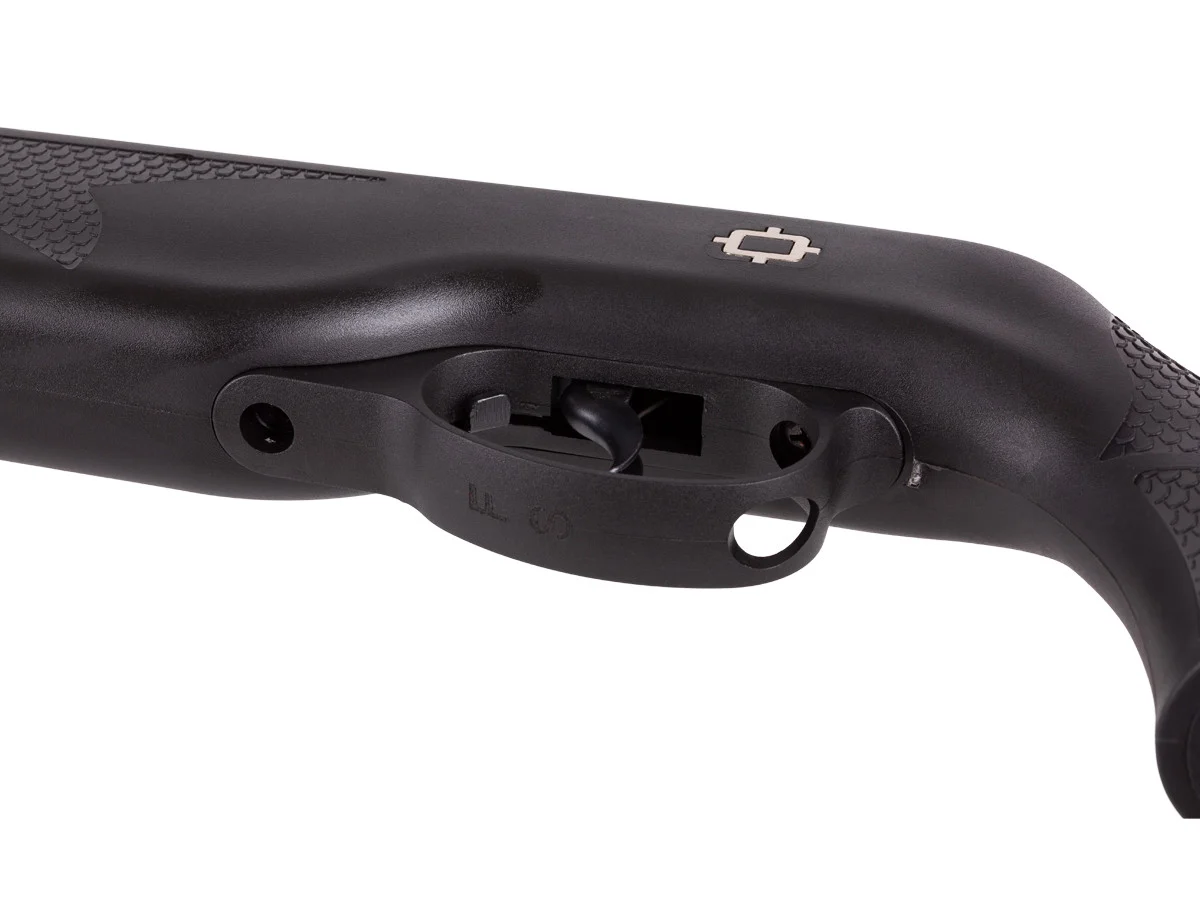
- Automatic safety
- Ridged rubber buttpad
- Barrel length: 14″
- Overall length: 46″
- Weight: 6.4 lbs.
Specifications
BrandCaliber.22 (5.5mm)Max Velocity790 fps Suggested forSmall game hunting/target practicePowerplantSpring-pistonLoudness3-MediumWeight6.4 lbsFunctionSingle-shotActionBreak barrelFixed/adj. powerFixedScopeable11mm dovetailFront SightsFiber OpticRear SightsFiber OpticSafetyAutomaticTrigger Pull4.0 lbsBarrelRifledBarrel Length14.0″Overall Length46.0″Cocking Effort25 lbsBody TypeRifleStockSyntheticButtplateRubberColorBlack
Norica Magnum Pro Air Rifle – Powerful Spring-Piston Break Barrel, SilentShot Technology, Spanish Precision Engineering and Advanced Sporting Performance
Norica Magnum Pro Air Rifle – Spanish Engineering, Precision Manufacturing and Modern Spring-Piston Technology
The Norica Magnum Pro Air Rifle combines traditional Spanish sporting craftsmanship, precision mechanical engineering, and contemporary spring-piston technology within a durable break-barrel platform.
Manufactured in Spain, this single-shot rifle incorporates a German steel mainspring, reinforced steel breech, precision-rifled barrel, and advanced NTS EVO trigger system.
Furthermore, its integrated SilentShot technology features a permanently fitted sound-reduction assembly designed to moderate the mechanical report without making the equipment completely silent.
The rifle features an ambidextrous, shock-resistant synthetic stock, textured grip surfaces, and a protective rubber buttpad.
Additionally, open fiber-optic sights provide a factory-installed sighting arrangement, while an 11mm dovetail rail accommodates compatible optional optics.
The standard manufacturer configuration delivers a published maximum muzzle energy of 22.3 joules, although regional power limits may require lower-rated versions.
Consequently, customers should verify the exact specification before purchasing.
Unlike compressed-air reservoir systems, this traditional mechanical configuration does not require external charging equipment.
Its self-contained design combines established sporting principles with modern manufacturing techniques.
However, actual accuracy depends on equipment condition, compatible ammunition, environmental circumstances, and individual experience.
Advanced German Steel Mainspring and Break-Barrel Engineering
The spring-piston mechanism represents the foundation of the rifle’s mechanical construction.
Its German steel mainspring operates within a carefully manufactured internal assembly, while the reinforced breech contributes to the platform’s structural design.
Furthermore, the precision-rifled steel barrel and NTS EVO trigger reflect established mechanical engineering principles.
The automatic safety mechanism adds a factory-designed protective feature.
However, responsible handling and manufacturer-approved maintenance remain essential.
Norica Air Rifle Models and Product Family Comparisons
Customers researching the wider collection may encounter Norica air rifle, Norica Quick, Norica Marvic, Norica Titan, Norica Ox, Norica springer rifle, Norica Quick 500, Norica Titan XS, and Norica Black Hawk.
Related comparisons include Norica Quick review, Norica Quick accuracy review, Norica Titan power output, Norica vs Hatsan, and Best Norica air rifle.
These expressions describe different products, technical comparisons, or customer research topics.
Consequently, their published characteristics should not be confused with those of the featured configuration.
Caliber Options, Synthetic Furniture and Compatible Accessories
Related searches include Norica .177 air rifle, Norica .22 air rifle, Norica 4.5mm air rifle, and Norica 5.5mm air rifle.
Additional expressions include Norica break barrel rifle, Norica synthetic stock, Norica air rifle moderator, Norica scope mounts, and Norica pellets.
Customers may also search Buy Norica air rifle or Norica air rifle for sale when researching authorized suppliers.
However, replacement components and optional accessories should match the manufacturer’s documented specifications.
BinTac T9, M50 and T50 Alternative Sporting Equipment
Separate product research includes bintac, bin tac, bintac t9, bintac t9 price, bintac lIc, bintaclic, bintac m50, bintac m50 for sale, and b&w m50.
Additional expressions include bintac t 50, bintac t50, bintac t50 for sale, bintac mcar, bintac mcar air rifle, bintac mcar 457, bintac s45 aea, and bintac t9 full auto.
These searches concern separate product families with different mechanical characteristics.
AEA Harpoon, Zeus and Megalodon Product Comparisons
Alternative pneumatic equipment searches include aea airguns, aea harpoon, aea harpoon price, aea harpoon magnum, bintac aea harpoon, harpoon for sale, and AEA Zeus MKII (Bullpup) Standard 18 Big Bore.
Further expressions include aea megalodon and aea megalodon 58 cal.
However, these products operate within different pneumatic equipment categories.
Their pressure systems, accessories, and technical characteristics do not describe the featured spring-powered configuration.
Taipan Precision Sporting Equipment and Related Searches.
Other product comparisons include taipan slash, taipan slash airgun, taipan slash tactical, taipan veteran, taipan veteran 2, taipan black, and citadel taipan.
Additional expressions include Taipan air rifle, Taipan PCP air rifle, Taipan Veteran II, Taipan Veteran Standard, and Taipan Veteran Long.
Broader research may also include veterans tactical, veteran tactical, and tactical air guns.
These terms represent separate sporting platforms or general search categories rather than interchangeable components.
Norica Magnum Pro Air Rifle – Technical Specifications
- Manufacturer: Norica
- Country of manufacture: Spain
- Model: Magnum Pro
- Operating system: Spring-piston
- Mainspring: German steel
- Action: Manual break barrel
- Loading system: Single-shot
- Available calibers: .177 / 4.5mm and .22 / 5.5mm
- Barrel: Precision-rifled steel
- Barrel length: 354mm / approximately 13.94 inches
- Overall length: 1,160mm / approximately 45.67 inches
- Weight: 2.9kg / approximately 6.39 pounds
- Maximum catalog energy: 22.3 joules
- Advertised velocity (.177): 305m/s / approximately 1,001 FPS
- Advertised velocity (.22): 250m/s / approximately 820 FPS
- Trigger: NTS EVO
- Breech construction: Solid steel
- Sound reduction: Integrated, non-removable SilentShot assembly
- Safety: Automatic mechanical safety
- Stock: Shock-resistant ambidextrous synthetic
- Grip: Textured pistol grip and forearm
- Buttpad: Rubber
- Additional furniture feature: Storage compartment in grip
- Factory sights: Open fiber-optic front and rear sights
- Optics rail: 11mm dovetail
- Model reference (.177): 111.13.510
- Model reference (.22): 111.13.511
- Scope inclusion: Not standard; verify retailer bundle
Why Consider This Spanish Sporting Rifle?
The platform combines established European manufacturing experience with durable synthetic furniture, traditional spring-powered engineering, and contemporary mechanical components.
Furthermore, its self-contained power system eliminates the need for separate compressed-air filling equipment.
The reinforced steel breech, modern trigger assembly, precision-rifled barrel, and factory fiber-optic sights contribute to its distinctive technical identity.
Its permanently integrated sound-reduction assembly adds another recognizable design feature.
However, responsible purchasing requires accurate product identification, suitable ammunition, appropriate storage, and compliance with applicable regulations.
For enthusiasts interested in mechanical craftsmanship and modern sporting equipment, this configuration offers a distinctive combination of traditional engineering, contemporary materials, and practical ownership characteristics.
Advanced Spring-Piston Engineering, Precision Manufacturing, Spanish Craftsmanship, Mechanical Reliability, Ergonomic Construction and Long-Term Ownership
2.1 Spanish Manufacturing Heritage and Modern Sporting Innovation
Spain has established a longstanding tradition of producing mechanical sporting equipment through specialized metalworking, industrial craftsmanship, and continuous manufacturing development. Over the years, improvements in materials science and production technology have contributed to increasingly refined recreational products.
The featured configuration reflects this engineering background through its carefully manufactured steel components, reinforced mechanical assemblies, and modern synthetic furniture.
Furthermore, the combination of traditional construction principles and contemporary design demonstrates the manufacturer’s commitment to producing recognizable sporting equipment.
High manufacturing standards depend on appropriate material selection, consistent machining tolerances, reliable assembly procedures, and comprehensive quality inspections.
However, manufacturing heritage alone cannot guarantee identical durability under every condition.
Environmental exposure, accidental impacts, ordinary wear, and maintenance history may influence long-term equipment condition.
Consequently, responsible ownership should include appropriate storage, genuine replacement components, and qualified technical assistance whenever necessary.
2.2 Traditional Spring-Piston Technology and Mechanical Development
The conventional spring-powered operating system forms the foundation of the equipment’s mechanical architecture.
Its construction incorporates a carefully manufactured steel mainspring, internal piston assembly, and supporting components designed to function together within the manufacturer’s approved specifications.
Furthermore, this arrangement reflects established engineering principles that have remained relevant throughout the development of recreational sporting equipment.
Unlike systems that depend on external compressed-air filling equipment, the mechanical powerplant operates as a self-contained assembly.
However, self-contained construction does not eliminate ordinary maintenance responsibilities.
Internal components experience mechanical stress and may eventually require professional inspection.
Consequently, unauthorized dismantling and improvised repairs should be avoided.
The operating system demonstrates how established mechanical principles can complement modern manufacturing methods.
Its recognizable construction contributes to the equipment’s distinctive identity while maintaining the importance of responsible servicing.
2.3 German Steel Mainspring and Material Quality
The precision-manufactured steel mainspring represents an important component of the mechanical powerplant.
Its construction requires appropriate metallic materials, controlled production procedures, and carefully established dimensions.
Furthermore, the spring must maintain suitable relationships with the surrounding internal assemblies.
Material quality contributes to the intended mechanical characteristics of the completed equipment.
However, even carefully manufactured steel components remain subject to ordinary wear and fatigue.
Environmental conditions, maintenance history, and prolonged use may influence their condition.
Consequently, owners should follow official servicing recommendations.
Unauthorized alterations to internal spring components may compromise reliability and introduce serious safety hazards.
Professional assessment remains appropriate whenever suspected malfunction develops.
The mainspring illustrates how traditional industrial metalworking continues to contribute to contemporary sporting equipment manufacturing.
Its construction reflects established principles of mechanical engineering and precision production.
2.4 Reinforced Steel Breech and Structural Engineering
The reinforced breech contributes significantly to the equipment’s overall mechanical architecture.
Its construction incorporates carefully manufactured metallic components intended to maintain appropriate structural relationships with the surrounding barrel and operating action.
Furthermore, suitable steel materials support the manufacturer’s intended structural characteristics.
Precision machining remains important because interconnected components require consistent dimensions and correct assembly relationships.
However, reinforced construction does not provide unlimited resistance to accidental impacts or unsuitable maintenance.
Visible deformation, unexpected movement, or suspected mechanical damage should receive qualified professional assessment.
Consequently, owners should preserve the original factory configuration.
Unauthorized modifications may compromise the structural characteristics of the complete assembly.
The breech demonstrates how traditional metalworking expertise contributes to modern recreational sporting equipment.
Its importance extends beyond exterior appearance because structural integrity remains essential throughout ownership.
2.5 Precision-Rifled Barrel and Manufacturing Excellence
The rifled steel barrel represents an essential element of the equipment’s technical construction.
Its manufacture requires suitable metallic materials, accurately controlled internal dimensions, and consistent machining procedures.
Furthermore, the barrel must maintain appropriate relationships with the surrounding breech and supporting components.
Manufacturing precision contributes to the intended mechanical characteristics of the completed platform.
However, a carefully manufactured barrel does not guarantee identical accuracy results under every circumstance.
Actual recreational performance depends on equipment condition, compatible ammunition, environmental influences, and individual experience.
Consequently, exaggerated precision guarantees should be avoided.
Sensitive internal surfaces also require appropriate care.
Abrasive cleaning products, unsuitable chemicals, and unauthorized alterations may compromise their condition.
Qualified inspection remains appropriate whenever suspected deterioration develops.
The assembly demonstrates how established metalworking techniques continue to complement contemporary mechanical engineering.
2.6 Single-Shot Construction and Traditional Mechanical Architecture
The single-shot operating arrangement reflects established sporting equipment design principles.
Its construction incorporates a manually operated action and dedicated mechanical assemblies rather than a detachable repeating magazine.
Furthermore, the arrangement contributes to the platform’s recognizable traditional appearance.
Mechanical simplicity in one area does not necessarily mean that the entire equipment requires no maintenance.
Moving components, supporting structures, and internal assemblies may experience ordinary wear.
Consequently, responsible ownership includes periodic visual inspection and compliance with manufacturer-approved servicing recommendations.
Unexpected resistance or abnormal mechanical behavior should receive qualified professional attention.
The single-shot architecture demonstrates how longstanding mechanical concepts remain relevant within modern industrial manufacturing.
Its design contributes to a distinctive sporting platform without relying on the more complex feeding arrangements used in certain alternative equipment categories.
2.7 Integrated Sound-Reduction Design and Acoustic Engineering
The permanently integrated sound-reduction assembly contributes to the equipment’s recognizable exterior appearance.
Its construction incorporates specialized components designed to moderate certain acoustic characteristics.
Furthermore, the arrangement reflects the manufacturer’s approach to combining mechanical technology with contemporary sporting design.
However, sound reduction does not mean complete silence.
Actual acoustic characteristics depend on environmental circumstances, mechanical condition, and other operating factors.
Consequently, product descriptions should avoid unsupported promises of silent operation.
The integrated assembly also requires appropriate maintenance.
Accidental impacts, aggressive cleaning products, and unauthorized modifications may compromise its condition.
The permanent factory construction should remain within the manufacturer’s approved specifications.
Qualified professional inspection remains advisable whenever suspected damage develops.
The design illustrates how specialized acoustic engineering can complement traditional mechanical sporting equipment.
2.8 Modern Trigger Assembly and Mechanical Refinement
The factory trigger mechanism contributes to the equipment’s specialized mechanical architecture.
Its construction incorporates carefully manufactured interacting components intended to function according to approved specifications.
Furthermore, the assembly forms part of a broader mechanical arrangement involving the action and safety system.
Consistent production standards remain important because mechanical controls require appropriate dimensional relationships.
However, trigger components are safety-critical assemblies.
Unauthorized adjustments or replacement parts may compromise their intended function.
Consequently, servicing should follow manufacturer-approved procedures.
Unexpected movement, abnormal resistance, or suspected malfunction requires qualified professional assessment.
Individual perceptions of trigger quality may vary according to personal experience and expectations.
Therefore, responsible evaluation should prioritize verified specifications, suitable mechanical condition, and safe operation.
The design demonstrates how contemporary manufacturing integrates refined mechanical controls with established sporting traditions.
2.9 Automatic Safety and Responsible Handling Principles
The automatic safety mechanism forms an important part of the manufacturer’s approved operating architecture.
Its construction incorporates specialized mechanical components designed to function within established specifications.
Furthermore, the inclusion of this feature reflects attention to responsible product engineering.
However, no mechanical safety device eliminates the need for appropriate handling practices.
Owners must follow official instructions, prevent unauthorized access, and comply with applicable regulations.
Safety-related components also require periodic inspection.
Visible deterioration, unexpected movement, or suspected malfunction should receive qualified technical assessment.
Consequently, responsible ownership extends beyond the presence of a particular mechanical control.
Secure storage, appropriate supervision, and lawful recreational facilities remain essential considerations.
The safety assembly demonstrates how engineering and human responsibility must work together throughout the equipment’s service life.
2.10 Shock-Resistant Synthetic Furniture and Material Engineering
The modern synthetic stock contributes significantly to the equipment’s distinctive exterior appearance.
Its construction incorporates molded materials designed to support the surrounding mechanical assemblies.
Furthermore, contemporary polymers allow manufacturers to produce consistent shapes, specialized textures, and durable exterior surfaces.
However, shock-resistant construction should not be interpreted as complete immunity to damage.
Severe impacts, excessive heat, prolonged sunlight exposure, and aggressive chemicals may influence material condition.
Consequently, appropriate handling and storage remain important.
Routine inspection helps identify cracking, deformation, or deterioration around attachment points.
The furniture demonstrates how modern industrial materials complement traditional steel mechanisms.
Its contribution extends beyond appearance because structural integrity remains relevant throughout ownership.
Suitable maintenance helps preserve the original exterior finish while reducing avoidable material deterioration.
2.11 Ambidextrous Design and Inclusive Ergonomic Construction
The ambidextrous furniture reflects an approach to sporting equipment design that accommodates different individual preferences.
Its exterior construction incorporates features intended to provide a broadly accessible arrangement.
Furthermore, this design differs from specialized furniture intended exclusively for one preferred hand orientation.
However, ambidextrous construction does not guarantee identical comfort for every user.
Individual physical proportions, personal preferences, and recreational requirements vary considerably.
Consequently, prospective owners should evaluate the actual product before purchasing.
The furniture also requires suitable maintenance.
Accidental impacts, environmental exposure, and inappropriate cleaning products may influence its condition.
Routine inspection helps identify visible deterioration.
The design demonstrates how contemporary manufacturers combine ergonomic flexibility with consistent production standards.
Its appeal lies in accessible styling, modern materials, and recognizable sporting construction.
2.12 Textured Grip Surfaces and Contemporary Industrial Styling
The textured exterior surfaces contribute to the equipment’s modern ergonomic appearance.
Their manufacture involves controlled molding procedures and carefully shaped polymer components.
Furthermore, these surfaces distinguish the furniture from completely smooth synthetic construction.
However, surface texture alone cannot establish universal ergonomic suitability.
Physical comfort depends on personal preferences and individual characteristics.
Consequently, buyers should evaluate the complete furniture design rather than focus exclusively on decorative features.
The material requires appropriate care throughout ownership.
Aggressive solvents, excessive heat, and abrasive cleaning products may alter the exterior finish.
Routine inspection helps identify cracking, deformation, or surface deterioration.
The textured construction illustrates how modern industrial manufacturing incorporates functional styling into recreational sporting equipment.
Together with the supporting stock, these surfaces contribute to the product’s recognizable identity.
2.13 Rubber Buttpad and Supporting Stock Construction
The rubber buttpad contributes to the rear furniture’s overall construction.
Its manufacture incorporates molded elastomeric materials intended to complement the supporting stock.
Furthermore, the component reflects established sporting equipment design principles.
However, rubber materials remain susceptible to aging and environmental deterioration.
Prolonged ultraviolet exposure, excessive heat, inappropriate chemicals, and repeated accidental impacts may affect material condition.
Consequently, periodic inspection remains valuable.
Visible cracking, separation, or deformation may indicate a need for professional assessment.
Appropriate storage contributes to preserving the original material characteristics.
The rear furniture also influences the equipment’s overall physical dimensions and external appearance.
Its construction demonstrates how manufacturers combine different materials within one coordinated structural assembly.
Long-term durability depends on material quality and responsible maintenance.
2.14 Fiber-Optic Sighting Components and Material Construction
The factory-installed fiber-optic sights contribute to the platform’s recognizable external features.
Their construction incorporates specialized light-transmitting materials and supporting mechanical components.
Furthermore, the system reflects established sporting equipment manufacturing principles.
However, fiber-optic elements may be vulnerable to accidental impacts or unsuitable cleaning products.
Their condition should therefore be inspected periodically.
Damaged components require compatible replacements and appropriate technical assessment.
The presence of factory sights also distinguishes this configuration from certain sporting platforms supplied without open sighting equipment.
Nevertheless, accessory compatibility must still be verified through official documentation.
The sighting components demonstrate how manufacturers integrate specialized materials into traditional mechanical structures.
Responsible maintenance contributes to preserving their original condition and avoiding unnecessary damage.
2.15 Optical Mounting Interface and Accessory Compatibility
The receiver incorporates a dedicated mounting interface intended for compatible sporting optical equipment.
Its construction requires accurate dimensions, suitable materials, and appropriate structural support.
Furthermore, the interface contributes to the product’s modern accessory provisions.
However, standardized mounting dimensions do not guarantee compatibility with every aftermarket product.
Different accessories may incorporate separate fastening requirements or structural characteristics.
Consequently, customers should verify compatibility through official manufacturer documentation.
Improperly fitted equipment may damage supporting surfaces or introduce mechanical concerns.
Routine inspection helps identify visible deterioration or insecure hardware.
The mounting interface demonstrates how contemporary sporting equipment combines traditional mechanical construction with modern accessory technology.
Optional products should only be described as included when the exact retailer package confirms their presence.
2.16 Full-Length Sporting Architecture and Physical Characteristics
The equipment’s full-length architecture contributes to its recognizable traditional sporting profile.
Its physical proportions reflect the relationship between the barrel, operating mechanism, internal powerplant, and supporting furniture.
Furthermore, the complete arrangement demonstrates how several interconnected assemblies form one coordinated structure.
However, overall length alone does not determine suitability for every individual.
Weight distribution, physical proportions, personal preferences, and intended lawful recreational activities remain important.
Consequently, prospective owners should evaluate the actual product rather than rely entirely on published measurements.
The equipment also requires appropriate protection during transportation and storage.
Accidental impacts may damage exposed metallic components or supporting furniture.
The design illustrates how conventional sporting proportions can coexist with contemporary manufacturing methods.
Individual suitability should remain part of a balanced purchasing assessment.
2.17 Mechanical Consistency and Long-Term Component Relationships
Mechanical consistency depends on the relationship between several interconnected assemblies.
The barrel, breech, mainspring, trigger mechanism, safety components, and supporting furniture must maintain appropriate structural relationships.
Furthermore, dimensional accuracy contributes to reliable production and assembly standards.
However, exterior appearance cannot independently establish internal mechanical condition.
Consequently, prospective owners should evaluate authentic technical documentation and reputable product information.
Ordinary wear, accidental impacts, or environmental contamination may affect mechanical relationships.
Routine visual inspection helps identify visible concerns.
Unexpected resistance or abnormal movement should receive qualified assessment.
The complete equipment illustrates how separately manufactured components contribute to one coordinated mechanical structure.
Therefore, engineering quality should be evaluated across the entire platform rather than inferred from a single specification or decorative feature.
2.18 Regional Power Ratings and Product Variations
Sporting equipment manufacturers may offer different power-rated configurations according to regional regulations.
Furthermore, published technical specifications may reflect particular market requirements and testing procedures.
However, maximum catalog values should not automatically be treated as universal specifications.
Actual characteristics may differ according to the production version, compatible ammunition, mechanical condition, and applicable restrictions.
Consequently, buyers should verify the exact configuration supplied by their chosen retailer.
The distinction between manufacturer catalog ratings and regional specifications deserves particular attention.
Different countries may classify air-powered sporting equipment according to separate legal standards.
Responsible purchasing therefore involves understanding local requirements.
Accurate product descriptions should identify relevant market variations whenever possible.
This approach supports transparent communication and helps establish realistic customer expectations.
2.19 Caliber Options and Product Identification
The broader sporting equipment family includes different factory caliber configurations.
Each version incorporates specific barrel dimensions and ammunition compatibility requirements.
Furthermore, regional availability may vary according to distributor offerings and local legislation.
However, different caliber configurations should not automatically be considered mechanically interchangeable.
Replacement components intended for another version may not match the manufacturer’s specifications.
Consequently, accurate product identification remains important.
Customers should consult official documentation before purchasing replacement parts.
The selected configuration may also influence local licensing requirements or permitted recreational activities.
Responsible ownership therefore includes understanding applicable restrictions.
The availability of multiple factory versions demonstrates how manufacturers accommodate different sporting equipment preferences through specialized production.
Accurate identification helps prevent compatibility problems and supports appropriate maintenance throughout ownership.
2.20 Protective Surface Finishes and Corrosion Considerations
Protective exterior finishes contribute to preserving the appearance of exposed metallic components.
Depending on their composition, suitable surface treatments may offer resistance against certain forms of ordinary environmental deterioration.
Furthermore, consistent finishing contributes to the equipment’s cohesive industrial appearance.
However, no protective coating guarantees complete resistance to scratches, abrasion, moisture, or aggressive chemicals.
Consequently, appropriate cleaning and storage remain important.
Different materials may require different maintenance products.
A cleaning substance suitable for metallic surfaces may not be appropriate for rubber or synthetic furniture.
Routine visual inspection helps identify deterioration before it becomes extensive.
The combination of protective finishes and structural materials demonstrates how industrial manufacturing contributes to both durability and product presentation.
Long-term condition nevertheless depends on responsible handling and maintenance history.
2.21 Environmental Exposure and Material Stability
Environmental conditions influence steel components, synthetic furniture, rubber materials, and internal seals.
Prolonged humidity may contribute to surface corrosion, while excessive heat can influence certain polymer components.
Furthermore, ultraviolet exposure may gradually affect exterior finishes.
Consequently, suitable storage conditions remain important.
The equipment should not remain inside enclosed vehicles exposed to extreme temperatures.
Similarly, prolonged dampness may influence vulnerable mechanical components.
However, ordinary outdoor recreational suitability does not automatically establish waterproof construction.
Specific environmental resistance claims should be supported by manufacturer documentation.
Routine inspection remains valuable following exposure to unsuitable conditions.
Different materials may require different cleaning and maintenance procedures.
Responsible environmental protection contributes to preserving structural integrity and exterior appearance throughout ownership.
2.22 Routine Exterior Cleaning and Maintenance Practices
Routine cleaning contributes to preserving the equipment’s appearance and structural condition.
Dust, fingerprints, moisture residue, and ordinary environmental contamination may accumulate on metallic and synthetic surfaces.
Furthermore, different materials require appropriate maintenance products.
Consequently, manufacturer-approved instructions should guide cleaning.
Aggressive solvents, abrasive materials, and excessive force may damage protective finishes or sensitive components.
A cleaning product suitable for steel may not be appropriate for rubber or molded furniture.
Light contamination should be removed using suitable nonabrasive materials.
However, suspected internal damage requires qualified assessment rather than improvised servicing.
Routine visual inspection helps identify external concerns before deterioration becomes more extensive.
Appropriate care contributes to preserving the original appearance while supporting responsible long-term ownership.
2.23 Preventive Inspection and Mechanical Wear
Every mechanical system experiences ordinary wear throughout its intended service life.
The mainspring, piston assembly, breech mechanism, trigger components, and supporting furniture require appropriate inspection.
Furthermore, accidental impacts or environmental contamination may influence component condition.
However, routine inspection should remain within manufacturer-approved procedures.
Unauthorized dismantling of internal mechanisms may introduce serious safety hazards.
Consequently, unexpected resistance, abnormal movement, or suspected malfunction requires qualified technical assessment.
Preventive maintenance helps identify visible concerns before they become extensive.
Genuine replacement components contribute to preserving mechanical compatibility.
Long-term reliability depends on manufacturing quality and responsible ownership.
The importance of inspection demonstrates that durable construction does not eliminate the need for appropriate professional maintenance.
2.24 Qualified Professional Servicing and Replacement Components
Specialized mechanical sporting equipment may eventually require replacement parts or professional servicing.
Consequently, access to qualified technical support should form part of the purchasing decision.
Genuine manufacturer-approved components help preserve compatibility with the intended factory configuration.
Furthermore, authorized technicians possess relevant expertise in evaluating internal assemblies.
However, visually similar replacement parts may not possess identical dimensions or material specifications.
Improvised substitutions may compromise reliability and introduce safety concerns.
Therefore, customers should verify compatibility before purchasing replacement components.
Unauthorized modifications may also affect warranty protection.
Maintaining accurate servicing records contributes to responsible ownership.
Professional support provides an appropriate response whenever suspected malfunction develops.
Long-term reliability depends on preserving the manufacturer’s intended mechanical configuration.
2.25 Secure Storage and Responsible Transportation
Secure storage forms an essential part of responsible sporting equipment ownership.
The product should remain inaccessible to unauthorized individuals whenever it is not in use.
A suitable locked cabinet or another legally compliant arrangement can help meet this requirement.
Furthermore, protective cases may reduce accidental damage during transportation.
However, air-powered sporting equipment may face different legal classifications across jurisdictions.
Regional regulations can address possession, licensing, transportation, storage, and approved recreational activities.
Consequently, owners should verify applicable legislation before purchasing or transporting the equipment.
International movement may involve additional documentation or restrictions.
Responsible ownership combines physical security, legal compliance, and suitable environmental protection.
Detachable accessories should also receive appropriate care during storage.
2.26 Manufacturer Documentation and Warranty Considerations
Official technical documentation contributes significantly to the ownership experience.
The instruction manual provides important information concerning approved maintenance, safety responsibilities, operating limitations, and professional servicing requirements.
Furthermore, genuine replacement components may become necessary as equipment ages.
Access to qualified technical support therefore deserves consideration.
Warranty provisions also require careful review.
Coverage may vary according to distributor, production version, purchase location, and the nature of the reported concern.
Unauthorized modifications, accidental damage, or unsuitable maintenance may fall outside applicable protection.
Consequently, owners should retain purchasing records and consult authorized support channels whenever necessary.
Accurate documentation also helps distinguish standard factory equipment from retailer-added accessories.
These considerations support informed purchasing decisions and responsible maintenance throughout ownership.
2.27 Practical Recreational Sporting Applications
The self-contained mechanical powerplant, durable synthetic furniture, and traditional break-barrel architecture contribute to a distinctive recreational sporting platform.
Its documented features reflect an emphasis on precision manufacturing, established engineering principles, and contemporary industrial materials.
Furthermore, the integrated sound-reduction design and factory-installed sights contribute to its recognizable technical identity.
However, suitability for particular recreational activities depends on applicable legislation, physical requirements, and manufacturer specifications.
The equipment should only be used in lawful environments with appropriate safety controls.
Consequently, purchasing decisions should consider more than exterior appearance or advertised numerical performance.
Secure storage, maintenance responsibilities, and professional servicing availability remain important.
Responsible ownership should prioritize legal compliance, appropriate recreational facilities, and manufacturer-approved handling practices.
2.28 Long-Term Ownership Costs and Practical Value
The initial purchase price represents only one part of the complete ownership experience.
Although the self-contained mechanical system avoids external compressed-air charging requirements, owners may still require compatible accessories, approved ammunition, secure storage, and periodic professional servicing.
Furthermore, replacement components may introduce additional expenses as equipment ages.
However, these costs vary according to production version and local market conditions.
Consequently, prospective owners should evaluate the complete ownership arrangement before purchasing.
Warranty coverage and qualified technical support also influence long-term value.
Genuine components may differ in price from generic alternatives, but mechanical compatibility remains essential.
Responsible purchasing involves balancing initial manufacturing quality with continuing maintenance obligations.
The equipment’s overall value extends beyond any individual numerical specification or exterior feature.
2.29 Final Assessment of Traditional Engineering and Contemporary Craftsmanship
This modern sporting platform combines established steel-mainspring technology, precision-manufactured metallic components, and durable synthetic furniture within a distinctive recreational configuration.
Its reinforced breech, rifled barrel, modern trigger assembly, and automatic safety mechanism reflect attention to coordinated industrial engineering.
Furthermore, the permanently integrated acoustic assembly, fiber-optic sights, and ambidextrous furniture contribute to its recognizable design.
The self-contained power system provides an ownership arrangement that differs from equipment requiring external compressed-air filling systems.
However, responsible maintenance remains essential.
Mechanical components require appropriate inspection, replacement parts must match the correct production version, and applicable legislation must always be respected.
For enthusiasts interested in traditional European manufacturing, contemporary mechanical engineering, and modern sporting materials, this configuration represents a distinctive combination of craftsmanship and practical ownership considerations.
Ultimately, its appeal lies in carefully manufactured components, verified specifications, appropriate maintenance practices, and responsible long-term equipment care.
Be the first to review “Norica Magnum Pro Air Rifle”
Related products

Norica Air Rifles

Norica Air Rifles
Norica Air Rifles
Norica Air Rifles

Norica Air Rifles
Norica Air Rifles
Reviews
There are no reviews yet.