
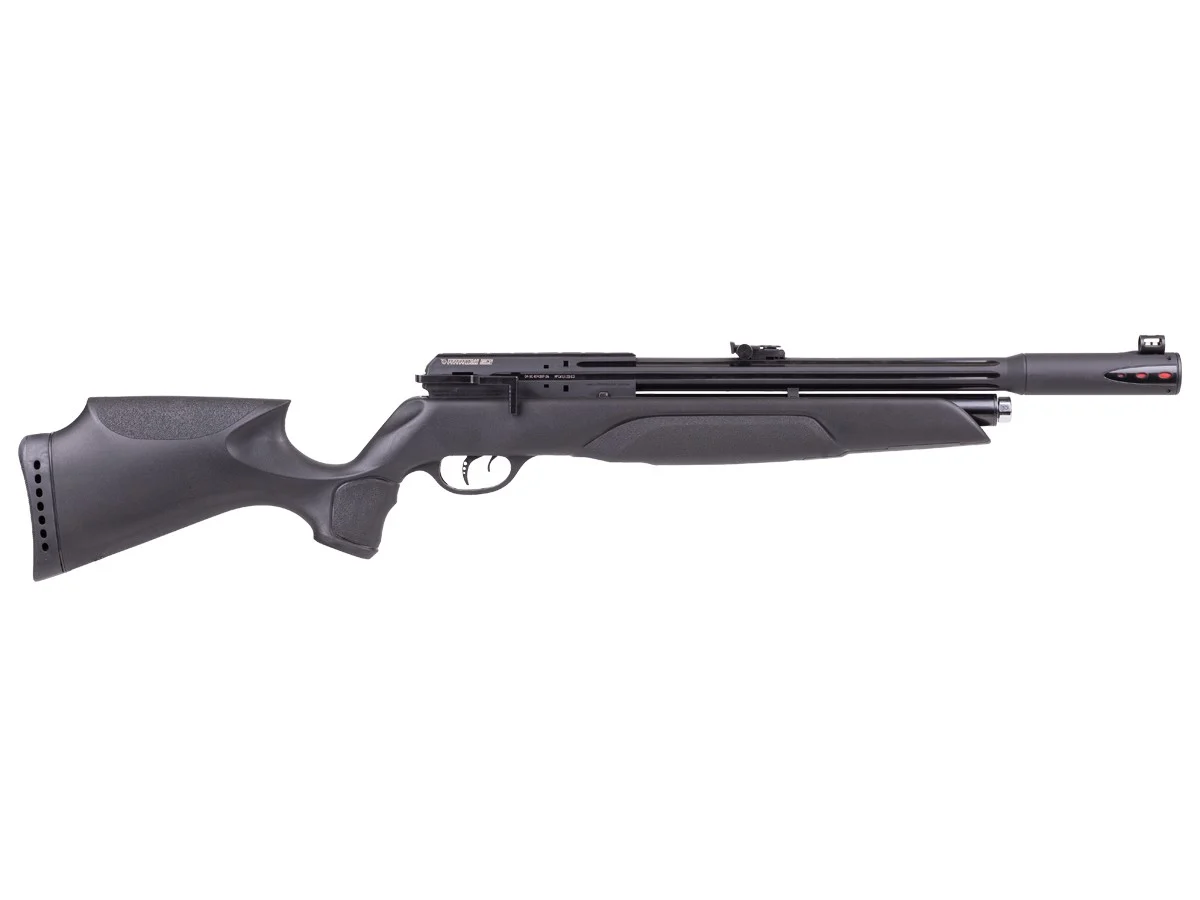
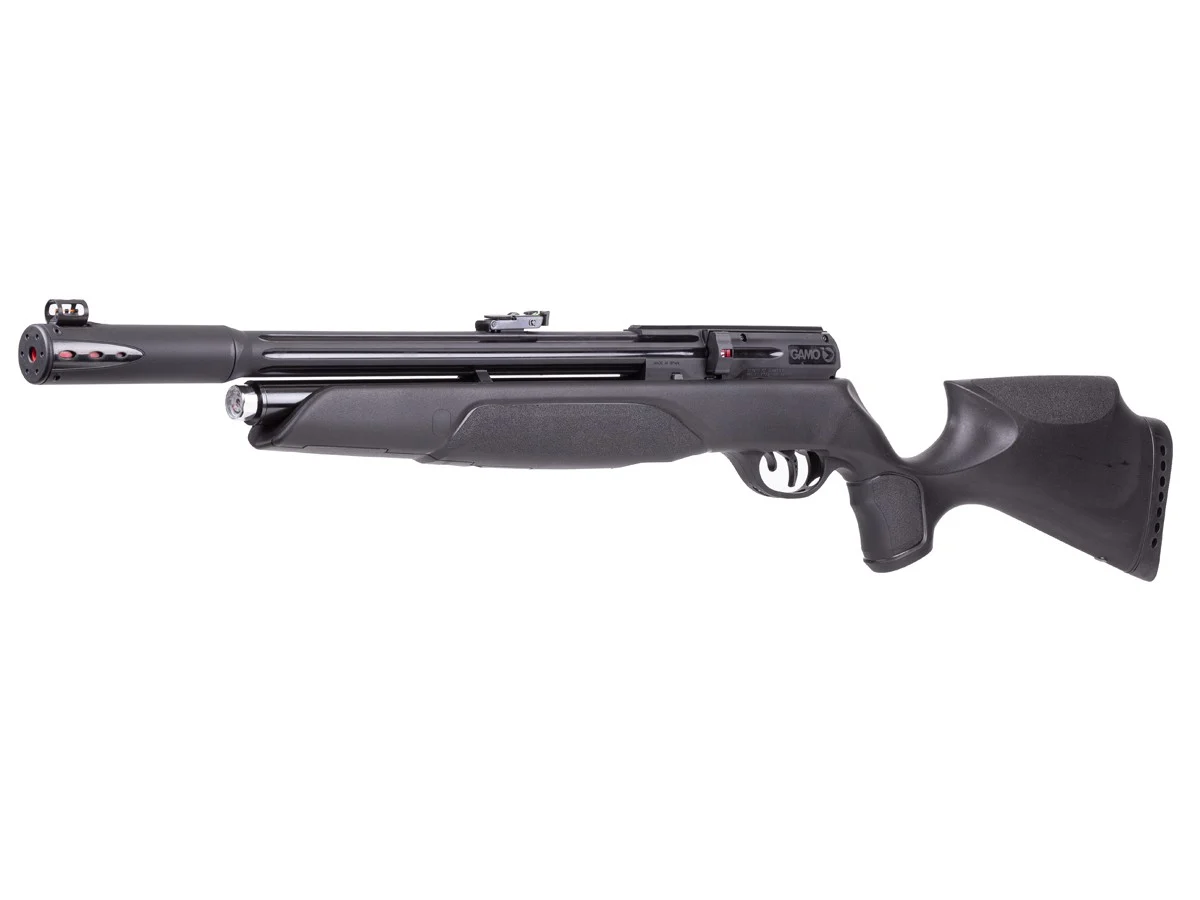














Gamo Arrow SLT PCP Air Rifle

€115.00
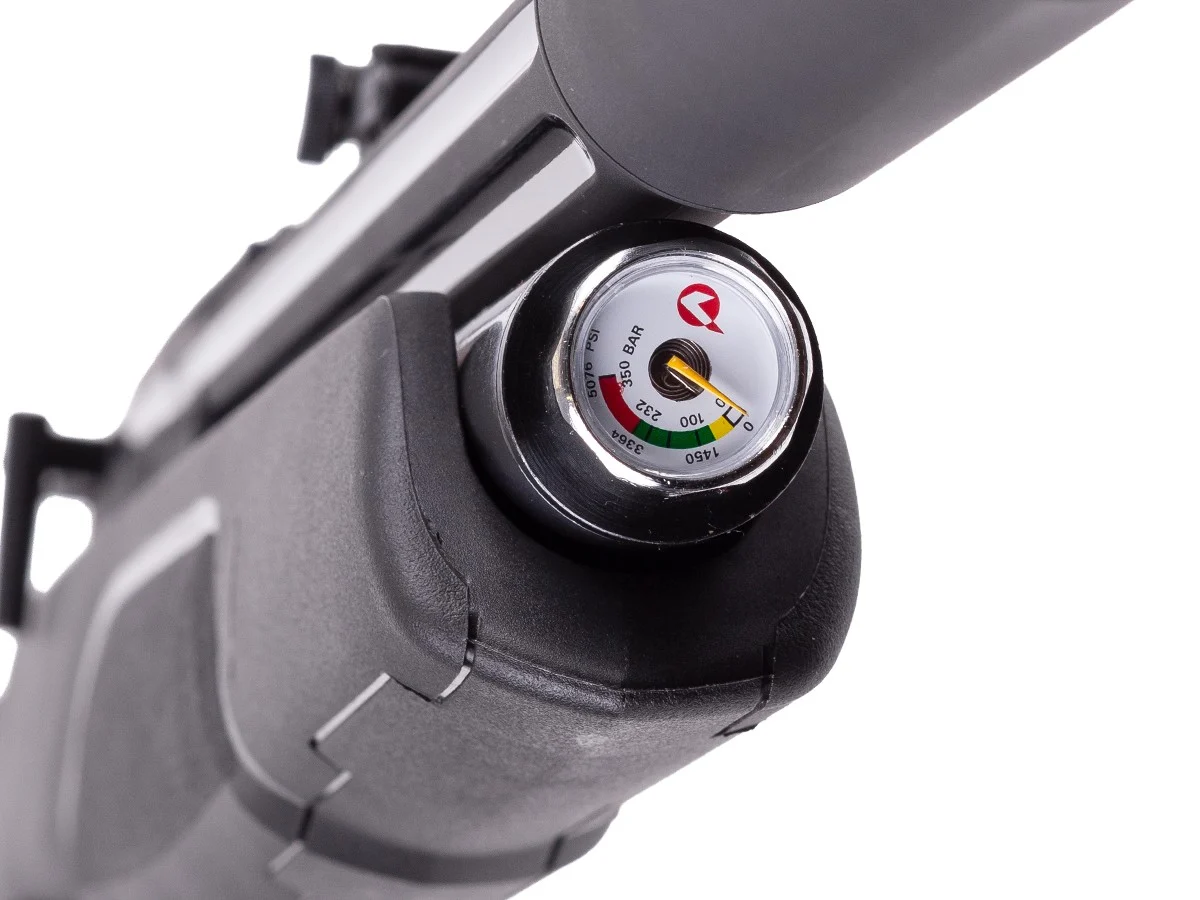
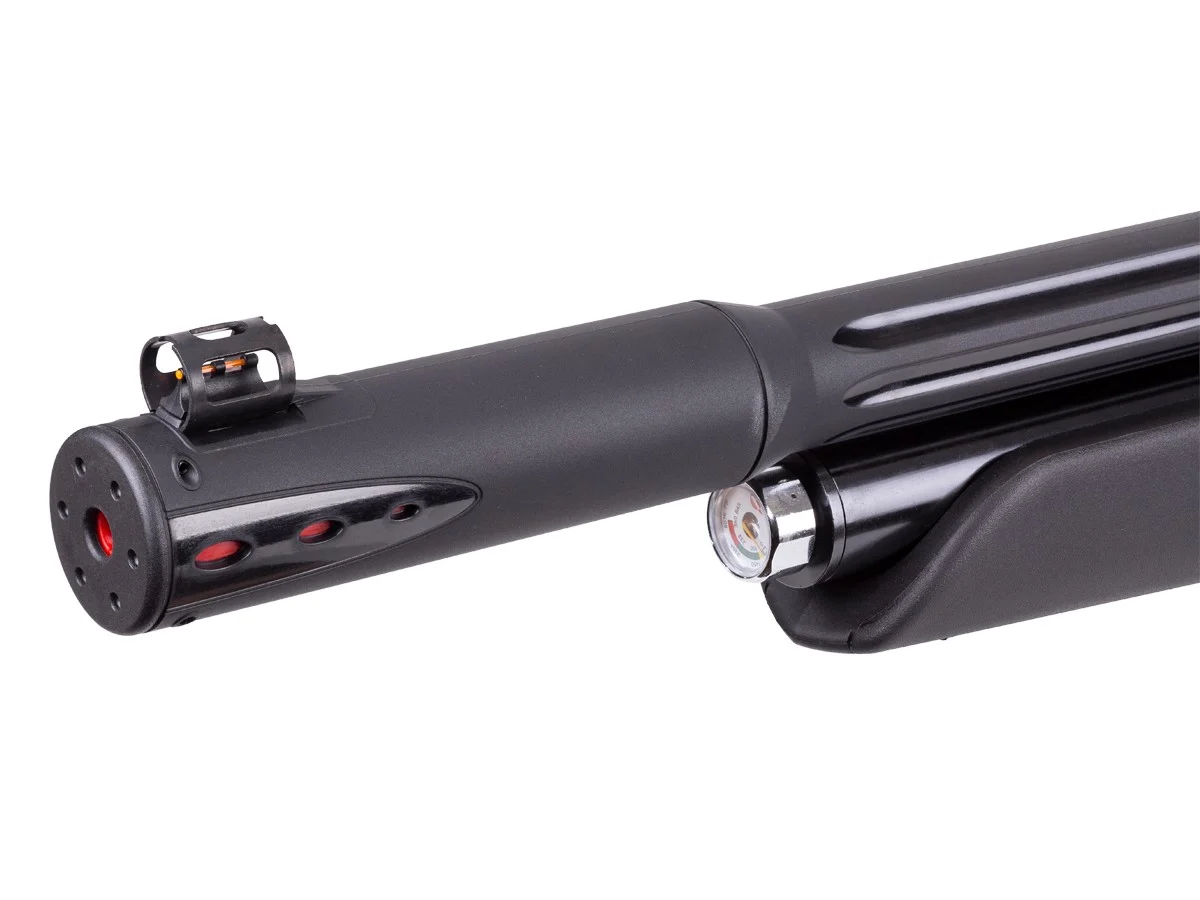
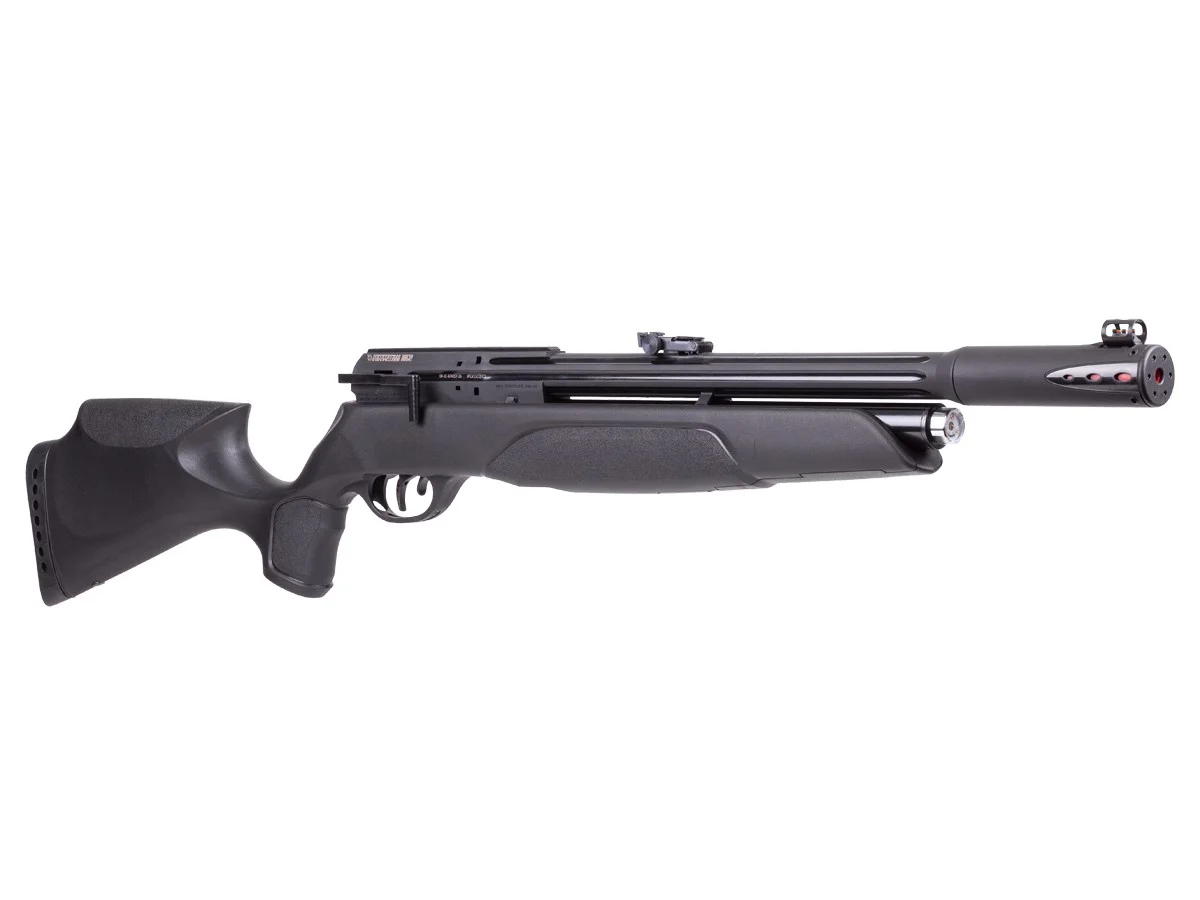
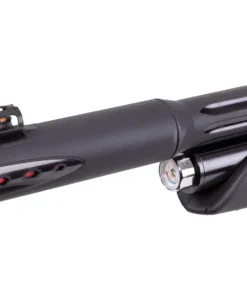
The Gamo Arrow SLT comes in either .177 or .22 caliber and boasts the new Side Lever Tech (SLT) action for faster, smoother operation. This PCP Air Rifle is powered by Gamo’s noise-suppressing Whisper Fusion Technology for quiet, yet powerful, shots. It has a 125cc cylinder and operates at 3,364 PSI. It allows you to shoot 60 shots per fill at speeds up to 1,200 FPS (.177) or 900 FPS (.22).
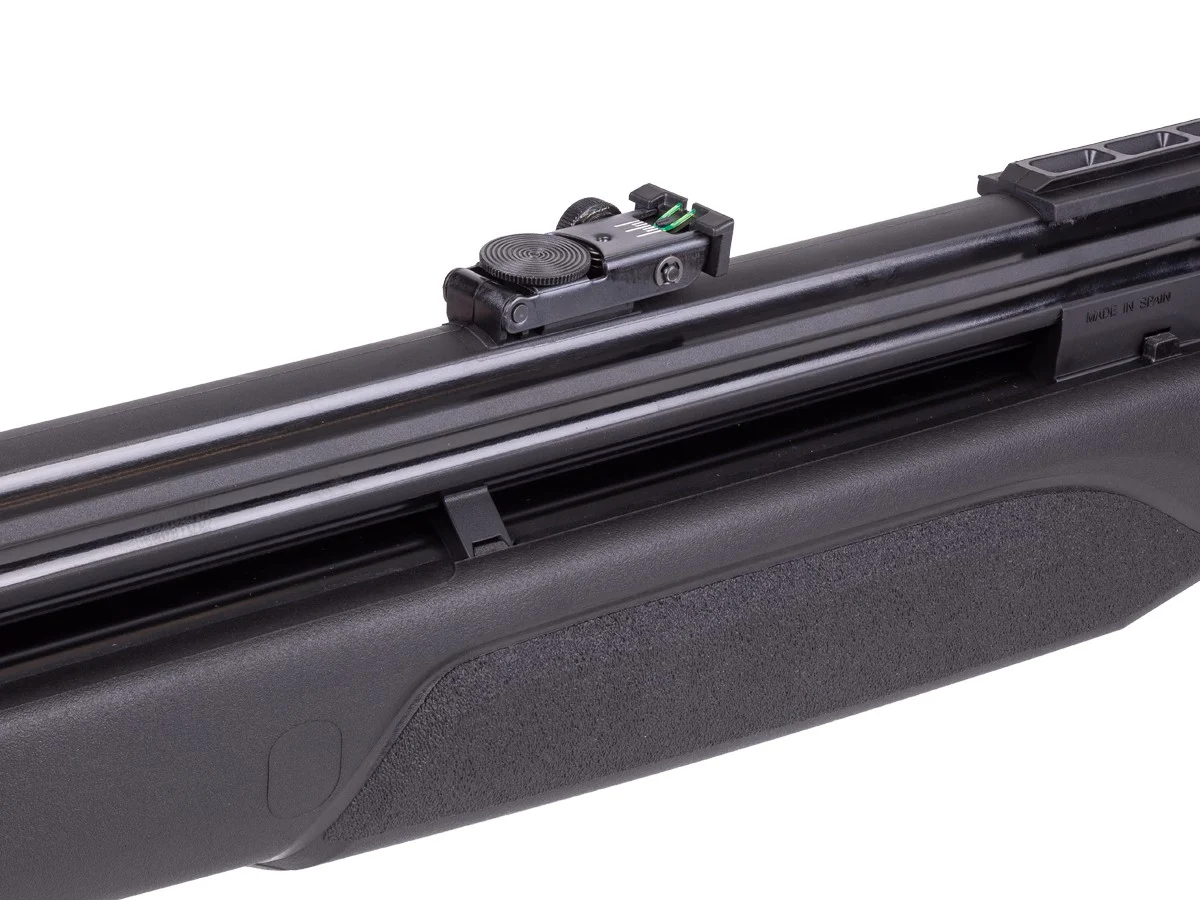
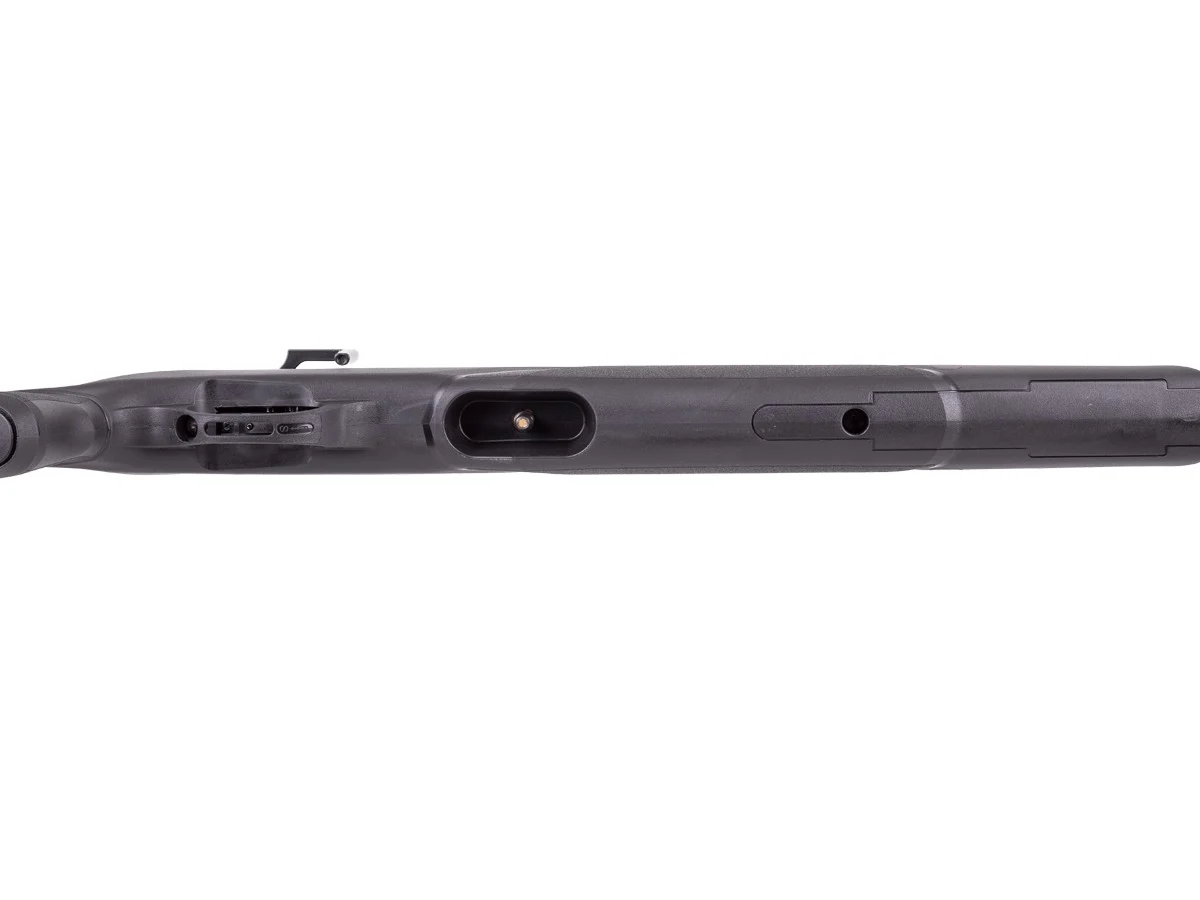
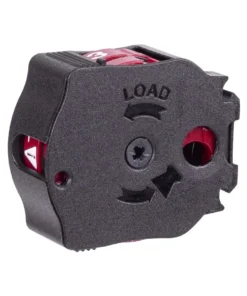
This rifle is ambidextrous and has an overall length of 38.98” with a 20” rifled barrel. The trigger is adjustable with two stages, and to ensure you put accurate shots on target is a pair of fiber optic sights. It utilizes the Quick-Shot 10-round magazine and has an 11mm dovetail optics rail if you prefer to use a scope for sighting. This rifle is a perfect option to break into precharged pneumatic air rifle shooting.
Do you want an affordable PCP air rifle? The Gamo Arrow SLT is a great choice. Buy yours now from Pyramyd AIR.
Gamo Arrow SLT PCP Air Rifle
- Available in .177 or .22 caliber
- Side lever action
- 11mm dovetail rail
- Fiber optic sights
- 10 round magazine
- Manual safety
- Whisper Fusion Technology
- 125cc tank
- Ventilated rubber butt pad
- Weight: 5lbs
- Length: 38.98″
- Barrel: Rifled, Jacketed 20″
- 10 round Quick-Shot Magazine
- Velocity: 1,200 FPS (.177) or 900 FPS (.22)
- Two stage adjustable trigger
Brand
Gamo
Caliber.177 (4.5mm)Max Velocity1200 fpsSuggested forSmall game hunting/target practicePowerplantPre-charged pneumaticLoudness2-Low-MediumWeight5.0 lbsFunctionRepeaterMax Shots per Fill60Cylinder Size125 ccActionSideleverFixed/adj. powerFixedShroudedYesScopeable11mm dovetailFront SightsFiber OpticRear SightsFiber OpticSafetyManualTriggerTwo-stage adjustableBarrelRifledCapacity10 round(s)Body TypeRifleStockSyntheticButtplateVentilated rubberColorBlackOperating Pressure3364 PSI / 232 BARBarrel Length20.08 inOverall Length38.98 inRegulatedNoIs Safe To Dry FireYes
Gamo Arrow SLT PCP Air Rifle – Lightweight PCP Technology, Multi-Shot Capability, Specifications, and User Guide
Gamo Arrow SLT PCP Air Rifle Overview
Introducing the Gamo Arrow SLT PCP Platform
The Gamo Arrow SLT PCP Air Rifle is a lightweight pcp air rifle that combines modern precharged pneumatic technology with a compact design intended for target shooting and other lawful activities. Unlike a traditional break-barrel design, the Arrow SLT uses compressed air stored within an onboard cylinder. Consequently, the platform offers smoother operation and improved consistency.
Searches for gamo air rifle, gamo pellet gun, gamo air rifles, gamo pellet rifle, gamo arrow pcp, gamo usa, gamo com, www.gamo.com, gamo, gammo, gamo’s, and gamo outdoor all refer to the broader Gamo product family.
Understanding PCP Technology
Modern pcp rifle systems are designed to deliver a more consistent shooting experience than many traditional spring-powered systems. An air rifle compressed air platform stores pressurized air that is gradually released during operation.
Because of this design, many enthusiasts consider these systems among today’s high powered air rifles. Nevertheless, performance always depends upon maintenance, environmental conditions, projectile selection, and operating procedures.
Comparing the Arrow SLT with Other Gamo Models
Many users compare the Arrow SLT with models such as the Gamo G Magnum 1250 Jungle, gamo shadow 1000, gamo 1000 shadow, gamo hunter 440, magnum pro, and gamo swarm magnum 10x gen3i.
Although these products belong to the same family, they are designed for different applications. Similarly, the 22 caliber break barrel category represents an entirely different operating system.
The Arrow SLT should not be confused with a brake barrel bb gun because the two platforms function in very different ways.
Optics, Scopes, and Accessories
The use of optics often helps improve consistency and precision. Consequently, many owners search for compatible pellet gun scopes, pellet gun scope, air gun scopes, and accessories suitable for their individual preferences.
Proper maintenance remains equally important. Therefore, an air rifle cleaning kit is frequently recommended for preserving long-term performance and maintaining barrel quality.
Targets and Training Equipment
Target practice plays an essential role in developing proper technique. Consequently, many owners use air rifle targets, airgun targets, pellet gun targets, air rifle shooting targets, targets for air rifle, and air gun targetsv during training sessions.
Careful observation, patience, and repetition often help individuals improve their consistency over time.
Air Pistols and Related Equipment
Many search terms associated with the Arrow SLT involve related products, including air pistols, air pistol, pellet pistol, pellet pistols, pellet handgun, pellet gun pistol, pistol pellet gun, pistol co2, and break barrel pellet pistol.
Although these products belong to the same general category, they differ significantly in size, power source, operation, and intended purpose.
Youth Models and Entry-Level Platforms
Terms such as youth bb, youth pellet gun, and pop air rifles frequently appear when individuals begin exploring entry-level options.
However, younger users should always operate any equipment under appropriate supervision and according to all applicable regulations and safety requirements.
Caliber Selection and Performance
The Arrow SLT is commonly associated with popular calibers, including gamo pellet 177 and gamo 177 configurations.
Several factors influence overall performance:
- Projectile weight
- Environmental conditions
- Barrel cleanliness
- Optic alignment
- Air pressure consistency
- Shooting technique
Consequently, achieving dependable results requires patience and continuous practice.
Why Precision and Maintenance Matter
Long-term performance depends upon proper care and responsible ownership. Routine inspections frequently help preserve efficiency while reducing unnecessary wear.
Several maintenance practices are strongly recommended:
- Cleaning exposed surfaces regularly
- Inspecting seals and fittings carefully
- Protecting components from moisture
- Monitoring pressure levels
- Maintaining proper storage conditions
These simple procedures often contribute to improved reliability.
Hunting Applications and Responsible Ownership
Many owners classify the platform as a hunting air rifle where local regulations permit such activities. However, laws differ considerably from one region to another, and regulations should always be reviewed carefully before use.
The Arrow SLT should always be handled responsibly. The muzzle should remain pointed in a safe direction, the trigger should remain untouched until use is intended, and appropriate protective equipment should always be worn.
Final Overview
The Gamo Arrow SLT combines lightweight construction, efficient air management, modern PCP technology, and practical design features within a compact platform. Through careful maintenance, responsible handling, and continuous practice, owners can preserve long-term reliability while maximizing consistency and overall performance.
Design Philosophy, Precision, and Everyday Performance
Understanding the Purpose of Modern Pneumatic Engineering
Modern pneumatic platforms are designed to combine efficiency, consistency, durability, and ease of operation within a compact system. Rather than focusing exclusively on power, manufacturers devote considerable attention to balance, reliability, comfort, and long-term performance.
Each component has a specific purpose. The barrel assembly, pressure system, trigger mechanism, stock design, and internal seals all work together to create a stable operating environment. Consequently, even the smallest component can influence overall performance.
As manufacturing processes continue to advance, improvements in materials and engineering methods frequently contribute to increased durability and greater consistency.
Why Consistency Is Important
Consistency remains one of the most valuable characteristics of any precision platform. Although raw performance often attracts the greatest attention, repeatable results frequently provide the greatest practical advantages.
Several factors influence consistency:
- Pressure stability
- Environmental conditions
- Projectile quality
- Trigger control
- Barrel condition
- Shooting technique
These elements interact continuously during operation. Therefore, routine inspections and careful preparation often contribute to improved performance.
The Relationship Between Balance and Stability
Balance plays an essential role in maintaining control and reducing unnecessary movement. A stable platform often allows the operator to maintain a comfortable position while concentrating on technique rather than fatigue.
Several factors contribute to stability:
- Weight distribution
- Body posture
- Grip position
- Trigger control
- Shoulder support
- Environmental awareness
When these elements are combined effectively, overall precision frequently improves.
Understanding Barrel Efficiency
The barrel serves as one of the most important components because it directly influences the behavior of the projectile. Internal dimensions, manufacturing tolerances, surface quality, and maintenance procedures all contribute to performance.
Several factors influence barrel efficiency:
- Internal cleanliness
- Pressure consistency
- Projectile selection
- Environmental conditions
- Distance to the target
Attention to these variables frequently contributes to more predictable results.
Air Management and Pressure Control
Efficient pressure management contributes significantly to dependable operation. Although modern systems are designed for consistency, environmental conditions and maintenance practices continue to play an important role.
Several factors influence overall efficiency:
- Pressure stability
- Seal integrity
- Component alignment
- Operating temperature
- Maintenance intervals
Routine inspections frequently help maintain reliability while preserving long-term performance.
Environmental Conditions and External Influences
Every shooting session is influenced by environmental conditions. Consequently, careful observation remains essential before and during operation.
Several external factors deserve close attention:
- Wind speed
- Humidity levels
- Air pressure
- Temperature fluctuations
- Lighting conditions
Understanding these variables often helps improve consistency while strengthening confidence.
The Importance of Trigger Control
Trigger control directly influences precision because sudden movements frequently affect stability. Smooth and deliberate actions generally produce more consistent results.
Several habits often contribute to improved control:
- Maintaining a stable position
- Establishing proper breathing patterns
- Applying steady pressure
- Concentrating on follow-through
- Evaluating performance regularly
As these habits develop, overall confidence frequently increases.
Maintenance Procedures and Routine Care
Maintenance remains an essential part of responsible ownership. Consistent care frequently helps preserve efficiency while reducing unnecessary wear.
An effective maintenance routine often includes the following procedures:
- Inspecting visible components carefully.
- Cleaning exposed surfaces thoroughly.
- Removing dust and moisture.
- Evaluating seals and moving parts.
- Confirming normal operation.
These practices frequently support long-term durability.
Proper Storage Recommendations
Appropriate storage procedures play an important role in protecting equipment from environmental damage.
Several recommendations should be followed regularly:
- Maintain a clean environment.
- Minimize exposure to moisture.
- Avoid direct sunlight.
- Maintain stable temperatures.
- Conduct routine inspections.
These simple practices often help preserve both appearance and functionality.
Frequently Asked Questions
Why is consistency important?
Consistency contributes to improved precision, increased confidence, and greater reliability.
Why should environmental conditions be monitored?
Environmental changes influence stability, efficiency, and overall performance.
Why is maintenance necessary?
Maintenance helps preserve functionality while supporting long-term reliability.
Why should storage conditions be considered carefully?
Appropriate storage procedures help protect components from unnecessary wear and environmental damage.
Final Thoughts
Long-term success depends upon preparation, patience, discipline, and continuous improvement. Individuals who consistently follow these principles frequently enjoy greater reliability, improved efficiency, and a more rewarding ownership experience.
Performance Characteristics, Reliability, and Long-Term Use
Understanding Real-World Performance
Real-world performance depends upon numerous factors that work together continuously throughout every shooting session. Although engineering quality establishes a strong foundation, environmental conditions, maintenance routines, and individual technique frequently determine the final outcome.
Long-term success is often achieved through consistency rather than isolated adjustments. Consequently, individuals who devote sufficient time to preparation frequently experience more dependable and predictable results.
Every component contributes to the overall experience, and even minor changes may influence efficiency, balance, and control.
Why Stability Plays an Important Role
Stability remains one of the most important factors affecting precision. Unnecessary movement frequently alters the point of impact and reduces consistency. Therefore, maintaining a stable position often becomes essential for achieving repeatable results.
Several elements contribute to improved stability:
- Proper body positioning
- Balanced weight distribution
- Controlled breathing
- Comfortable grip placement
- Consistent trigger movement
- Continuous observation
These factors work together throughout every stage of operation.
Developing Consistent Operating Habits
Strong habits are developed gradually through patience, practice, and repetition. Individuals who establish structured routines frequently become more confident and efficient over time.
Several habits frequently contribute to improved performance:
- Conducting inspections before operation
- Evaluating environmental conditions
- Maintaining proper posture
- Following established maintenance procedures
- Recording observations regularly
These practices often strengthen reliability while reducing unnecessary complications.
Understanding Projectile Behavior
Numerous environmental and mechanical factors influence projectile movement. Consequently, understanding these variables often becomes an important aspect of improving overall performance.
Several factors influence projectile behavior:
- Wind direction
- Humidity levels
- Temperature fluctuations
- Distance to the target
- Projectile weight
Because these conditions change continuously, adaptability frequently becomes an important advantage.
Air Management and Operational Efficiency
Efficient operation depends upon the careful management of internal pressure and airflow. Stable operating conditions frequently contribute to greater consistency while reducing unnecessary strain on internal components.
Several factors influence overall efficiency:
- Pressure stability
- Seal condition
- Operating temperature
- Component alignment
- Maintenance quality
Regular inspections often help preserve efficiency while extending operational life.
The Importance of Routine Maintenance
Maintenance remains essential because every mechanical system gradually experiences wear. Preventive care frequently helps preserve performance while reducing the possibility of unexpected interruptions.
A complete maintenance routine commonly includes the following actions:
- Cleaning external surfaces.
- Inspecting visible components.
- Evaluating seals and fittings.
- Removing accumulated dust and debris.
- Confirming proper operation.
These procedures frequently contribute to long-term reliability.
Environmental Awareness and Adaptability
Environmental conditions influence performance in numerous ways. Consequently, careful observation often becomes a valuable habit.
Several environmental factors deserve continuous attention:
- Wind speed
- Wind direction
- Temperature changes
- Humidity variations
- Lighting conditions
A thorough understanding of these conditions frequently supports more informed decision-making.
Long-Term Preservation Strategies
Long-term preservation depends upon consistency, discipline, and responsible ownership. Equipment that receives appropriate care frequently maintains both its functionality and appearance for many years.
Several recommendations are commonly followed:
- Store equipment in dry environments.
- Avoid unnecessary exposure to moisture.
- Conduct routine inspections.
- Keep components clean.
- Maintain stable storage conditions.
These practices often contribute significantly to long-term durability.
Building Knowledge Through Experience
Experience remains one of the most valuable tools available to any owner. As familiarity increases, confidence and efficiency often improve as well.
Several characteristics frequently support continued growth:
- Patience
- Discipline
- Responsibility
- Adaptability
- Consistency
- Determination
Together, these qualities often create a strong foundation for long-term development.
Frequently Asked Questions
Why is stability important?
Stability helps reduce unnecessary movement while supporting improved precision and consistency.
Why should maintenance be performed regularly?
Routine maintenance helps preserve reliability while extending the operational life of individual components.
Why are environmental conditions important?
Environmental conditions influence efficiency, stability, and overall performance.
How does experience improve performance?
Experience strengthens technical understanding while encouraging more effective decision-making.
Final Remarks
Long-term success is built through discipline, patience, preparation, and continuous improvement. Individuals who remain committed to these principles frequently enjoy dependable performance, increased confidence, and a more rewarding ownership experience.
Advanced Operation, Equipment Care, and Long-Term Reliability
Building a Strong Foundation for Long-Term Performance
Long-term performance depends upon far more than mechanical design alone. Although modern engineering contributes significantly to reliability and efficiency, proper handling and regular maintenance frequently determine how effectively equipment performs over time.
A consistent routine often helps individuals recognize changes before they become more significant concerns. Consequently, preparation, observation, and discipline remain essential elements of responsible ownership.
Every component operates as part of a larger system, and even seemingly minor adjustments may influence overall performance.
Understanding the Importance of Precision
Precision is the result of numerous factors working together simultaneously. Instead of relying upon a single adjustment, successful operators frequently evaluate every aspect of the shooting process.
Several elements commonly influence precision:
- Trigger control
- Body positioning
- Environmental awareness
- Equipment condition
- Projectile selection
- Consistent practice
As these factors become more refined, overall performance frequently improves.
Why Preparation Matters
Preparation often determines whether a session is productive and efficient. Individuals who establish a clear routine frequently reduce unnecessary interruptions while improving confidence.
Several recommendations are commonly followed:
- Inspect all visible components.
- Evaluate environmental conditions.
- Confirm proper operation.
- Review safety procedures.
- Prepare appropriate equipment.
These simple steps frequently contribute to more dependable results.
Environmental Conditions and Their Influence
Environmental factors affect every stage of operation. Wind, humidity, temperature, and atmospheric pressure may influence overall performance in different ways.
Several variables deserve continuous attention:
- Wind speed
- Wind direction
- Humidity levels
- Air temperature
- Visibility conditions
Because these conditions change continuously, adaptability often becomes an important skill.
Inspection Procedures and Preventive Maintenance
Preventive maintenance remains essential because all mechanical systems experience gradual wear. Consistent inspections frequently help preserve performance while reducing the possibility of unexpected problems.
An effective maintenance routine commonly includes the following procedures:
- Cleaning exposed surfaces.
- Examining moving components carefully.
- Inspecting seals and fittings.
- Removing accumulated dust and debris.
- Confirming proper operation.
These practices frequently contribute to greater reliability and improved durability.
Proper Storage Practices
Storage conditions significantly influence long-term reliability. Appropriate environmental protection frequently helps preserve both internal and external components.
Several recommendations should always be followed:
- Store equipment in clean, dry locations.
- Protect surfaces from moisture.
- Avoid excessive heat.
- Minimize exposure to contaminants.
- Conduct routine inspections.
These measures often help preserve long-term functionality and appearance.
Developing Experience Through Continuous Learning
Learning remains a continuous process because operating conditions and individual requirements constantly evolve. Individuals who remain committed to improving their knowledge frequently develop greater confidence and stronger technical abilities.
Several characteristics frequently support ongoing improvement:
- Discipline
- Patience
- Responsibility
- Determination
- Adaptability
- Consistency
Together, these qualities often create a solid foundation for long-term success.
Understanding the Value of Responsible Ownership
Responsible ownership includes proper operation, regular maintenance, and careful storage practices. Individuals who follow these principles frequently enjoy improved reliability and greater confidence.
Several factors influence long-term ownership satisfaction:
- Maintenance quality
- Operating conditions
- Frequency of use
- Environmental exposure
- Attention to detail
These factors frequently work together to support dependable operation.
Frequently Asked Questions
Why is preparation important?
Preparation helps reduce uncertainty while improving efficiency and overall consistency.
Why should inspections be performed regularly?
Routine inspections help identify developing concerns before they become more serious.
How do environmental conditions affect performance?
Environmental factors influence precision, stability, and operating efficiency.
Why is responsible ownership important?
Responsible ownership contributes to safety, reliability, and long-term durability.
Final Thoughts
Long-term success is built upon preparation, consistency, discipline, and continuous learning. Individuals who remain committed to these principles frequently strengthen their abilities while preserving the reliability, efficiency, and durability of their equipment.
Long-Term Ownership, Maintenance Strategies, and Performance Preservation
Creating an Effective Ownership Routine
Long-term ownership requires commitment, consistency, and careful attention to detail. Although modern engineering contributes significantly to durability, responsible operating practices often determine how well equipment performs over extended periods.
A well-structured routine frequently allows owners to maintain dependable operation while reducing unnecessary wear. Furthermore, consistent habits often help identify small concerns before they develop into larger problems.
Several practices commonly contribute to long-term reliability:
- Performing routine inspections
- Maintaining clean operating conditions
- Following established maintenance schedules
- Monitoring environmental changes
- Recording important observations
Together, these habits often strengthen both confidence and performance.
Understanding the Importance of Preventive Maintenance
Preventive maintenance remains one of the most effective methods of preserving efficiency and reliability. Every component experiences gradual wear over time; therefore, regular inspections remain essential.
Several areas deserve careful attention:
- External surfaces
- Seals and fittings
- Moving components
- Pressure-related assemblies
- Adjustment mechanisms
Routine evaluations frequently reduce the likelihood of unexpected interruptions while supporting long-term durability.
Why Consistent Practice Is Essential
Consistent practice allows individuals to strengthen their technical skills while developing greater confidence in their abilities. Improvement rarely occurs immediately. Instead, experience gradually builds through repetition and observation.
Several factors commonly influence progress:
- Body positioning
- Trigger control
- Environmental awareness
- Preparation techniques
- Observation skills
As these areas improve, performance often becomes more predictable and dependable.
Environmental Awareness and Adaptability
Environmental conditions can change rapidly and unexpectedly. Consequently, understanding these changes often becomes an important part of responsible operation.
Several factors should always be monitored carefully:
- Wind speed
- Wind direction
- Temperature variations
- Humidity levels
- Atmospheric pressure
Adaptability frequently becomes an important advantage because environmental conditions are rarely constant.
Cleaning Procedures and Equipment Care
Routine cleaning helps preserve reliability while protecting individual components from unnecessary wear. Dust, moisture, and other contaminants can gradually affect performance if maintenance procedures are neglected.
An effective maintenance routine commonly includes the following steps:
- Cleaning external surfaces thoroughly.
- Inspecting visible components carefully.
- Examining seals and fittings.
- Removing accumulated debris.
- Confirming normal operation.
These practices frequently contribute to improved durability and long-term efficiency.
Protecting Components During Storage
Appropriate storage conditions help preserve both appearance and functionality. Environmental exposure frequently influences the condition of internal and external components; therefore, preventive measures remain important.
Several recommendations should always be followed:
- Store equipment in a dry environment.
- Avoid excessive humidity.
- Minimize exposure to direct sunlight.
- Protect components from contamination.
- Perform regular inspections.
These measures frequently help maintain reliable performance over extended periods.
Developing Knowledge Through Experience
Experience provides valuable insight into performance, maintenance, and operating procedures. Individuals who remain committed to learning often strengthen their abilities while improving their understanding of equipment behavior.
Several qualities frequently support continuous improvement:
- Patience
- Discipline
- Responsibility
- Adaptability
- Determination
- Consistency
These characteristics frequently contribute to long-term success.
Why Attention to Detail Matters
Attention to detail frequently separates ordinary results from exceptional ones. Small adjustments and careful observations often produce significant improvements over time.
Several important areas deserve continuous attention:
- Maintenance practices
- Environmental conditions
- Inspection schedules
- Equipment handling
- Operating procedures
Together, these elements frequently contribute to more dependable performance.
Preserving Long-Term Value
Long-term value depends upon careful maintenance, responsible ownership, and consistent operating practices. Equipment that receives appropriate care often remains dependable for many years.
Several factors commonly influence long-term condition:
- Maintenance quality
- Storage conditions
- Frequency of use
- Environmental exposure
- Overall care practices
A disciplined approach frequently supports both reliability and durability.
Frequently Asked Questions
Why is preventive maintenance so important?
Preventive maintenance helps preserve reliability while reducing unnecessary wear and unexpected interruptions.
Why should environmental conditions be monitored?
Environmental changes influence stability, consistency, and overall efficiency.
How can long-term reliability be improved?
Long-term reliability often depends upon proper maintenance air gun targets, careful storage, and responsible operating procedures.
Why is experience valuable?
Experience strengthens confidence while improving technical understanding and decision-making abilities.
Final Remarks
Long-term success is built through patience, preparation, discipline, and continuous improvement. By combining responsible ownership with regular maintenance and thoughtful observation, individuals often preserve reliability while achieving a more rewarding overall experience air gun targets.
Be the first to review “Gamo Arrow SLT PCP Air Rifle”
Related products






Reviews
There are no reviews yet.