



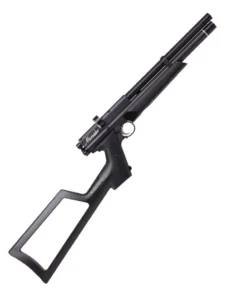
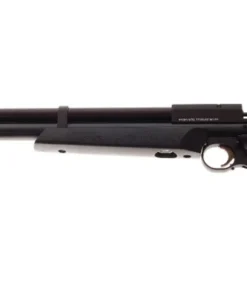
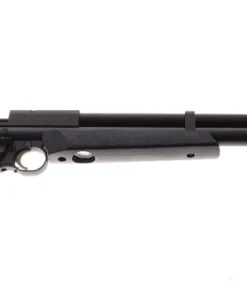
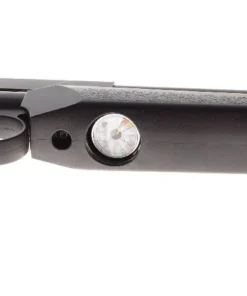


Benjamin Marauder PCP Air Pistol (P-rod)
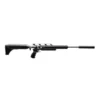
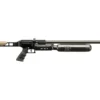
€330.00
Benjamin Marauder PCP Air Pistol (P-rod)
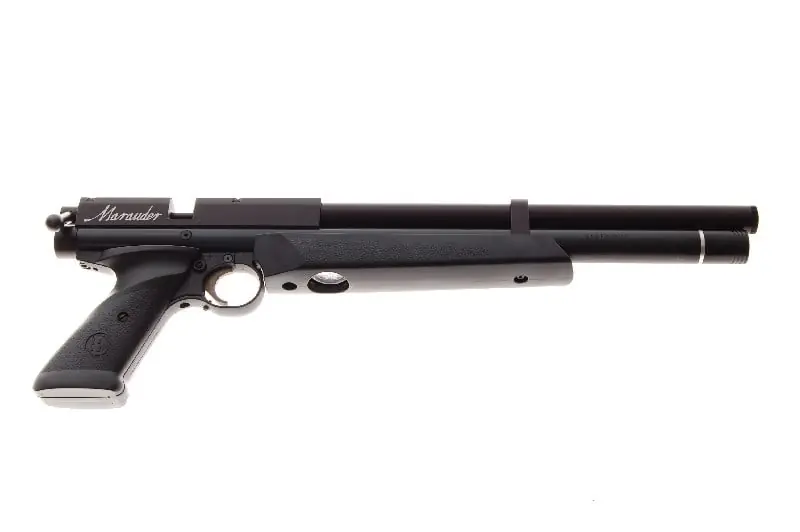
This legendary classic PCP pistol, the Benjamin Marauder PCP Pistol is a compact and reliable airgun designed for accurate and fun shooting shooting in a lightweight format. Its balanced construction and and many options for updates and customization make it a great choice for target work and small-range pest control. The pistol offers smooth handling, stable shot strings and a quiet report thanks to the integrated shroud.
Features
- Precision barrel for stable groupings
- Built from durable metal components with a practical polymer grip
- Shrouded barrel design for reduced sound
- Adjustable two-stage trigger for controlled shooting
- Compatible with common PCP regulators and tuning parts
- This pistol delivers steady performance in a compact layout, suitable for both beginners and experienced shooters who prefer a manageable size without giving up accuracy.
This item can only be sold to persons 18 years and older.
For this item we have to carry out an age check.
You can upload a copy/scan/photo of a legal identification document such as a passport, European ID or driver’s license in the order. Parts of the document may be made illegible or designated as a copy. However, your name, document number and place of issue must be legible. Your copy ID will only be used for verification purposes and will not be retained. If you are not able to upload it right now, we will contact you per email before shipping
We can ship these items only to the countries listed below:
Belgium, Bulgaria, Cyprus, Czechia, Denmark, Estonia, Finland, France, Germany, Greece, Hungary, Ireland, Italy, Kroatia, Latvia, Lithuania, Luxembourg, Monaco, Netherlands, Poland, Portugal, Romania, Slovakia, Slovenia, Spain, Austria, Sweden, United States
Specifications
| Model | .22 / 5,5 |
|---|---|
| Brand | Benjamin |
| Cocking system | Bolt action |
| Mounting base | Dovetail (11 mm) |
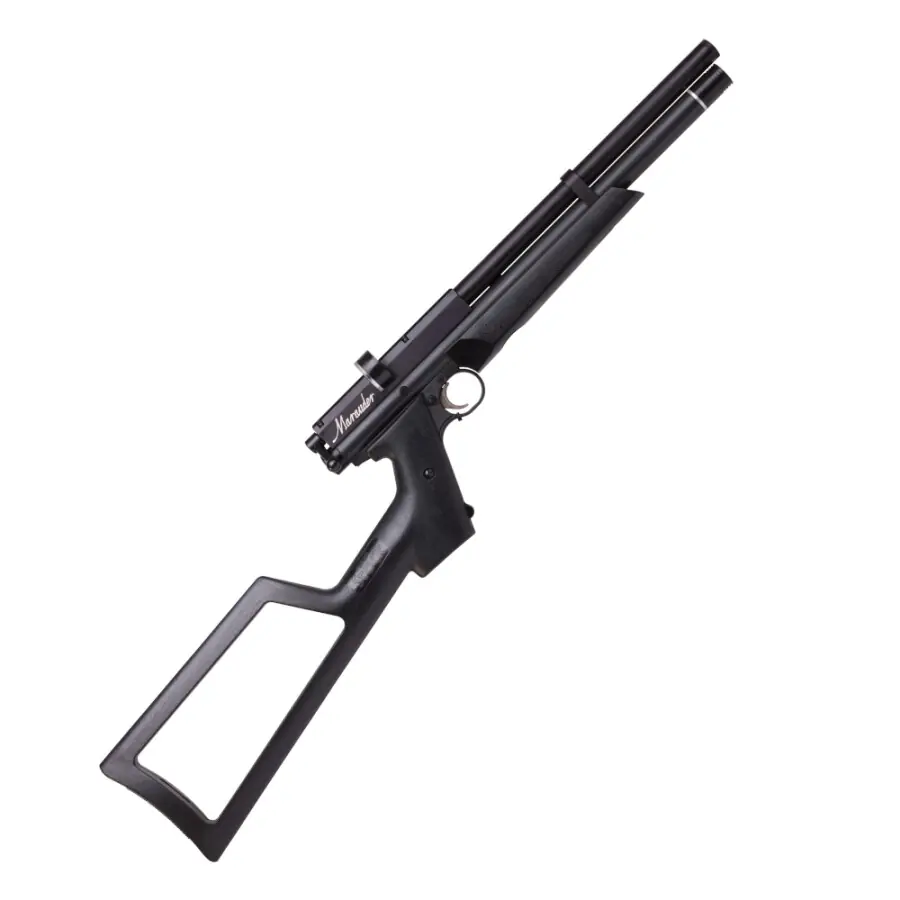
| Extra accessories included | Magazine, Shoulder Stock |
| Stock material |
Synthetic |
Benjamin Marauder PCP Air Pistol (P-Rod) — .22 Caliber Multi-Shot PCP Pistol, Shrouded Barrel, Shoulder Stock, and Precision Bolt-Action Design
Benjamin Marauder PCP Air Pistol Engineering, Precision, PCP Performance, Handling, and Technical Overview
The Benjamin Marauder PCP Air Pistol, widely known among airgun enthusiasts as the P-Rod, is a compact .22-caliber pre-charged pneumatic platform designed around a bolt-action mechanism, multi-shot magazine, shrouded rifled steel barrel, and convertible pistol-to-carbine configuration.
Benjamin’s current product page identifies model BP2220-01 as a .22-caliber PCP pistol with an 8-shot rotary magazine, two-stage trigger, crossbolt safety, dovetail optics mounting rail, and synthetic construction. The pistol measures approximately 18 inches long and weighs about 2.70 lb in its basic pistol configuration.
Benjamin currently lists velocity of up to 800 fps on the retail product page, while its 2026 catalog gives a current reference figure of approximately 700 fps and 15 FPE for model BP2220. Because published values can vary by test method and projectile, practical velocity should always be considered dependent on ammunition and individual setup. Benjamin also states that the platform can provide up to 30 shots per fill.
Snowpeak PP750L PCP Air Pistol
The Snowpeak PP750L PCP Air Pistol is a separate product from a different manufacturer. Although both are compact PCP platforms, its specifications should not be transferred to the Benjamin design.
Snowpeak Airguns
Snowpeak airguns belong to another manufacturer and should be compared separately when researching compact PCP pistols.
Snowpeak Sports
Snowpeak Sports is unrelated to Benjamin Airguns. The P-Rod belongs to the Benjamin/Crosman product family.
Snowpeak AP900
The Snowpeak AP900 is a separate model and has no direct technical relationship to the Marauder pistol.
Snowpeak MAX
The Snowpeak MAX series represents another PCP architecture and should not be confused with this compact .22 platform.
Snowpeak PP750
The Snowpeak PP750 is frequently compared with compact PCP pistols because of its size and convertible handling, but it remains a separate design.
PP750
The PP750 designation does not refer to the Benjamin P-Rod. Buyers researching specifications should distinguish the two model families carefully.
Snowpeak P35X
The Snowpeak P35X is a bullpup-style PCP rifle rather than a direct equivalent to this compact pistol.
PR900 Gen 3
The PR900 Gen 3 is another PCP rifle and belongs to a different product class.
Snow Peak PP750
The phrase Snow Peak PP750 refers to the Snowpeak compact PCP platform and not to the Marauder pistol.
Snowpeak P35
The Snowpeak P35 is a compact bullpup rifle, whereas the Benjamin design begins as a pistol and can accept the supplied shoulder stock.
Snowpeak M60B
The Snowpeak M60B belongs to another PCP family and should be evaluated using its own specifications.
Snow Peak PP20
The Snow Peak PP20 is another compact pneumatic product and is not related mechanically to the P-Rod.
P35
The P35 is a separate bullpup PCP design rather than an alternative name for the Benjamin pistol.
P35X
The P35X also belongs to Snowpeak’s compact rifle family, while the Marauder pistol uses a conventional bolt-action pistol layout.
P35X PCP
A P35X PCP uses pre-charged pneumatic operation, but its ergonomics, reservoir, barrel, and action differ significantly.
Snowpeak M25
The Snowpeak M25 is another larger PCP rifle and should not be confused with this compact .22 pistol.
AP900B PCP Air Rifle
The AP900B PCP air rifle is a rifle platform, whereas the P-Rod is classified by Benjamin as a multi-shot PCP air pistol.
Snowpeak M60
The Snowpeak M60 is another unrelated PCP rifle family.
Snowpeak MAX 1 Price
A Snowpeak MAX 1 price search concerns a different product. It should not be used when evaluating the price or specifications of the Marauder pistol.
PCP P 35
A PCP P35 uses compressed air like the Benjamin platform but belongs to a separate bullpup rifle design.
M25 Rifle
The M25 rifle is much larger and should not be considered technically interchangeable with the compact P-Rod.
Snow Peak Equipment
Snow Peak equipment is unrelated to Benjamin’s product ecosystem, although both brands produce equipment for pneumatic shooting.
HP300
The term HP300 may refer to high-pressure equipment in some markets. Any filling system used with a PCP pistol should be compatible with the manufacturer’s requirements rather than selected from a name alone.
Benjamin’s fill guide lists approved high-pressure tank and hand-pump solutions for the Marauder pistol and notes that paintball tanks are not recommended for this application.
Pellet 9mm
A pellet 9mm is not compatible with this pistol. The current Marauder pistol is specifically listed in .22 caliber.
Snowpeak P35 vs P35X
A Snowpeak P35 vs P35X comparison concerns two different Snowpeak rifles and should not be confused with evaluating the Benjamin pistol.
Snowpeak PP20
The Snowpeak PP20 remains a separate compact pneumatic product with different specifications.
M25 Weapon
The phrase M25 weapon generally refers to another air rifle family and has no technical relationship to the Marauder pistol.
M50 Rifle
The M50 rifle belongs to another product category and should not be used as a specification reference here.
PCP Pellet Rifle
A PCP pellet rifle stores compressed air before use and releases controlled air during each firing cycle. The P-Rod uses the same basic PCP principle but in a compact pistol platform.
Snowpeaks
Snowpeaks is a common search variation for Snowpeak products and does not refer to Benjamin.
Air Gun Accessories
Useful air gun accessories for this platform may include compatible optics, magazines, protective cases, and manufacturer-approved filling equipment.
The pistol uses a dovetail mounting rail, while Benjamin also supplies a removable synthetic shoulder stock with the standard platform.
Snowfall Gun
The phrase snowfall gun is unrelated to the documented Marauder pistol model.
Snow Peak Customer Service
Snow Peak customer service refers to another manufacturer. Support for this pistol should instead be handled through Benjamin or Crosman.
Snow Peak Brand Origin
The Snow Peak brand origin keyword concerns another manufacturer and has no direct relevance to the Benjamin product.
What Is a PCP Airgun
For what is a PCP airgun, PCP means pre-charged pneumatic. Compressed air is stored in an onboard reservoir before firing, eliminating the need to generate firing pressure through a spring piston for every shot.
The P-Rod uses this system in combination with a manually operated bolt action.
Pistolet PCP Arcea-Snowpeak Onix Sport
The phrase pistolet PCP Arcea-Snowpeak Onix Sport refers to another branded or distributed pneumatic platform and should not be treated as another name for the Marauder pistol.
How Much Did the M60 Weigh
The phrase how much did the M60 weigh refers to an entirely different model and does not describe this pistol.
Benjamin specifies the Marauder pistol itself at approximately 2.70 lb and 18 inches long in its pistol configuration.
T Rex 6000
The phrase T Rex 6000 is not associated with the documented BP2220 platform.
Snowpeak PP750L
The Snowpeak PP750L is frequently placed in the same broad compact-PCP category, but the Benjamin model uses its own bolt action, magazine system, barrel, stock interface, and pressure system.
Snowpeak Air Pistol
A Snowpeak Air Pistol is a separate product from a different manufacturer.
PCP Pistol
A PCP Pistol combines compact dimensions with an onboard compressed-air power source.
The Benjamin platform is particularly versatile because its pistol grip can be used with the included synthetic shoulder stock, allowing a more supported configuration without changing the fundamental action.
Airgun Pistol
An Airgun Pistol can use several different powerplants, including spring, CO₂, pneumatic, or PCP systems.
This particular model uses PCP power with a multi-shot bolt action.
High Power PCP Air Pistol
A high power PCP air pistol should still be evaluated primarily for safe, predictable operation rather than maximum output.
Benjamin currently lists approximately 15–15.54 FPE depending on the official source used, with the platform built around .22-caliber pellets.
Snowpeak PP750L PCP Air Pistol for Sale
The phrase Snowpeak PP750L PCP Air Pistol for sale concerns a separate product and should not be confused with availability of the Benjamin pistol.
Why the Shrouded Rifled Barrel Matters
The rifled steel barrel provides the mechanical foundation for projectile stabilization, while the surrounding shroud incorporates sound suppression.
Benjamin specifically identifies the barrel as both rifled and shrouded, with integrated noise suppression.
For precision, however, barrel quality must work together with consistent pellets, stable pressure, secure optics, and repeatable shooting technique.
How the Eight-Shot Magazine Improves Practical Use
The 8-shot rotary magazine allows several pellets to be loaded before the shooter needs to refill the magazine.
The bolt still has to be operated manually between shots, so this is a repeating bolt-action platform rather than a semi-automatic pistol.
Magazine condition and smooth projectile feeding remain important for reliable operation.
Why the Shoulder Stock Is Important
One of the distinctive characteristics of the platform is the included synthetic shoulder stock.
Benjamin states that the pistol grip can be swapped for this all-weather stock, allowing the compact pistol to take on a more supported carbine-style configuration.
This can improve handling stability and make consistent optic alignment easier for some shooters.
How Good Is the Precision?
Benjamin describes the pistol as a precision-oriented platform and combines a rifled shrouded steel barrel, two-stage trigger, dovetail optic rail, multi-shot magazine, and PCP powerplant.
These features provide a strong mechanical basis for consistent target shooting, although actual group size depends heavily on projectile selection, optic quality, pressure condition, environmental factors, and shooter technique.
Where the Platform Works Best
The pistol is naturally suited to lawful target shooting and other controlled sporting applications where a compact PCP platform is useful.
Because an air pistol can still cause serious injury, shooting should take place only with a suitable backstop and in locations where possession and discharge are lawful.
When the Compact Configuration Becomes Useful
The compact 18-inch pistol configuration is particularly useful when reduced size and easier transport are desirable.
Adding the shoulder stock provides a different handling option while retaining the same underlying PCP action.
This ability to move between compact and supported configurations is one of the platform’s most recognizable design advantages.
Important Information About the P-Rod
The Marauder pistol is a .22-caliber PCP, not the full-size Marauder rifle. The current pistol remains model BP2220, which Crosman support identifies as being produced from 2010 to the present.
It uses an 8-shot magazine, bolt action, two-stage trigger, rifled shrouded barrel, synthetic construction, crossbolt safety, and dovetail rail, with up to approximately 30 shots per fill according to Benjamin.
The air reservoir and filling equipment should always be used within manufacturer requirements. Internal pressure-system repairs or power modifications should be left to appropriately qualified personnel.
The pistol should also be stored unloaded, secured against unauthorized access, protected from excessive heat and moisture, and used only in accordance with applicable local laws.
Overall, the Benjamin Marauder PCP Air Pistol combines compact dimensions, .22-caliber operation, a multi-shot magazine, quiet shrouded barrel, detachable stock, straightforward bolt action, and established PCP engineering into a versatile platform designed around precision, portability, and controlled sporting use.
Air Management, Precision Stability, Loading Consistency, Trigger Control, and Practical Reliability
High-Pressure Air System
The pistol uses a pre-charged pneumatic system that stores compressed air inside its onboard reservoir before each shooting session.
For dependable operation, the reservoir, fill connection, valve system, pressure seals, bolt assembly, and surrounding hardware should all remain in good condition.
The system should always be filled within the manufacturer’s approved pressure range.
Overfilling should never be used as a way to increase performance because unnecessary pressure can place additional stress on internal components.
If the air system begins behaving irregularly, the pistol should be inspected before further use.
Why Pressure Consistency Matters
Stable air delivery contributes directly to repeatable shot behavior.
When the pressure system functions correctly, the pistol is more likely to produce predictable performance across a useful portion of the fill.
However, air pressure is only one factor in practical precision.
Projectile condition, barrel stability, sight alignment, trigger technique, stock position, and environmental conditions also influence the result.
For that reason, performance should be evaluated as the result of the entire system rather than a single mechanical component.
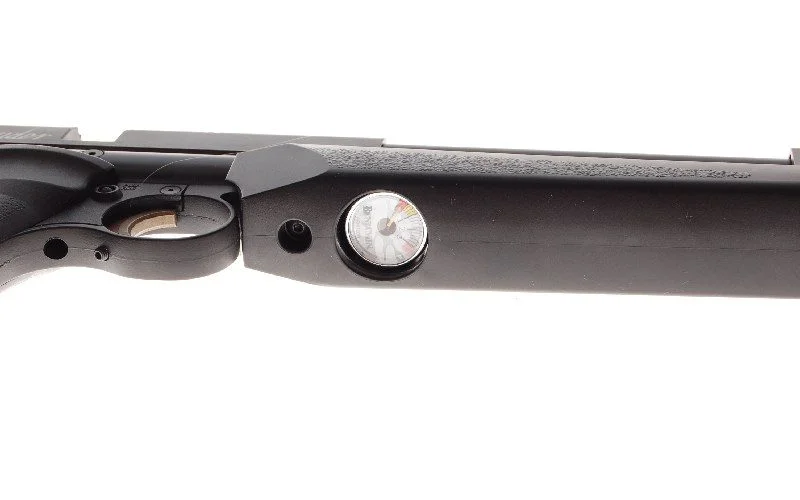
Reservoir Monitoring
The reservoir should be monitored before and after shooting.
A gradual reduction in pressure during normal use is expected.
However, unexpected pressure loss while the pistol is stored can indicate a leak or sealing problem.
If the system loses air rapidly without use, repeated refilling should not replace proper inspection.
Because the reservoir operates under substantial pressure, internal repairs should be handled by appropriately qualified personnel.
Filling Equipment Care
Filling equipment should be clean, undamaged, and suitable for the pistol’s approved operating requirements.
Hoses, connectors, pumps, cylinders, gauges, and fill fittings should be inspected periodically.
Dust, grit, or moisture around the fill point can interfere with seals or enter the pneumatic system.
Before filling, the connection should be checked visually.
If leakage occurs, the filling process should stop until the source has been identified.
Air Efficiency
Air efficiency is not simply about achieving the greatest possible number of shots.
More importantly, the system should provide useful, predictable performance during the normal pressure range.
Projectile weight, ambient temperature, seal condition, and individual setup can influence how quickly stored air is consumed.
The pistol should therefore be evaluated by consistency rather than extreme output.
If air consumption suddenly increases, the pressure system should be checked before further testing.
Compact Reservoir Advantages
A compact onboard reservoir helps keep the overall pistol relatively small and manageable.
This supports portability and makes the platform easier to store or transport compared with many full-length pneumatic rifles.
However, the smaller air capacity also makes pressure awareness important during longer sessions.
The shooter should become familiar with how the pistol behaves as reservoir pressure decreases.
Understanding normal pressure behavior helps identify unusual changes more quickly.
Bolt Operation
The bolt should move smoothly during loading and cycling.
Any sudden increase in resistance should be investigated rather than overcome with additional force.
The magazine, projectile, chamber area, and bolt path should all be checked if the action becomes difficult to operate.
Forcing the bolt can deform a pellet or place unnecessary stress on the loading components.
A smooth and consistent action also makes developing mechanical problems easier to notice.
Magazine Condition
The rotary magazine should remain clean and free from impact damage.
Pellets should seat correctly and feed without excessive resistance.
If the magazine stops rotating properly or feeding becomes inconsistent, it should be inspected before further use.
Dirt, deformation, or worn internal components can interfere with reliable operation.
During storage and transport, magazines should be protected from loose objects, moisture, and hard impacts.
Loading Consistency
Consistent loading supports repeatable performance.
Each pellet should enter the chamber smoothly and should not require unusual force.
If resistance changes suddenly, the magazine, pellet, chamber, and bolt should be checked.
Damaged or deformed pellets can create inconsistent loading pressure.
Forcing the action may make the situation worse.
A clean and predictable loading process also helps the shooter recognize when something begins to change mechanically.
Pellet Condition
Pellet quality has a direct influence on practical precision.
Bent, dented, dirty, or visibly damaged pellets can produce inconsistent results even when the pistol itself is functioning correctly.
Ammunition should be stored in a dry container where it remains protected from dust, moisture, and impact.
For meaningful testing, the same pellet type and batch should be used whenever possible.
Changing several ammunition variables at once makes accuracy comparisons less useful.
Barrel Stability
The barrel should remain secure and protected from impact.
The pistol should not be carried by the barrel or rested where unnecessary pressure is applied to the front assembly.
If the pistol receives a significant impact and point of impact changes afterward, the barrel and surrounding components should be inspected.
Stable barrel alignment helps preserve repeatable performance.
Accessories should also be positioned so they do not create unwanted pressure on the barrel assembly.
Bore Care
The bore should remain free from obstruction and excessive contamination.
Cleaning should be performed carefully and only when necessary.
Aggressive or frequent cleaning with unsuitable tools can damage precision surfaces.
Before assuming that the bore requires cleaning, the shooter should first check pellet consistency, sight stability, pressure behavior, and technique.
A conservative cleaning approach is usually preferable to unnecessary intervention.
Muzzle Protection
The muzzle and crown should remain protected from impact, dirt, and careless handling.
The pistol should not be stored with the muzzle pressed against a hard object.
The crown influences the final stage of pellet exit, so damage in this area can affect consistency.
If the front of the pistol receives a significant impact and accuracy changes afterward, the muzzle should be checked before further testing.
Trigger Control
The trigger should remain smooth and predictable.
Pressure should be applied steadily rather than abruptly.
A controlled release helps preserve sight alignment during firing.
If the trigger becomes rough, unusually heavy, unexpectedly light, or inconsistent, the pistol should be inspected.
Any adjustment should remain within manufacturer-approved limits.
The goal should be predictable control rather than extreme modification.
Grip Position
The grip should allow the hand and wrist to remain in a natural position.
Excessive grip pressure can create muscular tension and disturb sight alignment.
A grip that is too loose can also reduce control.
The trigger finger should move smoothly while the rest of the hand remains stable.
A repeatable grip position helps the shooter maintain consistent handling throughout a shooting session.
Shoulder Stock Stability
When the removable shoulder stock is installed, it should remain secure and free from unwanted movement.
A loose stock can affect eye alignment and overall stability.
The stock connection should be checked periodically for play or damage.
Once a comfortable position has been established, the shooter should avoid unnecessary changes.
Consistent shoulder contact can make sight alignment easier and improve repeatability in the supported configuration.
Sight Alignment
A stable sight picture is essential for meaningful precision testing.
The shooter should be able to establish a natural eye position behind the chosen sighting system.
If alignment requires excessive head movement or an uncomfortable body position, the setup may need to be reconsidered.
Once the optic or sight is positioned correctly, unnecessary movement should be avoided.
Repeatable eye alignment helps reduce variation between shots.
Optic Mounting Stability
Any optic installed on the pistol should remain securely mounted.
The rail, rings, mounts, and fasteners should be checked periodically.
If point of impact changes unexpectedly, the sighting system should be inspected before internal mechanical problems are assumed.
Loose hardware can create inconsistent results.
Mounting screws should be tightened appropriately without excessive force, which can damage threads or components.
Support Position
A stable support position helps reveal the pistol’s actual mechanical consistency.
Whether it is used from a bench, rest, bag, or another lawful support, contact points should remain repeatable.
Changes in support height or pressure can affect alignment.
Sensitive pneumatic or barrel components should not be used as direct support points.
Consistent positioning makes accuracy testing easier to interpret.
Environmental Effects
Temperature and humidity can influence pneumatic behavior.
Cold conditions may affect pressure and air efficiency, while excessive heat can increase reservoir pressure.
The pistol should not be left inside a hot vehicle or exposed to direct sunlight for extended periods.
Humidity can contribute to corrosion on exposed metal parts and optic hardware.
Environmental differences should therefore be considered when comparing results from separate sessions.
External Surface Care
External surfaces should be kept clean and dry.
Dust, fingerprints, moisture, and debris can accumulate around screws, rails, controls, and joints.
A soft cloth is generally suitable for routine cleaning.
Strong solvents should be avoided unless they are known to be compatible with the materials and finish.
After use in damp conditions, the pistol should be dried before storage.
Transport Protection
A suitable protective case should help shield the pistol from impact, vibration, moisture, and pressure on the barrel or sighting system.
Loose accessories should not move freely inside the case.
The pistol should be unloaded and transported according to applicable local requirements.
After a long journey, the stock connection, optics, bolt operation, and external hardware should be checked before use.
Secure Storage
The pistol should be stored unloaded, secured, and protected from unauthorized access.
The storage environment should remain dry and free from excessive heat.
Reservoir pressure during storage should follow manufacturer guidance.
Magazines, pellets, filling equipment, and accessories should also be kept clean and organized.
Good storage helps protect the seals, barrel, finish, controls, and pneumatic system over time.
Long-Term Practical Reliability
Long-term reliability depends on correct filling, careful loading, secure sights, predictable trigger behavior, protected barrel components, and regular inspection.
Pressure retention, magazine condition, bolt movement, stock stability, filling connections, optics, and external fasteners should all be monitored over time.
Changes in air consumption, loading resistance, firing sound, pressure retention, or point of impact may indicate that servicing is required.
Internal high-pressure work should be left to appropriately qualified personnel.
When the pistol is operated within manufacturer limits, maintained carefully, stored properly, and protected from impact, it is more likely to preserve dependable precision, stable handling, and consistent mechanical performance over extended use.
Build Quality, Handling Comfort, Maintenance, Storage, and Long-Term Reliability
Overall Construction Quality
A compact pneumatic pistol should be evaluated as a complete mechanical system.
The action, reservoir, barrel assembly, bolt mechanism, trigger group, magazine system, grip, removable stock, optics rail, and external fasteners all contribute to long-term reliability.
Normal cosmetic wear is not automatically a concern, but cracks, loose hardware, damaged threads, visible deformation, or unusual movement should be investigated.
Mechanical stability matters because even small changes in alignment can influence handling, sight position, and repeatable performance.
Why Handling Comfort Matters
Comfort has a direct effect on consistency.
If the shooter must constantly change wrist angle, grip pressure, shoulder position, or head alignment, repeatable control becomes more difficult.
The pistol should therefore be configured so the hand, arm, shoulder, and eye position remain natural.
When the shoulder stock is installed, it should support a stable body position without forcing unnecessary tension.
A comfortable setup can also reduce fatigue during longer target sessions.
Compact Balance and Weight Distribution
Compact dimensions can make the platform easy to handle, but added accessories can change balance quickly.
An optic, stock, mount, or other accessory can move the center of gravity and alter how the pistol settles into position.
A setup that becomes unnecessarily heavy or top-heavy may require more muscular correction.
Accessories should therefore be selected carefully.
The goal is to maintain a balanced configuration that remains comfortable and easy to control.
Reservoir Condition
The high-pressure reservoir should remain free from dents, deep scratches, impact damage, corrosion, or other visible abnormalities.
It should never be drilled, deliberately heated, cut, or structurally modified.
Any concern about the reservoir should be professionally evaluated before the pistol is filled again.
Because pressure-bearing components operate under significant internal force, their condition should always be treated seriously.
The reservoir should also remain within the manufacturer’s approved pressure limits.
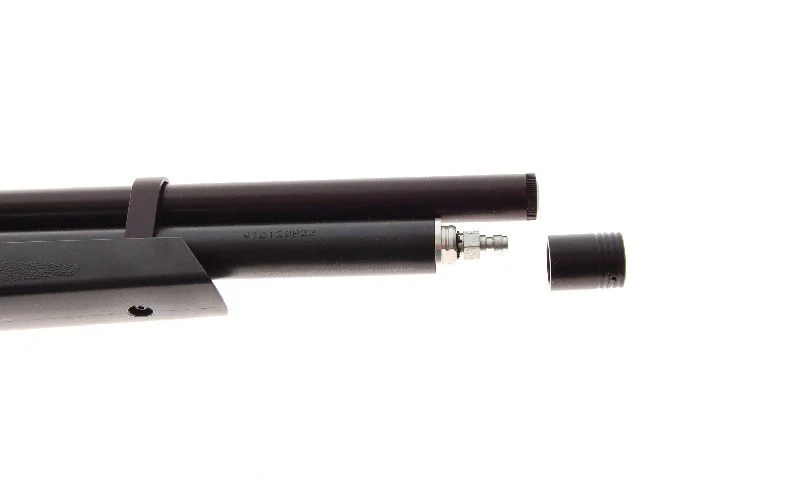
Fill Connection Care
The fill connection should remain clean and protected from dirt, grit, and moisture.
Contamination can interfere with seals or enter the pneumatic system during filling.
Before connecting filling equipment, the area should be inspected visually.
The fitting should engage smoothly without being forced.
If leakage occurs, filling should stop until the connection has been checked.
Keeping the fill area clean is a simple maintenance habit that helps reduce unnecessary seal wear.
Pressure Retention
Pressure should remain reasonably stable when the pistol is stored.
A gradual reduction during use is expected, but unexpected pressure loss while the pistol is sitting unused may indicate a leak.
If pressure falls noticeably without firing, the issue should be investigated rather than ignored.
Repeatedly adding air without identifying the cause can hide a developing sealing problem.
Internal pneumatic repairs should be left to appropriately qualified personnel.
Bolt Condition
The bolt should move smoothly and consistently.
Any sudden increase in resistance should be taken seriously.
If the action feels unusually stiff, the magazine, pellet, chamber area, and bolt path should be checked before additional force is applied.
Forcing the bolt can deform ammunition or damage loading components.
The bolt handle and surrounding hardware should also remain secure and free from abnormal movement.
Magazine Care
The magazine should remain clean, dry, and protected from impact.
Pellets should seat correctly and feed without excessive resistance.
If the magazine begins rotating irregularly or becomes difficult to insert, the cause should be identified before continued use.
Dirt, deformation, or internal wear can interfere with reliable feeding.
During storage and transport, magazines should be kept away from loose tools, moisture, and hard impacts.
Loading Area Maintenance
The loading area should remain free from debris, damaged pellets, and excessive residue.
If the bolt becomes harder to close or the magazine becomes difficult to seat, the chamber area should be checked.
A damaged pellet can create unnecessary resistance.
Forcing the action can make a simple loading problem worse.
Keeping the loading area clean helps preserve smooth operation and makes developing issues easier to identify.
Trigger Condition
The trigger should remain smooth and predictable.
A sudden change in pull weight, travel, or release feel should be investigated.
The trigger should not be adjusted excessively.
Any changes should remain within manufacturer-approved limits.
A predictable release helps preserve sight alignment and controlled shooting.
If the trigger becomes rough, unusually heavy, unexpectedly light, or inconsistent, the pistol should be inspected before continued use.
Grip Security
The grip should remain firmly attached and comfortable.
Any movement between the grip and frame can influence control and trigger technique.
The shooter should use a natural hand position without excessive pressure.
If grip hardware repeatedly loosens, the underlying cause should be investigated.
Overtightening should also be avoided because excessive force can damage threads or surrounding material.
Stable grip positioning supports repeatable handling.
Shoulder Stock Condition
When the removable shoulder stock is installed, it should remain secure and free from unwanted movement.
Any play at the connection can change eye alignment, shoulder contact, and overall stability.
The stock attachment should therefore be checked periodically.
If the connection becomes loose or damaged, it should be corrected before continued use.
A stable stock can make the supported configuration more comfortable and consistent.
Stock Removal and Storage
When the stock is removed, it should be stored where the attachment surfaces remain protected from damage.
Dust, moisture, or impact around the mounting area can interfere with secure fit later.
The stock should not be forced during installation or removal.
If unusual resistance develops, the connection should be inspected.
Keeping the attachment clean helps preserve the versatility of the pistol-to-carbine configuration.
Optics Rail Condition
The optics rail should remain straight, clean, and securely attached.
Mounting surfaces should not be damaged or heavily contaminated.
If the optic shifts unexpectedly, the rail and mounts should be checked before internal mechanical problems are assumed.
Fasteners should be tightened appropriately rather than excessively.
A stable rail supports repeatable sight alignment and helps preserve point of impact.
Optic Mounting Security
Rings and mounts should remain secure throughout use.
If zero changes unexpectedly, the complete sighting system should be inspected.
Loose screws, shifting rings, or damaged mounts can create inconsistent results.
Mounting hardware should be checked periodically.
However, excessive torque should be avoided because it can damage threads, rails, or optic components.
Stable mounting is essential for meaningful precision evaluation.
Barrel Protection
The barrel should remain protected from impact and unnecessary pressure.
It should not be used as a carrying point or rested against hard surfaces.
Accessories should be positioned so they do not press against the barrel or shroud.
If the pistol receives a significant front-end impact and accuracy changes afterward, the barrel and surrounding components should be inspected.
Protecting the barrel helps preserve mechanical consistency.
Muzzle and Crown Care
The muzzle crown should remain clean and undamaged.
This area influences the final stage of pellet exit.
The pistol should not be stored with the muzzle pressed against a hard object.
Cleaning tools should also be used carefully.
If accuracy changes after a front-end impact or careless cleaning, the muzzle area should be inspected.
Protecting the crown is a simple but important part of maintaining precision.
Shroud Condition
The barrel shroud should remain secure and free from dents or distortion.
Because it surrounds the barrel, external impact to the shroud can potentially affect alignment or create unwanted contact.
The shroud should not be used as a support point.
If it becomes loose or visibly damaged, the issue should be checked before further use.
Maintaining its condition also helps preserve the pistol’s intended sound-management characteristics.
External Surface Maintenance
External surfaces should be kept clean and dry.
Dust, moisture, fingerprints, and residue can accumulate around screws, rails, controls, and joints.
A soft cloth is generally suitable for routine cleaning.
Strong solvents should be avoided unless they are known to be compatible with the materials and finish.
After use in damp conditions, the pistol should be dried before storage.
Environmental Protection
Heat, cold, and humidity can influence pneumatic behavior and material condition.
The pistol should not be left in direct sunlight or inside a hot vehicle for extended periods.
Cold conditions may affect pressure and air efficiency.
Humidity can contribute to corrosion on exposed metal parts and optic hardware.
Environmental conditions should therefore be considered when comparing performance between separate shooting sessions.
Transport Protection
A suitable case should protect the pistol from impact, vibration, moisture, and pressure on the barrel, reservoir, optic, or stock attachment.
Loose accessories should not move freely inside the case.
The pistol should be unloaded and transported according to applicable local requirements.
After a long journey, the optic, bolt operation, stock connection, and external hardware should be checked before use.
Secure Storage
The pistol should be stored unloaded, secured, and protected from unauthorized access.
The storage environment should remain dry and free from excessive heat.
Reservoir pressure during storage should follow manufacturer guidance.
Magazines, pellets, filling equipment, the removable stock, and accessories should also be kept clean and organized.
Good storage helps protect the seals, finish, barrel, controls, and pneumatic system over time.
Long-Term Reliability and Serviceability
Long-term reliability depends on correct filling, careful loading, stable sights, predictable trigger behavior, secure stock hardware, protected barrel components, and regular inspection.
Pressure retention, magazine condition, bolt movement, grip security, stock attachment, optic mounts, filling connections, fasteners, and external surfaces should all be monitored over time.
Changes in air consumption, loading resistance, firing sound, pressure retention, bolt feel, or point of impact may indicate that servicing is required.
Internal high-pressure work should be left to appropriately qualified personnel.
When the pistol is operated within manufacturer limits, protected from impact, maintained carefully, and stored correctly, it is more likely to preserve dependable precision, stable handling, and consistent mechanical performance over extended use.
Be the first to review “Benjamin Marauder PCP Air Pistol (P-rod)”
Related products

Snowpeak Airguns
Snowpeak Airguns
Snowpeak Airguns

Snowpeak Airguns

Snowpeak Airguns

Snowpeak Airguns


Snowpeak Airguns
Snowpeak T-Rex Bullpup Air Rifle – Detailed Technical Product Guide

Snowpeak Airguns
Reviews
There are no reviews yet.