



Reximex Lieva Black

€320.00
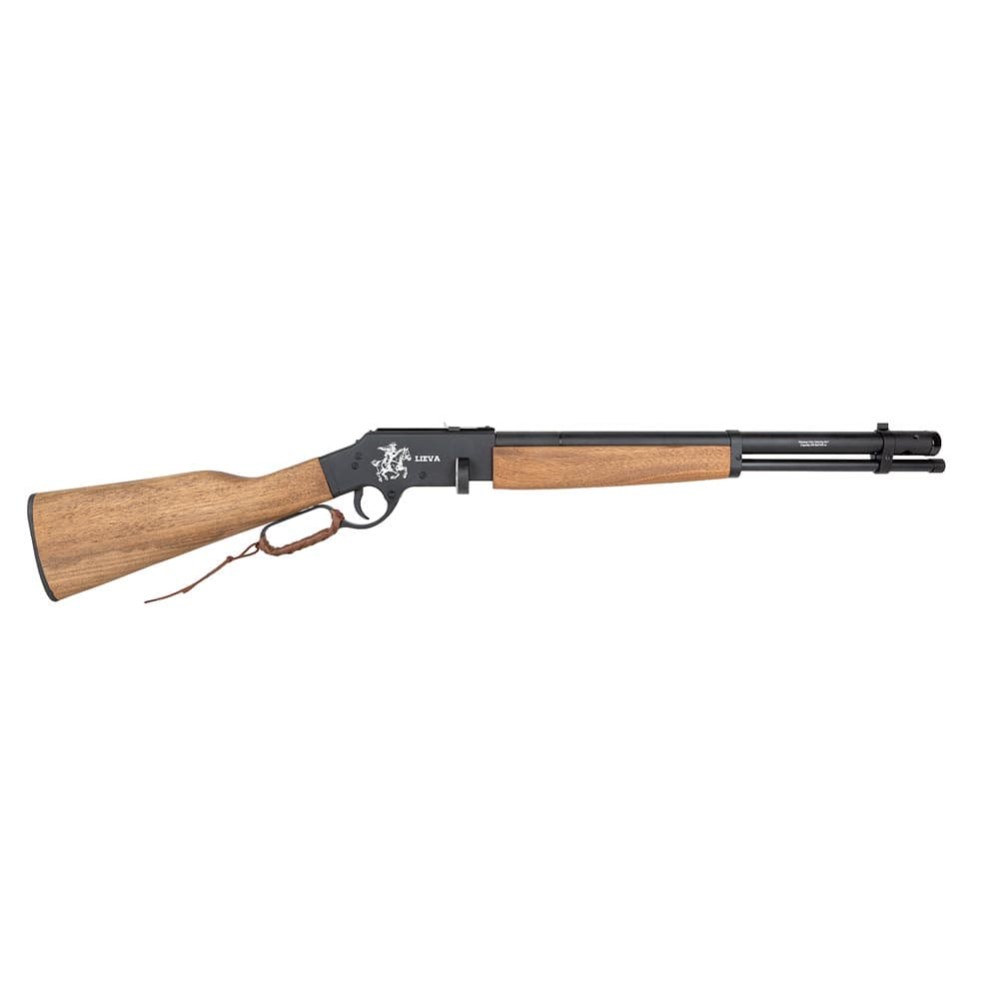
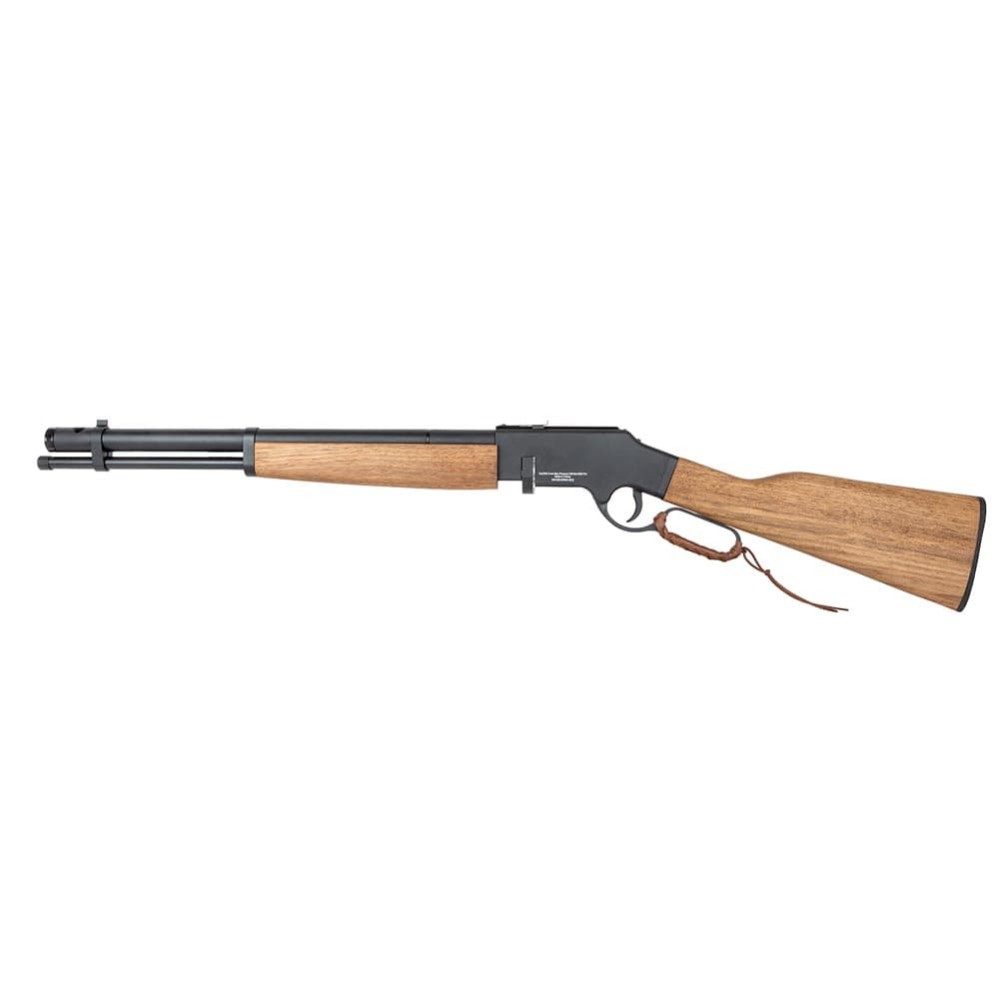
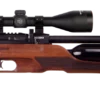
Reximex Lieva is a stunning blend of classic design and modern PCP technology, the Reximex Lieva brings the charm of a traditional lever-action rifle into today’s airgun world. Crafted with a premium Turkish walnut stock and featuring a smooth lever-action system with a stylish handmade leather wrap, it delivers fast follow-up shots and a timeless shooting experience.
Equipped with a regulated 105cc air cylinder and 200 bar fill pressure, the Lieva ensures consistent velocity and accuracy across every shot. Offering up to 60 shots per fill, it balances performance with efficiency.
Available in .177, .22, and .25 calibres, the rotary magazine provides 14, 12, or 10 shots respectively, making it versatile for target shooting or small-game pest control. At just 2.9kg and 970mm in length, the Lieva is lightweight, well-balanced, and designed for comfort.
With its elegant walnut finish and traditional open sights, it combines heritage styling with cutting-edge PCP reliability.
- Lever-action PCP air rifle with single-action trigger
- Adjustable rear sight and fixed front sight
- Engraved receiver
- Comes complete with 2 multi-shot magazines; .177 = 14 shot, .22 = 12 shot, .25 = 10 shot
- Regulated 105cc air cylinder, 200 bar fill
- Premium Turkish walnut stock
- ½” UNF adaptor
- Magnet for secure lever fix
Reximex Lieva Black – Premium Turkish Lever-Action PCP Air Rifle with Walnut Stock, Regulated Air System and Precision Engineering
Reximex Lieva Black – Classic Lever-Action Engineering, Modern PCP Technology, Premium Walnut Craftsmanship and Precision Sporting Performance
Reximex Lieva Black – Traditional Styling Meets Modern Pneumatic Engineering
The Reximex Lieva Black combines classic lever-action styling with contemporary pre-charged pneumatic technology, creating a distinctive sporting rifle that celebrates traditional craftsmanship and modern mechanical innovation.
Manufactured in Turkey, this model features an engraved black receiver, a full-length Turkish walnut stock and a leather-wrapped operating lever Reximex Lieva Black PCP air rifle.
Furthermore, its regulated compressed-air system supports consistent operation, while the repeating magazine mechanism provides a practical alternative to single-shot sporting equipment.
Unlike conventional spring-powered designs, the Lieva uses stored compressed air to operate its pneumatic system.
Its innovative arrangement places the barrel beneath the air cylinder, giving the rifle a traditional appearance reminiscent of classic lever-action designs.
Consequently, it offers an unusual combination of traditional styling and modern engineering.
The adjustable rear sight, fixed front sight and precision-rifled barrel further demonstrate its recreational target-shooting orientation.
Reximex Lieva Black – Technical Specifications and Important Features
-
Manufacturer: Reximex
-
Country of manufacture: Turkey
-
Model: Lieva Black
-
Operating system: Pre-charged pneumatic
-
Action: Lever-action repeating mechanism
-
Receiver finish: Engraved black
-
Stock material: Turkish walnut
-
Calibres: .177 (4.5mm), .22 (5.5mm), and .25 (6.35mm), depending on market
-
Magazine capacity: 14 rounds in .177, 12 in .22 and 10 in .25
-
Air reservoir: 105cc
-
Pressure regulation: Regulated system
-
Overall length: Approximately 970–980mm
-
Barrel length: Approximately 500–520mm
-
Weight: Approximately 2.2–2.9kg, depending on published configuration
-
Trigger: Single-action
-
Sights: Fixed front and adjustable rear
-
Optics mounting: 11mm dovetail on retailer-listed configurations
-
Muzzle accessory: 1/2-inch UNF adapter
-
Additional details: Leather-wrapped lever and magnetic lever retention
Important: Reximex’s international specifications list a 250-bar filling pressure, while several UK listings specify 200 bar. The exact factory marking and supplied manual must determine the correct limit.
Reximex Airguns, Reximex Lieva and Related Sporting Models
The Reximex Lieva belongs to a wider collection of Turkish pneumatic sporting equipment.
Popular searches include reximex, reximex airguns, reximex lieva, reximex throne gen2, reximex throne gen 2, reximex mito and reximex mitos.
Other related searches include reximex accura pcp air rifle, reximex гр, reximex rра, roxy max and mx rex.
However, these expressions do not necessarily identify the same product or compatible equipment.
Consequently, buyers should verify the exact model before comparing specifications.
Reximex Lyra K and Reximex Lyra-K PCP Air Rifle Comparisons
Customers exploring the manufacturer’s collection may also encounter Reximex Lyra K, Reximex Lyra-K PCP air rifle, Reximex Lyra-K airgun and Reximex Lyra-K PCP rifle.
Additional searches include Reximex Lyra-K regulated PCP, Reximex Lyra-K compact PCP rifle and Reximex Lyra-K tactical air rifle.
Although these terms refer to a separate product family, they reflect interest in the manufacturer’s contemporary engineering.
The featured Lieva remains particularly distinctive because of its traditional lever-operated mechanism, decorative receiver and walnut construction.
Reximex Lyra-K Review, Accuracy Test and Sporting Research
Enthusiasts researching alternatives may search for Reximex Lyra-K review, Reximex Lyra-K accuracy test and Reximex Lyra-K scope package.
Other expressions include Reximex Lyra-K pellet gun, Reximex Lyra-K hunting rifle, Reximex Lyra-K for pest control and Reximex Lyra-K small game hunting.
However, equipment selection and permitted sporting activities depend on local regulations, appropriate authorization and individual product specifications.
These searches should not be confused with verified performance results for the featured model.
Understanding Joules, FPS and Sporting Equipment Specifications
Understanding technical measurements helps buyers compare factory specifications responsibly.
Common research terms include tps to joules calculator, Tps joule calculator, fps to ft Ibs and airgun joules calculator.
Muzzle energy is generally expressed in joules or foot-pounds, while projectile velocity is expressed in feet per second or metres per second.
However, velocity alone does not establish energy; projectile mass also matters.
Furthermore, terms such as gunseek may appear in wider sporting equipment research.
Accurate comparisons should rely on manufacturer-published figures for the exact configuration.
Buying Research, Pricing and Product Availability
Search phrases such as buy Reximex Lyra-K online and best price Reximex Lyra-K reflect purchasing interest in the related product family.
For the featured model, buyers should instead verify the exact calibre, finish, included magazines, applicable legal requirements and retailer warranty.
Furthermore, available configurations may differ between international markets.
Transparent product information helps prevent confusion between visually similar models.
Why Choose the Reximex Lieva Black?
The Reximex Lieva Black offers a distinctive combination of heritage-inspired styling and contemporary pneumatic engineering.
Its Turkish walnut stock, engraved black receiver and leather-wrapped lever create a traditional appearance, while the regulated air system and rotary magazine reflect modern mechanical development.
Furthermore, the open sights and relatively compact dimensions contribute to its appeal for authorized recreational target shooting.
Actual accuracy, energy and shot count depend on the particular factory configuration, ammunition and equipment condition.
With its classic appearance, refined craftsmanship and innovative pneumatic construction, the Reximex Lieva Black offers enthusiasts a distinctive sporting design that combines tradition with modern engineering.
Traditional Lever-Action Engineering, Premium Hardwood Craftsmanship, Mechanical Reliability, Ergonomic Comfort, Quality Construction and Long-Term Ownership Benefits
Understanding the Importance of Traditional Mechanical Craftsmanship
Traditional mechanical craftsmanship represents an important connection between established manufacturing methods and contemporary engineering technology. Throughout the development of premium sporting equipment, manufacturers have combined familiar exterior designs with increasingly sophisticated internal components.
This approach allows modern products to preserve their distinctive visual character while incorporating developments in material science, machining accuracy and manufacturing quality.
Furthermore, traditional mechanical arrangements often appeal to enthusiasts who appreciate the relationship between individual components and the complete engineering system.
Every assembly contributes to the overall design. Structural components provide strength, external materials influence comfort, and internal mechanisms perform specific mechanical functions.
Consequently, successful construction requires careful coordination between engineering teams, production specialists and quality-control personnel.
However, traditional styling does not automatically guarantee superior reliability. Actual quality depends on material selection, manufacturing accuracy, professional assembly and appropriate maintenance.
A premium product should demonstrate these characteristics throughout its construction.
Ultimately, the most successful designs combine recognizable craftsmanship with modern production standards, practical serviceability and thoughtful ergonomic engineering.
Why Lever-Action Construction Offers Distinctive Mechanical Appeal
Lever-operated mechanisms represent an established chapter in the history of sporting equipment design.
Their recognizable external appearance provides a connection with traditional mechanical craftsmanship, while contemporary manufacturing allows increasingly refined component construction.
Furthermore, modern engineering can integrate traditional operating concepts with carefully manufactured internal assemblies.
However, the quality of a lever-operated system depends on more than its outward appearance.
The mechanism requires suitable materials, accurate dimensions and appropriate structural connections.
Consequently, manufacturers must consider the interaction between moving components throughout development.
Professional manufacturing also contributes to the consistency of the completed assembly.
Nevertheless, ordinary mechanical wear remains possible.
Unexpected resistance, unusual movement or visible damage may indicate a need for professional assessment.
Owners should avoid unauthorized alterations to the mechanism.
The lasting appeal of traditional lever-operated construction lies in its distinctive design, mechanical heritage and thoughtful integration with modern manufacturing.
Appreciating the Beauty of Natural Walnut Craftsmanship
Natural walnut has long been appreciated in premium sporting equipment because of its distinctive grain patterns, elegant colouring and traditional appearance.
Unlike completely synthetic exterior construction, hardwood provides natural variations that make individual products visually distinctive.
Furthermore, carefully finished walnut can display subtle differences in grain direction, colour and texture.
These characteristics contribute to the classic appearance of traditional sporting designs.
However, producing a premium wooden component requires more than selecting attractive timber.
The material must undergo appropriate preparation, shaping and finishing to satisfy the manufacturer’s requirements.
Professional woodworking contributes to consistent contours, smooth surfaces and carefully completed details.
Additionally, protective treatments help preserve the material during ordinary handling.
Nevertheless, natural hardwood remains sensitive to prolonged moisture exposure, temperature extremes and unsuitable cleaning chemicals.
Consequently, appropriate maintenance remains essential.
For enthusiasts who value traditional craftsmanship, natural walnut provides a distinctive combination of warmth, character and enduring visual appeal.
Understanding the Importance of Quality Timber Selection
Not every piece of natural timber possesses identical physical characteristics.
Density, grain structure, colour and dimensional stability can vary considerably between individual pieces.
Consequently, manufacturers must evaluate material suitability before beginning production.
A carefully selected piece should satisfy the intended structural requirements while providing an attractive foundation for finishing.
Furthermore, natural grain contributes to the individual character of the completed product.
Some examples display relatively uniform patterns, while others contain stronger visual contrasts.
However, attractive grain does not automatically establish superior structural quality.
The condition, preparation and suitability of the timber remain equally important.
Appropriate protective finishing helps preserve the material, although environmental care remains necessary.
Thoughtful timber selection demonstrates the relationship between traditional woodworking knowledge and modern manufacturing standards.
Why Decorative Metal Finishing Matters
Decorative metal finishing contributes significantly to the appearance of traditional sporting equipment.
Manufacturers may incorporate engraved patterns, carefully finished surfaces and contrasting treatments to create distinctive visual characteristics.
Furthermore, decorative details demonstrate attention to presentation and manufacturing craftsmanship.
However, appearance represents only one consideration.
The underlying metal components must satisfy the manufacturer’s structural and mechanical requirements.
Consequently, decorative treatments should remain compatible with the intended construction.
Protective finishes also help preserve exposed surfaces against ordinary environmental deterioration.
Nevertheless, scratches, moisture and unsuitable chemicals may affect their condition.
Owners should avoid aggressive cleaning methods that could damage delicate detailing.
Careful exterior maintenance supports the preservation of both decorative craftsmanship and material condition.
The Relationship Between Traditional Styling and Modern Engineering
Traditional styling and modern engineering are not opposing design approaches.
Instead, manufacturers can combine recognizable exterior features with contemporary materials and manufacturing technologies.
Natural hardwood contributes classic visual character, while precision-manufactured metal components reflect modern industrial production.
Furthermore, carefully selected decorative details create a distinctive relationship between historical design influences and contemporary engineering.
However, successful integration requires careful technical consideration.
Different materials respond differently to temperature, humidity and mechanical stress.
Consequently, manufacturers must account for these characteristics throughout development.
The original design should preserve structural integrity, appropriate safety provisions and professional serviceability.
For enthusiasts who appreciate heritage-inspired equipment, this combination provides a distinctive ownership experience.
Understanding the Benefits of Precision Manufacturing
Precision manufacturing provides the foundation for sophisticated mechanical construction.
Before production begins, engineers establish dimensional requirements for individual components.
These specifications help ensure that parts correspond correctly during final assembly.
Furthermore, modern machining technologies allow manufacturers to produce intricate components with consistent dimensions.
Carefully managed production processes reduce unnecessary differences between manufacturing examples.
However, dimensional accuracy represents only one aspect of quality.
Material properties, protective treatments, professional assembly and inspection procedures also contribute.
Consequently, reliable manufacturing requires attention throughout production.
Technical specialists may evaluate component dimensions, surface characteristics and assembly quality.
These procedures help determine whether the completed equipment satisfies established requirements.
Precision manufacturing establishes an important foundation, while suitable maintenance supports continued serviceability.
Why High-Quality Material Selection Is Important
Material selection influences almost every aspect of mechanical equipment construction.
Different components require different combinations of strength, hardness, flexibility, dimensional stability and corrosion resistance.
Consequently, manufacturers must select suitable materials according to their intended functions.
Metal alloys commonly provide structural support, while specialized polymers and elastomers perform functions requiring flexibility or sealing characteristics.
Natural hardwood can contribute ergonomic construction and traditional appearance.
Furthermore, protective treatments help preserve exposed materials.
However, no material remains permanently unaffected by wear.
Metals may experience corrosion, certain polymers may deteriorate after chemical exposure, and wooden materials can respond to humidity changes.
Therefore, original material quality must be supported by appropriate maintenance.
Premium construction depends on the relationship between material suitability, manufacturing accuracy and responsible ownership.
Understanding the Importance of Mechanical Reliability
Mechanical reliability represents a fundamental characteristic of premium sporting equipment.
A carefully manufactured assembly should remain within the operating characteristics established by its manufacturer.
However, reliability depends on several interconnected factors.
Material quality, dimensional accuracy, professional assembly and appropriate maintenance all contribute.
Furthermore, ordinary wear may gradually influence individual components.
Consequently, unexpected changes in mechanical behaviour should never be ignored.
Unusual resistance, unfamiliar sounds or visible damage may indicate the need for professional inspection.
Continued use with unresolved mechanical concerns can create unnecessary risks.
Manufacturer documentation should guide appropriate responses.
Dependable construction provides a strong foundation, while professional servicing supports long-term reliability.
Why Mechanical Consistency Deserves Attention
Mechanical consistency reflects the ability of equipment to remain within its intended operating characteristics.
This depends on accurate manufacturing, suitable materials and properly maintained components.
Furthermore, professional assembly contributes to the interaction between individual mechanisms.
However, even carefully manufactured equipment experiences ordinary wear.
Consequently, owners should remain attentive to changes in condition.
Unexpected movement, resistance or visible deterioration may require professional evaluation.
Preserving the original approved configuration helps maintain mechanical integrity.
Unauthorized modifications should be avoided.
Consistent manufacturing supports dependable construction, while suitable care contributes to long-term serviceability.
Understanding the Importance of Modern Pneumatic Engineering
Modern pneumatic engineering involves the controlled use of compressed air within specialized mechanical systems.
Its development requires careful consideration of material properties, pressure-bearing components and manufacturing accuracy.
Furthermore, individual assemblies must remain compatible with the manufacturer’s intended operating characteristics.
However, pneumatic technology also introduces specific maintenance responsibilities.
Pressure-containing components require appropriate inspection, while internal seals and specialized mechanisms may eventually need professional attention.
Consequently, owners should follow the manufacturer’s official documentation.
Unauthorized modifications can compromise reliability and safety.
The practical value of sophisticated pneumatic engineering lies in its integration with dependable mechanical construction and appropriate professional serviceability.
Why Pressure-Bearing Components Require Specialized Construction
Pressure-bearing components require particularly careful engineering because they operate under demanding mechanical conditions.
Their construction must accommodate the limits established by the manufacturer.
Consequently, suitable materials, controlled production and comprehensive inspection procedures remain essential.
Furthermore, these components must remain compatible with the complete mechanical assembly.
Damage, corrosion or uncertainty about condition requires professional assessment.
Owners should never attempt unauthorized alterations to pressure vessels.
Similarly, replacement components should not be selected merely because they appear physically compatible.
Manufacturer documentation establishes relevant servicing requirements.
Dependable pressure-system construction reflects engineering expertise, while responsible maintenance remains important throughout ownership.
Understanding the Benefits of Regulated Pressure Management
Pressure regulation represents an established development in pneumatic engineering.
A regulating mechanism manages pressure according to the manufacturer’s intended operating characteristics.
Its effectiveness depends on the quality and condition of the complete assembly.
Furthermore, specialized internal components may require professional servicing.
However, regulation does not eliminate every possible source of mechanical variation.
Environmental temperature, component condition and ordinary wear can influence system behaviour.
Consequently, identical operation under every circumstance should not be assumed.
Unauthorized internal adjustments may introduce reliability or safety concerns.
Qualified technicians should evaluate suspected faults.
Modern regulation reflects sophisticated engineering, while appropriate maintenance supports continued serviceability.
Why Reliable Sealing Components Matter
Sealing materials perform essential functions within compressed-air systems.
They help maintain appropriate separation between pressurized and non-pressurized areas.
Manufacturers select specialized materials according to mechanical requirements and environmental compatibility.
Furthermore, accurate component dimensions contribute to dependable sealing.
However, sealing materials may deteriorate through aging, contamination or unsuitable chemical exposure.
Consequently, professional replacement may eventually become necessary.
Owners should avoid applying unverified lubricants or cleaning products.
Some substances may damage specialized materials or introduce safety concerns.
Manufacturer-approved servicing helps preserve the intended mechanical configuration.
Understanding the Importance of Ergonomic Design
Ergonomics concerns the relationship between equipment and the individual using it.
A thoughtfully developed sporting product should accommodate reasonable differences in physical proportions while maintaining its intended configuration.
Contact surfaces, overall dimensions and weight distribution influence comfort.
Furthermore, carefully shaped exterior components may provide a more natural physical interface.
However, ergonomic preferences vary.
Two people with similar physical characteristics may prefer different arrangements.
Consequently, prospective owners should consider their individual requirements rather than relying exclusively on photographs.
Additional accessories can also influence the finished configuration.
Thoughtful ergonomic engineering combines personal comfort with dependable structural construction.
Why Carefully Shaped Wooden Components Matter
Traditional wooden components require accurate shaping to combine practical construction with refined appearance.
Manufacturers use controlled machining and finishing methods to produce consistent contours.
Furthermore, smoothly completed surfaces demonstrate attention to craftsmanship.
Natural grain patterns enhance the appearance of curved sections and carefully finished edges.
However, visual appeal represents only one requirement.
The completed component must satisfy the manufacturer’s structural specifications.
Consequently, unauthorized material removal or alterations should be avoided.
A well-developed wooden component combines traditional craftsmanship with dependable construction.
Its overall quality reflects both material selection and professional manufacturing expertise.
Understanding Weight Distribution and Overall Balance
Total weight provides useful technical information, but it does not describe the complete physical experience.
Two products with similar mass may feel noticeably different because their components are distributed differently.
Furthermore, optional accessories may influence the finished arrangement.
Consequently, overall balance deserves attention alongside published dimensions.
Traditional configurations may distribute mass differently from contemporary alternatives.
However, no single arrangement suits every individual.
Personal comfort and intended lawful recreational activities influence suitability.
Manufacturers must balance ergonomic considerations with structural requirements.
A carefully developed product considers the complete physical arrangement rather than focusing exclusively on reducing weight.
The Importance of Durable Metal Components
Metal components provide essential structural and mechanical functions within sophisticated sporting equipment.
Manufacturers select particular alloys according to strength, hardness, machinability, weight and corrosion resistance.
Furthermore, different components may require different material characteristics.
A structural section may need properties unlike those of an exterior decorative component.
Consequently, material selection must correspond to the intended function.
Modern manufacturing allows intricate metal components to achieve carefully controlled dimensions.
However, even durable materials require appropriate maintenance.
Moisture, contamination and ordinary mechanical wear can influence condition.
Responsible ownership includes protecting equipment from unnecessary deterioration and obtaining professional assistance when necessary.
Why Protective Surface Treatments Are Important
Protective surface treatments contribute to both appearance and material preservation.
Manufacturers may apply specialized coatings to exposed metal components.
Furthermore, carefully completed surfaces demonstrate attention to manufacturing quality.
However, protective finishes have limitations.
Scratches, abrasion and unsuitable cleaning products may affect their condition.
Consequently, manufacturer-approved maintenance should guide exterior care.
Aggressive solvents and abrasive materials should generally be avoided.
Routine cleaning should preserve the original finish rather than introduce unnecessary alterations.
Appropriate care contributes to lasting appearance and material preservation.
Understanding Manufacturing Quality Control
Quality control helps manufacturers determine whether individual components satisfy established engineering specifications.
Inspection procedures may include dimensional measurement, material verification and assembly assessment.
Furthermore, documented production methods support manufacturing consistency.
However, reliable quality assurance requires more than a final visual examination.
Attention must continue throughout design, machining, finishing and assembly.
Consequently, the completed product reflects several coordinated processes.
Accurate production records may also support traceability and future servicing.
Established inspection procedures provide useful reassurance, although individual equipment condition remains important throughout ownership.
The Value of Experienced Manufacturing Professionals
Professional manufacturing experience contributes to refined mechanical construction.
Established engineering teams may apply knowledge gained from previous designs to improve production methods.
Furthermore, experienced technicians can identify practical manufacturing challenges.
However, reputation alone cannot guarantee the condition of every individual product.
Actual quality depends on materials, construction and maintenance history.
Consequently, prospective buyers should evaluate verified specifications and available documentation.
Manufacturing experience provides the greatest value when supported by consistent standards and dependable technical assistance.
Why Manufacturer Documentation Is Essential
Manufacturer documentation provides important information about intended equipment specifications.
Official instructions may identify maintenance requirements, approved components and safety limitations.
Furthermore, documentation helps distinguish related product versions.
Similar-looking equipment may contain different internal assemblies or technical characteristics.
Consequently, owners should retain instructions corresponding to their actual product.
Purchase records may also support warranty claims and professional servicing.
Accurate documentation reduces uncertainty and encourages responsible ownership.
Understanding the Importance of Professional Servicing
Professional servicing supports the continued condition of specialized mechanical equipment.
Qualified technicians understand the manufacturer’s requirements and can assess components requiring technical attention.
Furthermore, they can determine whether approved replacement parts are necessary.
However, routine exterior cleaning should be distinguished from complex internal maintenance.
High-pressure assemblies may contain hazards requiring specialized expertise.
Consequently, unauthorized dismantling should be avoided.
Professional inspection becomes particularly important when unusual mechanical behaviour occurs.
The purpose of servicing is to preserve the original engineering configuration while addressing deterioration appropriately.
Why Genuine Replacement Components Matter
Replacement components must correspond to the manufacturer’s approved specifications.
Parts that appear physically similar may differ in dimensions, materials or mechanical properties.
Consequently, unverified substitutions can compromise reliability.
Furthermore, pressure-bearing and safety-related assemblies require particular attention.
Authorized service providers can identify appropriate replacements.
However, genuine components must still be installed correctly.
Professional workmanship remains essential.
Maintenance records may document significant repairs and support future inspections.
Preserving the original engineering configuration contributes to dependable long-term ownership.
Caring for Natural Hardwood Surfaces
Natural hardwood requires appropriate environmental care.
Although protective finishes provide resistance to ordinary handling exposure, timber remains sensitive to moisture and temperature changes.
Consequently, prolonged contact with water should be avoided.
Furthermore, excessive heat and direct sunlight may affect certain finishes.
Owners should follow manufacturer-approved cleaning recommendations.
Household furniture treatments may contain ingredients unsuitable for specialized coatings.
A soft cloth can help remove ordinary dust without unnecessary abrasion.
However, structural cracks or significant surface damage may require professional attention.
Careful preservation helps maintain the appearance of traditional craftsmanship.
Protecting Decorative Metal Finishes
Decorative metal components require careful handling to preserve their original appearance.
Detailed surface patterns may accumulate ordinary dust in recessed areas.
However, aggressive cleaning tools may damage delicate finishes.
Consequently, manufacturer-approved cleaning methods should guide maintenance.
Furthermore, prolonged exposure to moisture can encourage corrosion.
A clean, stable environment helps preserve decorative surfaces.
Where significant deterioration occurs, professional advice may be appropriate.
Appropriate care supports the continued appearance of refined metal craftsmanship.
Understanding Environmental Conditions and Material Preservation
Environmental conditions influence the longevity of mechanical equipment.
Excessive moisture may encourage corrosion, while prolonged heat exposure can affect certain materials.
Furthermore, rapid temperature changes may contribute to condensation.
Consequently, equipment should remain protected from avoidable extremes.
A clean, stable storage environment is generally preferable.
However, different materials respond differently to humidity and temperature.
Manufacturer recommendations should guide storage decisions.
Appropriate environmental care supports preservation but cannot replace professional inspection when damage is suspected.
Why Temperature Stability Matters
Temperature changes can influence the physical properties of certain materials.
Metals, hardwood and specialized mechanical components respond differently to environmental extremes.
Furthermore, movement between warm and cool environments can contribute to condensation.
Consequently, avoiding unnecessary temperature fluctuations supports preservation.
Equipment should not remain exposed to excessive heat for prolonged periods.
Likewise, damp storage conditions should be avoided.
Where unusual deterioration occurs, professional advice may be necessary.
Responsible environmental care helps preserve the manufacturer’s intended construction.
The Importance of Secure Storage
Secure storage represents a fundamental responsibility when owning sporting equipment capable of causing serious injury.
Unauthorized individuals should not have access.
Furthermore, local regulations may establish specific storage requirements.
A suitable locked cabinet may provide appropriate protection, subject to applicable legislation.
However, physical security represents only one consideration.
Storage conditions should also protect materials from excessive moisture, heat and contamination.
Consequently, responsible storage combines personal safety with preservation.
Owners should verify applicable legal obligations.
Understanding Protective Transportation
Transportation exposes equipment to handling and environmental risks.
A suitable protective carrying case may reduce accidental exterior damage.
Furthermore, organized storage helps prevent unnecessary contact with loose accessories.
However, protective cases do not eliminate every hazard.
Equipment must remain secured according to applicable transportation regulations.
Consequently, owners should verify relevant legal requirements before travelling.
Prolonged exposure to excessive heat and moisture should also be avoided.
Careful transportation supports preservation and responsible ownership.
Why Long-Term Durability Depends on Responsible Care
Durability begins with suitable materials and dependable manufacturing.
However, its preservation depends on handling, environmental conditions and maintenance history.
Prolonged exposure to moisture and neglected care can reduce service life.
Consequently, manufacturer-approved maintenance remains essential.
Professional inspection helps identify developing concerns.
Furthermore, secure storage protects equipment from unauthorized access and unnecessary damage.
No universal service life should be assumed without reference to manufacturer requirements.
Long-term durability results from the combination of original manufacturing quality and responsible ownership.
Understanding the Importance of After-Sales Support
After-sales support can significantly influence ownership satisfaction.
Authorized service providers may offer technical guidance, professional inspection and approved replacement components.
Furthermore, reliable documentation helps technicians identify the correct equipment configuration.
However, support availability varies between regions.
Consequently, prospective owners should verify local servicing arrangements.
Keeping purchase and maintenance records may simplify future assistance.
Dependable technical support contributes practical value beyond the original purchase.
Why Warranty Protection Matters
Warranty protection establishes a framework for addressing qualifying manufacturing defects.
However, coverage differs between manufacturers, retailers and jurisdictions.
Certain policies may exclude ordinary wear, accidental damage or unauthorized modifications.
Consequently, buyers should review applicable conditions.
Proof of purchase may also be required.
Furthermore, professional servicing may help preserve compliance with warranty terms.
A transparent warranty policy supports reasonable purchasing expectations.
However, warranty coverage does not guarantee unlimited equipment life.
Understanding Product Authenticity
Authenticity helps establish whether equipment corresponds to the manufacturer’s published specifications.
Closely related configurations may share similar appearances while containing different components.
Consequently, accurate identification matters.
Buyers should verify product markings, documentation and stated technical characteristics.
Furthermore, authorized retailers may provide useful assistance.
Transparent information reduces misunderstandings.
Genuine equipment supported by appropriate documentation may simplify future servicing and warranty assistance.
Why Accurate Product Specifications Matter
Accurate specifications support informed purchasing decisions.
Published information may identify dimensions, materials, weight and mechanical characteristics.
However, regional configurations and production revisions may introduce differences.
Consequently, prospective buyers should verify the precise version offered.
Optional accessories may also affect the supplied package.
Retailers should distinguish included equipment from separately available items.
Transparent documentation helps establish purchasing confidence.
Responsible Ownership and Legal Compliance
Responsible ownership involves understanding applicable safety and legal requirements.
Local regulations may influence possession, transportation and authorized recreational use.
Furthermore, secure storage helps prevent unauthorized access.
Mechanical safety features provide additional safeguards but cannot replace responsible handling.
Consequently, owners should follow the manufacturer’s official instructions.
Qualified instruction may benefit individuals unfamiliar with technical sporting equipment.
Responsible ownership protects people, property and equipment condition.
The Importance of Authorized Recreational Environments
Recreational sporting activities should take place within appropriate legal and safety frameworks.
Authorized facilities may provide structured environments with established procedures.
Furthermore, qualified supervision can help participants understand relevant responsibilities.
However, permission requirements vary between jurisdictions.
Private property does not automatically authorize every activity.
Consequently, owners should verify applicable regulations.
Suitable protective equipment and controlled access remain important.
Safety should always take priority over convenience.
Understanding Total Ownership Costs
The original purchase price represents only part of the financial commitment associated with specialized sporting equipment.
Routine maintenance, professional servicing and replacement components may create additional expenses.
Furthermore, suitable protective storage and transportation equipment may be necessary.
Consequently, prospective buyers should consider foreseeable ownership requirements.
A premium product may provide attractive long-term value when its construction and servicing arrangements meet individual expectations.
However, no mechanical equipment should be considered permanently maintenance-free.
Responsible budgeting supports sustainable ownership.
Evaluating Quality Beyond Exterior Appearance
An attractive exterior creates a strong first impression.
However, appearance cannot establish the condition of every internal component.
A carefully finished product may still require professional servicing.
Consequently, buyers should consider technical documentation and maintenance history.
Professional inspection may be appropriate for previously owned equipment.
Furthermore, promotional claims should be compared with verified specifications.
Mechanical integrity and serviceability remain more important than cosmetic presentation alone.
Appreciating the Lasting Value of Traditional Craftsmanship
Traditional craftsmanship reflects attention to material selection, accurate shaping and refined finishing.
Carefully completed hardwood surfaces provide natural visual character, while decorative metal components demonstrate attention to traditional styling.
Furthermore, precision-manufactured internal assemblies reflect contemporary engineering.
However, appearance should never replace mechanical evaluation.
A product may look attractive while requiring technical attention.
Consequently, genuine craftsmanship should be considered alongside reliability, structural integrity and long-term serviceability.
The strongest designs demonstrate consistency between external refinement and internal construction.
Final Assessment of Engineering Quality, Premium Materials and Long-Term Ownership Value
Premium sporting equipment represents the combined expertise of engineers, manufacturing specialists and skilled craftspeople.
Its overall quality depends on carefully developed components, suitable materials and consistent production standards.
Furthermore, precision manufacturing contributes to dimensional accuracy and mechanical refinement.
Traditional hardwood construction provides distinctive visual appeal, while decorative metal finishing highlights attention to craftsmanship.
However, technical sophistication must remain consistent with safety and serviceability.
Pressure-bearing components require professional attention when maintenance becomes necessary, and unauthorized modifications should always be avoided.
Consequently, manufacturer-approved care remains essential throughout ownership.
Secure storage and lawful transportation protect both the equipment and surrounding individuals.
Furthermore, accurate documentation supports future servicing and responsible ownership.
For prospective buyers, important considerations include verified specifications, structural integrity, ergonomic suitability and available technical support.
Premium craftsmanship should offer more than an attractive exterior.
Its lasting value comes from dependable construction, thoughtful engineering, quality materials and appropriate long-term maintenance.
Ultimately, a satisfactory ownership experience develops when traditional design excellence is combined with modern manufacturing, professional serviceability, careful preservation and responsible care.
Be the first to review “Reximex Lieva Black”
Related products

Reximex

Air Gun Pistol

Reximex

Reximex


Reximex

Reximex
Reviews
There are no reviews yet.