
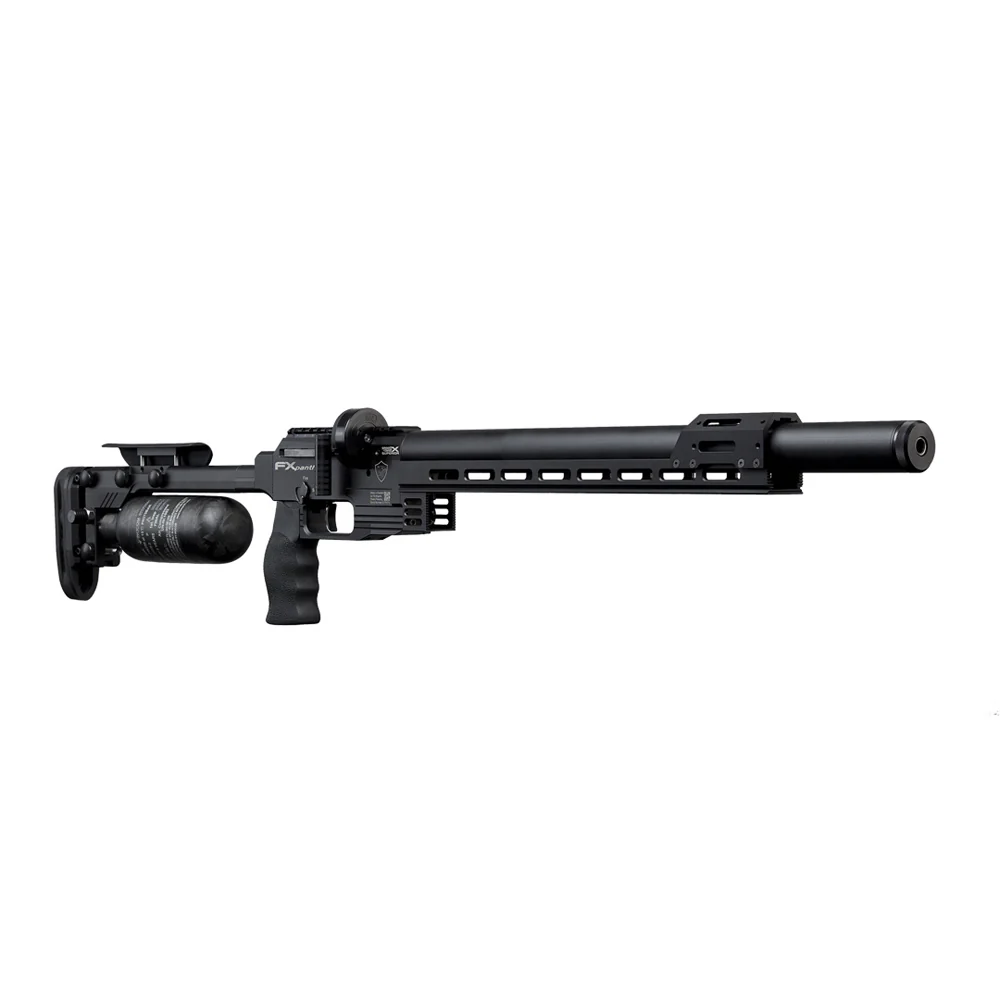
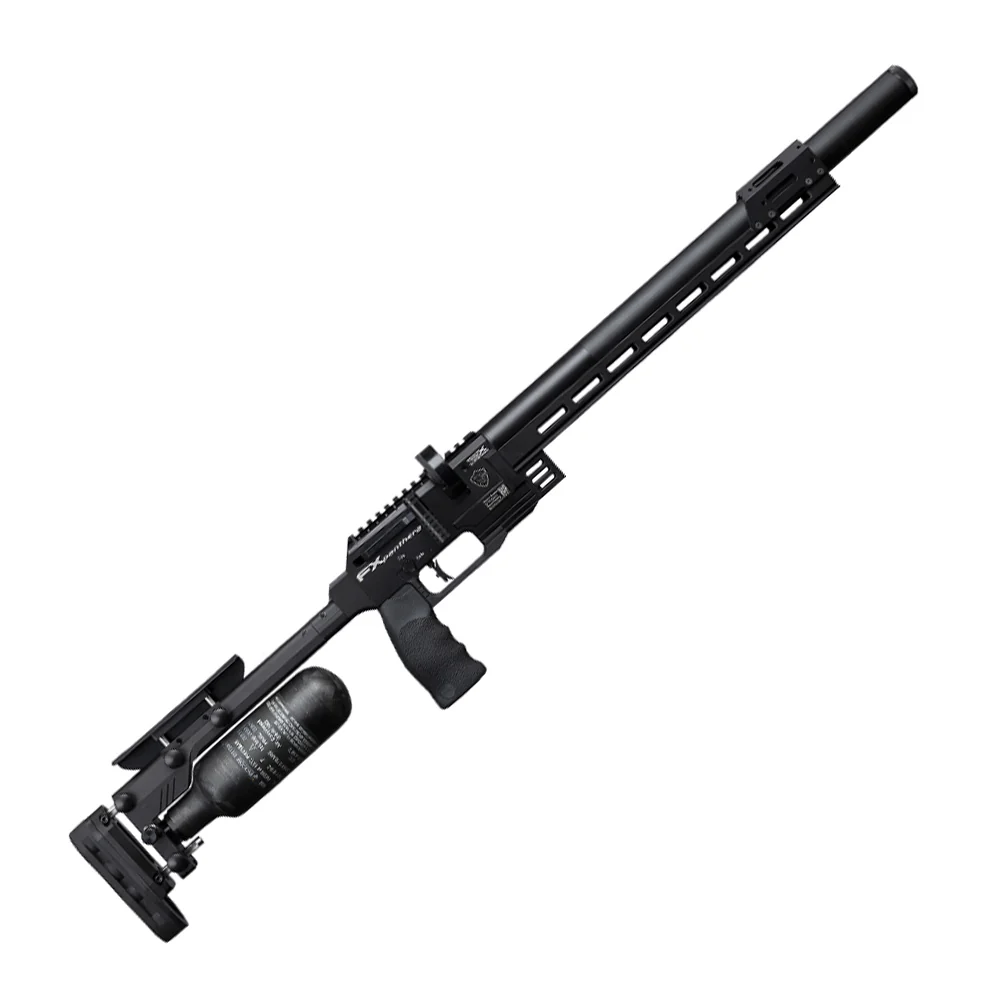
FX Panthera Black 600mm FAC

€2,059.00
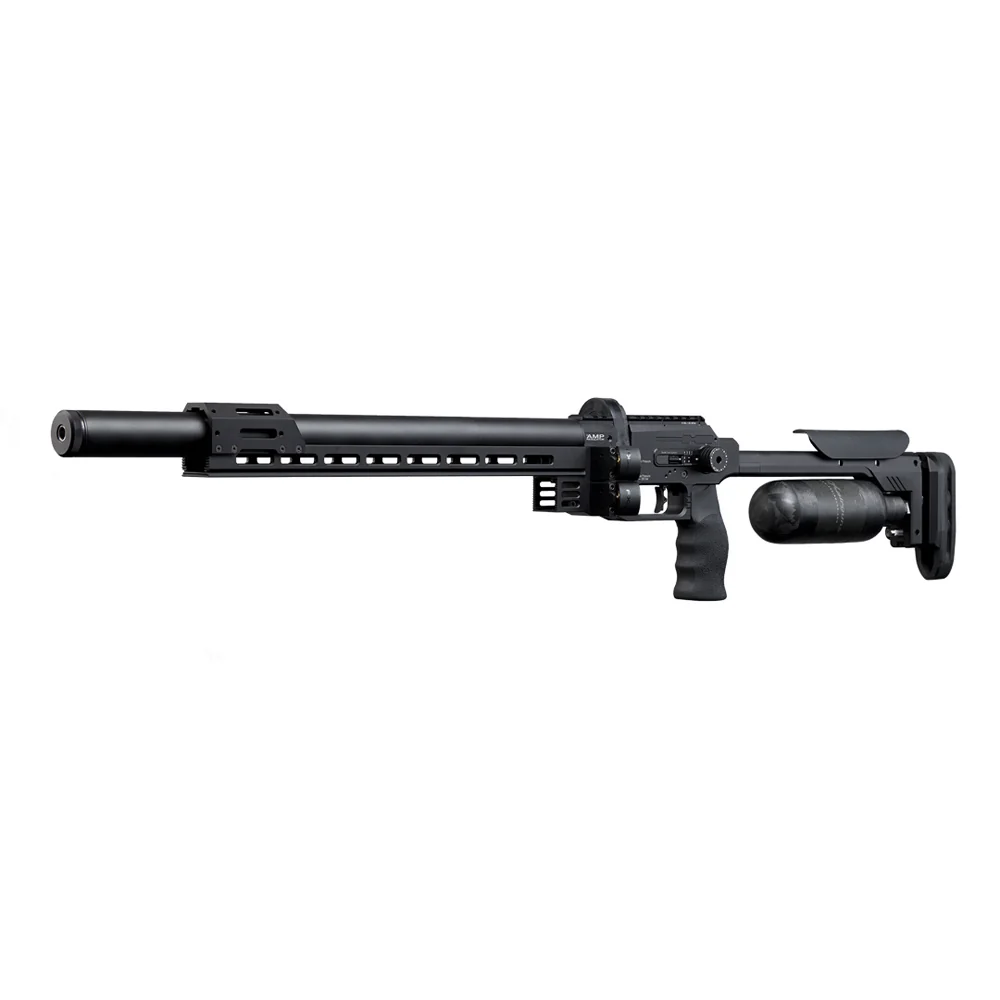
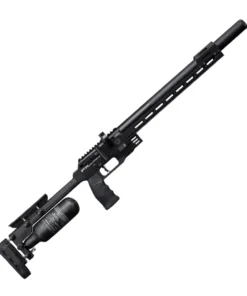
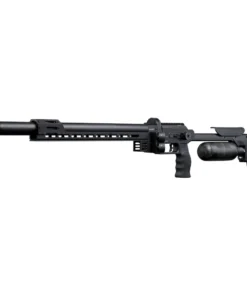
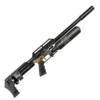
FX Panthera Black 600mm Air Rifle FAC
A dedicated, purpose-built air rifle made to win precision rifle competitions
The FX Panthera is unlike any rifle FX Airguns have made before. It is a dedicated slug rifle, purpose-built with precision competition in mind, and complete with airgun innovation that continues the FX Airguns tradition of pushing the boundaries of airgun performance.
A Generational Leap Forwards
The Panthera includes technology that is a generational leap-forward for an airgun. It begins with the new Dynamic Block, a new breech block designed from the ground up for performance slug shooting. The Dynamic Block utilises a compact one-piece valve. This High-Power / Short-Impulse Valve is extremely efficient while allowing an immense and precise flow of air.
The plenum feeding the Panthera is revolutionary and the first of its kind. The Dynamic Plenum is an over-the-barrel plenum which provides a consistent regulated pressurized plenum around the barrel, adding incredible stiffness to the barrel as well as allowing multiple plenum lengths to be employed to match the calibre and power of the rifle.
Precise levels of pressure are maintained by the single AMP MKII Regulator
The results of the Dynamic Breech & Plenum are extraordinary! Testing has yielded constant 10 shot strings with standard deviations in the low 1.0–2.0 range with extreme spreads as low as 3-4. This ability to precisely control air flow paired with the world-class FX Superior STX barrel using premium slugs will yield competition wins, and not just in airgun competitions.
Designed for Competition Shooting
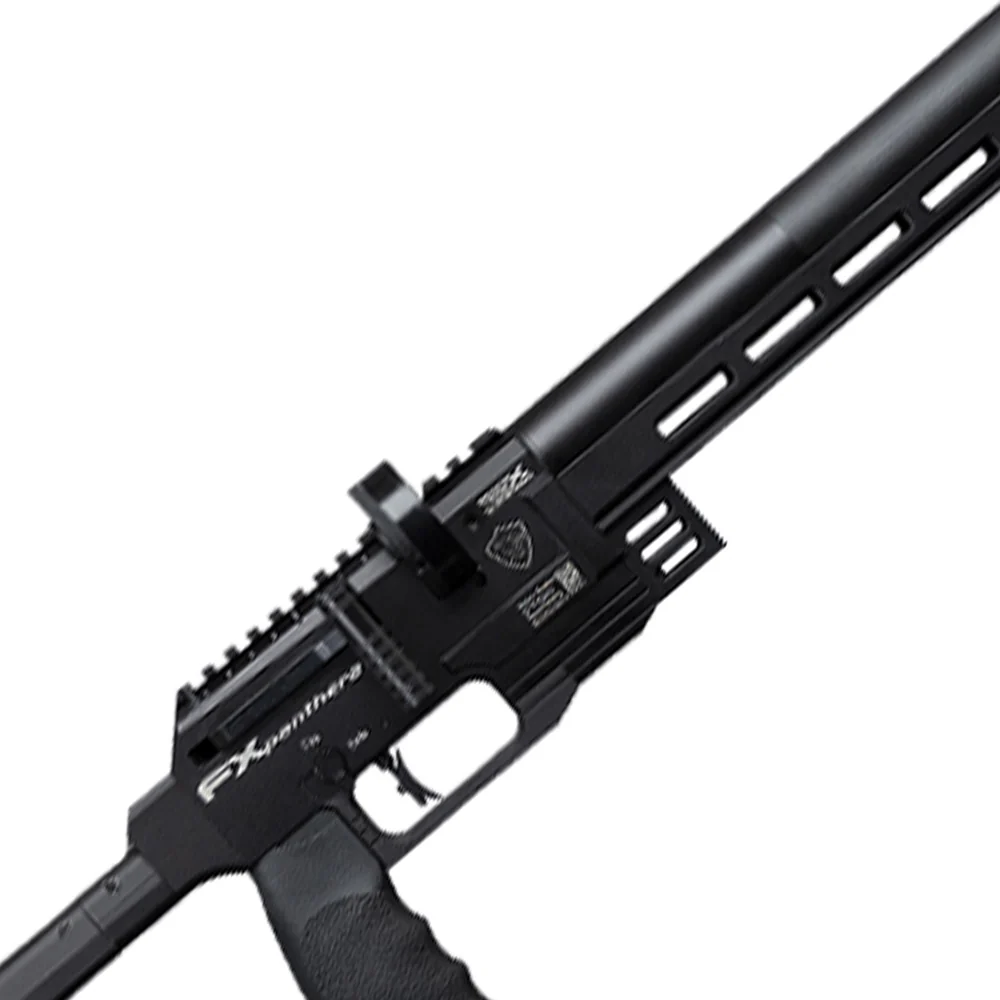
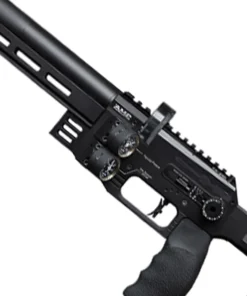
The Panthera stock is designed for competition. It features a 14.75” long Arca rail complete with M-LOK sections and a barricade block nestled next to the breech. Achieve an ideal balance point by adding external M-LOK compatible weights or internal FX Barrel Weights that attach under the shroud
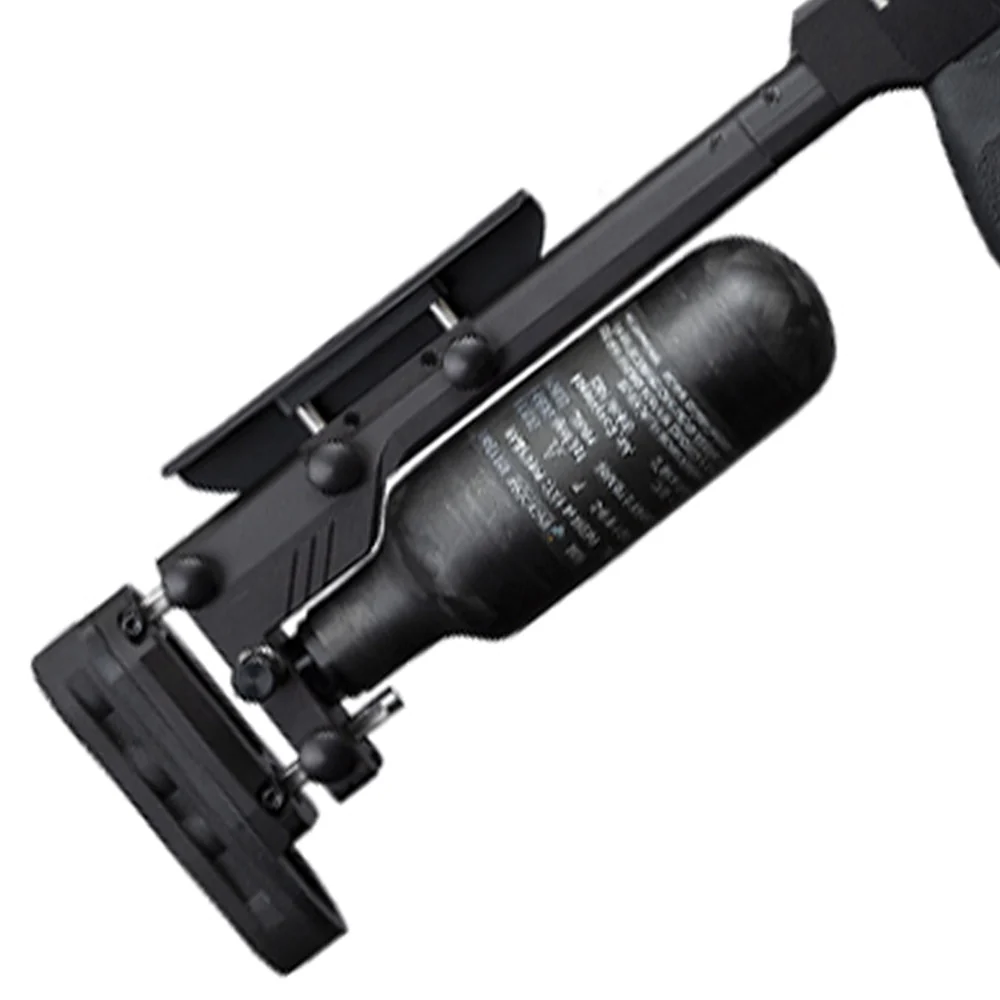
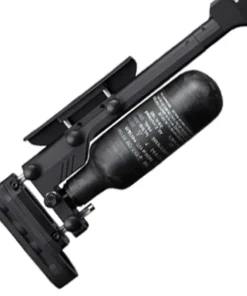
The Panthera further fits the shooter using a fully adjustable buttstock and an adjustable cheekpiece that is also ambidextrous. The Panthera’s air source is a 300cc carbon fiber bottle attached in the rear and is filled via a rear located foster quick disconnect.
The Dynamic block has a larger breech than previous rifles that allows projectiles up to 13mm in length. It uses the Standard Side-Shot Magazine but with a newly designed deeper lid to accommodate longer length slugs.
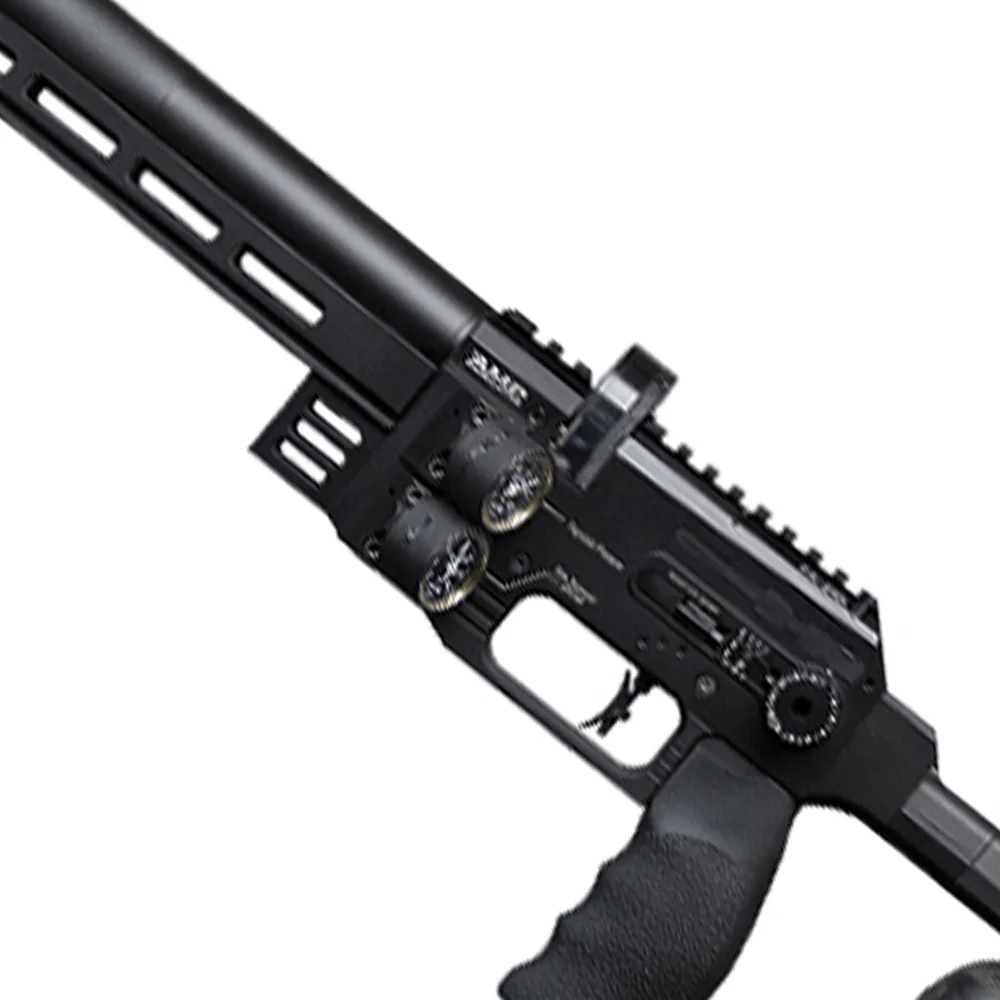
The FX Panthera employs the Quick Tune System, a 20MOA picatinny scope rail, comes standard with a zero-angle grip and has an ambidextrous sidelever cocking handle that is reversible to the left side of the rifle. Dual angled Manometers on the left side of the block show the bottle pressure and the regulated plenum pressure.
World Changing
Truly the precision rifle world will forever be changed with the new FX Panthera. The rifle feels and shoots like a precision 22LR, enjoying straight back recoil, but with precision and accuracy only found with an FX Airgun!
| COCKING SYSTEM | Reversible Sidelever |
|---|---|
| MAGAZINE | 22rds in .177
18rds in .22 16rds in .25 13rds in .30 |
| MAGAZINE DEPTH | 13mm (0.51″) |
| BARREL | Superior Heavy STX |
| TRIGGER | Adjustable match trigger |
| REGULATOR | AMP MKII Regulator |
| VALVE | High Power / Short Impulse |
| MUZZLE ENERGY | Up to 11.5ft/lbs |
| AIR CAPACITY | Carbon Fiber 300cc |
| FILL PRESSURE | 250 BAR (6,625 PSI) |
| LENGTH | 965mm (38″) |
| WEIGHT | 3.5kg (7.65lbs) |
| CHARGING | Rear Located Foster QD |
| FOREND RAIL | Arca Rail / M-LOK |
| OPTICS RAIL | Picatinny |
FX PANTHERA BLACK 600MM FAC
FX Panthera Black 600mm FAC Overview
What Is the FX Panthera Black 600mm FAC?
The FX Panthera Black 600mm FAC is a premium, purpose-built PCP air rifle developed around FX Airguns’ Dynamic Block platform. The Panthera was designed specifically around precision shooting, with the platform combining a rigid action, regulated air delivery, adjustable competition ergonomics, and a barrel system intended to support consistent projectile performance. FX describes the Panthera as a dedicated slug-oriented precision platform, while the current Panthera MKII continues that design philosophy with further rigidity and ergonomic improvements.
The 600mm barrel configuration sits between the shorter 500mm and longer 700mm Panthera configurations offered by FX. The original Panthera 600 uses a Superior Heavy STX barrel liner, while the current MKII platform has evolved the barrel interface and chassis design.
Why the Panthera Platform Is Important.
The engineering focus is centered on controlling the relationship between the action, air delivery system, barrel, and shooter interface. A large over-barrel plenum surrounds the barrel system, while the AMP MKII regulator provides regulated air delivery. FX states that the Panthera platform was developed to provide high consistency for precision shooting.
The rifle also uses FX’s Quick Tune System, allowing the platform to be configured and refined according to the applicable factory setup and ammunition. A wide magazine design accommodates longer projectiles, while the competition-oriented chassis provides extensive accessory-mounting options.
Precision-Oriented Chassis Design
The chassis was designed around a precision-shooting position rather than a traditional sporting rifle configuration. A long Arca rail, M-LOK mounting sections, adjustable buttstock, and adjustable cheekpiece allow the rifle to be positioned around the shooter.
The Panthera also incorporates a barricade-support area and a 20 MOA scope rail on the original platform. Current MKII versions use an extended 30 MOA rail integrated into the updated front-stock design.
Air System and Regulation
The platform uses a regulated PCP architecture rather than a spring-powered system. The original Panthera uses a 300cc carbon-fiber bottle with a rear Foster quick-disconnect fill arrangement and dual pressure gauges.
The large plenum and regulated architecture are intended to provide controlled airflow. Consequently, the Panthera is positioned among high end air rifles designed around consistency and precision rather than basic recreational shooting.
Where and When It Makes Sense
The Panthera is particularly suited to controlled target shooting, precision airgun disciplines, bench-style shooting, and other environments where repeatability is important. It is not simply another general-purpose pellet gun.
Searches for FX Panthera MkII, fx panthera, FX air rifle, FX air guns, fx pcp, pcp airguns, and FX Panthera 600mm generally reflect interest in the same precision-oriented platform.
FX Family and Related Searches
The Panthera sits within a broader FX lineup that includes the FX Impact M4, FX Impact M3, FX DRS, FX King, FX Crown MKII, FX Wildcat MKIII, FX Dreamline, FX Maverick, FX Leopard, and FX Dynamic. FX currently lists the Panthera MKII alongside these models.
Accordingly, searches such as impact m4 air rifle, impact m4 500mm, fx impact m3 air rifle, fx drs classic, fx drs pro, fx drs tactical, fx leopard airgun, fx leopard air rifle, fx crown, fx crown mkii, fx wildcat, fx dreamline classic, fx dynamic, fx maverick, fx m3 airgun, fx pellets, fx chronograph, fx pocket chronograph, and FX airguns USA commonly appear alongside research into the FX range.
The requested Reximex Lyra-K, Reximex Lyra-K PCP air rifle, Reximex Lyra-K airgun, Reximex Lyra-K review, Reximex Accura PCP air rifle, Reximex Throne Gen 2, Reximex Mito, Reximex Lieva, Reximex, and related terms refer to another manufacturer’s PCP products and should not be presented as Panthera specifications.
Important Buyer Information
The FAC designation indicates that this is a higher-power configuration whose legality and permitted use depend on the jurisdiction. Local regulations should therefore be checked before purchase, possession, transport, or use.
Likewise, terms such as fps to ft-lbs, airgun joules calculator, TPS joule calculator, and TPS to joules calculator relate to energy calculations, but actual muzzle energy should be established using appropriate equipment and the applicable manufacturer’s configuration rather than inferred from generic online calculators.
Overall, the FX Panthera Black 600mm FAC is engineered around precision, regulated PCP performance, rigid construction, adjustable ergonomics, and a competition-focused shooting platform. Its combination of Dynamic Block architecture, large plenum, adjustable chassis, Quick Tune System, wide magazine, and 600mm barrel makes it a specialized member of the FX precision-airgun family rather than a basic recreational air gun.
Engineering, Construction, Ergonomics, and Technical Characteristics
Precision-Oriented Construction
The platform is built around a design philosophy in which mechanical rigidity, regulated air delivery, barrel stability, and shooter interface are treated as interconnected elements. Rather than relying on a conventional sporting-rifle layout, the system uses a competition-oriented configuration intended to provide a stable shooting position and consistent mechanical behavior.
The central action incorporates the air-delivery architecture and barrel interface into a compact platform. This arrangement reduces unnecessary movement between major components and provides a foundation for repeatable shooting.
The external chassis is also designed around adjustability. Different shooters can require different cheek height, buttstock position, and support positions, so an adjustable configuration can allow the rifle to be positioned more naturally.
Barrel and Barrel System
The 600mm configuration provides a relatively long barrel compared with compact airgun configurations. Barrel length is one factor affecting the relationship between available air volume, projectile acceleration, overall balance, and external dimensions.
The barrel system should be kept clean and protected from unnecessary damage. Any modification to the barrel, liner, moderator interface, or related components should be undertaken only according to the applicable manufacturer’s instructions.
The condition of the bore and projectile-contact surfaces can influence consistency. Consequently, ammunition selection, barrel condition, and appropriate maintenance should be considered together rather than independently.
Regulated Air Delivery
The system uses a pre-charged pneumatic architecture. Air is stored under pressure and released through the regulated firing system.
A regulator is intended to provide a more consistent pressure environment for successive shots than an unregulated reservoir would ordinarily provide. Actual performance, however, depends on the particular factory configuration, operating pressure, temperature, ammunition, and condition of the system.
Pressure should always be monitored using the appropriate gauges.
The reservoir should never be modified, drilled, heated, damaged, or subjected to conditions outside its specified operating requirements.
Plenum and Air Volume
The platform incorporates a substantial air-volume arrangement around the barrel and action.
A larger available air volume can provide engineering advantages in systems designed for higher-output operation because the firing valve can access a substantial supply of compressed air. However, larger air volume alone does not guarantee greater accuracy or efficiency.
Valve characteristics, regulator behavior, projectile characteristics, barrel condition, and the complete factory configuration all contribute to actual performance.
Regulator Behavior
A regulated system depends on stable regulator operation.
The regulator separates reservoir pressure from the lower operating pressure used by the firing system. After a shot, the regulator replenishes the regulated side as required.
The exact pressure and adjustment procedure depend on the specific configuration.
Unnecessary adjustment should be avoided because changing one part of a regulated system can influence other operating characteristics.
Where adjustment is required, the manufacturer’s instructions should be followed carefully.
Trigger System
The trigger is an important part of any precision-oriented platform.
A consistent trigger interface allows the shooter to establish a repeatable firing technique. Trigger feel can also influence how easily the rifle can be controlled during precision shooting.
Trigger adjustments should be approached conservatively. Excessive adjustment or modification can create an unsafe condition.
The trigger should remain mechanically secure and should be inspected if unusual movement, inconsistent engagement, or unexpected behavior develops.
Stock and Chassis Ergonomics
The chassis provides multiple points of adjustment and support.
An adjustable cheekpiece can help align the shooter’s eye with an optical sight. Similarly, an adjustable buttstock can help establish a repeatable shoulder position.
The support structure can also be configured around different shooting positions.
These adjustments should be made while the rifle is unloaded and safely controlled.
Accessory Mounting
The competition-oriented chassis incorporates mounting provisions for accessories.
An accessory should be mounted securely without interfering with the operation of the action, trigger, magazine, air system, or safety-related components.
Additional equipment also changes the overall mass and balance of the rifle.
Consequently, accessories should be selected based on genuine functional requirements rather than simply adding unnecessary weight.
Scope Mounting
The scope rail provides the interface between the rifle and an optical sight.
Proper mounting requires appropriate alignment and secure fastening.
The optical sight should be mounted according to the manufacturer’s specifications, including appropriate torque requirements where supplied.
Over-tightening can damage mounting hardware or the sight itself, while insufficient tightening can allow movement.
Balance and Handling
The relatively long barrel and competition-style chassis influence the balance of the rifle.
Balance affects how the rifle behaves when supported from a rest, bipod, bag, or other stable position.
The ideal balance depends partly on the shooter’s preferred position.
A configuration that feels stable from a bench may feel different when used from another supported position.
Magazine System
The platform is designed around a magazine system intended to accommodate longer projectiles.
Magazine condition can influence feeding reliability.
The magazine should be kept clean and should not be forced into position.
If feeding becomes inconsistent, the magazine, projectile dimensions, loading procedure, and action should be inspected rather than forcing the mechanism.
Projectile Selection
Different projectiles can produce different results in a precision airgun.
Projectile dimensions, mass, shape, consistency, and ballistic characteristics can influence trajectory and group behavior.
A particular projectile should therefore be evaluated according to the manufacturer’s recommended specifications and the rifle’s actual configuration.
Projectile compatibility should never be assumed solely from caliber markings.
Chronograph Testing
A chronograph can be useful for documenting velocity and consistency.
Measurements should be taken using appropriate equipment and a controlled environment.
Velocity alone does not establish accuracy.
A stable velocity spread can be useful when evaluating consistency, but group size, environmental conditions, projectile characteristics, and shooter technique also influence practical results.
Energy Measurements
For jurisdictions that regulate airgun energy, actual measured performance is particularly important.
Online conversion tools can convert velocity and projectile mass into theoretical energy, but they do not replace an actual chronograph measurement.
The relevant legal threshold should be determined according to the laws of the jurisdiction where the equipment is possessed or used.
The FAC designation should therefore be treated as an important legal consideration rather than merely as a performance description.
Accuracy Considerations
Precision is influenced by multiple interacting variables.
Barrel condition, projectile consistency, regulator behavior, pressure state, temperature, mounting stability, optical alignment, shooter technique, and environmental conditions can all contribute to group size.
Consequently, a manufacturer’s platform design should not be interpreted as a guarantee of a particular group size under every condition.
Testing should be performed in a controlled and appropriate environment.
Environmental Conditions
Airguns can respond to environmental changes.
Temperature can influence pressure behavior.
Wind can influence projectile trajectory.
Humidity and atmospheric density can influence external ballistics.
For precision testing, environmental conditions should be recorded where practical.
Comparing groups obtained under substantially different conditions can produce misleading conclusions.
Cleaning and Care
Maintenance should follow the manufacturer’s recommendations.
The barrel, exterior surfaces, air system, seals, and other components should be treated appropriately.
Unapproved solvents or lubricants should not be introduced into the pneumatic system.
Compressed-air equipment should be handled carefully because stored pressure represents a significant mechanical hazard.
Air Reservoir Safety
The reservoir is a pressure-bearing component.
It should be inspected for visible damage, corrosion, impact marks, or other abnormalities.
A damaged pressure vessel should not be used.
The reservoir should never be subjected to unauthorized modifications.
Filling should be performed using equipment and procedures appropriate for the specific system.
Filling Procedures
The rifle should be filled only through the designated filling interface.
The correct pressure limit should be confirmed from the applicable manufacturer documentation for the exact model and configuration.
A compatible air source should be used.
The filling process should be controlled and monitored rather than performed without observing the pressure gauge.
Storage
When the rifle is not being used, it should be stored in a secure location inaccessible to unauthorized people.
It should be protected from excessive heat, moisture, corrosive environments, and physical impact.
The air system should be managed according to the manufacturer’s storage recommendations.
Local laws regarding storage and transportation should also be followed.
Transportation
Transportation should be undertaken in accordance with applicable laws.
The rifle should be unloaded before transportation.
It should be secured against unauthorized access and accidental handling.
A suitable protective case can reduce the likelihood of physical damage.
The destination and route should also be considered where local regulations impose additional requirements.
Responsible Use
The platform should only be used in an environment where shooting is legally permitted and where a suitable backstop is available.
The direction of the muzzle should remain controlled at all times.
The rifle should be treated as loaded until its condition has been personally verified.
People who are not participating in the activity should remain outside the shooting area.
Target Shooting
A precision-oriented configuration can be evaluated through controlled target shooting.
A suitable range should provide a safe backstop and appropriate separation between the shooting position and other people.
Testing should begin under controlled conditions rather than attempting to establish maximum performance immediately.
This allows the shooter to understand how the system behaves with the selected equipment.
Maintenance Records
Maintaining a written equipment record can be useful.
The record can include inspection dates, maintenance work, component changes, chronograph measurements, and observations regarding consistency.
A documented history makes it easier to identify changes in performance over time.
It also helps distinguish a genuine equipment issue from differences caused by ammunition or environmental conditions.
Overall Technical Perspective
The 600mm configuration represents a specialized precision PCP architecture rather than a simple recreational airgun.
Its design integrates regulated pneumatic operation, substantial air volume, a dedicated barrel system, adjustable ergonomics, and a competition-oriented chassis.
The system’s actual performance depends on the precise configuration and condition of the individual rifle.
For that reason, responsible evaluation should focus on measurable characteristics such as consistency, mechanical condition, proper operation, and suitability for the intended lawful shooting environment.
The most important considerations remain correct handling, appropriate storage, professional servicing where required, compliance with applicable laws, and careful verification of the exact specifications of the individual configuration.
Maintenance, Inspection, Storage, Troubleshooting, and Long-Term Ownership
Long-Term Care
A precision pneumatic platform benefits from a consistent maintenance routine. Because the system combines a pressure vessel, regulator, valve assembly, barrel system, seals, trigger mechanism, and adjustable chassis, each area should be treated according to its particular requirements.
Routine care should be based on the manufacturer’s instructions for the exact configuration. Unnecessary disassembly should be avoided, particularly around pressure-bearing components and regulated pneumatic assemblies.
The most useful maintenance approach is preventive rather than corrective. Small changes in operation, pressure behavior, feeding, or mechanical feel can be recorded before they become larger concerns.
Inspection Before Use
Before each lawful shooting session, the rifle should receive a basic external inspection.
The barrel should be checked for obstruction or visible damage. The action should be examined for obvious abnormalities. The stock and mounting hardware should be secure. The magazine should be inspected for damage. The pressure gauges should be checked for an unexpected reading or obvious malfunction.
The trigger and safety controls should be checked only while the rifle is handled in a safe direction and according to the manufacturer’s instructions.
If anything appears damaged, loose, contaminated, or abnormal, the rifle should not be used until the issue has been properly evaluated.
Pressure System Inspection
The pneumatic system deserves particular attention because it stores compressed gas under substantial pressure.
The reservoir should be examined for obvious impact damage, corrosion, cracks, deep scratches, or other abnormalities. A pressure-bearing component showing suspicious damage should be removed from service and assessed by an appropriately qualified professional.
The pressure system should never be drilled, welded, heated, modified, or repaired using improvised methods.
Only equipment appropriate for the specified pressure system should be used when filling.
Monitoring Pressure
The pressure gauges provide information about the pneumatic system and should be observed during normal operation.
An unexpected pressure reading can indicate a problem with the reservoir, regulator, gauge, valve system, or filling process.
A gauge that behaves erratically should not simply be ignored.
If pressure appears to change unexpectedly while the rifle is stored, professional inspection may be appropriate before further use.
Regulator Maintenance
The regulator is a precision component.
Its performance can change because of contamination, seal condition, temperature, adjustment, or component wear.
The regulator should therefore not be adjusted simply to chase a particular velocity figure.
Unnecessary adjustment can alter the relationship between pressure, valve operation, projectile performance, and efficiency.
Where regulator service is required, the appropriate manufacturer’s procedures and qualified service resources should be used.
Seal and O-Ring Care
Pneumatic systems depend on seals to contain pressure.
A damaged or deteriorated seal can produce gradual or rapid pressure loss.
Signs of a potential sealing problem can include unexplained pressure loss, audible leakage, inconsistent operation, or changes in normal pressure behavior.
The appropriate replacement material and procedure should be established from the manufacturer’s service information.
Generic lubricants or incompatible chemicals should not be introduced into the pneumatic system.
Leak Detection
An unexplained loss of pressure should be investigated rather than repeatedly refilling the reservoir.
The location of a leak may not always be obvious.
If a leak is suspected, the system should be handled safely and referred to an appropriately qualified technician when the source cannot be established through normal user-level inspection.
Pressurized components should never be opened simply to locate a leak.
Barrel Care
The barrel is a critical component of the projectile-guidance system.
It should be protected from physical impact and contamination.
Cleaning procedures should follow the manufacturer’s recommendations because different barrel systems can have different maintenance requirements.
Aggressive cleaning methods can potentially damage sensitive surfaces.
A cleaning routine should therefore be based on actual requirements rather than performed excessively.
Barrel Obstruction
The barrel should always be checked for an obstruction when there is any reason to suspect one.
An obstruction can create a dangerous condition when a projectile is discharged.
A rifle with a suspected obstruction should not be fired to attempt to clear it.
The appropriate safe procedure should be followed according to the manufacturer’s instructions.
Projectile Compatibility
Only projectiles appropriate for the exact configuration should be used.
Projectiles that are damaged, contaminated, incorrectly sized, or otherwise unsuitable should not be loaded.
A precision platform can be sensitive to differences between projectile types.
Changes in projectile design can affect velocity, consistency, point of impact, and group behavior.
Magazine Care
The magazine should be inspected regularly.
The loading mechanism should move normally without excessive resistance.
Projectiles should not be forced into the magazine.
A damaged magazine can create feeding problems and should be replaced or professionally evaluated when necessary.
The magazine should also be protected from dirt and debris that could interfere with reliable operation.
Trigger Maintenance
The trigger mechanism should remain in its intended configuration.
A trigger that becomes unusually heavy, unusually light, inconsistent, or unpredictable should not be ignored.
Users should avoid making undocumented internal modifications.
If the trigger requires service or adjustment beyond the manufacturer’s user-level procedure, qualified assistance should be obtained.
Mounting Hardware
Optical-sight mounting hardware should be checked periodically.
Repeated firing and transportation can cause hardware to loosen if it has not been installed correctly.
Loose mounting can result in movement of the sight and changes in point of impact.
Mounting screws should be handled according to the sight and mount manufacturer’s specified procedures and torque requirements.
Chassis Inspection
The chassis should be examined for cracks, deformation, loose fasteners, or other damage.
Accessory rails should remain secure.
The adjustable cheekpiece and buttstock should lock securely in their intended positions.
Any component that moves unexpectedly should be inspected before further use.
Accessory Management
Accessories add functionality but also add weight and complexity.
Every accessory should be mounted securely and positioned so that it does not interfere with normal operation.
The shooter should periodically confirm that mounting hardware remains secure.
Unnecessary modifications should be avoided because they can alter balance or interfere with factory components.
Storage Environment
Long-term storage should take place in a clean, dry, secure environment.
Excessive heat, moisture, direct sunlight, corrosive atmospheres, and physical impact should be avoided.
The rifle should remain inaccessible to unauthorized people.
Where local law establishes specific storage requirements, those requirements should be followed.
Storage With Compressed Air
The appropriate storage pressure should be determined from the manufacturer’s instructions for the exact model and reservoir.
There should be no assumption that one pressure-storage procedure applies to every configuration.
The pressure system should also be protected from temperature extremes because temperature can influence pressure.
Humidity and Moisture
Moisture should be avoided around the metal components and external interfaces.
After use in damp conditions, the exterior should be dried appropriately before storage.
The rifle should not be placed into long-term storage while wet.
A dry storage environment helps reduce corrosion and deterioration of external components.
Temperature
Extreme temperature changes should be avoided.
A rifle stored in a vehicle can experience temperatures substantially different from those encountered during normal indoor storage.
Such conditions can influence pressure and may affect materials over time.
A stable storage environment is preferable.
Transportation
Transportation should be conducted according to applicable laws.
The rifle should be unloaded and secured against unauthorized handling.
A suitable protective case can reduce the risk of damage.
The case should prevent the rifle from moving excessively during transportation.
Air reservoirs and other pressure-bearing components should be transported according to applicable manufacturer and legal requirements.
Documentation
A detailed maintenance record can be useful for a precision platform.
The record can include inspection dates, maintenance work, component replacement, regulator service, seal replacement, chronograph measurements, and unusual observations.
This information can help establish whether a change in performance is gradual or sudden.
It can also assist a qualified technician when troubleshooting becomes necessary.
Chronograph Records
If velocity is measured lawfully using suitable equipment, results can be recorded together with projectile type, environmental conditions, pressure state, and date.
This produces more useful information than recording a single velocity figure without context.
Changes in velocity should not automatically be interpreted as mechanical failure because temperature, projectile characteristics, pressure, and measurement conditions can all influence readings.
Accuracy Records
Group testing can also be documented.
A useful record can identify the projectile used, approximate distance, shooting position, environmental conditions, and equipment configuration.
Comparisons should be made under reasonably consistent conditions.
A single group should not be treated as proof of overall mechanical accuracy.
Diagnosing Inconsistent Results
Inconsistent results can originate from several sources.
Projectile variation can contribute.
Pressure variation can contribute.
Environmental conditions can contribute.
Optical movement can contribute.
Shooter technique can contribute.
Mechanical condition can contribute.
The correct approach is therefore to change one variable at a time where practical.
This makes it easier to determine whether a change is associated with ammunition, equipment, environment, or technique.
Unexpected Pressure Loss
Unexpected pressure loss deserves attention.
If the reservoir loses pressure substantially faster than normal, the rifle should not simply be refilled repeatedly.
The source should be investigated.
Where the issue cannot be safely identified through normal external inspection, the system should be referred to an appropriately qualified service professional.
Unexpected Velocity Change
A significant change in measured velocity can have multiple explanations.
The projectile may have changed.
The pressure state may have changed.
Temperature may have changed.
The regulator may be behaving differently.
The valve system may require service.
The chronograph may also be producing inconsistent readings.
A structured comparison should therefore be performed before conclusions are drawn.
Changes in Point of Impact
A change in point of impact can result from sight movement, projectile differences, environmental conditions, barrel condition, or mechanical changes.
The optical mount should first be checked for secure installation.
The ammunition should be verified.
The shooting conditions should be considered.
If the change persists under controlled conditions, professional inspection may be appropriate.
Unusual Mechanical Noise
New or unusual sounds should not automatically be considered normal.
An unfamiliar mechanical noise can result from a loose component, pressure-system issue, mounting problem, or other mechanical change.
The rifle should be made safe and inspected before further use if the sound is accompanied by abnormal operation.
Protecting the Finish
External surfaces should be kept clean and dry.
The manufacturer’s recommended cleaning products should be used where applicable.
Abrasive materials should be avoided.
The finish should not be aggressively polished or stripped.
Careful handling helps preserve the external condition of the platform.
Responsible Range Practices
The rifle should only be used at an appropriate lawful shooting location.
The shooting area should have a suitable backstop capable of safely stopping the projectile.
The surrounding area should be assessed before firing.
The muzzle should always remain directed toward a safe area.
The rifle should never be handled casually around people who are not participating in the activity.
Backstop Requirements
A suitable backstop is an essential part of responsible use.
The backstop should be appropriate for the projectile, energy level, and shooting environment.
Thin materials, improvised objects, or uncertain surfaces should not be assumed to provide adequate containment.
The area behind the intended target should also be considered because a projectile can travel beyond the immediate target.
Legal Considerations
The FAC designation is an important legal distinction.
Rules governing high-powered airguns differ between jurisdictions and can include requirements concerning licensing, possession, transportation, storage, energy limits, shooting locations, and permitted activities.
The applicable law should therefore be checked in the jurisdiction where the rifle is owned or used.
Generic information from another country should not be assumed to apply locally.
Ownership by a New User
A new owner should familiarize themselves with the exact configuration before operating the rifle.
The owner’s manual should be reviewed.
The filling procedure should be understood.
The pressure limits should be understood.
The loading procedure should be understood.
The safety controls should be understood.
The applicable legal requirements should also be confirmed.
If any part of the operating procedure is unclear, qualified instruction should be sought rather than relying on assumptions.
Service Intervals
Service intervals should follow the manufacturer’s current requirements for the exact configuration.
A service interval should not be extended merely because the rifle appears to function normally.
Likewise, unnecessary disassembly should not be performed simply because a service interval exists.
The correct distinction is between user-level maintenance and professional service.
Replacement Components
Replacement parts should be appropriate for the exact configuration.
Generic components should not automatically be substituted for manufacturer-specified parts.
This is particularly important for pressure-system components, seals, valves, regulators, and other precision assemblies.
Incorrect parts can alter performance or create a safety concern.
Preserving Factory Configuration
A precision platform should generally be maintained in its intended configuration unless a modification is supported by appropriate technical documentation.
Unverified modifications can make troubleshooting more difficult.
They can also complicate future servicing.
When a change is necessary, the work should be documented.
Long-Term Performance
Consistency over time is generally more meaningful than an isolated performance measurement.
A properly maintained system should be monitored for changes.
Pressure behavior, feeding, trigger operation, sight stability, and measured projectile performance can all be recorded.
A gradual change can then be identified earlier.
Final Technical Perspective
The platform combines several precision-oriented systems that require coordinated care.
The pressure reservoir must be handled as a pressure-bearing component.
The regulator must remain correctly maintained.
The barrel should be protected and cleaned according to appropriate procedures.
The magazine should remain in good condition.
The trigger should remain mechanically reliable.
The chassis and mounting hardware should remain secure.
The optical sight should remain properly installed.
The entire system should be stored securely and used only in an appropriate lawful environment.
For long-term ownership, the most useful practice is disciplined documentation combined with appropriate professional service. Rather than attempting to maximize output through unverified adjustments, owners should prioritize consistent operation, mechanical integrity, safe handling, and compliance with applicable requirements.
The exact condition of an individual rifle can only be established through inspection of that specific rifle. Manufacturer specifications provide a technical baseline, while actual performance depends on configuration, maintenance, ammunition, environmental conditions, and the condition of the individual components.
Accordingly, any significant change in pressure behavior, mechanical operation, projectile performance, or structural condition should be treated as a reason for further evaluation rather than simply being adjusted away. This approach supports reliable long-term equipment management while reducing unnecessary wear and avoiding unsupported modifications.
Section 4: Frequently Asked Questions, Ownership Considerations, Compatibility, and Responsible Evaluation
What type of air rifle is the FX Panthera Black 600mm FAC?
The FX Panthera Black 600mm FAC is a regulated pre-charged pneumatic air rifle developed around precision-oriented shooting. Its design incorporates a dedicated action, regulated pneumatic system, large air volume, long barrel configuration, adjustable chassis, and mounting provisions intended for a structured shooting platform.
The FAC designation is particularly important because it indicates that the exact configuration falls into a category where local laws may impose additional requirements. The applicable regulations should always be confirmed before purchase, possession, transportation, or use.
What makes the 600mm configuration different?
Barrel length is one of several factors that distinguish different configurations.
A 600mm barrel provides a balance between overall rifle dimensions and the characteristics associated with a longer barrel. However, barrel length by itself does not establish accuracy, energy, or efficiency.
The complete configuration, including air system, regulator, valve arrangement, projectile characteristics, barrel condition, and environmental conditions, determines actual performance.
Is this a beginner’s air rifle?
The platform is designed around precision shooting rather than basic recreational use. Its adjustable chassis, regulated pneumatic architecture, and specialized configuration make it more appropriate for an experienced and appropriately trained user.
A prospective owner should consider their experience, local regulations, intended shooting environment, and ability to handle a high-power pneumatic platform responsibly.
What should be checked before purchasing a used example?
The exact condition of the individual rifle should be established.
The exterior should be examined for damage. The barrel should be checked for appropriate condition. The pressure system should be inspected. Mounting hardware should be secure. The magazine should be examined. The trigger and safety mechanism should function correctly.
If the rifle has been modified, the nature of those modifications should be documented.
A qualified technician should evaluate any significant uncertainty involving the pressure system or internal mechanism.
Does the stated configuration guarantee a particular velocity?
No.
Velocity can vary according to projectile characteristics, pressure state, temperature, barrel condition, factory configuration, and measurement equipment.
A published specification should therefore be treated as a reference rather than a guarantee for every individual rifle.
Actual measurements should be obtained using suitable equipment where lawful and appropriate.
Does higher velocity automatically mean greater accuracy?
No.
Accuracy and velocity are related through several interacting factors, but one does not automatically guarantee the other.
Projectile consistency, barrel condition, stability, sight alignment, environmental conditions, shooter technique, and mechanical consistency can all affect practical results.
A precision-oriented system should therefore be evaluated through repeatable measurements rather than a single velocity figure.
Why is the regulator important?
The regulator is intended to provide controlled pressure to the firing system.
Consistent regulated pressure can contribute to repeatable operation, but the regulator is only one part of the overall pneumatic system.
Its condition, adjustment, temperature, and interaction with the valve and reservoir can all influence behavior.
Unnecessary adjustment should therefore be avoided.
Should the regulator be adjusted by the owner?
Only adjustments specifically permitted by the applicable manufacturer documentation should be undertaken by an ordinary user.
Internal pneumatic adjustments can affect operating characteristics and may introduce mechanical or safety problems when performed incorrectly.
If the required adjustment is outside the manufacturer’s user-level procedure, professional service is the appropriate route.
What should be done if the rifle loses pressure?
Unexpected pressure loss should not simply be ignored.
The rifle should be made safe and the source of the problem should be investigated appropriately.
A pressure-bearing system should not be opened or disassembled casually.
If the cause is not obvious and safely addressable through normal user-level checks, professional inspection should be obtained.
How should the pressure reservoir be treated?
The reservoir should be treated as a pressure-bearing component.
It should be protected from impact, excessive heat, corrosion, unauthorized modification, and unsuitable filling equipment.
A reservoir displaying suspicious damage should not be used until it has been professionally assessed.
Can the reservoir be repaired at home?
Pressure-bearing components should not be subjected to improvised repair.
Drilling, welding, heating, machining, or other unauthorized modifications can compromise structural integrity.
Appropriate manufacturer-approved service procedures should be followed.
How should the rifle be stored?
The rifle should be stored securely in a clean, dry environment.
It should be protected from excessive heat, moisture, direct sunlight, corrosive substances, and physical impact.
Access should be restricted to authorized individuals.
Storage requirements imposed by local law should also be followed.
Can the rifle be stored in a vehicle?
A vehicle is generally not an appropriate long-term storage environment because temperatures can become extreme and access may be difficult to control.
Where transportation is lawful, the rifle should be secured appropriately and protected from physical damage.
The applicable laws should determine the required transportation method.
What maintenance does the rifle require?
Maintenance requirements depend on the exact configuration and manufacturer’s instructions.
General ownership care includes keeping external surfaces clean and dry, checking visible components, monitoring pressure behavior, maintaining appropriate storage conditions, and ensuring that mounting hardware remains secure.
Internal service should be performed according to the manufacturer’s requirements.
How often should the barrel be cleaned?
There is no universal interval that applies to every configuration and shooting routine.
Cleaning should follow the manufacturer’s guidance and the actual condition of the barrel.
Excessive or aggressive cleaning can be counterproductive.
The objective should be appropriate maintenance rather than cleaning simply for its own sake.
What type of projectiles should be used?
Only projectiles appropriate for the exact caliber and configuration should be used.
Projectile dimensions and characteristics can influence feeding, accuracy, and mechanical behavior.
Damaged, contaminated, or unsuitable projectiles should not be used.
The manufacturer’s recommendations should take precedence over generic assumptions.
Can different projectiles change accuracy?
Yes.
Different projectile designs can behave differently through the same barrel.
Mass, shape, dimensions, manufacturing consistency, and other characteristics can affect trajectory and group behavior.
For this reason, changing ammunition can change the observed performance even when the rifle itself has not changed.
What is the purpose of a chronograph?
A chronograph measures projectile velocity.
When used lawfully and correctly, it can provide useful information about consistency.
A series of measurements is generally more informative than a single reading because individual measurements can be affected by equipment and environmental variation.
The results should be recorded together with relevant conditions if they are being used for long-term equipment monitoring.
Can online energy calculators replace a chronograph?
No.
A calculator can mathematically estimate energy from inputs such as projectile mass and velocity, but the accuracy of the result depends on the accuracy of those inputs.
A calculator does not measure actual rifle performance.
Where legal energy limits apply, appropriate measurement and the applicable legal definition should be used.
Why does temperature matter?
Temperature can influence compressed-gas pressure and therefore can affect pneumatic behavior.
A rifle operating under one set of environmental conditions may produce different measurements under substantially different conditions.
This is one reason controlled testing is useful when comparing results.
Does altitude matter?
Atmospheric conditions can influence external projectile behavior.
Altitude changes atmospheric density, while temperature and pressure can also vary with location.
For ordinary ownership, these effects may not always be significant, but they can become relevant when precision measurements are compared across different environments.
Why can the point of impact change?
Several factors can influence point of impact.
Optical movement, projectile differences, environmental conditions, barrel condition, pressure behavior, and mechanical changes can all contribute.
A change should therefore be investigated systematically rather than attributed immediately to one component.
What should be done if the scope moves?
The rifle should be made safe before examining the mounting system.
Mounting hardware should be checked according to the relevant manufacturer’s procedures.
If movement persists, the mounting arrangement should be professionally evaluated.
A sight that repeatedly moves should not simply be tightened excessively.
What is the importance of the adjustable chassis?
The chassis allows the shooter to establish a more repeatable physical position.
Adjustments can influence cheek position, shoulder contact, support position, and overall balance.
These adjustments should be made with the rifle unloaded and safely controlled.
Can accessories affect the rifle?
Yes.
Accessories add mass and can alter balance.
They can also affect handling and transport.
Every accessory should be securely mounted and positioned so that it does not interfere with normal operation.
Unnecessary modifications should be avoided.
What should be checked after transportation?
The rifle should be inspected for obvious damage.
Mounting hardware should be checked.
The barrel should be examined for obstruction or damage.
The pressure system should be observed for abnormal behavior.
If the equipment experienced a significant impact during transportation, professional inspection may be appropriate.
What makes a good maintenance record?
A useful record can include the date of inspection, observed condition, maintenance performed, components replaced, relevant service information, and any unusual behavior.
Where lawful measurements are recorded, projectile information and environmental conditions can also be included.
A detailed history can help identify gradual changes over time.
Should the original configuration be preserved?
Preserving the original configuration can make future maintenance and troubleshooting easier.
If modifications are made, they should be documented.
Unverified changes can make it difficult to establish why performance has changed.
Manufacturer-supported components and procedures should therefore be preferred.
What should a new owner learn first?
A new owner should become familiar with the exact model and configuration before use.
The operating instructions should be understood.
The filling procedure should be understood.
The pressure limits should be known.
The loading procedure should be understood.
The safety controls should be familiar.
The applicable legal requirements should be confirmed.
If any procedure remains unclear, appropriate professional instruction should be obtained.
Where should the rifle be used?
It should only be used in a location where its possession and use are lawful and where an appropriate shooting environment exists.
The area should have a suitable backstop and adequate separation from people and property.
The direction behind the target must also be considered because a projectile can travel beyond the intended target.
Is a general outdoor location sufficient?
No.
A location should not be considered suitable merely because it is outdoors or appears isolated.
The legality of shooting, the adequacy of the backstop, surrounding property, nearby people, and local restrictions all need to be considered.
A designated lawful shooting facility may provide a more controlled environment.
What protective equipment should be used?
Appropriate eye protection is prudent around projectile-launching equipment.
Other protective equipment depends on the shooting environment and applicable range requirements.
Hearing protection requirements should be assessed according to the actual equipment and environment.
What should happen if another person approaches the shooting area?
The rifle should be made safe immediately according to the applicable handling procedure.
The shooter should maintain control of the equipment and ensure that the area is safe before continuing.
A clear communication system is particularly important when multiple people share a shooting environment.
What are the most important ownership principles?
The most important principles are careful handling, proper storage, appropriate maintenance, lawful use, professional service when necessary, and accurate documentation.
A high-specification platform should not encourage unnecessary experimentation.
Mechanical adjustments should have a legitimate technical reason and should be supported by appropriate documentation.
Final Buyer Considerations
The FX Panthera Black 600mm FAC should be evaluated as a specialized precision pneumatic platform rather than as a basic recreational product.
Its principal engineering characteristics include a regulated pneumatic system, substantial air volume, precision-oriented barrel architecture, adjustable chassis, accessory mounting provisions, and a 600mm barrel configuration.
The actual condition of an individual rifle cannot be established from the model name alone.
A prospective owner should therefore verify the exact configuration, inspect the physical condition, confirm the pressure-system status, check the included accessories, review available service documentation, and determine whether the FAC configuration is lawful in the intended jurisdiction.
The same principle applies to performance claims. Velocity, energy, accuracy, and consistency depend on the individual rifle and its operating conditions.
For long-term ownership, the most useful approach is disciplined maintenance and documentation rather than unnecessary modification. The equipment should be stored securely, handled responsibly, maintained according to the applicable manufacturer’s requirements, and inspected professionally whenever its condition or operation becomes uncertain.
Ultimately, the value of a precision platform lies not only in its engineering specification but also in maintaining that specification correctly throughout its service life. A well-documented maintenance history, appropriate storage, careful handling, and responsible lawful use provide the foundation for evaluating the equipment over time.
Be the first to review “FX Panthera Black 600mm FAC”
Related products
FX Air Gun

FX Air Gun

FX Air Gun
FX Air Gun

FX Air Gun

FX Air Gun


FX Air Gun

FX Air Gun
Reviews
There are no reviews yet.