


Airgun Technology Vixen 2 Carbine Air Rifle

€1,400.00
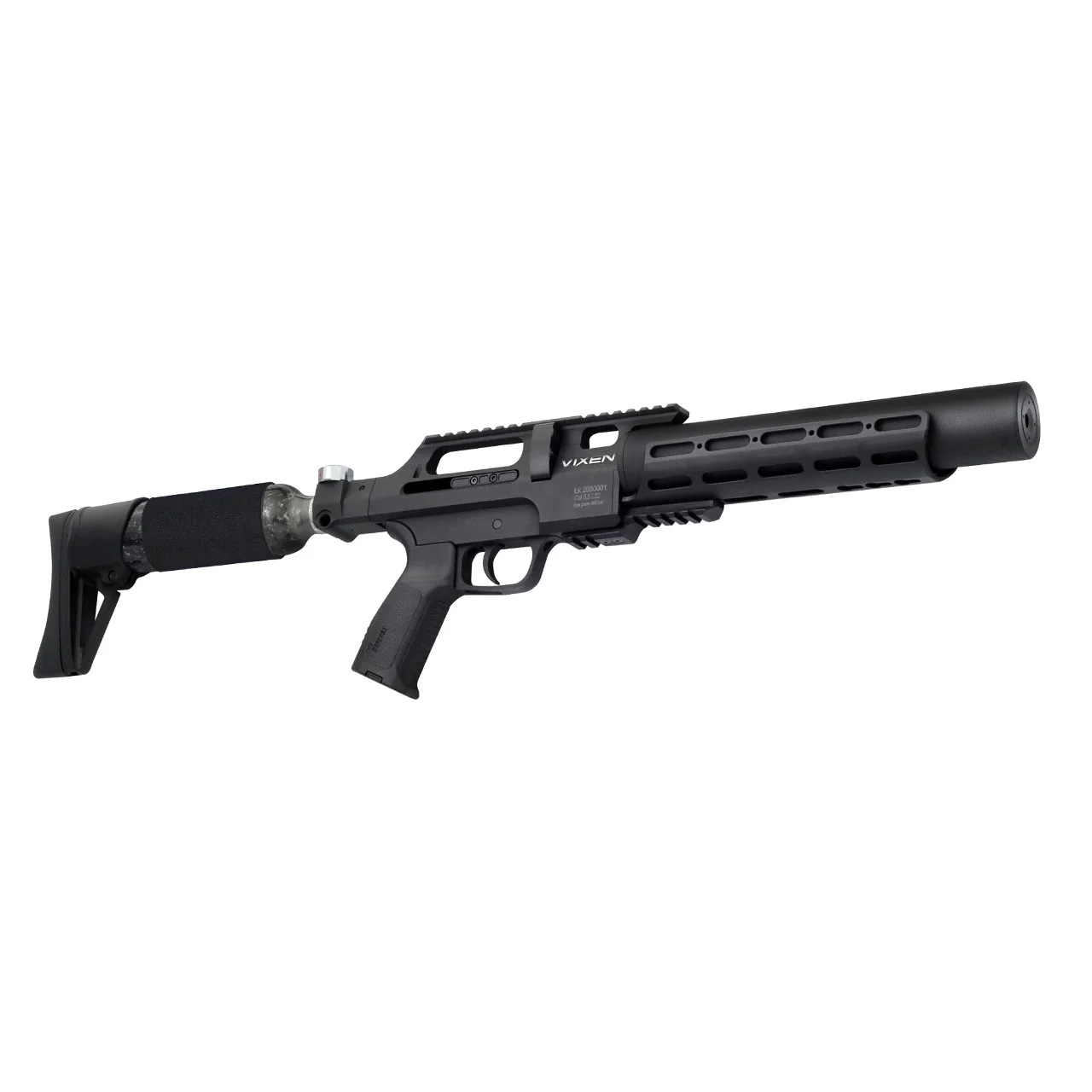
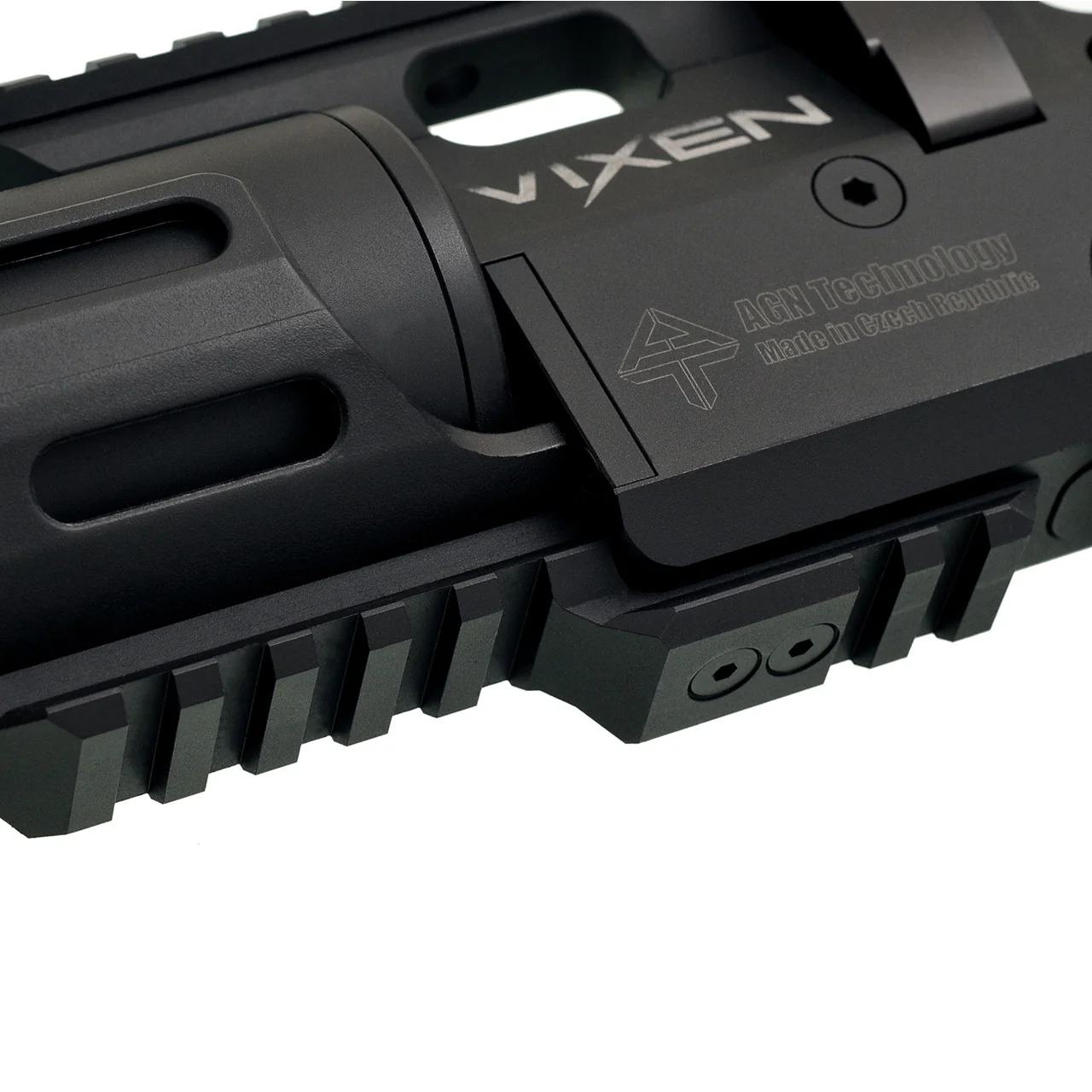
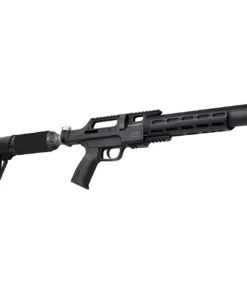
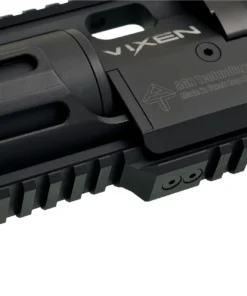
The Vixen has a minimalistic, tactical appearance. The 250cc air bottle forms the stock, and a stepped Weaver/Picatinny accessory rail tightly follows the contours under the action and barrel.
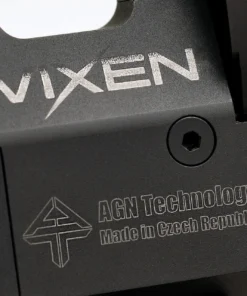
The barrel features a full-length shroud, making the Vixen super quiet, and a KeyMod handguard, offering further accessory mounting options. The IMI Defense pistol grip of the Vixen is textured for a secure hold, and the trigger features an easy-to-reach safety button.
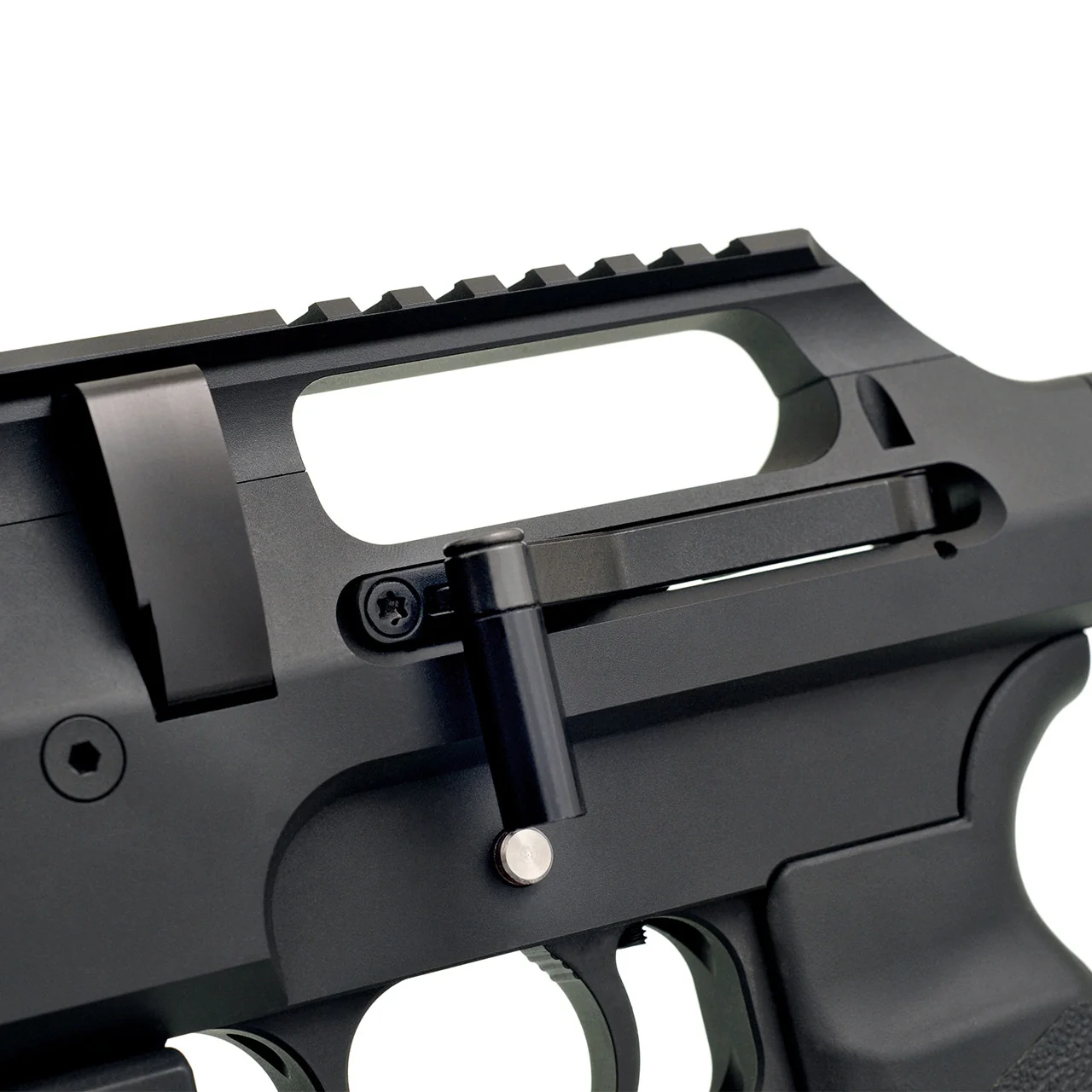
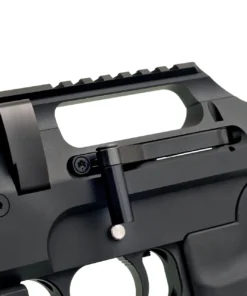
The Vixen is operated using a smooth, biathlon-style side lever cocking system. For mounting a rifle scope or red dot, another Weaver/Picatinny rail is placed on top of the action.
Features:
- Cold hammer forged barrel
- Biathlon side lever is easily changed for right and left hand configuration, no special tools required
- Plastic handguard with KeyMod
- Pressure gauge
- Pressure regulator
- Adjustable buttpad
- Weaver rail for scope, bipod
- Safety catch
Airgun Technology Vixen 2 Carbine Air Rifle – Lightweight Regulated PCP Precision
Engineering, Performance, Handling, and Real-World Shooting Experience
The Airgun Technology Vixen 2 Carbine is built around a clear design philosophy: reduce unnecessary bulk while preserving the precision, consistency, and control expected from a serious pre-charged pneumatic rifle. Its compact layout makes it easy to handle, yet the rifle still feels purpose-built rather than stripped down. This balance becomes especially noticeable during longer shooting sessions, where weight distribution, trigger quality, charging efficiency, and overall ergonomics can influence how comfortably and accurately a shooter performs.
Compact Engineering with Practical Benefits
One of the most important advantages of the Vixen 2 Carbine is its compact physical structure. Instead of relying on oversized components, the rifle uses an efficient arrangement that keeps the platform manageable in confined shooting positions, vehicles, benches, hides, or narrow field spaces.
Its shorter barrel configuration supports maneuverability while still providing enough barrel length for stable pellet acceleration. In addition, the compact format makes the rifle easier to carry between shooting positions. This can be especially valuable for users who spend extended periods moving through a range or private shooting property.
The rifle’s overall design also reduces front-heavy handling. As a result, it can feel easier to control when shooting unsupported or from improvised field positions.
Regulated Air Delivery and Consistency
A regulated PCP system is one of the most important elements affecting shot-to-shot consistency. Inside the Vixen 2 Carbine, the regulator helps manage the high-pressure air stored in the reservoir before it reaches the firing valve.
Instead of allowing every shot to depend directly on the changing pressure inside the main cylinder, the regulator supplies air at a more controlled pressure level. Consequently, the rifle can maintain a more predictable firing cycle throughout a useful portion of the fill.
This consistency is important because stable velocity helps reduce vertical variation at distance. When ammunition quality, wind conditions, shooting technique, and optics are properly controlled, the rifle has a better foundation for repeatable grouping.
However, even a well-regulated rifle still benefits from careful setup. Shooters should monitor fill pressure, test different pellet weights, and determine where the rifle performs most consistently within its usable pressure range.
Precision Barrel Performance
The barrel plays a major role in determining practical accuracy. A well-manufactured barrel must guide the projectile consistently, maintain suitable internal tolerances, and remain securely mounted within the rifle.
The Vixen 2 Carbine uses a precision-focused barrel configuration designed to support stable pellet travel. Nevertheless, ammunition selection remains important. Different pellet shapes, weights, head sizes, and materials can behave differently in the same barrel.
For this reason, experienced shooters often test several high-quality pellet types rather than assuming that one option will automatically produce the best result. Once a suitable projectile is identified, consistency can improve noticeably.
Cleaning should also be approached carefully. Excessive or aggressive cleaning can be unnecessary, while neglecting the barrel completely may eventually allow residue to influence accuracy.
Trigger Control and Shooting Confidence
A predictable trigger contributes significantly to accurate shooting. When a shooter knows exactly how the trigger behaves, less unnecessary movement is introduced during the firing sequence.
The adjustable trigger system allows the firing interface to be tailored more closely to individual preference. This can help users establish a consistent release point and develop better shot discipline.
A lighter trigger is not automatically better. Instead, the goal should be a safe, predictable, and repeatable pull that allows the shooter to maintain sight alignment throughout the shot.
Proper trigger technique also matters. The trigger should generally be pressed smoothly rather than pulled abruptly. Combined with stable breathing and a consistent hold, this can reduce unwanted movement at the moment of discharge.
Side-Lever Operation and Follow-Up Shots
The side-lever action improves operational speed without requiring excessive movement between shots. Because the lever can be cycled efficiently, the shooter can maintain a more consistent firing position.
This becomes useful during target sessions where several shots must be placed accurately within a short period. It can also help when the rifle is supported on a rest, because the user does not need to disturb the setup significantly while chambering the next pellet.
Smooth cycling also reduces unnecessary strain on the mechanism. The lever should always be operated firmly but without excessive force.
Modular Accessory Mounting
Modern shooters often want the ability to configure a rifle for different applications. The Vixen 2 Carbine supports this through practical accessory mounting options.
A suitable optic can be mounted securely on the upper rail, while additional mounting interfaces allow compatible accessories to be positioned where they are most useful. This flexibility enables the rifle to be adapted for bench shooting, field use, recreational target sessions, or other lawful sporting applications.
However, accessories should be selected carefully. Excessive equipment can increase weight and disturb the balance that makes the Carbine attractive in the first place.
Real-World Usability
The Vixen 2 Carbine is most impressive when its individual features are considered as a complete system. Compact dimensions help with movement. The regulator supports consistent air delivery. The barrel contributes to precision. The trigger promotes controlled firing, while the side lever allows efficient follow-up shots.
Together, these characteristics create a rifle that feels practical rather than complicated.
For shooters who value portability, repeatable accuracy, modern ergonomics, and efficient PCP operation, the Vixen 2 Carbine offers a well-balanced approach. Its design does not depend on one exaggerated specification. Instead, its strength comes from the way each component contributes to the overall shooting experience.
Accuracy, Air Efficiency, Ergonomics, Maintenance, and Long-Term Ownership
The Airgun Technology Vixen 2 Carbine is designed to deliver a refined shooting experience where accuracy, efficient air management, comfortable handling, and dependable mechanical operation work together. Rather than relying on excessive size or unnecessary complexity, the rifle uses a compact architecture that supports practical use across a variety of shooting environments. For owners who appreciate a lightweight platform that can still provide stable performance, the design offers several important advantages.
Accuracy in Practical Shooting Conditions
Accuracy depends on far more than the mechanical potential of the rifle alone. Barrel quality, ammunition selection, optic setup, shooter technique, environmental conditions, and air-pressure consistency all influence where each shot lands.
The Vixen 2 Carbine provides a strong mechanical foundation for precision shooting. Its regulated pneumatic system helps deliver repeatable air pressure, while the barrel supports stable projectile travel. Therefore, when the rifle is properly set up, it can produce consistent groups at sensible airgun distances.
However, shooters should not expect every projectile to perform identically. Different weights and designs can produce noticeable changes in trajectory and grouping. Testing several suitable options is therefore one of the best ways to identify the ammunition that works most effectively with an individual rifle.
Once a preferred projectile has been found, shooters can establish a reliable zero and begin learning the rifle’s trajectory at different distances.
Understanding Air Efficiency
Air efficiency is especially important in a compact pre-charged pneumatic rifle. Every shot consumes a measured quantity of compressed air, so the relationship between reservoir pressure, regulator behavior, projectile weight, and power setting influences how many useful shots can be obtained from a fill.
The regulated system helps make this process more predictable. Instead of allowing performance to change dramatically as reservoir pressure gradually falls, the rifle manages working pressure more consistently.
Nevertheless, the number of effective shots will vary according to configuration and operating conditions. Higher output generally requires more air per discharge, while lower-output configurations may provide a greater number of shots.
Shooters should therefore pay attention to their pressure gauge and learn the working range of their particular setup.
Balance and Ergonomic Control
A rifle can be mechanically accurate yet difficult to use if its balance is uncomfortable. Fortunately, compact proportions are one of the Vixen 2 Carbine’s strongest practical advantages.
Its reduced overall size makes it easier to control when moving between shooting positions. Furthermore, the rifle can feel less cumbersome when used from a bench, shooting bag, tripod, supported rest, or standing position.
Good ergonomics also improve consistency. When the shooter can establish the same shoulder placement, head position, grip, and trigger contact repeatedly, unnecessary movement is reduced.
Optic positioning should therefore be adjusted carefully. Correct eye relief allows the shooter to achieve a natural sight picture without stretching the neck or changing head position between shots.
Managing Recoil and Rifle Movement
Pre-charged pneumatic rifles generally produce a different firing sensation from spring-powered designs. There is no large spring or piston moving forward during the shot cycle, so the rifle can remain comparatively stable as the projectile leaves the barrel.
This characteristic helps shooters maintain their sight picture and observe the result of each shot more easily.
However, technique still matters. Gripping the rifle excessively tightly can introduce unnecessary tension. Instead, the shooter should develop a repeatable hold that allows the rifle to remain stable without forcing it into position.
Stable breathing, smooth trigger control, and consistent follow-through remain essential elements of accurate shooting.
Caring for the Air System
Proper maintenance can significantly extend the service life of a high-pressure pneumatic rifle. The filling system should always be kept clean, dry, and protected from contamination.
Dust, moisture, and damaged fittings can create problems over time. Therefore, the fill probe and connection points should be inspected before charging. Seals should also be monitored for signs of wear or leakage.
Only clean, dry compressed air from suitable high-pressure equipment should be used.
The rifle should never be filled beyond its specified pressure limit. Overfilling does not improve performance and may place unnecessary stress on internal components.
Barrel and Exterior Maintenance
Routine exterior care is relatively straightforward. After handling the rifle, exposed metal surfaces can be wiped with an appropriate cloth to remove moisture, fingerprints, or debris.
The barrel should not be cleaned aggressively after every shooting session unless there is a clear reason to do so. Many air rifles perform consistently with only occasional barrel maintenance.
If accuracy suddenly deteriorates, the shooter should first check simple factors such as optic mounts, fasteners, pressure levels, ammunition condition, and shooting technique before assuming that the barrel requires extensive cleaning.
Storage and Transportation
Proper storage protects both performance and appearance. The rifle should be kept in a dry, secure location away from excessive humidity and unauthorized access.
During transportation, a suitable protective case can help prevent scratches, impacts, and damage to the optic. The magazine should be removed when appropriate, and the rifle should be handled according to applicable safety and transportation regulations.
Owners should also avoid leaving precision equipment exposed to extreme heat for extended periods.
Why Long-Term Ownership Matters
A premium rifle should provide more than impressive performance during the first few sessions. It should remain predictable, serviceable, and enjoyable over continued use.
The Vixen 2 Carbine is appealing because its core features support that long-term experience. Its compact construction encourages regular use, the regulated system supports consistency, the adjustable controls allow personal setup, and the modular design makes it possible to configure the rifle without fundamentally changing its character.
With careful maintenance, correct filling procedures, suitable ammunition, and responsible operation, the rifle can provide a dependable platform for precision-oriented shooting.
Ultimately, its greatest strength is balance. It combines manageable dimensions, mechanical refinement, efficient pneumatic operation, comfortable handling, and accuracy potential without making the shooting experience unnecessarily complicated.
Field Performance, Shooting Setup, Reliability, Safety, and Practical Ownership
The Airgun Technology Vixen 2 Carbine is especially appealing because it combines compact dimensions with a level of refinement that supports both careful target work and practical field shooting. While specifications are useful for comparing rifles, real ownership depends on how well the platform performs when carried, shouldered, filled, adjusted, cleaned, and used repeatedly. In those areas, the rifle benefits from a design that emphasizes consistency, controllability, and efficient use of space.
Field Performance and Maneuverability
A compact rifle can offer a major advantage when shooting from tight positions or moving through areas where a longer platform becomes awkward. The Vixen 2 Carbine is easier to manage around benches, shooting shelters, vehicles, farm structures, or dense vegetation because its overall dimensions remain relatively restrained.
This compactness also helps during transitions between standing, kneeling, seated, and supported positions. Instead of fighting against unnecessary front-end length, the shooter can reposition the rifle more easily.
However, shorter overall dimensions do not remove the need for careful technique. The rifle should still be mounted consistently to the shoulder, and the head should return to the same position behind the optic for every shot.
Setting Up the Rifle Correctly
A good setup begins with the optic. Eye relief should be comfortable, the reticle should appear naturally when the rifle is shouldered, and the mounts should be tightened correctly.
After the optic is mounted, the rifle should be zeroed using suitable ammunition. A reasonable starting distance can be selected according to the intended shooting environment, after which the shooter can confirm impact points at shorter and longer ranges.
This process helps establish a practical trajectory map. Once the shooter understands where the projectile rises and falls relative to the line of sight, accurate corrections become easier.
The stock and trigger should also be adjusted where possible so that the rifle fits the shooter naturally rather than forcing the shooter to adapt to an uncomfortable position.
Consistency During Extended Shooting Sessions
A major benefit of a regulated pneumatic platform is the ability to maintain predictable performance through a useful portion of the air supply.
During longer sessions, the shooter should monitor pressure rather than waiting until performance noticeably declines. Remaining within the rifle’s efficient operating range helps preserve velocity consistency and point of impact.
It is also useful to record shot counts during early ownership. Doing so can help determine how many dependable shots are available from a typical fill under the chosen configuration.
Environmental conditions may also influence performance. Cold temperatures can affect pressure behavior, while wind can influence projectile movement significantly at distance.
Reliability and Mechanical Confidence
Reliability comes from a combination of sound engineering and proper care. The side-lever mechanism should operate smoothly, the magazine should index correctly, and the air system should hold pressure without unexplained loss.
If the rifle becomes difficult to cycle, begins leaking, or shows a sudden change in performance, forcing the action is rarely the correct response. Instead, the shooter should stop using the rifle and inspect the most obvious causes.
Loose mounts, damaged seals, contaminated fill connections, incorrectly seated magazines, or unsuitable ammunition can sometimes create problems that appear more serious than they actually are.
Regular inspection helps identify these issues before they interrupt a shooting session.
Safe Filling Practices
High-pressure air deserves serious attention. Filling should always be performed with equipment rated for the required pressure range.
Connections should be secure before air is introduced, and pressure should be increased gradually rather than suddenly. The gauge should be monitored throughout the process, and the rifle must never be charged beyond its approved maximum.
After filling, the line should be depressurized according to the equipment manufacturer’s instructions before the connection is removed.
These habits reduce unnecessary wear and make the filling process safer and more predictable.
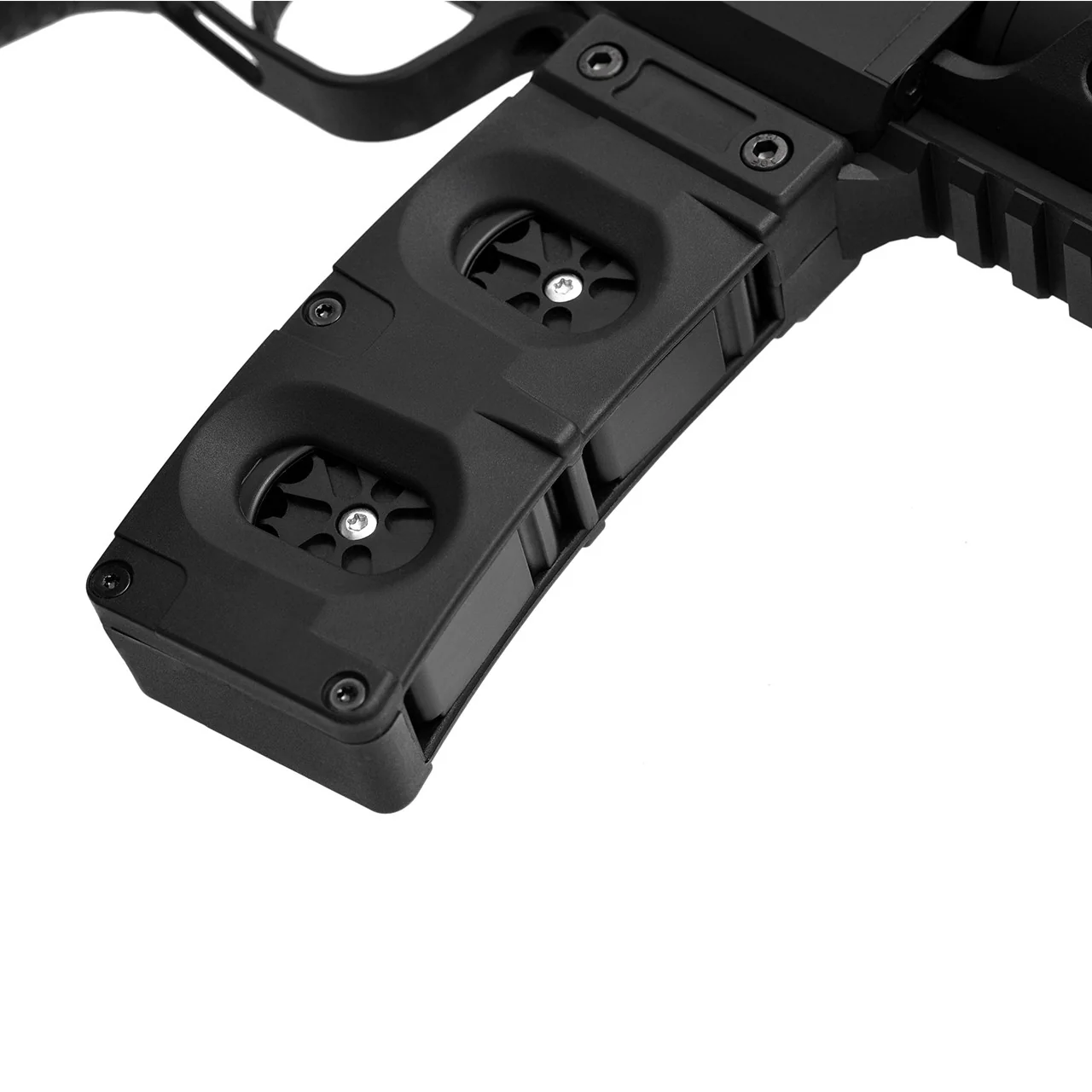
Magazine Handling and Loading
A magazine-fed rifle offers convenient follow-up shots, but proper loading remains important. Pellets should be inserted carefully so that skirts are not crushed or deformed.
Damaged ammunition can affect feeding and accuracy. Therefore, pellets should be inspected before loading, especially when precision is the goal.
The magazine should also be kept clean. Dirt or debris can interfere with indexing and smooth operation.
When the rifle is not being used, the magazine should be stored in a protected location where it cannot collect dust or become damaged.
Safety and Responsible Use
Safe handling should remain the foundation of every shooting session. The muzzle should always point in a safe direction, and the shooter should be certain of the target and what lies behind it.
The rifle should be treated as loaded until personally confirmed otherwise. Fingers should remain away from the trigger until the shooter is prepared to fire.
A reliable backstop is essential for target practice. Projectiles can retain significant energy after passing through light materials, so improvised or uncertain backgrounds should be avoided.
Local laws should also be checked before transport, outdoor use, pest control, or hunting. Regulations may vary by power level, caliber, location, and intended activity.
Long-Term Value of Proper Setup
The quality of the ownership experience depends heavily on preparation. A correctly mounted optic, suitable ammunition, properly adjusted controls, safe filling procedures, and basic maintenance can significantly improve both accuracy and reliability.
Over time, the shooter becomes familiar with pressure behavior, preferred ammunition, trajectory, ideal hold, and practical shot count. That familiarity is what turns a technically capable rifle into a dependable shooting tool.
The Vixen 2 Carbine rewards that process because its design is built around consistency rather than complication. With responsible use and thoughtful setup, it can deliver an efficient, precise, and highly manageable shooting experience over the long term.
Performance Tuning, Accuracy Development, Comfort, Durability, and Ownership Experience
The Airgun Technology Vixen 2 Carbine is designed for shooters who want a compact rifle that can still support serious precision work. As ownership continues, the real value of the platform becomes clearer through repeated use, careful setup, and familiarity with its operating characteristics. A rifle of this type performs best when the shooter understands how pressure, ammunition, optics, body position, and maintenance interact. Because of that, long-term performance is not only about the rifle itself but also about how consistently it is prepared and used.
Developing Better Accuracy Over Time
Accuracy often improves as the shooter becomes more familiar with the rifle. During the first few sessions, attention may be focused on basic setup, zeroing, and understanding the controls. However, once those fundamentals are established, small adjustments in technique can produce noticeable improvements.
A consistent cheek position is especially important. If the eye does not return to the same point behind the optic, the sight picture can change slightly between shots. Therefore, the shooter should build a repeatable mounting routine.
Trigger control also becomes more refined with practice. Rather than rushing the shot, the shooter should apply pressure smoothly and maintain sight alignment through the firing cycle. Good follow-through can help reveal whether movement occurred before the projectile left the barrel.
As these habits become automatic, tighter groups are easier to achieve.
Understanding Ammunition Behavior
A high-quality rifle still depends on suitable ammunition. Even projectiles that appear nearly identical may perform differently because of weight, head diameter, skirt shape, or manufacturing tolerances.
For this reason, testing should be systematic. Several suitable options can be evaluated from the same stable shooting position under similar conditions. Group size, point of impact, feeding behavior, and consistency should all be considered.
The best option is not always the heaviest or most expensive. Instead, the ideal projectile is the one that produces dependable accuracy in that particular rifle.
Once the preferred ammunition has been identified, staying with the same type can make future zeroing and trajectory calculations much easier.
Maintaining a Consistent Shooting Position
Comfort directly affects precision. If the shooter is straining to reach the trigger or forcing the head into position, unnecessary movement may be introduced.
The compact dimensions of the Vixen 2 Carbine make it relatively easy to establish a controlled shooting posture. However, the optic still needs to be positioned correctly, and the rifle should sit naturally against the shoulder.
When shooting from a bench, the support should stabilize the rifle without forcing it upward or sideways. From standing or kneeling positions, the body should provide support through bone structure rather than excessive muscular tension.
A relaxed but controlled position improves both endurance and repeatability.
Using Support Equipment Effectively
Support equipment can improve practical accuracy when used correctly. Shooting bags, rests, and tripods can reduce movement and allow the shooter to focus more clearly on sight alignment and trigger control.
However, the rifle should sit naturally on the support. If the rest presses against an unstable area or places unusual pressure on the rifle, the point of impact may shift.
The most reliable method is to use the same support position consistently. This makes it easier to identify changes caused by ammunition, pressure, or environmental conditions rather than changes in technique.
Support equipment should assist the shooter without becoming a substitute for proper fundamentals.
Monitoring Mechanical Condition
Regular inspection helps maintain reliability. Before a shooting session, the owner should check that visible fasteners remain secure and that the optic has not shifted.
The magazine should rotate freely, and the side lever should operate smoothly. Any unexpected resistance should be investigated rather than ignored.
The air system should also be observed for signs of leakage. A gradual pressure loss over an unusually short period may indicate that seals require attention.
Addressing small issues early can prevent them from developing into larger problems.
Protecting the Finish and Components
Exterior care is simple but worthwhile. Moisture, dust, fingerprints, and dirt should be removed after use, especially if the rifle has been handled outdoors.
A soft cloth is usually sufficient for routine cleaning. Harsh solvents should not be applied unless they are specifically suitable for the materials used on the rifle.
Mounting surfaces should also be kept clean so that accessories remain secure.
When transported frequently, a padded case can protect the rifle from knocks and scratches. The optic deserves particular care because even a small impact can disturb zero.
Managing Temperature and Storage Conditions
Temperature can influence compressed-air behavior and should be considered during storage and shooting.
A rifle filled in one temperature environment may show a pressure change if moved into significantly hotter or colder conditions. Therefore, the rifle should not be left for long periods in extreme heat.
Storage should be dry, secure, and away from direct sunlight. Humidity can affect metal surfaces and accessories over time, so ventilation and environmental control are useful where possible.
The rifle should also be stored safely away from unauthorized users.
Building Confidence Through Familiarity
One of the biggest advantages of long-term ownership is increased confidence. As the shooter becomes familiar with the rifle’s balance, trigger response, pressure behavior, and preferred ammunition, operation becomes more natural.
This familiarity reduces hesitation during setup and makes it easier to identify when something feels different.
The shooter also develops a better understanding of realistic limitations. Knowing when conditions are unsuitable for accurate shooting is just as important as knowing when the rifle can perform at its best.
Ultimately, the Vixen 2 Carbine rewards careful ownership. Its compact construction, refined controls, efficient pneumatic system, and precision-focused design provide a strong platform, but the best results come from consistent technique and responsible maintenance. With proper care and continued practice, the rifle can remain accurate, dependable, and enjoyable across a wide range of shooting sessions.
Reliability, Long-Term Performance, Troubleshooting, Storage, and Ownership Confidence
The Airgun Technology Vixen 2 Carbine is designed to provide a dependable shooting experience over repeated use, but long-term reliability still depends on correct handling, suitable maintenance, and responsible storage. A premium pre-charged pneumatic rifle contains precision components, high-pressure seals, moving parts, and carefully fitted interfaces that work together as one system. Therefore, understanding how to preserve that system is just as important as learning how to shoot it accurately.
Long-Term Reliability in Regular Use
Reliability is built through both engineering quality and good ownership habits. When the rifle is filled correctly, stored carefully, and kept free from contamination, it can maintain consistent operation over extended periods.
The side-lever action should continue to cycle smoothly, the magazine should index correctly, and the air system should hold pressure without obvious leaks. These signs indicate that the rifle is functioning as intended.
However, changes in feel should not be ignored. If the lever becomes unusually stiff, the magazine begins to resist rotation, or pressure drops more quickly than expected, the rifle should be inspected before continued use.
Early attention to minor issues can help prevent unnecessary wear.
Recognizing Changes in Performance
A sudden loss of accuracy does not automatically mean that the rifle has developed a serious mechanical fault.
Before assuming the worst, several simple factors should be checked. The optic may have shifted, mounting screws may have loosened, ammunition may have changed, or environmental conditions may be affecting impact.
Pressure level should also be considered. If the rifle has dropped outside its most efficient operating range, shot consistency may change.
The shooter should work through these possibilities logically rather than changing several settings at once.
A controlled troubleshooting process makes it much easier to identify the true cause.
Checking the Air System
The air system is one of the most important areas to monitor.
After filling, the rifle should retain pressure normally. A small change can sometimes occur due to temperature, but a noticeable and continuous loss may indicate a seal or fitting issue.
If a leak is suspected, the rifle should not be disassembled casually. High-pressure systems require care, and internal servicing is best handled according to manufacturer guidance or by a competent technician.
The filling connection should also remain clean. Dirt introduced into the system can damage seals or affect reliability over time.
Caring for Seals
Seals are essential components in any pneumatic rifle. They help contain high-pressure air and allow the regulator, valve, and filling system to operate correctly Airgun Technology Vixen 2 Carbine Air Rifle.
Over time, seals can wear, dry out, or become damaged.
Owners should avoid using unsuitable oils or chemicals around high-pressure components. Products not intended for pneumatic systems may damage sealing materials or create safety concerns.
If maintenance products are required, only suitable materials should be used Airgun Technology Vixen 2 Carbine Air Rifle.
Correct seal care can extend service life and help maintain stable pressure behavior Airgun Technology Vixen 2 Carbine Air Rifle.
Maintaining the Magazine
The magazine should be treated as a precision component rather than as a disposable accessory Airgun Technology Vixen 2 Carbine Air RifleAirgun Technology Vixen 2 Carbine Air Rifle.
Pellets should be loaded carefully, and damaged projectiles should not be forced into position. Debris should also be kept away from the internal mechanism.
If the magazine begins to rotate poorly, it should be checked for dirt, damaged ammunition, or visible wear.
Applying excessive force can make a small issue worse .
Keeping the magazine protected when not in use can prevent many feeding problems.
Protecting the Side-Lever Mechanism
The side lever should feel smooth and controlled during normal operation.
There is no need to cycle it aggressively. Consistent, deliberate movement is usually enough to operate the action correctly.
If resistance is felt, the shooter should stop and check whether the magazine is seated properly or whether a pellet has been loaded incorrectly.
Repeatedly forcing the lever can place unnecessary stress on internal components.
Smooth handling helps preserve the action and improves the overall shooting experience.
Storage Between Shooting Sessions
Proper storage protects both the mechanical system and the exterior finish.
The rifle should be kept in a dry location with stable temperatures whenever possible. Excess humidity can encourage corrosion, while extreme heat can affect pressure inside the reservoir.
A protective case or secure cabinet can help prevent accidental damage.
The rifle should also be stored where unauthorized users cannot access it.
Good storage is not only about preserving appearance; it also supports long-term safety and reliability.
Transporting the Rifle Safely
Transport should be planned carefully Airgun Technology Vixen 2 Carbine Air Rifle.
A padded case helps protect the rifle, optic, and exposed controls from impacts. The rifle should be secured so that it cannot move excessively inside the case.
Local rules regarding transportation should always be followed.
In some areas, specific requirements may apply regarding ammunition, pressure state, cases, or vehicle storage.
Understanding those regulations before traveling can prevent unnecessary problems.
Managing Pressure During Storage
Pressure management should follow manufacturer guidance.
Owners should avoid unnecessary repeated filling and emptying unless there is a reason to do so.
Temperature changes should also be considered. A rifle filled in a cool environment may show a higher pressure reading if later exposed to significantly warmer conditions.
Therefore, it should not be left in direct sunlight, inside a hot vehicle, or near strong heat sources.
Careful pressure management helps protect the air system.
When Professional Service Makes Sense
Some maintenance tasks are simple, but internal servicing can require specialist knowledge.
If the rifle develops a persistent leak, regulator issue, trigger problem, or unusual mechanical behavior, professional inspection may be the safest and most efficient option.
Attempting complex repairs without the right tools can cause further damage.
A trained technician can inspect the system properly and replace worn components where necessary.
Building Confidence Through Familiarity
Long-term ownership becomes easier as the shooter learns what normal operation feels like.
The sound of the action, the resistance of the lever, the pressure behavior, and the magazine cycle all become familiar.
This familiarity makes it easier to notice small changes early.
It also improves confidence during shooting because the owner understands how the rifle should respond.
The Vixen 2 Carbine benefits greatly from this kind of informed ownership. Its compact layout, regulated pneumatic system, precise controls, and modular construction are designed to work consistently when maintained correctly.
Ultimately, reliability comes from a partnership between good engineering and good ownership habits. With regular inspection, proper filling, careful storage, sensible maintenance, and responsible handling, the rifle can remain accurate, smooth, and dependable over many shooting sessions.
Final Performance Evaluation, Ownership Benefits, Shooting Confidence, and Overall Value
The Airgun Technology Vixen 2 Carbine brings together many of the characteristics that experienced shooters look for in a compact pre-charged pneumatic rifle. Its appeal comes from the way the rifle balances size, handling, consistency, accuracy potential, and practical ownership. Instead of relying on a single headline feature, the design works as a complete system in which the air supply, regulator, barrel, trigger, action, stock layout, and accessory mounting options support one another.
For shooters who prefer a smaller and lighter platform, this balance can make the rifle especially enjoyable to use over longer periods. A compact rifle is easier to transport, easier to position on a shooting bench, and easier to maneuver when space is limited. At the same time, a smaller platform should not feel unstable or compromised. The Vixen 2 Carbine is designed to maintain a controlled and purposeful shooting feel while reducing unnecessary bulk.
Overall Shooting Character
The shooting character of the rifle is defined by smooth operation and predictable performance. A regulated air system helps maintain consistency during the useful part of the pressure range, while the compact layout helps the shooter maintain control.
This combination is important because accuracy is easier to achieve when the rifle behaves predictably. The shooter can focus on breathing, trigger control, sight alignment, and follow-through rather than constantly adjusting to changing behavior.
The side-lever action also contributes to this experience. It allows the shooter to cycle the rifle efficiently and prepare the next shot without making large movements.
As familiarity develops, operation becomes more natural, and this can improve confidence during both casual and precision-focused shooting sessions.
Why Balance Matters
A well-balanced rifle can feel easier to use than a heavier or more powerful platform that places too much weight in one area.
Balance affects how quickly the rifle settles on target, how long it can be held comfortably, and how easily the shooter can maintain a consistent position Airgun Technology Vixen 2 Carbine Air Rifle.
The compact architecture of the Vixen 2 Carbine helps distribute its overall mass in a way that supports controlled handling.
This becomes particularly noticeable during unsupported shooting, where excessive front weight can cause fatigue.
A comfortable rifle also encourages better shooting habits because the user is less likely to compensate with awkward body positions.
Confidence Through Consistency
One of the most valuable qualities in any precision-oriented rifle is consistency.
If the rifle produces predictable behavior from one shot to the next, the shooter can identify mistakes more easily. Poor trigger control, incorrect range estimation, unstable support, or wind effects become easier to recognize when the equipment itself is operating reliably.
This is why proper maintenance Airgun Technology Vixen 2 Carbine Air Rifle, correct pressure management, and consistent ammunition are so important.
When these factors are controlled, the shooter can develop a better understanding of the rifle’s true performance.
Over time, confidence grows because the user knows what to expect before the trigger is pressed.
Practical Accuracy
Practical accuracy is different from theoretical mechanical accuracy.
A rifle may be capable of excellent grouping from a controlled test bench, but the real question is whether the shooter can reproduce strong results under normal conditions Airgun Technology Vixen 2 Carbine Air RifleAirgun Technology Vixen 2 Carbine Air Rifle.
The Vixen 2 Carbine supports practical accuracy through manageable dimensions, stable handling, a predictable firing cycle, and an adjustable shooting interface.
However, the shooter still plays a major role .
Correct shoulder placement, proper optic alignment, smooth trigger pressure, and consistent follow-through all contribute to final shot placement.
The best results are achieved when the rifle and shooter function as one repeatable system.
Comfort During Longer Sessions
Comfort becomes increasingly important during extended target sessions.
A rifle that feels acceptable for ten minutes may become tiring after an hour if the balance, trigger reach, optic position, or stock setup is incorrect.
Because the Vixen 2 Carbine uses a compact format, many shooters may find it easier to manage for longer periods.
Nevertheless, individual setup remains important.
The optic should be positioned correctly, and the shooting stance should feel natural.
Small changes in mounting position can significantly reduce fatigue and improve consistency.
Comfort should therefore be treated as part of precision rather than as a separate concern.
Ownership and Maintenance Simplicity
Another important aspect of ownership is the ability to maintain the rifle without unnecessary difficulty.
Routine care is relatively straightforward when good habits are followed.
The exterior should be kept clean, the filling connection should remain protected from debris, and the magazine should be stored carefully.
The rifle should also be inspected periodically for changes in pressure retention, action feel, or optic security.
These small checks can identify potential issues before they become serious Airgun Technology Vixen 2 Carbine Air Rifle.
Owners should avoid unnecessary disassembly, especially around high-pressure components.
Professional service is the better option when internal repairs or regulator work are required.
Suitable for Different Shooting Styles
The rifle’s compact design allows it to adapt well to different shooting positions Airgun Technology Vixen 2 Carbine Air Rifle Airgun Technology Vixen 2 Carbine Air Rifle.
It can be used from a bench, supported rest, tripod, seated position, or standing stance depending on the shooter’s experience and intended application.
The modular nature of the platform also allows accessories to be added where necessary.
However, restraint is often beneficial.
Adding too much equipment can increase weight and interfere with the balance that makes the rifle attractive in the first place.
A thoughtful setup usually provides better results than simply adding every available accessory.
Importance of Responsible Use
Responsible use remains essential regardless of the rifle’s performance level Airgun Technology Vixen 2 Carbine Air Rifle.
The muzzle should always be controlled, the target should be clearly identified, and a safe backstop should be present.
The shooter should also understand the effective range of the rifle and avoid attempting shots beyond their own proven ability.
Weather and environmental conditions should be considered carefully.
Strong wind, poor visibility, or unstable shooting positions can reduce accuracy even when the equipment is functioning perfectly.
Safe and disciplined decision-making is part of good shooting practice.
Long-Term Ownership Value
The true value of a precision rifle becomes clearer over time.
Initial impressions are important, but long-term satisfaction depends on reliability, comfort, consistency, and ease of use.
The Vixen 2 Carbine is designed around these qualities.
Its compact structure makes it practical to transport and handle, while its regulated system supports predictable performance.
The adjustable controls allow the rifle to be adapted to the shooter, and the modular layout provides flexibility without forcing unnecessary complexity.
When properly maintained, these features can support years of enjoyable shooting Airgun Technology Vixen 2 Carbine Air Rifle.
Who Will Appreciate This Rifle Most?
The Vixen 2 Carbine is likely to appeal most to shooters who value compact dimensions, refined handling, mechanical consistency, and a modern shooting interface.
It is also well suited to those who prefer a rifle that can be configured carefully without becoming oversized or excessively heavy.
Beginners may appreciate its manageable handling Airgun Technology Vixen 2 Carbine Air Rifle, while experienced shooters can benefit from its precision-oriented design and adjustability.
However, any owner should take time to understand the rifle rather than expecting perfect performance immediately.
Familiarity with pressure behavior Airgun Technology Vixen 2 Carbine Air Rifle Airgun Technology Vixen 2 Carbine Air Rifle, ammunition preference, optic settings, and trajectory will improve the experience significantly Airgun Technology Vixen 2 Carbine Air Rifle.
Final Assessment
The Airgun Technology Vixen 2 Carbine succeeds because it combines multiple practical advantages within one compact platform Airgun Technology Vixen 2 Carbine Air Rifle.
Its regulated pneumatic system supports consistency, its barrel provides a strong foundation for precision, and its smooth action encourages efficient operation Airgun Technology Vixen 2 Carbine Air Rifle.
Meanwhile, the lightweight and compact structure helps reduce fatigue and improves maneuverability Airgun Technology Vixen 2 Carbine Air Rifle.
Its greatest strength is not simply power, appearance, or size Airgun Technology Vixen 2 Carbine Air Rifle Airgun Technology Vixen 2 Carbine Air Rifle.
Instead, the rifle offers a balanced shooting experience where engineering, ergonomics, air management, and accuracy work together.
With suitable ammunition, careful setup, regular maintenance, and disciplined shooting technique, the Vixen 2 Carbine can provide dependable performance across many different shooting sessions.
For owners who value precision, portability, controllability, and long-term usability, it represents a thoughtful and capable platform that rewards both careful setup and continued practice Airgun Technology Vixen 2 Carbine Air Rifle.
Be the first to review “Airgun Technology Vixen 2 Carbine Air Rifle”
Related products

AGT URAGAN




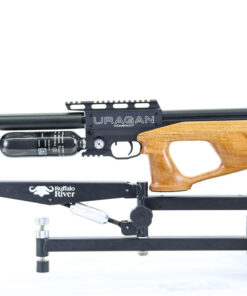
AGT URAGAN



AGT URAGAN
Reviews
There are no reviews yet.