
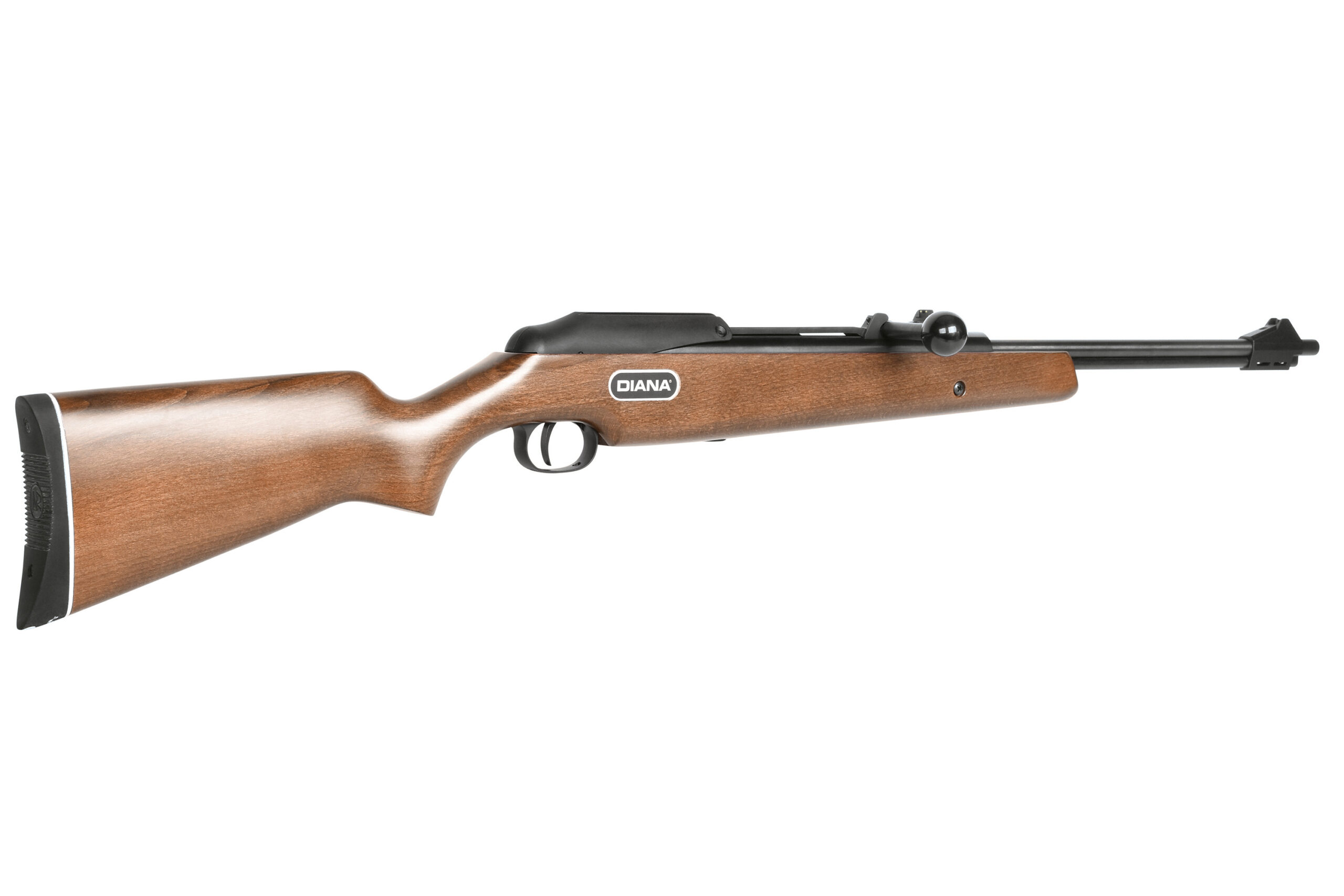
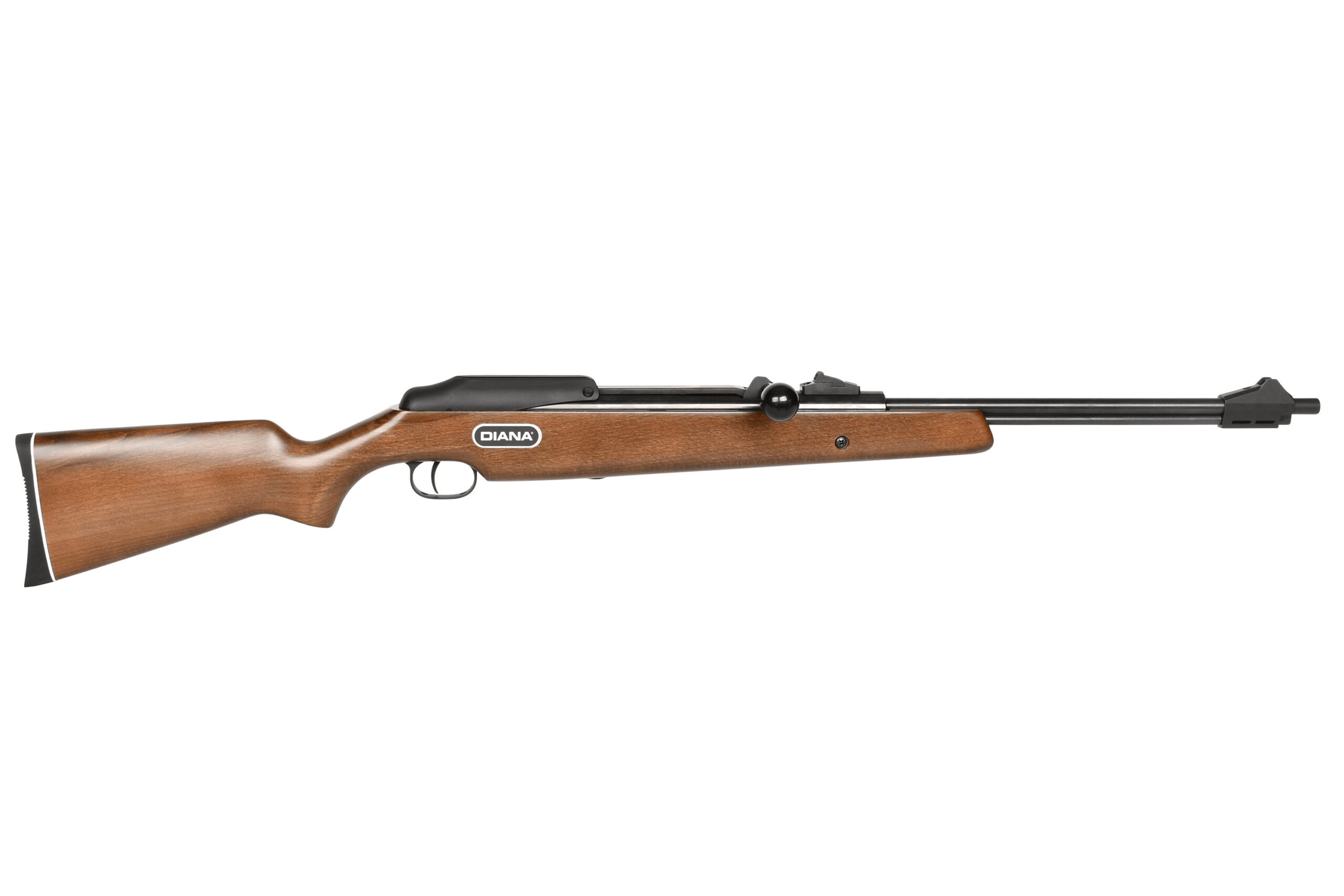





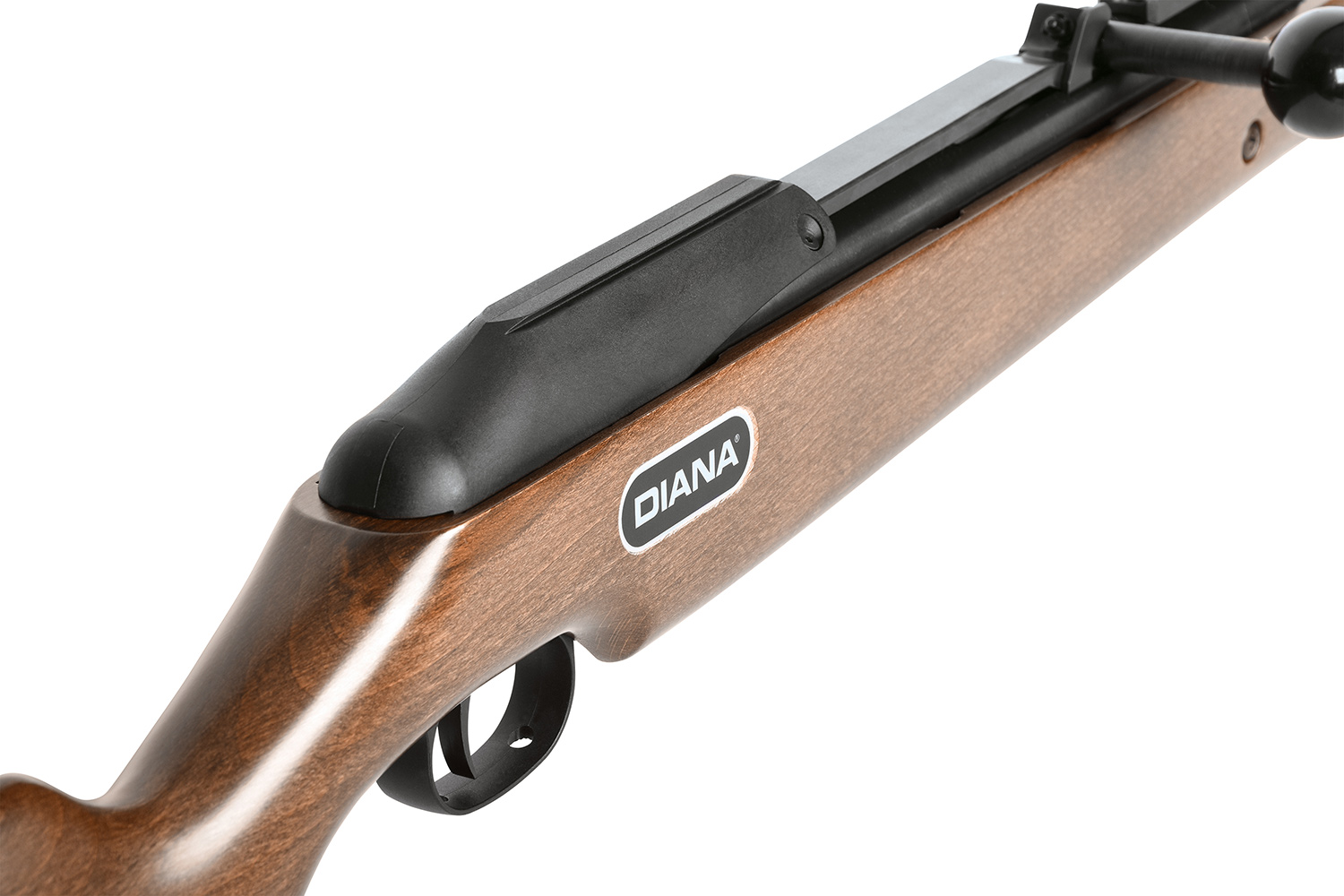


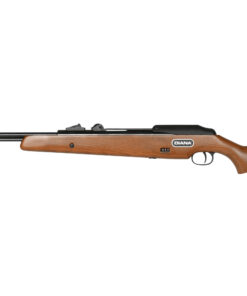
DIANA 30 neo


€1,000.00
Product information “DIANA 30 neo“
Official successor of the professional shooting gallery rifle Mod. 30!
Features
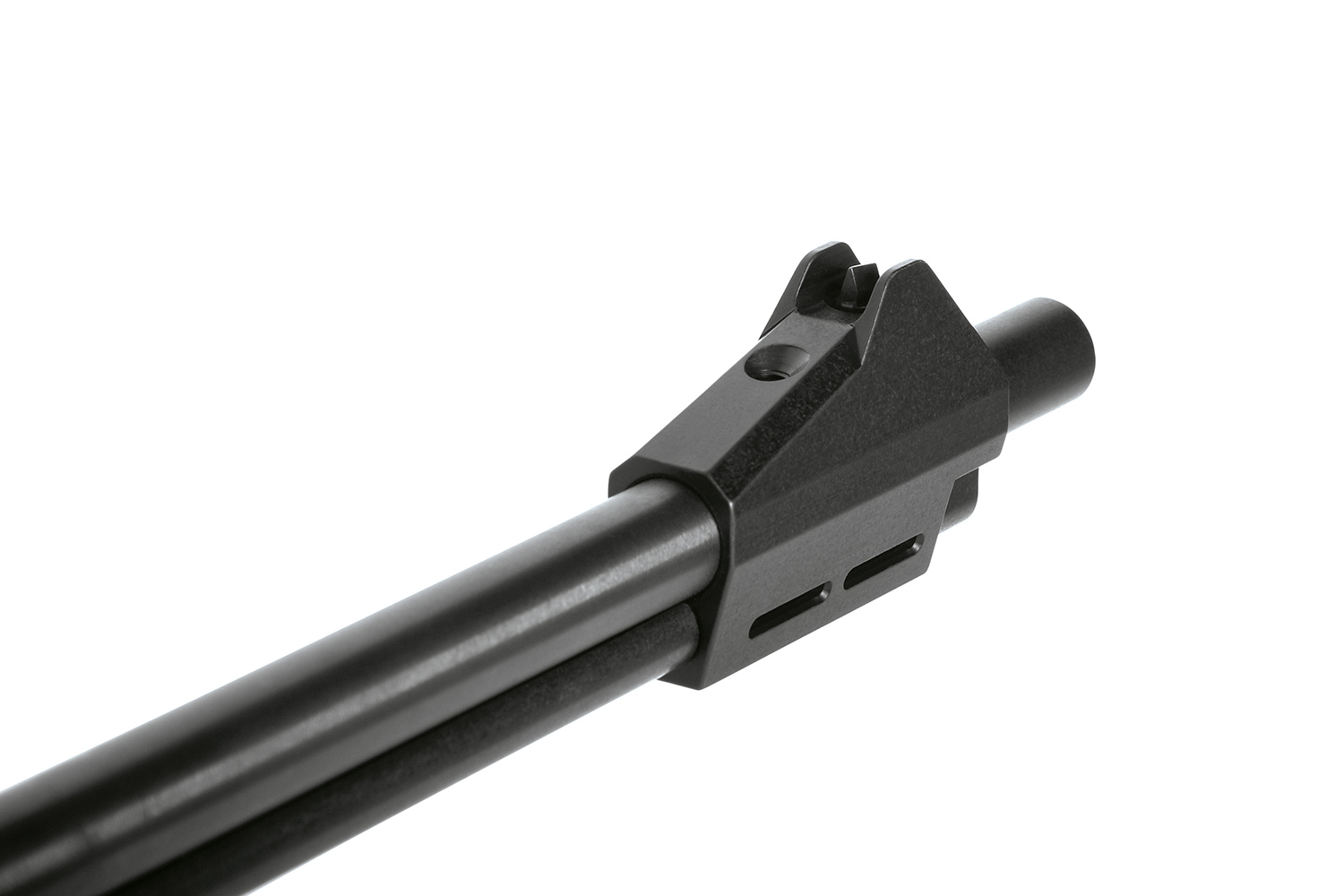
- Lothar Walther barrel
- Mechanical counter
- CNC milled clamping mechanism
- Adjustable sights
- Extensive safety features to prevent accidental firing
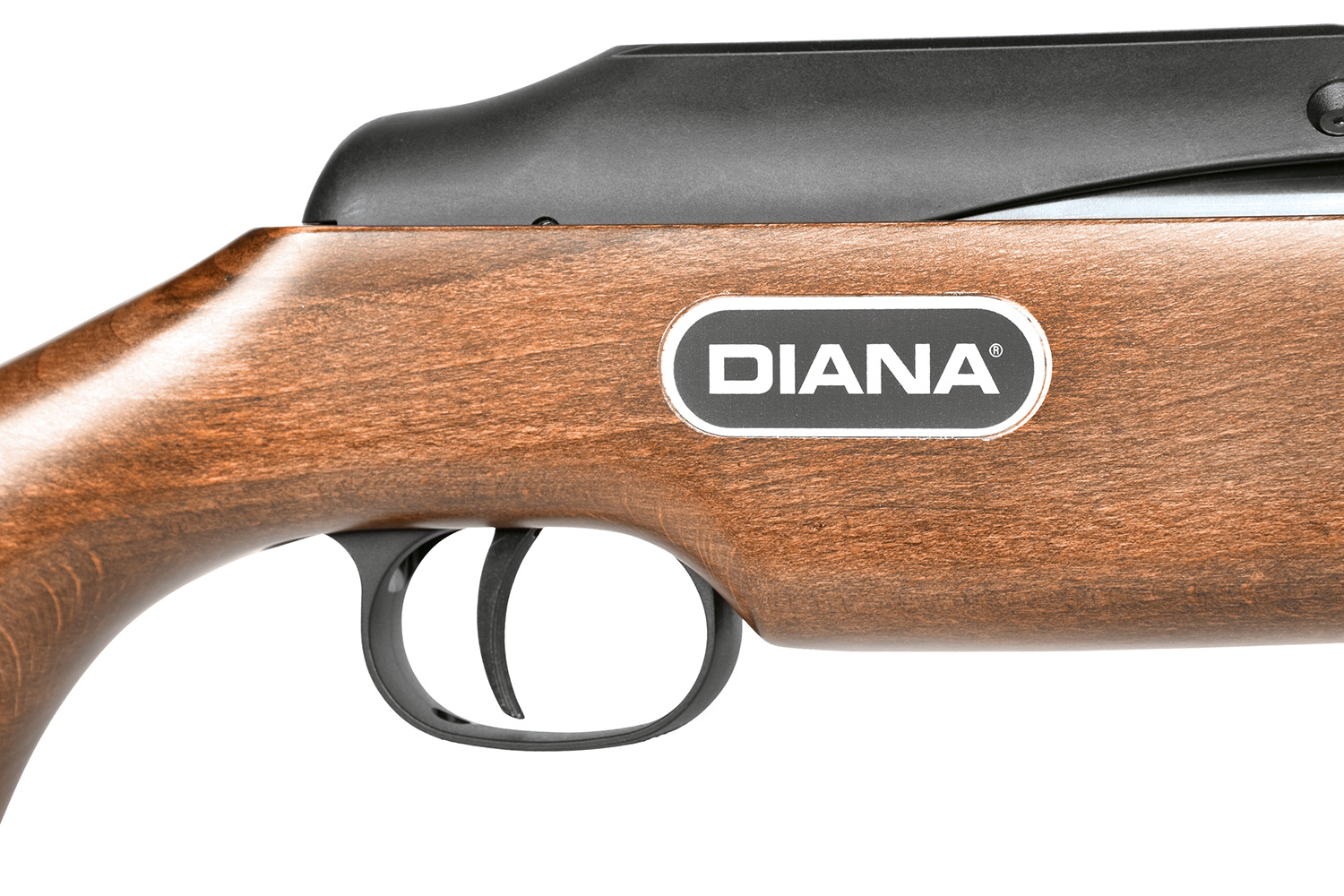
- Two stage adjustable trigger
- Rubberized butt plate
- Field-tested design
Properties “DIANA 30 neo”
Barrel length: 570 mm | Energy: ca. 2,5 J. (approx. 1.84 ft.lbs) Length: 1.110 mm Stock material: Wood System: Repetierer Velocity: 110 m/s (361 fps) Weight: 3.900 g Caliber: 4,4 mm (.173) Ammunition type: BBs Magazine capacity: 120 Schuss Trigger: T06
DIANA 30 Neo Repeating Gallery Air Rifle: Traditional Shooting-Fair Engineering Reimagined
Why Choose the DIANA 30 Neo?
The principal reason to choose this diana air rifle is its high-volume recreational shooting capability. Because its magazine holds up to 120 rounds, the shooter can enjoy extended sessions without manually loading after every discharge.
Moreover, the built-in mechanical counter helps shooting-gallery operators, event organizers, clubs, and private owners monitor the number of shots fired. The counter can also support structured competitions, timed sessions, and commercial target-game administration.
Anyone researching air rifle diana, diana air rifles, rws diana air rifle, or diana pellet gun products may initially expect a conventional sporting rifle. However, the 30 neo fills a more specialized role: it is a full-size repeating gallery gun intended for enjoyable short-range shooting, professional fairground installations, exhibitions, recreational events, and supervised skill-development activities.
How Does the Repeating System Work?
The shooter operates the top cocking lever to prepare the mechanism and feed the next 4.4mm round ball. Therefore, the barrel remains fixed during normal operation, helping preserve sight and bore alignment.
Compressed spring energy powers the shot, so no CO₂ capsule, compressor, scuba cylinder, or external charging pump is required. This makes the system mechanically independent, although its repeating architecture differs significantly from a typical Diana springer air rifle with a hinged barrel.
The 120-shot internal magazine supports continuous recreational shooting, while an optional magazine-filling device can hold approximately 1,500 rounds and is most practical when partly filled.
How Good Is Its Precision?
The Lothar Walther barrel forms the foundation of the rifle’s precision capability. Its fixed installation supports repeatable alignment, while the adjustable sights help users correct elevation and windage for their chosen distance.
Additionally, the T06 two-stage trigger allows a more controlled release than a simple non-adjustable mechanism. Smooth trigger pressure limits unnecessary movement immediately before discharge, which supports smaller groups on gallery targets.
Although Diana air rifle accuracy is frequently discussed in relation to high-powered sporting models, accuracy here should be evaluated within the rifle’s intended short-range environment. It is designed for controlled target engagement, rapid repetition, and consistent recreational performance—not maximum-range energy.
Where and When Should It Be Used?
The 30 neo is best used at professional shooting galleries, fairs, exhibitions, recreational events, private target areas, and supervised clubs equipped with secure backstops.
Its moderate output makes it especially suitable for short-range reactive targets and traditional gallery-style challenges. Nevertheless, eye protection, restricted access, safe muzzle control, and a suitable projectile-catching system remain essential.
It should not be marketed as a Diana air rifle hunting product. Likewise, searches for Diana air rifle .177 or Diana air rifle .22 describe conventional pellet calibers, whereas this model uses 4.4mm (.173) round-ball ammunition.
How Does It Compare with Other DIANA Products?
Buyers exploring the wider range may encounter the diana 34, diana r34, diana 34 air rifle, and repeated search form Diana 34 air rifle. These are traditional sporter rifles and differ fundamentally from the repeating gallery architecture.
The modular diana 34 ems supports interchangeable components, while diana 34 ems fiber optic sights refers to the bright sighting arrangement available for that family.
The diana 250, diana 250 air rifle, and diana two fifty are accessible break-barrel models. By contrast, the powerful diana 350 magnum and diana 350 magnum air rifle are designed around considerably greater energy.
The diana 48, diana mod 48, and diana rws 460 magnum use sidelever or underlever systems with different loading procedures and performance goals. The diana r22 belongs to another modern product category entirely.
Meanwhile, the diana air pistol category includes compact handgun-style equipment such as the lp8 diana. Searches involving diana chaser parts and diana chaser accessories apply to the modular CO₂-powered Chaser family rather than the 30 neo.
Therefore, shoppers who intend to Buy Diana air rifle equipment should identify whether they need a repeating gallery platform, conventional target model, powerful sporting rifle, or compact pistol before ordering.
Comparison with Modern Pre-Charged Platforms
Some shoppers compare nearly every premium air rifle or air gun with modern pneumatic equipment. Common searches include fx dynamic, fx maverick, impact m4, fx pcp, fx crown, fx crown mk2, fx crown mkii, and the common spelling variation fx crown mkll.
Additional search phrases include fxpanthera, fx m3 airgun, fx wildcat mk3, fx leopard air rifle, fx impact m4 for sale, and fx usa. These products use stored compressed air and belong to a completely different performance class from the mechanically powered gallery rifle reviewed here.
A pcp air gun requires external charging equipment, whereas the 30 neo generates operating energy through manual cocking. Likewise, an fx pocket chronograph measures projectile speed but is not required for ordinary gallery operation.
The phrase impact m4 ballistic coefficient concerns projectile aerodynamics. Similarly, fx pellets and fx halo slugs refer to ammunition developed for different barrels and power systems. They must not be loaded into this rifle, which requires appropriate 4.4mm round balls.
Although both categories may be described as high end air rifles, their engineering purposes differ substantially. The Scandinavian term luftgevær simply translates to air rifle and may appear in international product searches.
Important Official Specifications
The DIANA 30 neo uses a 4.4mm (.173) caliber repeating system with a 120-shot magazine. Its listed muzzle energy is approximately 2.5 joules, while the stated velocity reaches around 110m/s or 361fps.
The rifle measures approximately 1,110mm overall and includes a 570mm barrel. Its weight is about 3,900g, and the full-size wooden stock ends in a rubberized butt plate.
Furthermore, DIANA equips it with adjustable sights, an adjustable T06 trigger, a mechanical counter, a precision barrel, a CNC-machined clamping arrangement, and multiple safeguards intended to reduce accidental firing.
Final Section 1 Evaluation
The DIANA 30 neo is not intended to replace powerful field rifles, compact pistols, break-barrel sporters, or sophisticated pneumatic systems. Instead, it serves a distinctive purpose by combining traditional shooting-gallery operation with modern manufacturing, repeatable mechanics, substantial magazine capacity, and refined precision components.
For professional galleries, recreational events, supervised clubs, collectors, and enthusiasts who appreciate heritage-inspired equipment, it offers an engaging shooting experience with minimal interruption between shots.
Ultimately, its fixed precision barrel, controllable trigger, mechanical counter, extensive safeguards, durable wooden stock, and 120-round capacity make it an unusually specialized yet highly practical platform for lawful short-range target entertainment.
Engineering, Mechanical Design, and Practical Shooting Performance
Purpose-Built Mechanical Construction
A well-designed repeating air rifle depends on precision engineering rather than excessive complexity. Every mechanical component must interact smoothly to produce reliable operation throughout thousands of shooting cycles.
The internal mechanism has been designed to maintain consistent alignment while minimizing unnecessary wear during repeated use. Careful machining of moving parts allows the operating system to cycle efficiently, providing dependable performance whether the rifle is used for casual practice or extended target sessions.
Strong construction also contributes to long service life by reducing mechanical stress across critical components.
Consistent Operating Cycle
Reliable performance begins with a predictable operating sequence.
Each shot follows the same carefully controlled mechanical process, allowing the shooter to establish a consistent rhythm during practice. Repeating identical movements from shot to shot promotes better concentration while reducing unnecessary interruptions.
This consistency helps users focus on improving shooting technique instead of constantly adjusting to changing operating characteristics.
As familiarity increases, loading, aiming, and firing become increasingly natural and efficient.
Precision Barrel Engineering
The barrel remains one of the most influential components affecting practical accuracy.
High manufacturing standards ensure uniform internal dimensions that guide every projectile along a consistent path before leaving the muzzle.
The rifling stabilizes the projectile through controlled rotational spin, helping maintain a predictable trajectory while minimizing unwanted deviation during flight.
When paired with quality ammunition and proper shooting technique, this level of precision contributes to dependable shot placement throughout repeated shooting sessions.
Trigger Performance
Accurate shooting depends heavily upon proper trigger control.
A smooth and predictable trigger allows pressure to be applied gradually without disturbing the sight picture immediately before discharge.
Consistent trigger characteristics encourage repeatable shooting habits while reducing unnecessary movement caused by abrupt or uneven trigger release.
Developing disciplined trigger control often provides greater improvements in accuracy than changing equipment.
Balanced Ergonomics
Comfort plays an essential role in maintaining shooting consistency.
Proper stock geometry encourages natural shoulder placement while supporting stable head positioning behind the sights.
The grip allows comfortable control throughout extended practice sessions, while balanced weight distribution reduces fatigue during prolonged use.
Whether shooting from a standing position, bench, seated rest, kneeling stance, or prone position, comfortable ergonomics promote repeatable body alignment and improved overall stability.
Efficient Repeating Mechanism
A repeating rifle offers significant practical advantages during target practice.
Instead of interrupting every shooting sequence with individual loading procedures, the repeating mechanism allows continuous shooting while maintaining concentration on the target.
This uninterrupted rhythm encourages better training habits and allows shooters to evaluate technique over longer strings of fire.
Reliable feeding also minimizes unnecessary interruptions, creating a smoother and more enjoyable shooting experience.
Sight Alignment and Target Acquisition
Effective sight alignment is fundamental to consistent accuracy.
Properly adjusted sights enable shooters to establish a repeatable aiming reference before every shot.
Maintaining identical eye position and head placement reduces aiming errors while improving shot-to-shot consistency.
Before each practice session, sight alignment should be confirmed to ensure that all adjustments remain correct.
Regular verification prevents gradual shifts that could affect long-range consistency.
External Ballistic Considerations
Every projectile is influenced by surrounding environmental conditions immediately after leaving the barrel.
Wind remains the most significant factor affecting horizontal movement, especially as shooting distance increases.
Additional influences include temperature, humidity, atmospheric pressure, elevation, and lighting conditions.
Understanding these environmental variables allows shooters to make informed corrections rather than relying solely on equipment adjustments.
Developing this awareness gradually strengthens practical marksmanship under changing conditions.
Developing Better Shooting Habits
Consistent improvement comes through structured practice rather than simply increasing the number of shots fired.
Productive training should focus on:
- Maintaining a stable shooting position.
- Applying steady trigger pressure.
- Controlling breathing before each shot.
- Following through after discharge.
- Evaluating shot placement.
- Recording shooting observations.
- Monitoring environmental conditions.
- Making gradual corrections based on results.
Repeating these fundamentals regularly develops confidence while producing measurable improvements in practical accuracy.
Reliability During Extended Use
Long-term reliability depends on the combination of thoughtful engineering, quality materials, and responsible ownership.
Precision-machined components operate efficiently while minimizing unnecessary friction and mechanical wear.
Routine inspections, careful cleaning, and proper storage help preserve this reliability throughout many years of regular use.
As preventive maintenance becomes part of normal ownership, the rifle continues to provide dependable operation, consistent performance, and an enjoyable shooting experience across countless recreational and target shooting sessions.
Built for Lasting Performance
Quality engineering extends beyond initial performance. Durable construction allows the rifle to maintain its mechanical integrity despite repeated use over time.
Owners who combine responsible handling with regular maintenance often experience consistent operation, reduced maintenance requirements, and dependable accuracy throughout the rifle’s service life.
This emphasis on durability makes the platform well suited for shooters seeking equipment capable of delivering reliable performance year after year while supporting continued skill development and enjoyable recreational shooting.
Maintenance, Care, and Long-Term Reliability
Creating a Consistent Maintenance Routine
Routine maintenance is the foundation of dependable performance and long service life. Even though precision sporting rifles are manufactured using durable materials and carefully machined components, regular inspection and cleaning help preserve smooth operation throughout years of use.
After every shooting session, inspect the rifle for dust, fingerprints, moisture, and visible debris. Wipe the exterior thoroughly with a clean microfiber cloth before placing it into storage.
Apply a light protective coating of appropriate gun oil to exposed metal surfaces whenever necessary. Avoid excessive lubrication because surplus oil can attract dust and contaminants that may eventually interfere with moving components.
Establishing a consistent maintenance schedule helps reduce unnecessary wear while maintaining reliable performance.
Proper Barrel Care
The barrel is one of the most important components affecting long-term accuracy.
Unlike conventional firearms, air rifles generally leave very little fouling inside the bore. Therefore, excessive cleaning is usually unnecessary and may temporarily alter shooting consistency until the barrel naturally stabilizes again.
Clean the barrel only when accuracy noticeably declines or after an extended period of regular shooting.
Use pull-through cleaning cords or coated cleaning rods specifically designed for precision air rifles. Soft cleaning patches are generally sufficient for removing accumulated residue without damaging the rifling.
Avoid steel brushes, harsh chemicals, and excessive force because these may damage the barrel’s internal finish.
Maintaining the Loading System
The loading mechanism should always remain clean to ensure smooth and reliable operation.
Regularly inspect the loading area for accumulated dust, small particles, or foreign material that could interfere with normal feeding.
Operate all moving components smoothly without forcing them through their travel.
If resistance becomes noticeable, inspect the mechanism carefully before continuing operation.
Routine cleaning of the loading system helps maintain dependable cycling while minimizing unnecessary mechanical wear.
Inspecting Moving Components
Mechanical reliability depends upon regular inspection.
Pay particular attention to:
- Trigger mechanism.
- Safety controls.
- Cocking linkage.
- Loading components.
- Barrel attachment.
- Receiver assembly.
- Visible fasteners.
- Sight mounting hardware.
Any loose components should be corrected according to the manufacturer’s recommendations before further use.
Identifying small issues early often prevents more significant repairs later.
Protecting Exterior Surfaces
Exterior maintenance preserves both appearance and durability.
Following use in humid, dusty, or wet environments, dry every exposed surface thoroughly before storage.
Wooden furniture should occasionally receive appropriate care products designed to maintain its natural appearance while helping protect against environmental changes.
Metal surfaces benefit from periodic inspection to identify early signs of corrosion or finish wear.
Maintaining exterior components not only improves appearance but also contributes to long-term durability.
Safe Storage Practices
Proper storage plays a significant role in extending service life.
Always store the rifle unloaded inside a secure cabinet, safe, or protective case that prevents unauthorized access.
Choose a cool, dry storage location with stable humidity and temperature whenever possible.
Avoid prolonged exposure to excessive heat, direct sunlight, damp conditions, or rapid environmental changes that may affect both metal and wood components.
When storing the rifle for extended periods, inspect it periodically to confirm that no corrosion or environmental damage has developed.
Maintaining Long-Term Accuracy
Consistent accuracy depends on both proper maintenance and disciplined shooting habits.
Ammunition should remain clean, undamaged, and stored appropriately before use.
Sighting equipment should be inspected regularly to ensure mounting hardware remains secure and alignment has not shifted during transportation or repeated shooting sessions.
Environmental influences such as wind, temperature, humidity, elevation, and lighting conditions should always be considered when evaluating shooting performance.
Maintaining a shooting log helps identify combinations of ammunition, distance, and environmental conditions that consistently produce the most accurate results.
Pre-Shooting Inspection Checklist
Before beginning every shooting session, perform a brief inspection to confirm safe and reliable operation.
Recommended checks include:
- Confirm all visible screws remain secure.
- Inspect the barrel for obstructions.
- Verify proper operation of the safety.
- Check trigger movement.
- Confirm loading components move smoothly.
- Inspect the stock for cracks or damage.
- Verify sight alignment.
- Ensure overall cleanliness.
These inspections require only a few minutes while significantly improving confidence and operational reliability.
Safe Maintenance Procedures
Every maintenance procedure should begin with a complete safety check.
Always verify that the rifle is unloaded before performing any inspection or cleaning.
Keep the muzzle pointed in a safe direction throughout the maintenance process.
Wear suitable eye protection whenever working around mechanical assemblies or spring-loaded components.
Avoid disassembling internal mechanisms without proper tools, technical knowledge, and manufacturer guidance. If unusual wear, excessive resistance, or mechanical damage is discovered, discontinue use until appropriate repairs have been completed.
Extending Service Life
Long-term durability depends upon responsible ownership.
Routine cleaning, preventive inspections, proper lubrication where appropriate, and careful storage all contribute to dependable performance throughout years of regular use.
Addressing minor maintenance concerns promptly helps prevent unnecessary wear while reducing the likelihood of larger mechanical problems developing later.
Owners who consistently follow preventive maintenance practices often experience smoother operation, improved reliability, lower maintenance costs, and greater confidence during every shooting session.
Benefits of Preventive Care
Preventive maintenance provides advantages far beyond preserving appearance.
Regular care helps maintain consistent mechanical operation, protects precision components, reduces unexpected interruptions, and extends the overall lifespan of the rifle.
Combined with responsible handling and structured practice, these maintenance habits allow the rifle to continue delivering dependable performance, consistent accuracy, and an enjoyable shooting experience throughout many years of recreational target shooting, competitive practice, and other lawful sporting activities.
Buying Guide, Ownership Experience, and Final Evaluation
Choosing the Right Rifle for Your Shooting Goals
Selecting the right sporting rifle involves much more than comparing specifications or advertised performance figures. The ideal choice should reflect your intended shooting discipline, experience level, preferred handling characteristics, and long-term expectations.
Beginners often benefit from a rifle that offers simple operation, comfortable ergonomics, and dependable consistency. More experienced shooters may place greater emphasis on trigger quality, balance, sight adjustment, and repeatable precision during extended practice sessions.
Considering these factors before purchasing helps ensure lasting satisfaction while reducing the need for unnecessary upgrades later.
Understanding the Ownership Experience
Owning a quality sporting rifle is an ongoing experience rather than a one-time purchase.
As familiarity with the rifle increases, users develop greater confidence in its handling, operating characteristics, and overall performance. Regular use also strengthens shooting discipline while creating a better understanding of how small adjustments in technique influence accuracy.
A well-maintained rifle often becomes more enjoyable over time as the owner gains experience and develops consistent shooting habits.
Developing Strong Shooting Fundamentals
Consistent marksmanship depends on mastering the fundamentals.
Every practice session should reinforce essential skills such as:
- Maintaining proper body alignment.
- Establishing a stable shooting position.
- Applying steady trigger pressure.
- Controlling breathing.
- Maintaining consistent head placement.
- Following through after every shot.
- Observing point of impact.
- Evaluating shot groups before making adjustments.
Practicing these fundamentals consistently produces gradual but measurable improvements in both confidence and precision.
Planning Productive Practice Sessions
Well-organized practice sessions are considerably more effective than simply firing large numbers of shots.
Start each session by confirming that all equipment is functioning correctly and that the target area is safe.
Rather than constantly changing settings or making large corrections, focus on repeating the same shooting process with consistency.
Recording distances, weather conditions, group sizes, and personal observations creates valuable reference material for future improvement.
Small, consistent improvements accumulated over time often produce the greatest long-term results.
Choosing Supporting Equipment
Appropriate accessories can significantly improve both convenience and shooting performance.
A quality optical sight provides clearer target identification, while dependable mounting hardware helps maintain consistent alignment during repeated use.
Additional equipment such as shooting rests, bipods, carrying cases, protective storage solutions, and cleaning kits contributes to both convenience and long-term equipment protection.
Selecting reliable accessories from the beginning often improves the overall ownership experience while reducing maintenance concerns.
Understanding Environmental Conditions
Every shooting session takes place under changing environmental conditions.
Wind has the greatest influence on projectile movement, especially as shooting distance increases.
Other important factors include temperature, humidity, lighting conditions, atmospheric pressure, and elevation.
Learning to observe these variables before every shot helps shooters make informed decisions while improving consistency under real-world conditions Diana break barrel air rifle.
Developing environmental awareness becomes increasingly valuable as practical shooting distances increase.
Responsible Ownership
Responsible ownership involves much more than simply operating the rifle safely.
Always store the rifle unloaded in a secure location where unauthorized access is prevented.
Transport the rifle safely and use it only in locations where shooting activities are lawful and appropriate.
Before beginning any shooting session, confirm that the target area contains a suitable backstop capable of safely stopping every projectile.
Maintain continuous awareness of nearby people, animals, buildings, vehicles, and surrounding property throughout every shooting activity.
Responsible behavior protects both the shooter and the wider sporting community.
Protecting Your Investment
Routine preventive maintenance remains the most effective method of preserving long-term performance.
Cleaning after use, inspecting moving parts, protecting exposed surfaces, and storing the rifle under suitable environmental conditions all contribute to dependable operation throughout its service life.
Minor maintenance concerns should always be addressed promptly before they develop into larger mechanical problems.
Preventive care also helps preserve appearance, reliability, and long-term value.
Who Will Benefit Most?
This rifle is well suited for individuals who appreciate dependable engineering, comfortable handling, and consistent target performance.
It accommodates recreational shooters seeking enjoyable practice while also appealing to experienced enthusiasts who value repeatable accuracy and reliable mechanical operation fx pellets.
Its thoughtful design supports steady skill development across a variety of target shooting environments, making it a practical option for long-term ownership.
Final Thoughts
A well-engineered sporting rifle provides lasting value when combined with responsible ownership, disciplined practice, and regular maintenance. Although quality construction creates the foundation for dependable performance, consistent accuracy ultimately depends on the shooter’s technique, patience, and commitment to continual improvement.
With careful maintenance, structured training, and safe handling practices, owners can expect years of reliable service and rewarding shooting experiences. Its durable construction, dependable operation, comfortable ergonomics, and consistent performance make it an excellent companion for recreational target shooting, organized competitions, skill development, and other lawful sporting activities.
Be the first to review “DIANA 30 neo”
Related products
Diana Air Rifles


Diana Air Rifles


Diana Air Rifles
Reviews
There are no reviews yet.