



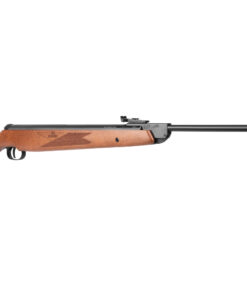

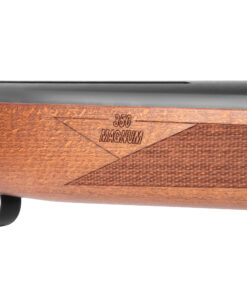
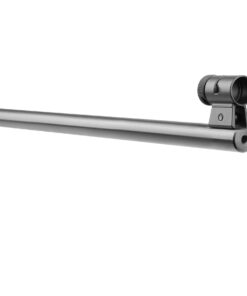


Diana 350 Magnum Premium 5.5mm break barrel airgun
€250.00
Product information “DIANA 350 Magnum Premium”
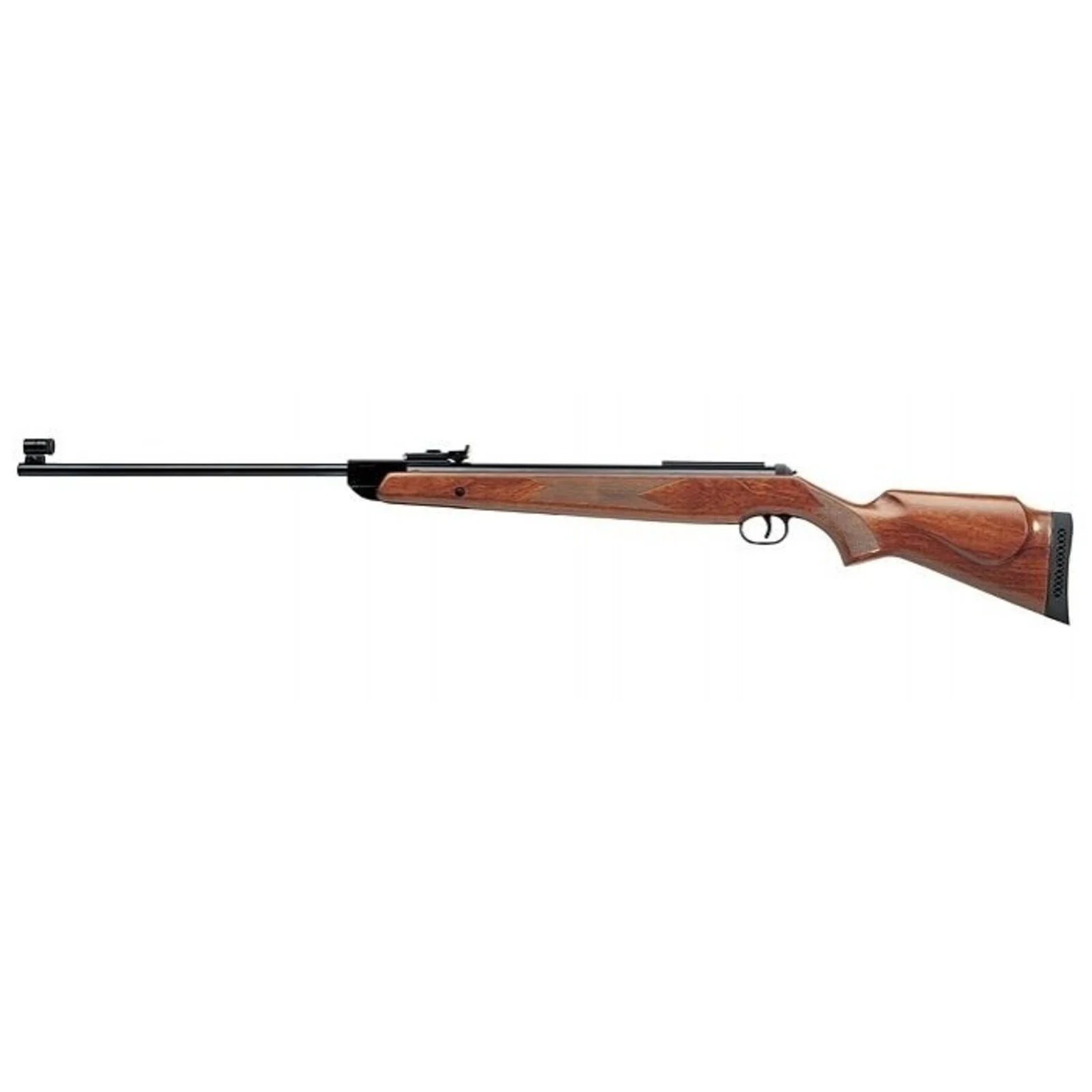
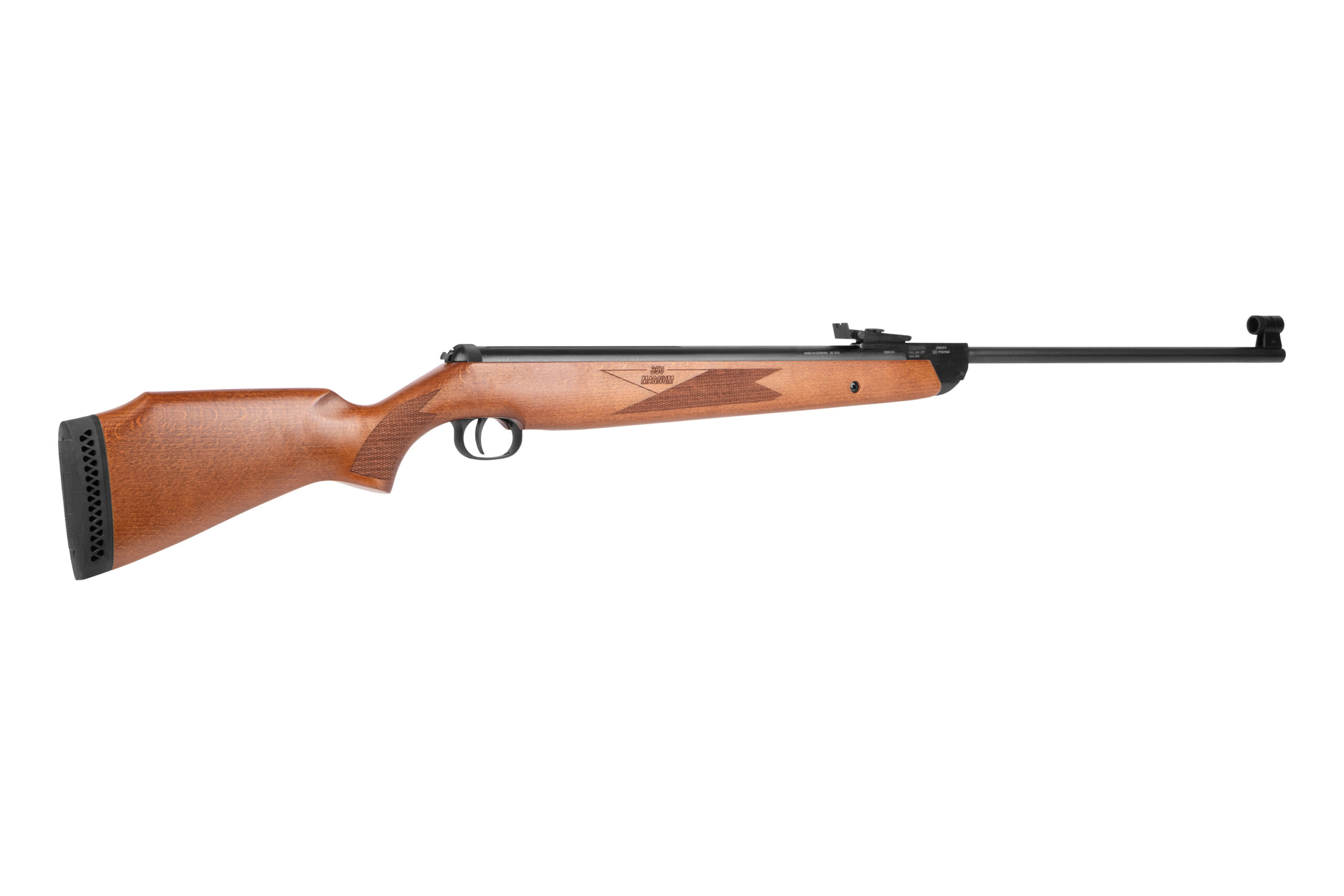
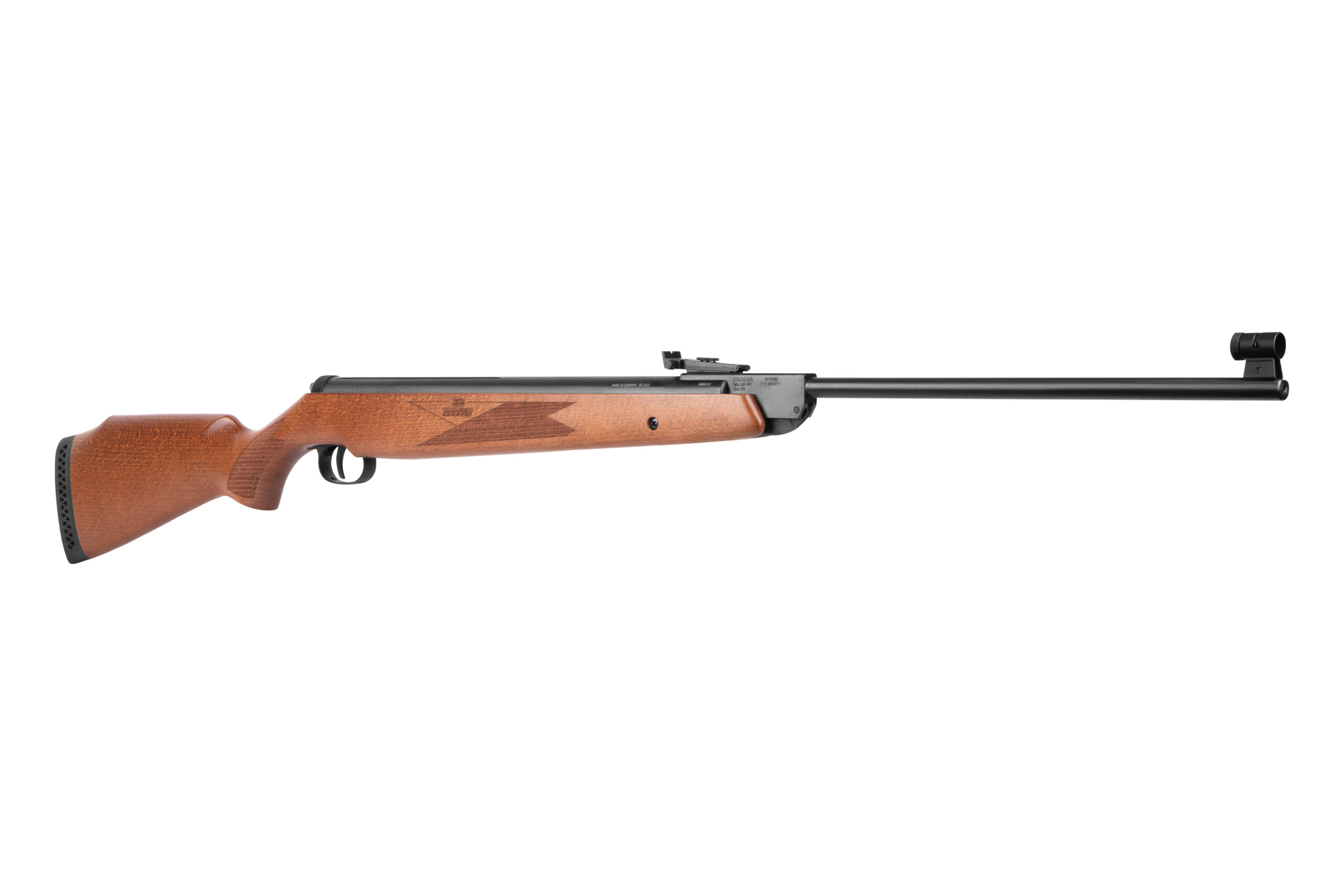
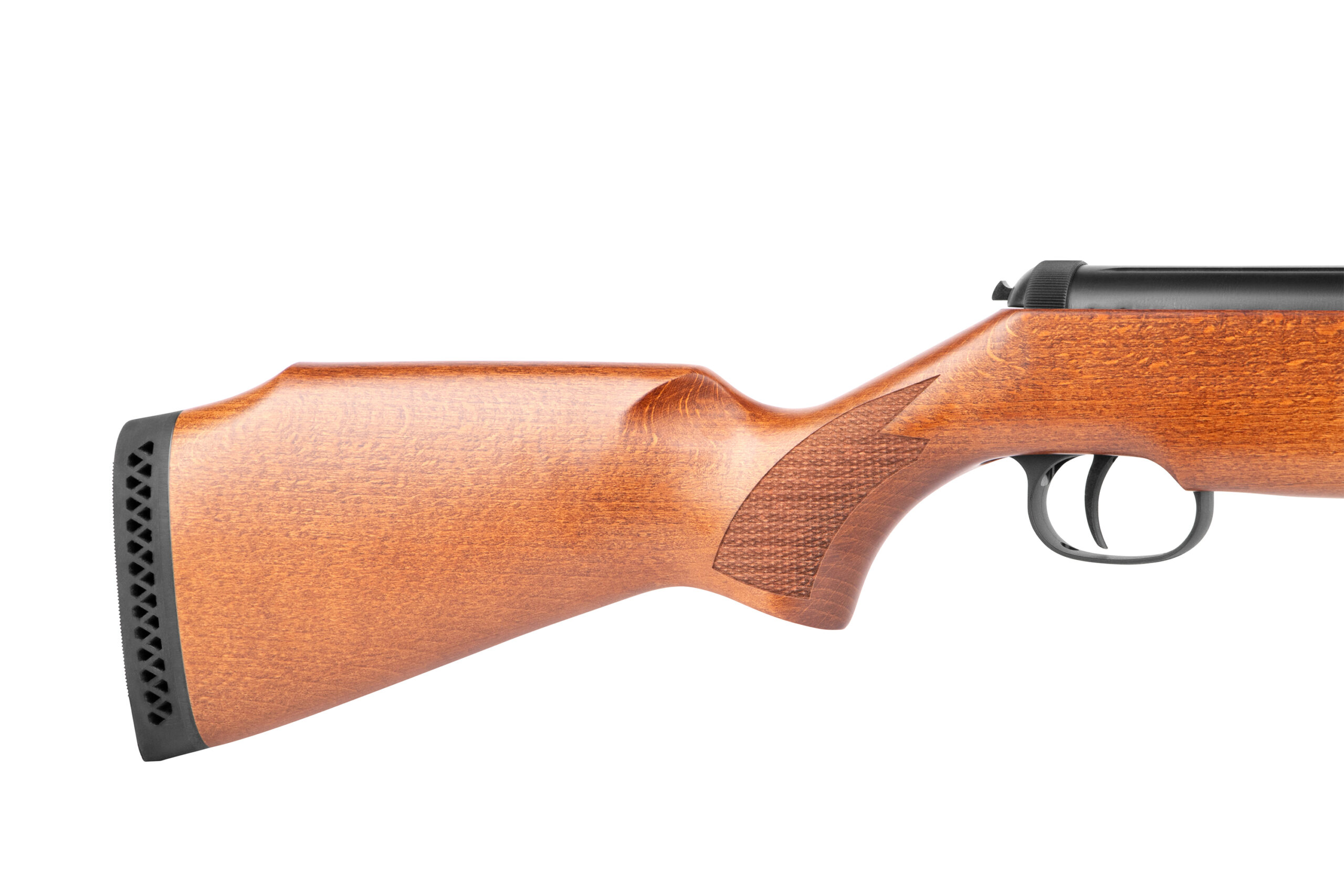
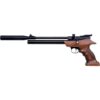
The Diana 350 Magnum long-range air rifle is specially manufactured for maximum bullet velocity. It has a hunting stock with fish skin on the pistol grip and forearm.
Features
- Elegant Monte Carlo stock with checkering
- Ventilated butt plate
- Adjustable T06 precision trigger with automatic safety
- Attached 11mm prism rail
- Metal sight with replaceable front sight
Barrel length: 495 mm Barrel type: rifled barrel Energy: 28 Joule (20.7 ft.lbs) | 32 Joule (23.6 ft.lbs) Length: 1.230 mm Safety: automatic Stock material: Wood System: Kipplauf Velocity: 325 m/s (1070 fps) | 265 m/s (870 fps) Weight: 3.900 g Caliber: 4,5 mm (.177) | 5,5 mm (.22) Ammunition type: Pellets Magazine capacity: 1 shot Trigger: T06
Diana 350 Magnum Premium 5.5mm Break-Barrel Airgun: Powerful German Spring-Piston Performance
Why Choose the Diana 350 Magnum?
The main reason to choose the diana 350 magnum is its combination of substantial spring-powered energy and straightforward mechanical independence. Unlike a pcp air gun, it does not require compressed-air tanks, charging adaptors, hand pumps, or electronic support equipment.
Therefore, the shooter can cock the barrel, load one correctly sized pellet, close the action, disengage the safety when ready, and fire. This self-contained operating cycle makes it suitable for people who want a durable air gun that can be used wherever safe and lawful shooting facilities are available.
Buyers searching for a Diana break barrel air rifle, Diana springer air rifle, diana 350 magnum air rifle, or Buy Diana air rifle often prioritize proven mechanics, strong output, traditional styling, and long-term serviceability.
How Does the Break-Barrel System Work?
The barrel acts as the cocking lever. When it is pivoted downward, the spring and piston assembly are compressed inside the cylinder. A pellet is then inserted directly into the exposed breech before the barrel is returned to its locked position.
When the trigger is released, the spring drives the piston forward, rapidly compressing air behind the pellet. That expanding air propels the pellet through the rifled barrel.
This differs fundamentally from pcp airguns, which store pre-compressed air in a reservoir. Although pneumatic platforms may offer very low recoil, this spring-powered design provides complete independence and a consistent mechanical firing cycle without refill planning.
How Good Is Its Accuracy?
Diana air rifle accuracy depends on barrel quality, pellet selection, consistent hold, trigger control, optic stability, and the shooter’s ability to manage spring-piston recoil.
Unlike a nearly recoil-free pneumatic rifle, a powerful springer produces forward and rearward movement during its firing cycle. Consequently, experienced users often apply a relaxed, repeatable hold rather than gripping the stock excessively tightly.
The long rifled barrel supports projectile stabilization, while the adjustable trigger helps the shooter establish a predictable release. Fiber-optic open sights assist with rapid alignment in changing light, although a properly rated scope may be selected for more precise aiming.
Quality 5.5mm pellets should be tested in several weights and head sizes because individual barrels often show clear preferences.
Where and When Should It Be Used?
This rifle is appropriate for controlled target ranges, approved private property, recreational shooting areas, and lawful field applications where local regulations permit its energy level.
Its 5.5mm projectile offers a practical combination of mass, stability, and retained energy. Therefore, it can serve adult shooters who want substantial target performance or a lawful Diana air rifle hunting configuration where airgun hunting is legally authorized.
The rifle should always be used with an effective backstop, appropriate eye protection, secure target placement, and complete awareness of people, animals, buildings, roads, and surrounding property.
Diana Model Comparison and Search Guide
The broader diana air rifles range includes several platforms designed for different purposes. The diana 34, diana r34, diana 34 air rifle, and Diana 34 air rifle represent established sporter-style spring-powered designs.
The modular diana 34 ems family offers configurable components, while searches for diana 34 ems fiber optic sights usually relate to its bright open-sight system and replaceable barrel architecture.
The diana 48 and diana mod 48 use a fixed-barrel sidelever arrangement rather than a hinged barrel. Similarly, the diana rws 460 magnum uses an underlever cocking mechanism with a fixed barrel.
By comparison, the rws diana air rifle phrase commonly reflects the historical association between RWS distribution and DIANA manufacturing in certain markets.
The diana 250, diana 250 air rifle, and diana two fifty are generally positioned as more approachable break-barrel options. Meanwhile, the diana r22 refers to a different modern platform and should not be confused with this spring-powered model.
Rifle and Pistol Product Differences
A diana pellet gun can refer broadly to either a shoulder-fired rifle or handgun-style product. However, a diana air pistol is designed around a shorter sight radius, different grip geometry, and lower overall size.
The lp8 diana is a recognizable break-barrel pistol model, whereas the Chaser line uses a modular CO₂ system. Searches for diana chaser parts and diana chaser accessories therefore concern an entirely different product family.
Likewise, Diana air rifle .177 identifies the smaller 4.5mm caliber, while Diana air rifle .22 describes the 5.5mm caliber reviewed here.
Comparison with Modern Pneumatic Platforms
Some buyers compare this traditional springer with high end air rifles from FX. Common searches include fx dynamic, fx maverick, impact m4, fx pcp, fx crown, fx crown mk2, fx crown mkii, and the frequent typo fx crown mkll.
Other comparison searches include fxpanthera, fx m3 airgun, fx wildcat mk3, fx leopard air rifle, fx impact m4 for sale, and fx usa.
Those models use stored compressed air and offer different tuning, recoil, magazine, and air-capacity characteristics. An fx pocket chronograph may measure projectile speed, while impact m4 ballistic coefficient concerns projectile aerodynamics rather than a fixed rifle specification.
Similarly, fx pellets and fx halo slugs are ammunition-related searches. Their suitability should never be assumed for a spring-powered barrel without confirming caliber, projectile weight, fit, and manufacturer guidance.
The Scandinavian term luftgevær simply means air rifle and may appear in international search results.
Important Performance Specifications
- Caliber: 5.5mm or .22
- Operating system: Single-shot spring-piston break barrel
- Maximum listed energy: Approximately 32 joules
- Maximum listed velocity: Approximately 245 metres per second
- Overall length: Approximately 1,230mm
- Barrel length: Approximately 495mm
- Weight: Approximately 3.9kg
- Stock: Premium wooden sporter configuration
- Sights: Fiber-optic front and rear sights
- Safety: Automatic safety system
- Trigger: Adjustable unit
- Power source: Self-contained mechanical spring system
These specifications come from DIANA’s current official product materials and may vary according to national power restrictions or market-specific configurations.
Final Section 1 Evaluation
The Diana 350 Magnum Premium is intended for experienced shooters who appreciate traditional construction, serious spring-powered output, and the convenience of a rifle that requires no external charging system.
Its long barrel, substantial action, premium stock, adjustable trigger, open sights, and 5.5mm chambering create a capable combination for precision practice and lawful sporting applications.
Ultimately, this model stands apart because it preserves the direct mechanical character of a classic air rifle diana design while delivering the power, durability, and technical authority expected from one of the most recognized names in European airgun manufacturing.
Engineering Design, Practical Performance, and Shooting Experience
Built for Mechanical Simplicity
One of the greatest strengths of a spring-powered rifle is its mechanical independence. Unlike systems that rely on external charging equipment or additional support accessories, every shot begins with the same straightforward operating sequence.
The cocking mechanism compresses the internal spring while preparing the piston for the firing cycle. Once the projectile is loaded and the barrel is securely locked, the rifle is immediately ready for use.
This simple operating principle reduces reliance on external equipment while providing dependable performance wherever safe shooting facilities are available.
Precision Manufacturing
Accurate shooting begins with quality engineering.
Every major component must work together with minimal tolerance variation to produce repeatable performance. The receiver, barrel, piston, spring, trigger assembly, and locking mechanism are manufactured to function as one integrated system rather than as individual parts.
Careful machining improves alignment throughout the firing cycle, allowing consistent operation over thousands of shots when maintained correctly.
This attention to manufacturing quality contributes to dependable long-term reliability while reducing unnecessary mechanical wear.
Efficient Power Transfer
The firing cycle relies on converting stored mechanical energy into compressed air with remarkable efficiency.
As the trigger releases the piston, compressed air rapidly accelerates the projectile through the barrel. The consistency of this process depends upon proper seal integrity, spring condition, piston movement, and barrel alignment.
When these components operate together efficiently, the rifle produces stable velocity and repeatable performance from one shot to the next.
A consistent power cycle also improves shooter confidence because predictable behavior simplifies trajectory estimation and sight adjustment.
Barrel Performance and Stability
The barrel serves as one of the most influential components affecting overall precision.
Its internal rifling stabilizes each projectile by imparting rotational spin during acceleration. This controlled rotation minimizes instability during flight while improving consistency over varying distances.
High-quality barrel manufacturing also reduces internal imperfections that could otherwise influence projectile movement.
Combined with appropriate ammunition and disciplined shooting technique, a well-made barrel forms the foundation for dependable accuracy.
Trigger Characteristics
An effective trigger system allows shooters to release each shot with minimal disturbance to the sight picture.
Smooth trigger movement encourages consistent pressure application while reducing unnecessary hand movement immediately before discharge.
Proper trigger control becomes increasingly important as shooting distances increase because even small disturbances can noticeably affect point of impact.
Developing a consistent trigger technique often produces greater improvements than changing equipment.
Natural Ergonomics
Comfort directly influences shooting consistency.
A well-designed stock promotes natural shoulder placement while supporting a stable cheek weld and comfortable hand positioning.
Balanced weight distribution minimizes fatigue during extended practice sessions and allows shooters to maintain proper body alignment throughout repeated shooting sequences.
Whether shooting from a bench, prone position, standing stance, or supported rest, consistent ergonomics encourage repeatable body positioning and improved accuracy.
Managing Recoil Effectively
Spring-powered rifles generate a unique firing cycle that differs significantly from many other propulsion systems.
Both rearward and forward movement occur during discharge as internal components complete their mechanical cycle.
Rather than resisting this movement with excessive force, experienced shooters typically maintain a relaxed and consistent hold that allows the rifle to recoil naturally.
This repeatable shooting technique often improves accuracy by allowing the mechanical action to complete its movement consistently from shot to shot.
Optical Performance
Although open sights remain highly effective for many applications, optical sights can significantly improve target identification and aiming precision.
After installation, the optic should be carefully zeroed using the preferred projectile at the intended shooting distance.
Maintaining consistent eye relief and cheek placement helps eliminate aiming inconsistencies while improving repeatability.
Mounting hardware should be inspected periodically to ensure proper alignment remains unchanged after extended use.
External Ballistics
Every projectile begins interacting with the surrounding environment immediately after leaving the barrel.
Wind has the greatest influence on horizontal movement, particularly at longer distances.
Temperature, humidity, atmospheric pressure, elevation, and lighting conditions also contribute to subtle variations in trajectory.
Learning to evaluate these environmental influences before every shot allows shooters to make thoughtful corrections instead of relying solely on equipment adjustments.
Developing this awareness strengthens overall marksmanship while improving consistency under changing conditions.
Practical Shooting Development
Consistent improvement comes through structured practice rather than simply firing large numbers of shots.
Useful training habits include:
- Maintaining a stable shooting position.
- Applying steady trigger pressure.
- Practicing controlled breathing.
- Following through after every shot.
- Recording shooting distances.
- Evaluating group patterns.
- Observing environmental changes.
- Making gradual adjustments based on results.
Repeating these fundamentals regularly builds confidence while producing measurable improvements in practical accuracy.
Engineered for Long-Term Dependability
Durability results from combining quality materials with thoughtful engineering and responsible ownership.
Precision-machined components, strong mechanical construction, and efficient internal operation allow the rifle to perform reliably throughout years of regular use.
Routine inspections, proper cleaning, careful storage, and preventive maintenance further extend service life while preserving accuracy and mechanical consistency.
With disciplined care and continued practice, the rifle remains capable of delivering dependable performance across countless shooting sessions while maintaining the reliability expected from a premium spring-powered sporting rifle.
Maintenance, Care, and Long-Term Reliability
Establishing a Routine Maintenance Schedule
Proper maintenance is essential for preserving both accuracy and mechanical reliability. A consistent care routine not only protects the rifle from premature wear but also ensures dependable performance throughout years of regular use.
After each shooting session, inspect the rifle for dust, fingerprints, moisture, and any visible debris. Wipe all exterior surfaces with a clean microfiber cloth before storing the rifle. This simple habit helps maintain the finish while reducing the possibility of corrosion.
Exposed metal components should receive a light protective coating of suitable gun oil. Only a minimal amount is necessary because excessive lubrication can attract dust and dirt that may eventually interfere with normal operation.
Performing these basic maintenance tasks after every use greatly contributes to long-term durability.
Cleaning the Barrel Properly
The barrel should always receive careful attention because it plays a direct role in maintaining consistent accuracy.
Unlike conventional firearms, air rifles generally produce very little fouling. Consequently, frequent cleaning is unnecessary and may temporarily affect accuracy until the barrel settles back into its normal shooting condition.
Cleaning is generally recommended only when group sizes noticeably increase or after an extended period of regular shooting.
Use pull-through cleaning cords or coated cleaning rods specifically intended for precision air rifles. Soft cleaning patches are normally sufficient for removing accumulated residue.
Avoid steel brushes, aggressive chemicals, or excessive force, as these may damage the rifling and reduce long-term precision.
Caring for the Spring and Piston Assembly
The internal spring and piston system forms the heart of the rifle’s powerplant.
Although these components are designed for extended service life, they benefit from proper handling and routine inspection.
Avoid dry-firing because releasing the firing mechanism without a projectile can place unnecessary stress on internal parts.
Likewise, avoid leaving the rifle cocked for extended periods. Keeping the spring under continuous compression longer than necessary may gradually reduce its performance over time.
Using the rifle as intended helps preserve consistent operation while extending component life.
Inspecting Moving Components
Regular inspection allows small issues to be identified before they develop into significant mechanical problems.
Pay particular attention to:
- Barrel locking mechanism.
- Cocking linkage.
- Trigger assembly.
- Safety mechanism.
- Visible fasteners.
- Stock attachment points.
- Pivot bolts.
- Sight mounting hardware.
Any loose components should be tightened according to manufacturer recommendations before further use.
Routine inspection promotes both safety and dependable performance.
Protecting Exterior Surfaces
The exterior finish should be protected against moisture, fingerprints, and environmental contamination.
Following use in wet or humid conditions, thoroughly dry every exposed surface before storage.
Wooden stocks benefit from occasional treatment using products specifically formulated for quality firearm stocks. Proper care preserves the natural appearance while helping prevent drying or cracking caused by changing environmental conditions.
Minor cosmetic marks should be addressed promptly to prevent long-term deterioration.
Storage Recommendations
Correct storage significantly extends equipment life.
Always store the rifle unloaded inside a secure cabinet, safe, or protective case that prevents unauthorized access.
Choose a cool, dry location with stable humidity and temperature whenever possible.
Avoid prolonged exposure to direct sunlight, excessive heat, or damp environments because these conditions may negatively affect wood, metal, and internal components over time.
If the rifle will remain unused for an extended period, inspect it periodically to verify that no corrosion or environmental damage has developed.
Maintaining Accuracy Over Time
Long-term accuracy depends on both equipment maintenance and consistent shooting habits.
Projectiles should remain clean, undamaged, and properly stored before use.
Optics and sighting equipment should be inspected regularly to confirm that mounting hardware remains secure and correctly aligned.
Environmental factors such as wind, humidity, temperature, lighting conditions, and elevation should always be considered when evaluating shooting performance because each influences projectile flight differently.
Maintaining a shooting log allows users to identify combinations of ammunition, distance, and environmental conditions that consistently produce the most accurate results.
Pre-Shooting Inspection Checklist
Before every shooting session, perform a brief inspection to ensure the rifle is ready for safe operation.
Recommended checks include:
- Confirm all screws remain secure.
- Inspect the barrel for obstructions.
- Verify proper operation of the safety.
- Check trigger function.
- Ensure the barrel locks securely.
- Examine the stock for cracks or damage.
- Confirm sights remain properly aligned.
- Verify overall cleanliness.
Completing these inspections requires only a few minutes while significantly improving safety and operational confidence.
Safe Maintenance Practices
Every maintenance procedure should begin with a complete safety check.
Always verify that the rifle is unloaded before performing any cleaning or inspection.
Keep the muzzle pointed in a safe direction throughout the maintenance process.
Wear appropriate eye protection whenever working around spring-loaded components or mechanical assemblies.
Avoid disassembling the internal powerplant without proper tools and technical knowledge because compressed spring assemblies contain significant stored energy.
If unusual noises, excessive vibration, or mechanical damage are observed, discontinue use until appropriate repairs have been completed.
Extending Service Life
Responsible ownership greatly influences the lifespan of any precision sporting rifle.
Routine cleaning, proper lubrication, careful storage, regular inspections, and disciplined handling reduce unnecessary wear while preserving consistent performance.
Addressing minor maintenance concerns promptly prevents larger mechanical issues and minimizes long-term repair costs.
Owners who establish preventive maintenance habits often enjoy many years of reliable service while maintaining dependable accuracy and smooth operation throughout thousands of shooting sessions.
Benefits of Preventive Care
Preventive maintenance offers advantages beyond simple reliability.
Regular care helps preserve mechanical consistency, improves shooting confidence, reduces unexpected interruptions, and protects the rifle’s appearance and value over time.
Combined with responsible handling and structured practice, these maintenance habits allow the rifle to continue performing at a high standard for many years of recreational target shooting, precision training, competitive practice, and other lawful sporting activities.
Buying Guide, Ownership Experience, and Final Evaluation
Choosing the Right Rifle for Your Needs
Selecting the right air rifle requires careful consideration of your intended purpose, experience level, and shooting environment. Rather than focusing only on power, buyers should evaluate comfort, balance, build quality, maintenance requirements, and long-term reliability.
Those who primarily enjoy recreational target shooting may prioritize ease of handling and consistent accuracy. Shooters interested in long-distance precision often benefit from a platform that offers excellent stability and predictable shot placement. Individuals planning to spend long hours outdoors should also consider overall weight, stock ergonomics, and carrying comfort.
Taking time to evaluate these factors before purchasing helps ensure that the rifle remains enjoyable to use for many years.
Understanding Long-Term Value
A well-built air rifle should be viewed as a long-term investment rather than a short-term purchase.
High-quality materials, precision manufacturing, and durable internal components contribute to years of dependable service when the rifle is properly maintained.
Although premium equipment may require a larger initial investment, the benefits often include improved reliability, lower maintenance costs, greater consistency, and longer service life.
Choosing quality from the beginning frequently proves more economical than replacing lower-quality equipment after only a few seasons of use.
Developing Strong Shooting Fundamentals
Excellent equipment performs best when paired with disciplined technique.
Consistent practice helps shooters develop essential skills that remain valuable regardless of the type of rifle being used.
Areas to focus on include:
- Proper body alignment.
- Stable shooting position.
- Controlled breathing.
- Smooth trigger control.
- Consistent cheek placement.
- Follow-through after every shot.
- Careful observation of impact points.
- Gradual correction of shooting errors.
Building these habits steadily produces noticeable improvements in confidence and overall performance.
Making the Most of Practice Sessions
Well-planned practice sessions are far more productive than simply firing large numbers of shots.
Begin each session by confirming that sights remain properly aligned and that environmental conditions are suitable for the intended distance.
Instead of constantly changing equipment settings, focus on repeating the same shooting process with consistency.
Recording group sizes, distances, weather conditions, and observations after each session provides valuable information that can be used to improve future performance.
Over time, this disciplined approach creates measurable progress while strengthening shooting confidence.
Choosing Helpful Accessories
Appropriate accessories enhance both convenience and performance.
A quality optic improves target identification and aiming precision, while secure mounting hardware helps maintain consistent alignment during repeated use.
Support equipment such as shooting rests, bipods, protective cases, cleaning kits, and storage solutions contributes to a more enjoyable ownership experience while protecting the rifle from unnecessary wear.
Investing in reliable accessories often improves long-term satisfaction and reduces maintenance concerns.
Understanding Environmental Conditions
Every shooting session is influenced by changing environmental conditions.
Wind has the greatest effect on projectile movement, especially as distance increases.
Temperature, humidity, altitude, lighting conditions, and atmospheric pressure also influence projectile flight to varying degrees.
Experienced shooters develop the habit of observing these conditions before every shot and adjusting their expectations accordingly.
Learning to read environmental changes is an important part of becoming a skilled and consistent marksman.
Responsible Ownership
Owning precision sporting equipment carries important responsibilities.
Always store the rifle unloaded in a secure location that prevents unauthorized access.
Use the rifle only in safe environments where shooting activities are lawful and appropriate.
Before each session, verify that the target area includes a suitable backstop capable of safely stopping every projectile.
Remain aware of nearby people, animals, buildings, vehicles, and surrounding property throughout every shooting activity.
Responsible ownership promotes both personal safety and the positive reputation of the shooting community.
Protecting Your Investment
Routine preventive maintenance remains the most effective way to preserve long-term performance.
Cleaning after use, inspecting moving components, protecting exposed metal surfaces, and storing the rifle under appropriate environmental conditions all contribute to dependable operation throughout its service life.
Small maintenance issues should be corrected promptly before they develop into more significant mechanical problems.
Preventive care not only improves reliability but also helps maintain the rifle’s appearance and resale value.
Who Will Benefit Most?
This rifle is particularly well suited for shooters who appreciate traditional craftsmanship, dependable mechanical operation, and consistent performance without relying on external charging equipment.
Its balanced design accommodates recreational target shooters, experienced enthusiasts, and individuals seeking a durable sporting rifle for regular practice and lawful field applications.
The combination of solid construction, practical ergonomics, and proven engineering makes it an excellent choice for those who value reliability, precision, and long-term ownership.
Final Thoughts
A premium spring-powered air rifle represents more than a simple sporting tool—it reflects a commitment to quality, discipline, and continuous improvement. While thoughtful engineering provides an excellent mechanical foundation, consistent accuracy ultimately depends on proper maintenance, responsible handling, and regular practice.
Owners who establish strong maintenance habits, practice sound shooting fundamentals, and continually refine their skills can expect many years of dependable performance. Its durable construction, practical design, and reliable operation make it a rewarding choice for recreational shooting, precision training luftgevær, organized competitions, and other lawful sporting activities, providing lasting confidence every time it is used.
Be the first to review “Diana 350 Magnum Premium 5.5mm break barrel airgun”
Related products


Diana Air Rifles


Diana Air Rifles
Diana Air Rifles
Reviews
There are no reviews yet.