


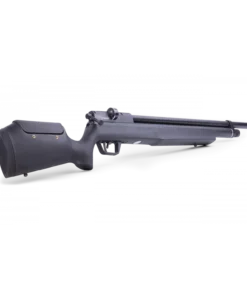
Benjamin Marauder Air Pistol AR15 Stock

€355.00
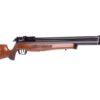
The Benjamin Marauder Air Pistol with AR-15 stock is a clever setup — you get the accuracy and consistency of the Marauder PCP platform in a configuration that shoulders like a carbine. In .22 caliber at 700 fps, it’s a versatile backyard shooter that bridges the gap between pistol and rifle in a compact, familiar format. We like it for shooters who want a quiet, repeating PCP they can use in tight spaces.
- .22 caliber at 700 fps — quiet, consistent PCP performance
- AR-15 style stock — comfortable shouldering and familiar ergonomics
- Benjamin Marauder platform — proven PCP reliability in a pistol-based configuration
Caliber 0.22″ Brand Benjamin
Benjamin Marauder Air Pistol AR15 Stock — Compact PCP Engineering and Precision Overview
Benjamin Marauder Air Pistol AR15 Stock Engineering, Precision, and Platform Overview
The Benjamin Marauder Air Pistol is a compact pre-charged pneumatic platform designed around .22-caliber pellets, bolt-action operation, an eight-shot rotary magazine, a rifled steel barrel, integrated sound suppression, and a two-stage trigger. Benjamin currently lists the pistol at 18 inches long and approximately 2.7 pounds, with velocities up to 800 fps on the product page and up to 30 shots per fill. The manufacturer’s 2026 catalog lists the current BP2220 at 700 fps and approximately 15 ft-lb, illustrating why model-year specifications should always be checked carefully.
The current factory description states that its pistol grip can be exchanged for the included synthetic all-weather shoulder stock. Benjamin does not describe that factory stock as an AR-15 stock in its current specifications, so an “AR15 Stock” configuration may refer to a particular aftermarket or older setup rather than the standard current factory package.
Benjamin Bulldog Magnum Series Bullpup
The Benjamin Bulldog Magnum Series Bullpup belongs to a larger-bore PCP family and uses a completely different architecture from this compact pistol platform.
Benjamin Air Rifle
A benjamin air rifle can use PCP, gas-piston, or other pneumatic powerplants. Therefore, model-specific specifications matter.
Air Rifle and Air Pistol
The phrase air rifle and air pistol covers platforms with different dimensions, stocks, reservoir capacities, handling characteristics, and applications.
Benjamin Bulldog
The benjamin bulldog should not be confused with the smaller .22-caliber platform because its layout, bore size, and intended technical role differ.
Benjamin Air Rifles
Modern benjamin air rifles span several configurations, including traditional rifles, semi-automatic models, large-bore systems, and compact pneumatic platforms.
Benjamin Break
A benjamin break barrel operates differently because its powerplant is mechanically cocked rather than supplied from a pre-filled high-pressure reservoir.
Benjamin Airbow Airgun
A benjamin airbow airgun uses compressed air to launch arrows rather than conventional pellets.
Benjamin Marauder PCP
The benjamin marauder pcp family is characterized by compressed-air operation, multi-shot capability, rifled barrels, and precision-oriented engineering.
Air Bows Pellet Rifle
The phrase air bows pellet rifle combines two different projectile categories. Airbows fire arrows, while rifled pneumatic pistols typically fire pellets.
Benjamin Bulldog 457 20 Joules
Searches for benjamin bulldog 457 20 joules may relate to regional configurations or power restrictions and should not be applied to this platform.
CO2 Pellet Guns
Unlike co2 pellet guns, this pistol uses pre-charged compressed air and therefore requires a dedicated high-pressure filling system.
Benjamin Armada
The benjamin armada is another PCP platform but uses a larger rifle-oriented configuration and different ergonomics.
Benjamin Prowler
The benjamin prowler belongs to another part of the manufacturer’s catalog and uses different operating characteristics.
Benjamin Marauder Air Rifle Bulldog 357
The phrase benjamin marauder air rifle bulldog 357 combines separate product families that differ substantially in design and caliber.
Benjamin Marauder
The benjamin marauder name covers multiple pneumatic platforms. The pistol version emphasizes compact dimensions while retaining a multi-shot PCP design.
Cal .177 Pellets
cal .177 pellets are common in airgunning, but the current factory pistol is specifically listed in .22 caliber.
Brake Barrel BB Gun
A brake barrel bb gun uses a different firing system and should not be mechanically compared with a high-pressure PCP platform.
Benjamin Pellet Gun
A benjamin pellet gun may describe several models, so caliber and powerplant should always be confirmed.
Benjamin Bow
The benjamin bow category refers to arrow-launching systems rather than conventional pellet operation.
Benjamin Pellet
A benjamin pellet or another correctly sized quality projectile can influence grouping because weight and dimensional consistency affect barrel behavior.
Benjamin Air Rifle Repair
Professional benjamin air rifle repair becomes especially important when servicing reservoirs, valves, seals, or other high-pressure components.
Benjamin Air Rifle 22 Break Barrel
A benjamin air rifle 22 break barrel can use the same nominal projectile diameter while relying on a completely different powerplant.
Benjamin Air Bow
A benjamin air bow requires arrow-based ammunition and should not be treated as interchangeable with pellet-firing pneumatic equipment.
Benjamin Marauder .25
The benjamin marauder .25 represents a larger-caliber rifle configuration within the wider family, whereas the current pistol is .22 caliber.
Benjamin Bulldog 457
The benjamin bulldog 457 represents a substantially larger bore and a different operating category.
Benjamin Marauder Pistol
The benjamin marauder pistol uses an eight-shot rotary magazine, rifled and shrouded steel barrel, two-stage trigger, and synthetic construction. Benjamin also provides a compatible removable shoulder stock with the current pistol.
Benjamin Air Pistol
A benjamin air pistol provides more compact dimensions than a full-length rifle, although pressure management and safe handling remain equally important.
Pellet Rifle 1500 FPS
A pellet rifle 1500 fps search emphasizes velocity, yet velocity alone does not determine precision. Projectile stability and consistency remain critical.
Air Guns for Hunting
Air guns for hunting are regulated differently by location, caliber, species, and energy level. Applicable laws should always be verified.
177 Pellet Gun
A 177 pellet gun uses smaller-diameter ammunition than the current .22-caliber pistol configuration.
Benjamin Airbow M600
The benjamin airbow m600 belongs to an arrow-launching pneumatic category rather than a conventional pellet platform.
Benjamin Pioneer Airbow
The benjamin pioneer airbow similarly demonstrates how stored compressed air can power an arrow-launching system.
Benjamin Marauder PCP Air Rifle
The benjamin marauder pcp air rifle shares the general compressed-air principle but uses rifle-oriented dimensions and configurations.
Benjamin Pellet Gun 22 Cal
A benjamin pellet gun 22 cal description is relevant to the pistol because Benjamin currently specifies .22-caliber pellets for its eight-shot magazine.
Benjamin Vaporizer
The benjamin vaporizer belongs to a different platform and should not be assumed to share the same components.
Arrow Gun for Deer Hunting
An arrow gun for deer hunting belongs to a specialized legal and sporting category that differs from compact pellet-pistol use.
Benjamin 22 Air Rifle
A benjamin 22 air rifle can use the same nominal caliber while offering different barrel lengths, reservoir sizes, and handling characteristics.
PCP Benjamin Marauder
The phrase pcp benjamin marauder accurately describes the compressed-air foundation of this family. Proper reservoir management remains fundamental to reliable operation.
Pneumatic Gun BB Gun Rifle
A pneumatic gun bb gun rifle may refer to several distinct technologies. Ammunition and pressure requirements should always match the exact model.
Benjamibenjamin Nitro Piston 22 Air Rifle for Hunting
The search phrase benjamibenjamin nitro piston 22 air rifle for hunting describes gas-piston technology rather than PCP operation, even though both platforms may use .22-caliber pellets.
Why Precision and Compact Design Matter
The strongest technical characteristics of the platform are its compact dimensions, rifled steel barrel, shrouded construction, eight-shot magazine, and predictable two-stage trigger. These elements can support repeatable target performance when combined with consistent ammunition, correct pressure management, secure optics, and disciplined shooting technique. Its optional shoulder-stock configuration can also change how the platform is supported, although users should verify the legality and classification of any aftermarket stock conversion in their jurisdiction before installing one.
PCP Air System, Accuracy Factors, Ergonomics, Reliability, and Practical Performance
Pre-Charged Pneumatic Operating Principle
A pre-charged pneumatic system uses compressed air stored inside an onboard reservoir to propel each projectile. This differs from spring-powered or carbon-dioxide systems because the firing cycle depends on controlled air release rather than a large moving piston or disposable gas cartridge.
The result is generally a smoother mechanical cycle with less internal vibration. That reduced movement can support repeatable shooting when the barrel, ammunition, pressure level, and sighting system are all working consistently.
However, compressed-air performance depends heavily on correct pressure management. The reservoir should always be filled according to the manufacturer’s stated limits. Overfilling should never be used in an attempt to increase performance because excessive pressure can place unnecessary stress on internal seals, valves, and pressure-bearing components.
Why Consistent Air Delivery Matters
Consistency is one of the most important characteristics of a precision-focused pneumatic platform.
Each shot depends on a measured quantity of compressed air being released into the barrel. If the amount of air varies significantly, projectile velocity may also change. At longer distances, those velocity differences can become visible as vertical variation on the target.
Stable performance therefore depends on a healthy valve system, properly functioning seals, suitable pressure levels, and regular inspection.
Users should pay attention to changes in sound, point of impact, and pressure retention. Unexpected changes can indicate that the system requires maintenance.
Barrel Quality and Projectile Stability
The rifled barrel plays a major role in practical accuracy.
As the projectile travels through the bore, the rifling creates rotational stability. This rotation helps the projectile remain properly oriented after leaving the muzzle.
However, the barrel is only one part of the accuracy equation. Projectile diameter, shape, weight, and manufacturing consistency can all influence grouping performance.
Some ammunition may interact more consistently with the rifling than other types. Therefore, accuracy testing should be performed carefully using the same projectile type and controlled conditions.
The muzzle crown should also be protected because it influences the final release of the projectile from the barrel.
Understanding Compact Handling
A compact pneumatic platform can feel noticeably different from a full-length rifle.
Shorter overall dimensions may make the equipment easier to handle in controlled environments and more convenient to transport in an appropriate case. However, compact dimensions also change weight distribution and the way the shooter establishes a stable position.
When an approved shoulder support is fitted where legally permitted, the platform may provide a more repeatable point of contact. This can help with consistency because the shooter can establish similar shoulder and cheek positions from one shot to the next.
Any stock or support configuration should remain compatible with the exact model and comply with local regulations.
Trigger Control and Practical Precision
Trigger control has a direct influence on practical accuracy.
A predictable trigger allows pressure to be applied gradually while maintaining sight alignment. Sudden movement during the final stage of the trigger pull can disturb the point of aim.
Consistency matters more than speed. The shooter should establish the same grip, shoulder contact, and eye position for each shot.
If trigger behavior changes unexpectedly, the equipment should be inspected. A trigger that suddenly feels unusually heavy, light, rough, or inconsistent may indicate that servicing is required.
Any adjustment should remain within manufacturer-approved limits.
Magazine Function and Feeding Reliability
A multi-shot magazine must remain clean and undamaged to operate reliably.
Dust, debris, damaged projectiles, or physical deformation can interfere with smooth feeding. Ammunition should therefore be inspected before loading.
If unusual resistance develops, forcing the mechanism should be avoided. The equipment should instead be made safe and inspected according to the manufacturer’s procedure.
Magazines should also be protected from impact during transport and storage. Small damage can interfere with alignment and feeding even when the problem is not immediately visible.
Routine inspection helps maintain reliable operation.
Optic Stability and Sight Alignment
A secure sighting system is essential for repeatable accuracy.
Mounting hardware should remain firm, but overtightening should be avoided because excessive force can damage threads, mounts, or optic components.
If the point of impact changes unexpectedly, the sighting system should be checked before assuming that the barrel or pressure system has developed a fault.
Consistent eye position is equally important. Changing head position can alter the sight picture and make groups appear less stable.
A repeatable cheek position helps maintain proper alignment.
Air Filling and Moisture Management
Filling equipment should be rated for high-pressure pneumatic use.
Connections should remain clean because dust or debris can enter the system during filling. Moisture control is also important, particularly in humid environments.
Repeated introduction of damp air may contribute to internal corrosion over time.
Appropriate filtration should therefore be used where recommended, and filling equipment should be maintained properly.
The filling process should be carried out carefully and gradually.
Environmental Conditions and Performance
Wind, temperature, and humidity can influence real-world performance.
Wind can move lightweight projectiles away from the intended point of impact, especially as distance increases. Temperature can also affect seals, lubricants, and pressure behavior.
Extreme heat should be avoided because pressurized systems can experience additional internal stress when exposed to high temperatures.
Cold conditions may reduce the flexibility of some sealing materials.
Moisture is another important consideration because prolonged dampness can contribute to corrosion.
Storage and Long-Term Reliability
Proper storage supports both safety and mechanical durability.
The equipment should be unloaded and secured when not in use. Access should be restricted according to local requirements.
A dry environment is generally preferable because moisture can damage metal surfaces and internal components.
Protective cases are useful during transport, but equipment should be dry before being enclosed for long periods.
Regular inspection should include the reservoir, seals, magazine, optic mounts, barrel, trigger, and external fasteners.
Long-term reliability depends on consistent care. Correct pressure management, suitable ammunition, clean filling equipment, stable optics, careful storage, and regular maintenance all contribute to predictable performance and help preserve mechanical condition throughout extended use.
Precision Potential, Shooting Stability, Environmental Influence, Mechanical Reliability, and Long-Term Performance
Understanding Precision Potential
Precision depends on the interaction of several mechanical and practical factors rather than a single specification. Barrel quality, projectile consistency, air delivery, trigger behavior, sight alignment, and shooter technique all influence the final point of impact.
A compact pneumatic platform can perform consistently when these variables remain controlled. However, small changes in ammunition, pressure level, optic position, or shooting posture can produce noticeable differences in grouping.
For meaningful testing, the same projectile type, pressure range, distance, and support method should be maintained. This makes it easier to determine whether changes come from the equipment or from external factors.
Repeatability is ultimately more important than a single impressive group.
Barrel Condition and Accuracy
The rifled barrel is responsible for guiding and stabilizing the projectile before it exits the muzzle.
As the projectile travels through the bore, the rifling creates rotational movement. This rotation helps maintain stability during flight.
However, barrel condition matters. Dirt, excessive residue, physical damage, or problems around the muzzle crown can affect consistency.
Cleaning should therefore be performed carefully and only when necessary. Excessive cleaning can cause unnecessary wear, particularly when unsuitable tools are used.
The muzzle should also be protected during transportation because even minor damage can influence projectile release.
Why Ammunition Consistency Matters
Ammunition quality has a direct influence on grouping.
Individual projectiles may vary slightly in diameter, weight, shape, or manufacturing tolerance. These variations can change how each projectile engages the rifling and moves through the barrel.
Damaged ammunition can create additional problems. Bent skirts, dents, dirt, or contamination may affect both feeding and accuracy.
For this reason, projectiles should be inspected before loading and stored in a clean, dry container.
When evaluating precision, using the same ammunition throughout the session provides more reliable information.
Compact Ergonomics and Shooting Stability
Compact dimensions can make a platform easier to transport and handle, but they also affect the way the shooter establishes a stable position.
A shorter overall configuration may feel more maneuverable, while the distribution of weight can make the platform feel different from a full-length rifle.
Stability depends on maintaining consistent contact points. Grip position, shoulder placement where applicable, cheek position, and eye alignment should remain as similar as possible from shot to shot.
A comfortable position reduces muscular tension and can help improve consistency during longer target sessions.
Trigger Control and Repeatable Release
The trigger is one of the most important points of contact between the shooter and the firing mechanism.
A predictable trigger allows pressure to be applied gradually while the sights remain aligned.
Sudden movement can disturb the platform immediately before the shot. Therefore, smooth trigger control is important when evaluating mechanical accuracy.
If the trigger begins to feel different from normal, the equipment should be inspected.
Any adjustment should remain within manufacturer-approved limits because excessive modification can affect both reliability and safety.
Optic Stability
A secure optic is essential for repeatable aiming.
Mounting rings, bases, and fasteners should remain properly tightened, but excessive force should be avoided.
A loose mount may cause the point of impact to shift even if the barrel and pressure system are functioning correctly.
Consistent eye position also matters. Changing head placement can alter the sight picture and create apparent accuracy problems.
If grouping changes suddenly, the optic and mounting system should be checked before assuming that a mechanical fault exists elsewhere.
Pressure Behavior and Shot Consistency
The pressure reservoir must remain within its intended operating range.
As compressed air is used, reservoir pressure gradually decreases. Performance can remain consistent through a useful portion of that pressure range, but eventually changes may become more noticeable.
Monitoring the gauge helps prevent operation far outside the preferred range.
Unexpected pressure loss during storage can indicate a worn seal, damaged fitting, or valve issue.
Persistent leakage should be investigated rather than ignored.
Magazine and Feeding Reliability
Reliable feeding depends on a clean and undamaged magazine.
Dust, damaged projectiles, or worn components may interfere with normal operation.
If resistance develops during loading or cycling, the mechanism should not be forced. The equipment should instead be made safe and inspected carefully.
Magazines should be protected from impact during transportation.
Routine cleaning and proper storage help preserve reliable function over time.
Wind and Range Conditions
Environmental conditions can significantly affect projectile flight.
Wind is particularly important because lightweight projectiles can be moved sideways during flight. The effect becomes more noticeable as distance increases.
Temperature can also influence seals and pressure characteristics, while humidity may contribute to corrosion.
Because of these factors, accuracy observed on one day may differ slightly from results achieved under different conditions.
Testing in calm, controlled conditions provides a better indication of the mechanical consistency of the platform.
Maintenance and Mechanical Reliability
Preventive maintenance helps preserve long-term performance.
External surfaces should be kept clean, pressure retention should be monitored, and visible seals should be inspected periodically.
Only suitable lubricants should be used because incorrect products may damage sealing materials or create problems inside high-pressure components.
Internal pressure-bearing assemblies should not be dismantled casually.
If persistent leakage, unusual mechanical resistance, or abnormal operation develops, professional servicing may be appropriate.
Storage and Component Protection
Proper storage helps preserve both safety and mechanical condition.
The platform should be unloaded and secured when not in use.
A dry environment is preferable because moisture can contribute to corrosion. Direct sunlight, extreme heat, and prolonged dampness should also be avoided.
Protective cases are useful during transport, but equipment should be dry before being enclosed for extended periods.
Ultimately, dependable long-term performance comes from consistent pressure management, careful ammunition selection, stable optics, clean magazines, disciplined maintenance, and responsible storage. When these factors are managed properly, precision and reliability are more likely to remain stable over extended use.
Air Efficiency, Handling Balance, Maintenance, Storage, and Practical Reliability
Air Efficiency and Stable Operation
Air efficiency is an important part of how a pneumatic platform performs over an extended shooting session. The system depends on a stored supply of compressed air, so the way that air is managed affects consistency, reliability, and the number of useful shots available before refilling.
A well-functioning pressure system should release air in a controlled manner rather than wasting excessive volume during each cycle. When that happens, performance generally remains more predictable throughout the useful portion of the reservoir.
However, efficiency should not be judged by shot count alone. Projectile weight, temperature, seal condition, valve behavior, and the starting pressure can all influence how quickly air is consumed.
For this reason, the pressure gauge should be monitored regularly instead of relying only on an estimated number of shots.
Why Pressure Management Matters
The reservoir is designed to operate within a specific pressure range. Staying inside that range helps protect internal components and supports consistent operation.
Overfilling should always be avoided. Higher pressure does not automatically improve accuracy or power, and excessive pressure can place unnecessary stress on seals, valves, and fittings.
Likewise, allowing the reservoir to become excessively depleted may reduce shot consistency. As pressure drops, the system may eventually move outside its preferred operating range.
Regular pressure checks help the user recognize normal behavior and notice unusual changes.
Unexpected pressure loss during storage may indicate that a seal or fitting requires inspection.
Filling Equipment and Air Quality
The quality of the filling process affects long-term reliability.
Filling equipment should be rated for the required pressure, and all connections should remain clean before use.
Dust, dirt, or debris around the fill port can enter the system if the connection is not handled carefully. Moisture can also become a concern, especially in humid environments.
Repeated exposure to damp air may contribute to internal corrosion over time.
Appropriate filtration and moisture management can therefore help protect pressure-bearing components.
The fill connection should also be protected when it is not in use.
Handling and Weight Distribution
Compact dimensions can make a pneumatic platform feel different from a full-sized rifle.
The relationship between the reservoir, barrel, grip, optic, and any approved support system affects the overall balance.
A well-balanced configuration can feel stable without requiring excessive muscular effort. However, accessories can change that balance noticeably.
Heavy optics or mounts may shift the center of gravity, while other additions may affect how the platform sits in the hands or against the shoulder where legally permitted.
Accessory selection should therefore consider handling as well as function.
Ergonomic Comfort
Comfort plays an important role in repeatable shooting.
A stable grip, consistent eye position, and natural body posture help reduce unnecessary movement.
If the platform is held awkwardly, the shooter may introduce muscular tension, which can make the sight picture less stable.
Where an approved support system is used, consistent shoulder and cheek placement can help maintain repeatable alignment.
The goal is not simply to make the equipment comfortable. The more important objective is to create a position that can be repeated from one shot to the next.
Trigger Consistency
A predictable trigger helps reduce movement during the final stage of aiming.
Pressure should be applied gradually while maintaining sight alignment.
If the trigger is pulled abruptly, the platform may move immediately before the shot.
Any adjustment should remain within the manufacturer’s approved range. Excessive modification can affect reliability and may create unsafe operating conditions.
If the trigger suddenly feels unusually light, heavy, rough, or inconsistent, the equipment should be inspected before further use.
Magazine Care and Feeding Reliability
The magazine plays a major role in smooth operation.
It should remain clean, undamaged, and protected from impact.
Projectiles should also be inspected before loading. Bent skirts, dents, dirt, or other physical damage can interfere with feeding and may reduce accuracy.
If unusual resistance occurs, the mechanism should not be forced.
The equipment should instead be made safe and inspected according to the appropriate procedure.
Routine magazine cleaning can help prevent small amounts of debris from creating repeated feeding problems.
Barrel Protection and Cleaning
The barrel should be treated as a precision component.
The muzzle crown deserves particular care because it influences the final release of the projectile.
Damage to the crown can affect consistency, even if the rest of the barrel remains in good condition.
Cleaning should only be performed when necessary. Excessive cleaning can create unnecessary wear, particularly if unsuitable rods or abrasive materials are used.
If accuracy changes, other causes should also be checked before assuming that the barrel requires cleaning.
Pressure level, ammunition condition, optic stability, and shooting technique can all affect grouping.
Environmental Conditions
Temperature, wind, and moisture can influence performance.
Wind can move lightweight projectiles away from the intended point of impact, especially as distance increases.
Very cold conditions may affect seals and lubricants, while extreme heat can increase stress inside pressurized systems.
Moisture is another concern because prolonged dampness can contribute to corrosion.
After use in wet or humid conditions, external surfaces should be dried before storage.
A cool, dry environment is generally preferable for long-term component protection.
Optic and Mount Inspection
A stable optic is necessary for consistent aiming.
Mounting screws and rings should be checked periodically, particularly after transport.
However, excessive tightening should be avoided because it can damage threads, mounting hardware, or the optic itself.
If the point of impact changes unexpectedly, the sighting system should be checked before assuming that the barrel or pressure system has developed a fault.
Consistent eye placement also helps maintain repeatable alignment.
Storage and Transport
The platform should be unloaded and secured whenever it is not in use.
A protective case can help reduce impact damage during transportation.
However, the equipment should be dry before being stored in an enclosed case for an extended period.
Moisture trapped inside a case can encourage corrosion.
Extreme heat and direct sunlight should also be avoided during storage.
Any applicable local requirements regarding storage, transport, and access should always be followed.
Preventive Maintenance and Long-Term Reliability
Preventive maintenance is generally more effective than waiting for a major mechanical problem to appear.
Pressure retention, seals, magazines, optics, fasteners, and external surfaces should be checked regularly.
Changes in sound, feeding, trigger feel, pressure behavior, or accuracy can provide early warning that servicing is required.
High-pressure internal components should be approached with particular caution because they may retain significant stored energy.
Long-term reliability ultimately depends on careful air management, clean filling practices, suitable ammunition, stable optics, proper storage, and regular inspection. When these elements are managed consistently, the platform is more likely to maintain predictable performance and sound mechanical condition over extended use.
Be the first to review “Benjamin Marauder Air Pistol AR15 Stock”
Related products

Benjamin

Benjamin

Benjamin



Benjamin

Reviews
There are no reviews yet.