


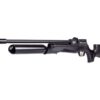
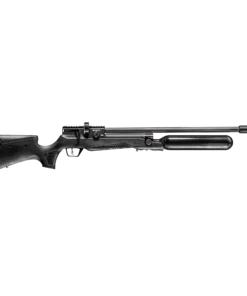
Benjamin Trail NP XL Air Rifle

€250.00
The Benjamin Trail NP XL is a full-size, hard-hitting breakbarrel powered by Crosman’s Nitro Piston gas ram — no spring fatigue, smoother cocking, and improved shot cycle over a traditional coiled spring. It’s available in three calibers and delivers serious velocity across the board.
Note: in .177″ this rifle can push lightweight pellets past the sound barrier (generally 1,060–1,115 fps depending on conditions), which will increase report significantly — stick to heavier pellets for quieter, more accurate shooting. The .25 Cal variant tops out at 900 fps (not 950 as some materials state).
- Calibers: 0.177″ (1500 fps), 0.22″ (1100 fps), 0.25″ (900 fps)
- Nitro Piston power plant: Gas ram for consistent, weather-resistant performance
- Breakbarrel design: Simple single-shot cocking and loading
- High-velocity .177″: Use heavier pellets to stay subsonic for best accuracy
- Versatile caliber lineup: Options for plinkers, target shooters, and hunters
A capable all-around springer for the shooter who wants gas-ram reliability — we can help match you to the right caliber for your use case.
| Caliber | 0.177″, 0.22″, 0.25″ |
|---|---|
| Brand | Benjamin |
Benjamin Trail NP XL Air Rifle: Magnum Nitro Piston Power, Precision, and Field-Ready Performance
Why Choose the Benjamin Trail NP XL?
The main reason to choose this rifle is independence from external charging equipment. A single cocking movement prepares the powerplant for the next shot, making the rifle convenient for farms, remote properties, outdoor ranges, and extended field sessions.
Unlike a conventional coiled spring, the gas piston stores energy through compressed gas. Therefore, less vibration is produced during discharge, lock time feels more controlled, and the rifle may remain cocked for a reasonable period without placing tension on a traditional mainspring. Benjamin also states that its break-barrel systems are quieter than comparable spring-powered designs while producing reduced recoil.
Buyers comparing benjamin air rifles, benjamin break, brake barrel bb gun, or benjamin air rifle 22 break barrel should note that this model fires pellets rather than ordinary steel BBs. The rifled bore was created for properly sized ammunition, so only the caliber marked on the rifle should be used.
How Powerful and Accurate Is It?
The .177 version suits buyers searching for cal .177 pellets, a high-powered 177 pellet gun, or a pellet rifle 1500 fps. Its lighter ammunition can produce a comparatively flat short-range trajectory, although wind may affect it more noticeably.
The .22 configuration offers a useful compromise between speed, projectile mass, retained energy, and ammunition availability. Therefore, customers researching a benjamin pellet gun 22 cal, benjamin 22 air rifle, or benjamibenjamin nitro piston 22 air rifle for hunting may find this caliber especially practical.
Meanwhile, the .25 option propels a heavier projectile at lower speed while producing approximately 30 foot-pounds of muzzle energy according to manufacturer information. The .177 and .22 versions are listed at approximately 25 and 28 foot-pounds respectively.
Accuracy depends on more than velocity. A compatible benjamin pellet, secure scope mounting, consistent hold, controlled breathing, correct trigger pressure, and a stable backstop all influence performance. Because magnum break-barrel rifles have a distinct firing cycle, shooters often achieve better groups after developing a repeatable grip and follow-through.
Where and When Should It Be Used?
The rifle is appropriate for authorized shooting ranges, lawful private-property practice, pest management, and permitted air guns for hunting applications. However, owners must confirm local rules involving caliber, energy, licensing, quarry species, transportation, and land access.
A secure backstop is essential because manufacturer documentation warns that the rifle can remain dangerous over a considerable distance. It is intended for adult use and should never be treated as a toy.
How Does It Compare with Other Benjamin Platforms?
The broader Benjamin lineup includes several distinct power systems. The benjamin prowler and benjamin vaporizer also use break-barrel technology, while the benjamin marauder, benjamin marauder pcp, benjamin marauder pcp air rifle, pcp benjamin marauder, and benjamin marauder .25 use refillable compressed-air reservoirs.
The tactical benjamin armada also belongs to the PCP category, while the compact benjamin marauder pistol provides a smaller multi-shot option. Buyers building an air rifle and air pistol collection may additionally compare the Trail with a benjamin air pistol or another benjamin pellet gun.
Searches such as pneumatic gun bb gun rifle can group several unrelated systems together. Likewise, co2 pellet guns use replaceable carbon-dioxide cartridges and should not be confused with gas-piston or PCP equipment.
Big-Bore Bullpup Alternatives
The Benjamin Bulldog Magnum Series Bullpup, benjamin bulldog, benjamin bulldog 457, benjamin bulldog 457 20 joules, and benjamin marauder air rifle bulldog 357 represent substantially different big-bore platforms. These rifles use high-pressure reservoirs and fire much larger projectiles for specialized lawful hunting applications.
Therefore, they are not direct alternatives to a single-shot break-barrel rifle. Their ammunition, energy, filling requirements, air consumption, intended quarry, and legal classification differ significantly.
Airbow and Arrow-Launching Alternatives
The benjamin airbow airgun, benjamin air bow, benjamin bow, benjamin airbow m600, and benjamin pioneer airbow use compressed air to launch arrows rather than pellets.
Search phrases such as air bows pellet rifle and arrow gun for deer hunting may combine different product categories, but an arrow-launching platform does not operate like a rifled pellet gun. Ammunition must never be improvised or interchanged between these systems.
Maintenance and Ownership Importance
After each session, the hardwood stock and exposed metal components should be wiped clean and dried before storage. Scope mounts should also be inspected because repeated magnum firing cycles may loosen improperly secured hardware.
Complex internal servicing should be completed by an authorized benjamin air rifle repair provider. Attempting to dismantle the powerplant without appropriate tools and training can damage the rifle and expose the user to stored mechanical energy.
Ultimately, the Benjamin Trail NP XL Air Rifle offers strong velocity, multiple caliber choices, an included optic, self-contained operation, and dependable Nitro Piston engineering. It is especially suitable for shooters who want substantial break-barrel performance without relying on pumps, cylinders, or disposable gas cartridges.
Advanced Engineering, Shooting Dynamics, and Real-World Performance
Modern Gas Piston Technology
The foundation of this rifle’s performance lies in its advanced gas piston power system. Unlike conventional spring-powered mechanisms that rely on a tightly wound steel spring, this design stores energy inside a sealed gas cylinder. When the trigger is pressed, the compressed gas drives the piston forward with a smooth and controlled motion.
This engineering approach offers several practical advantages. Reduced internal vibration helps maintain stability during the firing cycle, while smoother movement allows the shooter to remain focused on proper sight alignment. The quieter mechanical operation also contributes to a more comfortable shooting experience, particularly during extended practice sessions.
Another benefit is the ability to leave the rifle cocked for a reasonable period when necessary, something that places less stress on the powerplant than many traditional spring mechanisms.
Efficient Break-Barrel Design
The break-barrel mechanism remains one of the most dependable and straightforward operating systems available.
Preparing the rifle requires only a smooth downward movement of the barrel until the action locks into the cocked position. After loading a single projectile into the breech, the barrel is returned to its original position, completing the loading process.
This simple design eliminates the need for external air cylinders, compressors, or refillable reservoirs. As a result, the rifle remains fully self-contained and ready for use wherever lawful shooting activities are permitted.
The uncomplicated operating system also reduces preparation time while minimizing the amount of additional equipment required during outdoor excursions.
Consistent Power Delivery
Reliable power output plays an essential role in maintaining predictable accuracy.
Each firing cycle begins with the same stored energy, allowing projectiles to leave the barrel with impressive consistency when quality ammunition is used.
Although environmental conditions, projectile weight, and shooter technique still influence overall performance, stable power delivery reduces unnecessary variations between consecutive shots.
This consistency allows shooters to spend less time making sight corrections and more time refining their marksmanship.
Precision Barrel Construction
The barrel has been manufactured to support stable projectile flight throughout its entire length.
Internal rifling imparts controlled rotational spin that improves stability after the projectile exits the muzzle. Consistent rotation reduces unwanted deviation while helping maintain tighter shot groups at varying distances.
The protective muzzle assembly also contributes to a more refined shooting experience by moderating muzzle report while protecting the barrel during transportation and routine field use.
Proper barrel maintenance further preserves these characteristics throughout years of regular shooting.
Enhanced Shooting Comfort
Comfort influences shooting performance just as much as mechanical quality.
The stock has been shaped to provide a natural shoulder position while supporting stable cheek placement behind the optic. Textured gripping surfaces improve control during different weather conditions and reduce the likelihood of unwanted movement while aiming.
Balanced weight distribution also contributes to improved handling by reducing fatigue during longer shooting sessions.
The recoil pad helps absorb rearward movement, making repeated practice more comfortable while encouraging consistent shooting posture.
Optics and Target Acquisition
A properly installed optic significantly improves the overall shooting experience.
Selecting magnification appropriate for the intended distance allows the shooter to identify targets clearly while maintaining a comfortable field of view.
Once mounted securely, the optic should be carefully zeroed using a stable shooting position. Periodic inspection of mounting hardware ensures that vibration does not gradually loosen fasteners over time.
Maintaining consistent eye relief and head position behind the optic also contributes to repeatable accuracy.
Performance in Outdoor Conditions
Real-world shooting rarely occurs under perfect environmental conditions.
Wind, changing temperatures, humidity, uneven terrain, and varying light conditions all influence practical accuracy.
Durable construction allows the rifle to perform reliably across a broad range of outdoor environments when properly maintained.
Before each outing, a quick inspection should confirm that all controls operate correctly, visible fasteners remain secure, and the barrel is free from obstructions.
Good preparation reduces unexpected interruptions while increasing confidence throughout the shooting session.
Developing Better Accuracy
Mechanical precision provides an excellent starting point, but disciplined shooting habits ultimately determine long-term success.
A stable body position, controlled breathing, smooth trigger pressure, and proper follow-through should become consistent habits during every practice session.
Testing different projectile designs also helps identify the option that performs most consistently in the individual barrel.
Recording shooting distances, environmental conditions, and group sizes creates valuable reference data that supports continuous improvement over time.
Rather than chasing maximum velocity alone, experienced shooters focus on repeatable accuracy and predictable performance.
Practical Benefits of a Self-Contained Platform
A self-contained operating system offers several long-term advantages for both recreational and field use.
Without the need for compressors, high-pressure cylinders, or additional charging equipment, transportation becomes simpler and setup time is significantly reduced.
Routine operation remains straightforward, making the rifle convenient for spontaneous practice sessions or extended outings in remote locations.
This independence allows owners to spend more time shooting and less time preparing equipment.
Built for Long-Term Reliability
Reliable performance results from quality engineering combined with responsible ownership.
Routine cleaning, careful handling, proper storage, and regular inspections all contribute to preserving accuracy and mechanical integrity.
As familiarity with the rifle increases, operation becomes more natural, target acquisition becomes faster, and confidence continues to grow.
With consistent maintenance and disciplined practice, the rifle provides dependable performance, enjoyable handling, and lasting reliability throughout many years of recreational shooting, precision training, and lawful field applications.
Maintenance, Care, and Long-Term Reliability
Establishing a Proper Maintenance Routine
Consistent maintenance is one of the most effective ways to preserve performance, extend service life, and maintain dependable accuracy. Although the rifle has been engineered with durable materials and precision-machined components, routine care prevents unnecessary wear and ensures smooth operation throughout years of regular use.
After every shooting session, the exterior should be cleaned with a soft microfiber cloth to remove fingerprints, dust, moisture, and other surface contaminants. Metal components benefit from a light application of protective oil formulated specifically for sporting equipment. Any excess lubricant should be wiped away because excessive oil can collect dirt and create unnecessary buildup.
Developing a regular maintenance schedule also allows small issues to be detected before they become costly repairs.
Proper Barrel Care
The barrel remains one of the most important components affecting long-term accuracy.
Unlike powder-burning firearms, air-powered rifles generally leave very little residue inside the bore. Consequently, aggressive or frequent cleaning is usually unnecessary.
Cleaning should only be performed when group sizes begin to increase noticeably or after an extended period of regular use. Over-cleaning may temporarily reduce accuracy because a lightly seasoned bore often produces the most consistent results.
Only cleaning equipment intended for rifled airgun barrels should be used. Abrasive brushes, harsh chemicals, or improper cleaning rods may damage internal surfaces and reduce future performance.
After cleaning, several practice shots should be fired before evaluating accuracy again.
Caring for the Powerplant
The gas piston system has been designed to provide reliable operation while requiring relatively little routine maintenance.
Unlike traditional spring mechanisms, there is no large steel mainspring that gradually weakens through repeated compression. Nevertheless, internal components should never be disassembled without the proper knowledge, specialized tools, and appropriate safety procedures.
If unusual sounds, inconsistent performance, excessive vibration, or mechanical resistance become noticeable during operation, professional inspection should be arranged before further use.
Routine external care is normally sufficient for everyday ownership.
Stock and Exterior Protection
The stock should be protected from excessive moisture, prolonged direct sunlight, and sudden temperature changes that may gradually affect its appearance and structural integrity.
After use in damp weather, every exposed surface should be dried thoroughly before storage.
Minor scratches can often be minimized through appropriate maintenance products designed for sporting equipment, while deeper damage should be repaired promptly to prevent additional deterioration.
Metal finishes should also be inspected regularly for signs of corrosion or surface wear. Maintaining protective coatings helps preserve both appearance and long-term durability.
Safe Storage Practices
Correct storage conditions play a significant role in preserving mechanical reliability.
The rifle should always be stored unloaded in a secure location inaccessible to unauthorized individuals.
A cool, dry environment with stable humidity provides the best protection against corrosion, swelling of wooden components, and unnecessary seal deterioration.
Protective storage cases, lockable cabinets, or dedicated safes reduce the likelihood of accidental impacts while protecting the rifle from dust and environmental exposure.
If long-term storage is planned, periodic inspections should confirm that all components remain in excellent condition.
Preserving Accuracy Over Time
Mechanical precision remains only one part of achieving consistent results.
Ammunition should be stored carefully to prevent contamination or physical damage before use.
Optics should be inspected regularly to ensure mounting hardware remains secure and correctly aligned.
Environmental conditions such as wind, temperature, humidity, and lighting should always be considered during accuracy evaluation because they influence projectile flight to varying degrees.
Maintaining detailed shooting records helps identify the combinations of ammunition, distance, and weather conditions that consistently deliver the best performance.
Routine Equipment Inspection
Performing a brief inspection before every shooting session helps prevent unexpected interruptions.
Important inspection points include:
- Confirm that all visible fasteners remain properly tightened.
- Verify that the optic has not shifted from its previous zero.
- Inspect the barrel for dirt or obstructions.
- Ensure all moving controls operate smoothly.
- Check the trigger and safety for proper function.
- Examine the stock for visible cracks or looseness.
- Confirm the rifle is clean and ready for safe operation.
Completing this inspection requires only a few minutes but contributes significantly to dependable long-term performance.
Safe Handling During Maintenance
Every maintenance procedure should begin with a complete safety check.
The rifle must be confirmed unloaded before cleaning or inspection starts.
The muzzle should remain pointed in a safe direction throughout the entire maintenance process.
Protective eyewear is recommended whenever working with mechanical components that may contain stored energy.
Moving parts should never be forced beyond their intended operating range, and damaged components should always be repaired before returning the rifle to service.
Careful maintenance protects both the equipment and the user.
Developing Long-Term Shooting Skills
Equipment quality provides an excellent foundation, but disciplined practice ultimately determines shooting success.
Each training session should focus on specific objectives such as breathing control, body positioning, trigger discipline, sight alignment, or follow-through.
Benchrest practice allows mechanical accuracy to be evaluated with minimal shooter influence, while unsupported shooting develops balance, coordination, and practical field skills.
Reviewing targets after every session provides valuable feedback that helps identify recurring errors and encourages gradual improvement.
Over time, these small refinements become consistent habits that significantly enhance overall shooting performance.
Long-Term Ownership Benefits
A well-maintained air rifle offers dependable service for many years when supported by responsible ownership and routine care.
Regular cleaning, proper storage, careful handling, and periodic inspections preserve mechanical reliability while reducing unnecessary wear.
Owners who follow these maintenance practices often experience more consistent accuracy, lower repair costs, and greater confidence every time they use the rifle.
Combined with disciplined shooting techniques and continued skill development, proper maintenance ensures that the rifle remains a reliable companion for recreational shooting, precision practice, and lawful field applications well into the future.
Practical Applications, Ownership Experience, and Purchasing Considerations
Built for Everyday Use
A dependable air rifle should offer more than raw power. It should also provide predictable handling, straightforward operation, and lasting reliability across a wide variety of shooting situations. A well-balanced platform allows users to transition comfortably between recreational practice, precision marksmanship, and lawful field use without requiring extensive adjustments or specialized equipment.
Its self-contained design makes it particularly appealing for shooters who prefer simplicity. Since no external charging devices or additional power sources are required, preparation remains quick and uncomplicated. This convenience encourages more frequent practice while reducing the amount of gear that must be transported.
For many owners, this practical approach becomes one of the rifle’s greatest long-term advantages.
Ideal for Skill Development
Every shooting session presents an opportunity to improve technique.
New shooters can focus on mastering essential fundamentals such as safe handling, body position, sight alignment, breathing control, trigger management, and follow-through. As these skills improve, confidence naturally increases.
Experienced shooters benefit from consistent practice that reinforces precision under varying environmental conditions and shooting positions.
Rather than relying solely on equipment upgrades, gradual improvement through disciplined training often produces the most noticeable gains in accuracy and overall shooting performance.
Choosing the Right Shooting Environment
Selecting an appropriate location contributes significantly to both safety and enjoyment.
Dedicated shooting ranges provide controlled environments with clearly defined firing lines and professionally designed backstops.
Private property may also be suitable where local regulations permit and where sufficient space exists to ensure safe projectile containment.
Regardless of location, shooters should always verify that no people, animals, buildings, vehicles, or valuable property are located beyond the intended target area.
Responsible site selection remains one of the most important aspects of safe shooting.
Understanding Real-World Accuracy
Accuracy extends beyond factory specifications.
Environmental factors such as wind speed, lighting conditions, humidity, temperature, and shooting position all influence projectile flight.
Likewise, individual shooting technique plays a substantial role in determining final group size.
Maintaining a relaxed posture, applying smooth trigger pressure, and following through after each shot contribute to more consistent results than attempting to fire quickly.
Patience and repetition remain essential components of precision marksmanship.
Building Consistency Through Practice
Consistent routines produce measurable improvement over time.
Each practice session should begin with clearly defined goals rather than simply firing large numbers of shots.
Examples include:
- Improving breathing control.
- Refining trigger discipline.
- Practicing unsupported shooting positions.
- Evaluating different projectile weights.
- Confirming optic adjustments.
- Measuring group size at various distances.
- Recording environmental conditions.
- Reviewing previous performance.
Maintaining a shooting journal helps track progress while identifying techniques that consistently produce the best results.
Preparing Before Every Session
Proper preparation minimizes interruptions and supports dependable performance.
Before beginning any shooting activity, several basic checks should become routine:
- Inspect the barrel to ensure it is unobstructed.
- Verify that all fasteners remain securely tightened.
- Confirm that the optic has maintained its zero.
- Ensure all controls operate smoothly.
- Check that the stock is free from visible damage.
- Examine the trigger and safety mechanism.
- Confirm that the rifle is clean and ready for operation.
Completing this inspection requires very little time while significantly improving reliability.
Responsible Ownership
Owning any precision shooting equipment carries important responsibilities.
Safe storage should always prevent unauthorized access.
The rifle should remain unloaded whenever it is not actively being used, and transportation should comply with all applicable local regulations.
Every shooter should become familiar with the laws governing transportation, permissible shooting locations, hunting seasons where applicable, and any licensing requirements within their jurisdiction.
Responsible ownership protects both the individual shooter and the wider shooting community.
Long-Term Value
Quality equipment represents a long-term investment rather than a short-term purchase.
Routine maintenance, careful handling, and proper storage preserve both appearance and mechanical performance throughout many years of ownership.
Periodic inspections also reduce the likelihood of unexpected repairs by identifying minor issues before they develop into more significant problems.
With consistent care, the rifle continues to deliver dependable operation while maintaining its overall shooting characteristics.
Is This the Right Choice?
For shooters seeking a reliable platform that combines straightforward operation with strong field performance, this rifle offers an excellent balance of practicality, durability, and precision.
Its uncomplicated loading system, solid construction, and consistent shooting characteristics make it suitable for recreational practice, marksmanship development, and lawful hunting applications where permitted by law.
Whether the goal is improving shooting skills, enjoying regular target sessions, or investing in dependable equipment for long-term ownership, the rifle provides a rewarding experience that continues to perform with proper care and responsible use.
Final Thoughts
A successful shooting experience depends on far more than equipment alone. Proper maintenance, disciplined practice, responsible ownership, and continued skill development all contribute to consistent performance over time.
By combining thoughtful engineering with careful handling and regular practice, owners can enjoy years of reliable service while steadily improving their marksmanship. The result is a dependable air rifle that delivers confidence, precision, and lasting value every time it is taken into the field or onto the range.
Be the first to review “Benjamin Trail NP XL Air Rifle”
Related products


Benjamin


Benjamin

Reviews
There are no reviews yet.