





Benjamin Marauder Semi-Automatic Air Rifle .22

€600.00
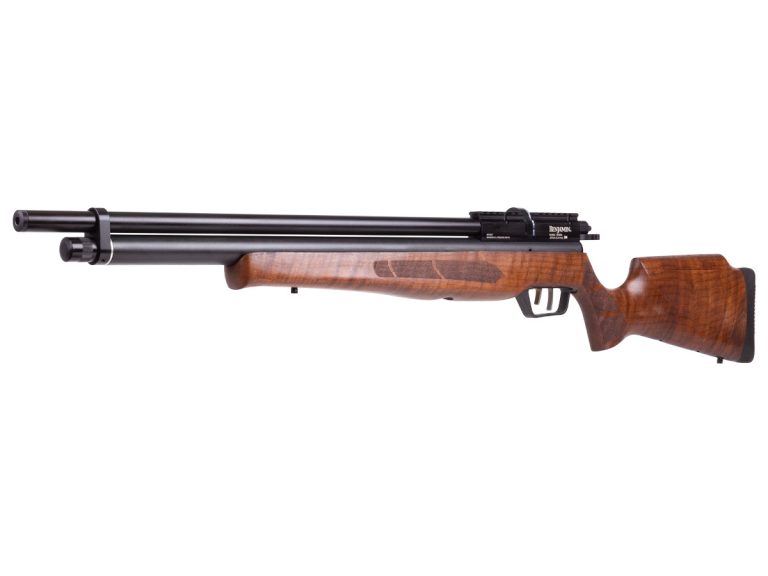
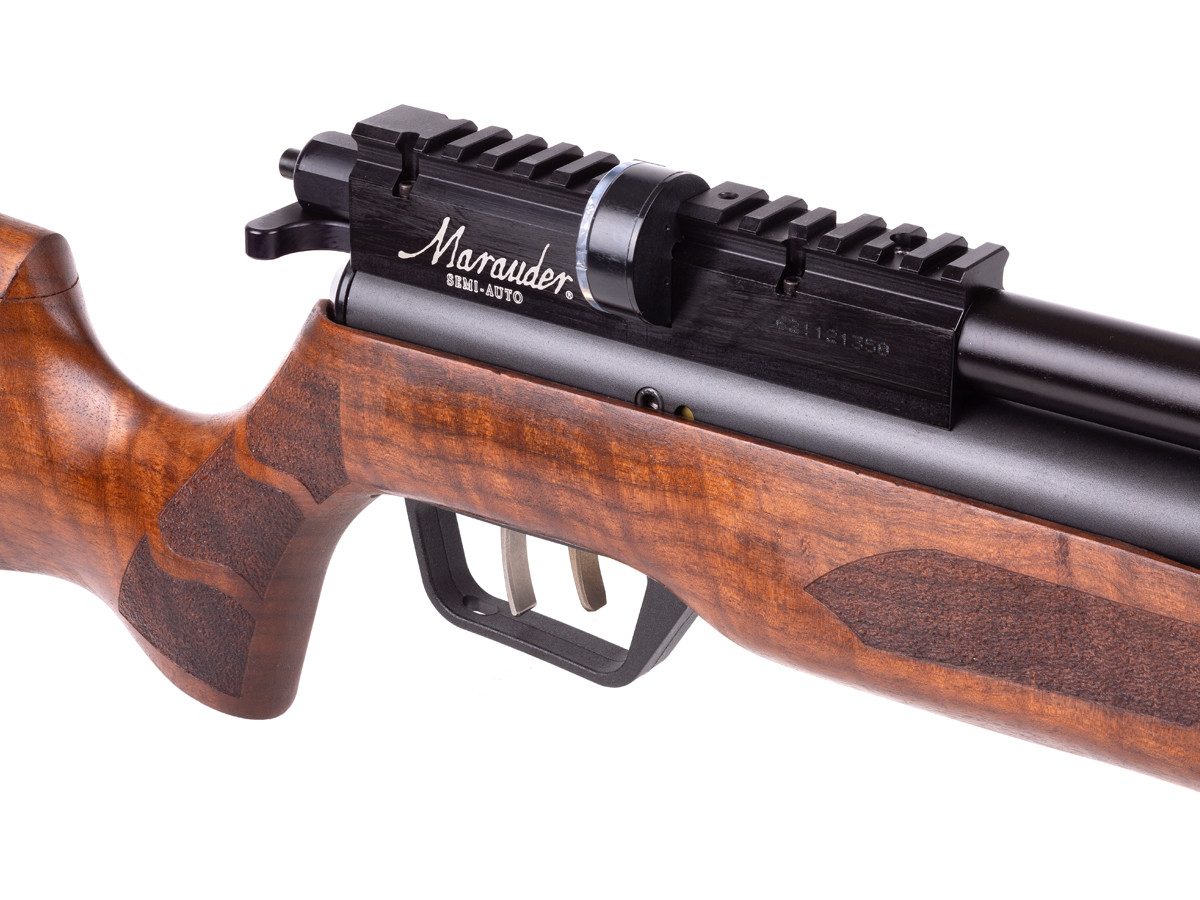
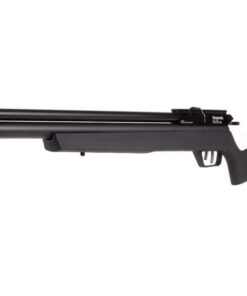
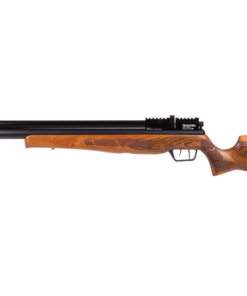
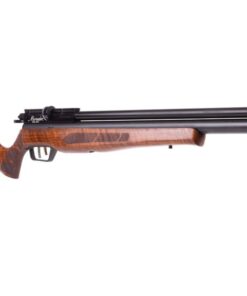
Benjamin Marauder Semi-Auto PCP Air Rifle, Wood Stock
- SAM: Semi-Automatic Marauder
- Regulated, pre-charged pneumatic
- 206 BAR / 3,000 PSI fill pressure.
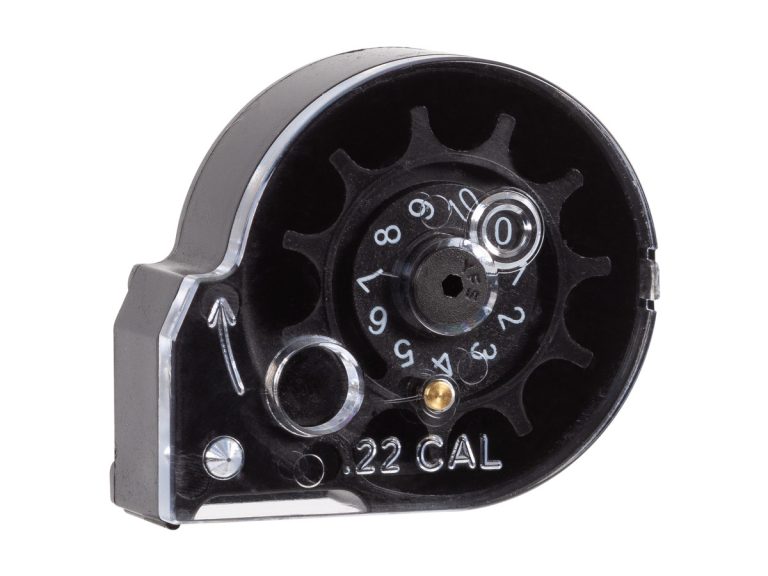
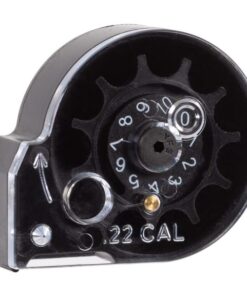
- 10-round magazine.
- 2-stage adjustable trigger.
- Hardwood stock with synthetic adjustable comb
- Ambidextrous charging handle
- Integral manometer
- Male quick-disconnect Foster fitting
- Includes one magazine
- Picatinny optics rail
- Forward assist clears misloads and jams
Weight 3.265865064 lbs Brand Benjamin Caliber .177, .22, .25 Stock Synthetic, Wood
Benjamin Marauder Semi-Automatic Air Rifle .22: Regulated PCP Precision with Rapid Follow-Up Performance
Why Choose the Semi-Automatic Marauder?
The primary reason to choose this model is its combination of rapid operation and controlled PCP performance. Unlike a benjamin break, brake barrel bb gun, or benjamin air rifle 22 break barrel, the barrel does not need to be moved before each shot. Consequently, the relationship between the optic, receiver, and barrel remains fixed.
The regulated air system also helps maintain more consistent pressure across the useful portion of each fill. As a result, velocity variation can be reduced, trajectories become easier to predict, and sight adjustments can be evaluated more accurately.
Benjamin states that the platform can produce up to approximately 60 shots from a 3,000 PSI fill under suitable conditions. However, actual shot count depends on pressure settings, pellet weight, temperature, adjustments, and the performance standard used by the shooter.
How Accurate and Powerful Is It?
The rifled, choked barrel helps stabilize each benjamin pellet before it leaves the muzzle. Meanwhile, the surrounding shroud reduces the report and protects the barrel assembly. Minimal recoil also allows the shooter to observe the target more easily through a mounted optic.
Although some buyers search for a pellet rifle 1500 fps, velocity alone does not determine useful performance. Projectile quality, barrel compatibility, weight, pressure consistency, optic installation, trigger technique, wind, and distance all affect precision.
The .22-caliber chambering offers a practical balance between velocity, retained energy, trajectory, and resistance to light wind. Therefore, shoppers researching a benjamin pellet gun 22 cal, benjamin 22 air rifle, or pneumatic gun bb gun rifle should understand that this model is a pellet-firing PCP platform rather than a conventional steel-BB rifle.
Where and When Should It Be Used?
This rifle is suitable for authorized ranges, lawful private shooting areas, recreational target practice, pest control, and permitted small-game applications. For air guns for hunting, users must confirm local restrictions involving caliber, power, licensing, land access, quarry species, sound suppression, and safe transportation.
A secure backstop must always be positioned behind the target. Additionally, the rifle should never be discharged toward water, hard surfaces, roads, occupied buildings, or any area where the complete shooting path cannot be identified.
Comparison with Other Benjamin Airguns
The wider family of benjamin air rifles includes break-barrel, PCP, pistol, bullpup, and arrow-launching systems. The conventional benjamin marauder, benjamin marauder pcp, benjamin marauder pcp air rifle, and pcp benjamin marauder are known for quiet multi-shot precision. However, many traditional versions require manual bolt operation.
The benjamin marauder .25 fires a heavier projectile and offers different energy characteristics, whereas cal .177 pellets and a typical 177 pellet gun emphasize economical target practice and flatter short-range trajectories. The compact benjamin marauder pistol provides another PCP option, using an eight-shot .22-caliber magazine and an included shoulder stock.
The tactical benjamin armada shares PCP technology but uses a different chassis and operating format. Meanwhile, the benjamin prowler and benjamin vaporizer use self-contained break-barrel powerplants. Searches such as benjamibenjamin nitro piston 22 air rifle for hunting therefore describe a different firing cycle and ownership experience.
Customers building an air rifle and air pistol collection may also compare a full-sized rifle with a benjamin air pistol or another benjamin pellet gun. Intended range, shot capacity, filling equipment, weight, ammunition expense, and legal requirements should guide the final decision.
Big-Bore Bullpup Alternatives
The Benjamin Bulldog Magnum Series Bullpup, benjamin bulldog, benjamin bulldog 457, benjamin bulldog 457 20 joules, and benjamin marauder air rifle bulldog 357 belong to the large-bore category. These compact bullpup rifles fire substantially heavier ammunition and are intended for more specialized lawful hunting applications.
They should not be treated as direct alternatives to the semi-automatic .22 platform. Projectile diameter, energy, ammunition cost, effective range, air consumption, and intended quarry differ significantly.
Airbow and Arrow-Launching Platforms
The benjamin airbow airgun, benjamin air bow, benjamin bow, benjamin airbow m600, and benjamin pioneer airbow use compressed air to launch arrows rather than pellets. Therefore, search phrases such as air bows pellet rifle and arrow gun for deer hunting combine products with different ammunition, handling procedures, trajectories, and legal classifications.
Maintenance and Ownership Considerations
Only clean, dry high-pressure air should be introduced into the reservoir. The maximum recommended fill pressure must never be exceeded, and the pressure gauge should be checked throughout every shooting session.
Complex internal maintenance should be completed through an authorized benjamin air rifle repair service because the reservoir and action contain high-pressure components.
Ultimately, the Benjamin Marauder Semi-Automatic Air Rifle .22 provides a compelling blend of regulated consistency, 10-shot capacity, low recoil, reduced report, adaptable ergonomics, and quick follow-up capability. It is an excellent choice for responsible shooters who want the familiar precision of the Marauder family with a faster and more fluid operating system.
Engineering Design, Shooting Performance, and Practical Advantages
A Modern Semi-Automatic Operating System
One of the most impressive aspects of this rifle is its semi-automatic operating system. Once the magazine has been loaded and the air reservoir properly filled, each pull of the trigger automatically chambers the next projectile without requiring manual cycling. This continuous operation allows shooters to remain focused on the target while maintaining a stable shooting position.
The ability to fire consecutive shots without changing grip or body position improves efficiency during target practice and can be particularly valuable when engaging multiple targets. It also minimizes interruptions throughout a shooting session, creating a smoother and more enjoyable experience.
Because fewer movements occur between shots, sight alignment remains more consistent, allowing the shooter to concentrate on accuracy rather than repeatedly resetting their position.
Regulated Air Delivery for Greater Consistency
The internal regulator plays an important role in maintaining reliable performance throughout each fill of the air reservoir.
Rather than allowing pressure to fluctuate significantly after every shot, the regulator meters a consistent volume of compressed air into the firing chamber. This controlled delivery helps reduce velocity variations and contributes to predictable projectile flight.
Consistent velocity is especially beneficial for precision shooting because it minimizes vertical point-of-impact changes at longer distances. Instead of making frequent optic adjustments, shooters can focus on refining their shooting technique.
Stable air delivery also improves confidence by producing repeatable results over extended shooting sessions.
Smooth Shooting Characteristics
The firing cycle has been engineered to minimize unnecessary movement during discharge.
Since the rifle operates using compressed air rather than heavy spring mechanisms, felt recoil remains extremely light. Reduced recoil allows shooters to stay on target more effectively while observing projectile impact through the optic.
Lower vibration also decreases shooter fatigue during prolonged practice sessions.
These characteristics create a comfortable shooting experience that benefits both experienced marksmen and individuals who are still developing their skills.
Precision Barrel Construction
The barrel has been designed to provide excellent projectile stability from chamber to muzzle.
Precision rifling imparts consistent rotational spin, helping maintain stability throughout flight. This rotational stability improves overall accuracy while reducing unnecessary projectile deviation.
The protective outer shroud serves multiple purposes by helping reduce shooting noise, protecting the barrel from minor impacts, and contributing to the rifle’s refined appearance.
When combined with proper maintenance and quality ammunition, the barrel provides dependable long-term precision across a wide range of shooting distances.
Magazine Efficiency
A rotary magazine simplifies the loading process while allowing multiple shots to be fired before reloading becomes necessary.
The magazine should always be loaded carefully according to the manufacturer’s recommendations to ensure reliable feeding and prevent damage to individual projectiles.
Keeping magazines clean also contributes to dependable cycling. Dirt, damaged ammunition, or improper loading techniques may interfere with reliable operation.
Having additional magazines available can further reduce interruptions during longer practice sessions.
Ergonomic Design for Shooter Comfort
Comfort significantly influences shooting consistency.
The stock has been designed to provide natural shoulder placement, stable cheek support, and comfortable hand positioning during extended use.
Balanced weight distribution improves handling while reducing fatigue during prolonged shooting sessions or field applications.
Controls remain easily accessible, allowing shooters to operate the safety, charging system, and magazine efficiently without unnecessary movement.
These ergonomic features contribute to faster target acquisition while maintaining overall shooting comfort.
Optical Performance
A quality optic allows the rifle’s mechanical accuracy to be fully utilized.
Selecting an appropriate magnification depends upon the intended shooting distance and application. Lower magnification generally offers faster target acquisition, while higher magnification provides greater precision during longer-range shooting.
Once mounted securely, the optic should be carefully zeroed before evaluating overall accuracy.
Periodic inspection of mounting hardware helps prevent small shifts that may affect point of impact over time.
Maintaining consistent eye position behind the optic further improves repeatability throughout every shooting session.
Practical Field Performance
Outdoor environments introduce variables that challenge both equipment and shooter.
Wind, lighting, humidity, temperature, and terrain all influence projectile flight to varying degrees.
The durable construction of the rifle allows dependable operation under a wide variety of weather conditions when maintained correctly.
Routine inspections before each outing ensure that all controls function smoothly and that no visible damage has occurred during transportation or previous use.
Proper preparation helps maintain confidence regardless of the shooting environment.
Improving Long-Term Accuracy
Mechanical precision alone cannot guarantee outstanding results.
Consistent breathing, smooth trigger control, proper follow-through, and stable shooting positions remain essential for achieving tight groupings.
Testing different projectile weights and designs also helps determine which option performs best in the individual barrel.
Keeping detailed notes regarding ammunition, environmental conditions, shooting distances, and group sizes allows shooters to identify the combinations that consistently deliver the best performance.
Over time, this information becomes an invaluable reference for future practice sessions.
Built for Reliable Performance
Every aspect of the rifle has been developed to support dependable long-term operation.
Quality materials, careful engineering, and efficient internal design contribute to reliable performance throughout years of regular use.
Routine maintenance, proper storage, and disciplined shooting habits further enhance durability while reducing unnecessary wear.
Owners who invest time in understanding both the equipment and proper shooting techniques often experience greater confidence, improved consistency, and a more rewarding shooting experience with every session.
Maintenance, Reliability, and Long-Term Ownership
Proper Maintenance Preserves Performance
Routine maintenance is one of the most effective ways to ensure consistent accuracy and dependable operation throughout the rifle’s service life. Even though modern pneumatic systems are engineered for durability, regular care helps prevent unnecessary wear while maintaining smooth mechanical performance.
After every shooting session, the exterior should be wiped with a clean microfiber cloth to remove fingerprints, dust, moisture, and other contaminants. Metal components benefit from a light application of protective oil specifically formulated for sporting equipment. Any excess lubricant should be removed because it can attract dirt and debris over time.
Establishing a consistent maintenance routine not only extends the life of the rifle but also allows small issues to be identified before they become more significant.
Caring for the Barrel
A properly maintained barrel plays a major role in preserving long-term accuracy.
Unlike powder-burning firearms, air-powered rifles produce minimal fouling, meaning aggressive cleaning is generally unnecessary. Cleaning should be performed only when noticeable changes in accuracy occur or after prolonged use.
Non-abrasive cleaning tools designed specifically for rifled barrels should always be used. Harsh brushes, steel rods without protection, or aggressive solvents may damage internal surfaces and reduce future performance.
After cleaning, firing several practice shots often helps restore the barrel to its most consistent condition before formal accuracy testing begins.
Maintaining the High-Pressure Air System
The compressed-air system requires careful handling to ensure reliable operation and long service life.
Only clean, dry compressed air from dependable filling equipment should be introduced into the reservoir. Moisture entering the system may gradually contribute to internal corrosion or premature seal wear.
Filling should be performed slowly, allowing pressure to stabilize naturally while minimizing unnecessary stress on internal components.
The maximum recommended fill pressure should never be exceeded. Proper filling practices help preserve efficiency while maintaining safe operation.
Regular inspection of the fill connection and pressure gauge also contributes to dependable long-term performance.
Protecting Internal Seals
Every pressurized system depends on high-quality seals to contain compressed air efficiently.
Over time, repeated filling and firing cycles naturally cause gradual wear. Periodic inspection helps identify early signs of deterioration before significant performance loss occurs.
Common indicators of seal wear include slow pressure loss during storage, inconsistent velocity, or audible air leakage.
Replacing worn seals promptly helps restore efficiency while preventing unnecessary strain on surrounding components.
Whenever internal servicing becomes necessary, qualified technicians should perform the work using appropriate replacement parts and specialized tools.
Proper Storage Practices
Correct storage significantly influences the long-term condition of precision shooting equipment.
The rifle should always be stored unloaded in a secure location that is inaccessible to unauthorized individuals.
A cool, dry environment provides the best protection against corrosion, excessive humidity, and material deterioration.
Protective cases, lockable cabinets, or dedicated safes help prevent accidental impacts while minimizing exposure to dust and moisture.
If the rifle will remain unused for an extended period, periodic inspections should be performed to verify that all components remain in excellent condition.
Maintaining Peak Accuracy
Consistent accuracy depends on both mechanical condition and disciplined shooting habits.
High-quality ammunition should be stored properly to prevent contamination or physical damage.
Optics should remain securely mounted, and all visible fasteners should be inspected regularly to ensure they remain properly tightened.
Environmental conditions such as wind, lighting, temperature, and humidity should also be considered whenever evaluating accuracy.
Recording shooting data—including distances, weather conditions, ammunition used, and group sizes—provides valuable information for future practice and equipment evaluation.
Accessory Care
Supporting equipment deserves the same level of attention as the rifle itself.
Optics should be kept clean using appropriate lens cloths and cleaning solutions designed for optical surfaces.
Protective cases should remain dry and free from debris that could scratch finished surfaces during transportation.
Slings, bipods, and other accessories should be inspected periodically to confirm secure attachment and reliable operation.
Well-maintained accessories contribute to a safer, more enjoyable shooting experience while reducing the likelihood of unexpected equipment issues.
Safe Handling During Maintenance
Every maintenance procedure should begin with a complete safety check.
The rifle should be confirmed unloaded before cleaning or inspection begins.
The muzzle must remain pointed in a safe direction throughout the maintenance process.
Protective eyewear is recommended whenever working around pressurized components or mechanical assemblies.
Moving parts should never be forced beyond their intended operating range, and damaged components should be repaired before further use.
Careful attention to these procedures protects both the equipment and the user.
Building Long-Term Shooting Skills
Equipment quality provides an excellent foundation, but consistent practice ultimately determines shooting success.
Each training session should focus on specific skills such as breathing control, trigger discipline, sight alignment, body positioning, or follow-through.
Short, structured practice sessions often produce greater long-term improvement than extended sessions without defined objectives.
Reviewing targets after each session helps identify recurring patterns that reveal strengths as well as areas requiring additional attention.
Gradual improvement through disciplined repetition builds confidence while reinforcing proper shooting habits.
Long-Term Value and Dependability
A well-maintained pneumatic rifle offers years of dependable service when operated responsibly and cared for properly.
Routine maintenance, careful storage, regular inspections, and quality accessories all contribute to preserving accuracy and mechanical reliability.
Owners who invest time in preventive care often experience fewer maintenance issues, lower long-term operating costs, and more consistent shooting performance.
With responsible ownership and ongoing attention to detail, the rifle remains a dependable companion for recreational target shooting, precision practice, and lawful field applications throughout many years of regular use.
Practical Applications, Accuracy Optimization, and Buying Considerations
Designed for Versatility
A high-quality pneumatic rifle should perform consistently across a variety of shooting activities. Whether the objective is recreational target practice, precision marksmanship training, organized competition, pest management where legally permitted, or lawful small-game hunting, dependable performance allows the shooter to approach each session with confidence.
Its balanced combination of power, accuracy, and ease of operation makes it suitable for individuals with different experience levels. Beginners can develop proper shooting fundamentals, while experienced shooters can appreciate the platform’s precision and consistency during demanding applications.
This versatility allows the rifle to remain useful as shooting skills continue to improve over time.
Maximizing Practical Accuracy
Mechanical precision provides only part of the overall equation. Consistent results require careful attention to shooting technique, equipment setup, and environmental conditions.
Before each session, the optic should be checked to confirm that it remains securely mounted and properly zeroed. Small changes in mounting alignment can noticeably influence point of impact.
Maintaining the same cheek position, shoulder placement, and grip pressure for every shot also contributes to repeatable accuracy.
Trigger pressure should be applied gradually while maintaining a steady sight picture. After the shot breaks, proper follow-through helps prevent unnecessary movement before the projectile exits the barrel.
Developing these habits creates greater consistency regardless of shooting distance.
Selecting Appropriate Shooting Distances
Effective practice involves gradually increasing difficulty rather than immediately attempting the longest possible shots.
Short-distance sessions allow shooters to confirm equipment setup while refining breathing, trigger control, and body position.
Intermediate distances introduce additional challenges involving projectile trajectory and environmental influences.
Long-range shooting requires careful evaluation of wind conditions, distance estimation, and precise aiming adjustments.
Progressing systematically through these stages develops confidence while strengthening overall shooting ability.
Understanding Environmental Conditions
Outdoor shooting environments constantly change throughout the day.
Wind remains one of the most significant factors affecting projectile flight. Even relatively light crosswinds may alter point of impact, particularly at greater distances.
Temperature, humidity, atmospheric pressure, and lighting conditions also influence performance to varying degrees.
Learning to observe grass movement, tree branches, dust, or lightweight wind indicators helps shooters estimate wind direction before firing.
Successful marksmen adapt to changing conditions rather than relying solely on equipment adjustments.
Developing Consistent Shooting Habits
Consistent practice produces lasting improvements.
Each session should begin with clearly defined objectives. One practice period may emphasize breathing control, while another focuses on unsupported shooting positions or improving trigger discipline.
Recording shooting results allows gradual progress to be measured objectively.
Useful information to document includes:
- Shooting distance
- Weather conditions
- Group size
- Equipment settings
- Ammunition used
- Personal observations
- Areas requiring improvement
- Sight adjustments
Reviewing these records over time often reveals patterns that guide future training.
Equipment Inspection Before Shooting
A brief inspection before every shooting session helps ensure dependable operation.
Several items deserve particular attention:
- Confirm that all visible fasteners remain tight.
- Verify that the optic has not shifted.
- Check the barrel for visible obstructions.
- Ensure moving controls operate smoothly.
- Inspect the stock for cracks or looseness.
- Confirm proper operation of the trigger and safety.
- Verify that the rifle is clean and ready for use.
Completing this routine requires only a few minutes but significantly reduces the likelihood of unexpected issues during use.
Responsible Field Practices
Safe and responsible shooting extends beyond technical skill.
Every target should have a secure backstop capable of safely stopping the projectile. Surrounding areas should always be examined carefully before firing.
Permission should be obtained before shooting on private property, and all applicable local regulations regarding transportation, storage, and lawful use should be followed.
Ethical shooting practices include understanding personal limitations, avoiding uncertain shots, respecting wildlife, and protecting surrounding property.
Responsible ownership benefits both individual shooters and the broader shooting community.
Building Long-Term Confidence
Confidence develops through experience, preparation, and disciplined practice.
As familiarity with the rifle increases, handling becomes more natural, target acquisition becomes faster, and shooting movements become increasingly consistent.
Regular practice under different environmental conditions broadens experience while improving decision-making during real-world situations.
Rather than pursuing perfection immediately, steady improvement through repetition provides lasting results and greater satisfaction.
Long-Term Value
A dependable air rifle represents an investment in years of recreational enjoyment and practical field use.
Quality construction, careful maintenance, disciplined shooting habits, and responsible ownership all contribute to preserving long-term performance.
Routine cleaning, proper storage, regular inspections, and continuous skill development allow the rifle to remain reliable throughout thousands of shooting sessions.
When these practices become part of normal ownership, the result is a shooting platform that continues to deliver consistent accuracy, dependable operation, and rewarding performance for many years co2 pellet guns.
Be the first to review “Benjamin Marauder Semi-Automatic Air Rifle .22”
Related products



Benjamin


Benjamin


Reviews
There are no reviews yet.