
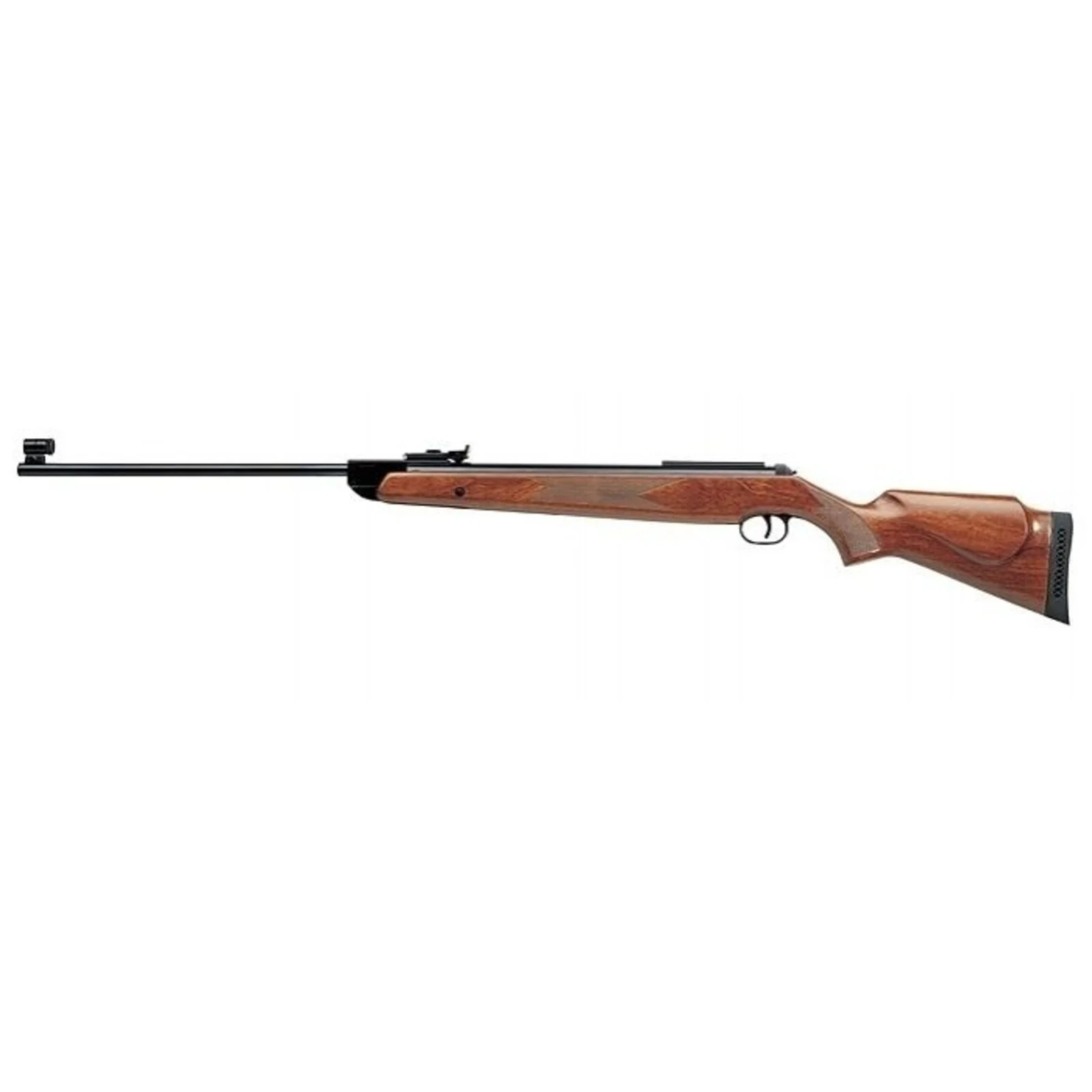
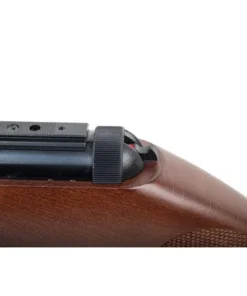
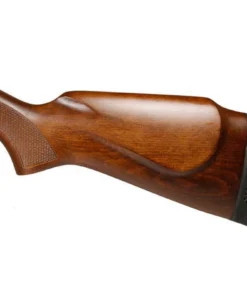
Diana 350 Magnum Premium 5.5mm break barrel airgun
€350.00
| Power source: | Spring piston |
| Caliber: | 5.5mm (.22) |
| Muzzle energy: | 30 joules |
| Magazine: | Single shot |
| Operating system: | Break barrel |
| Trigger: | T06 Match trigger |
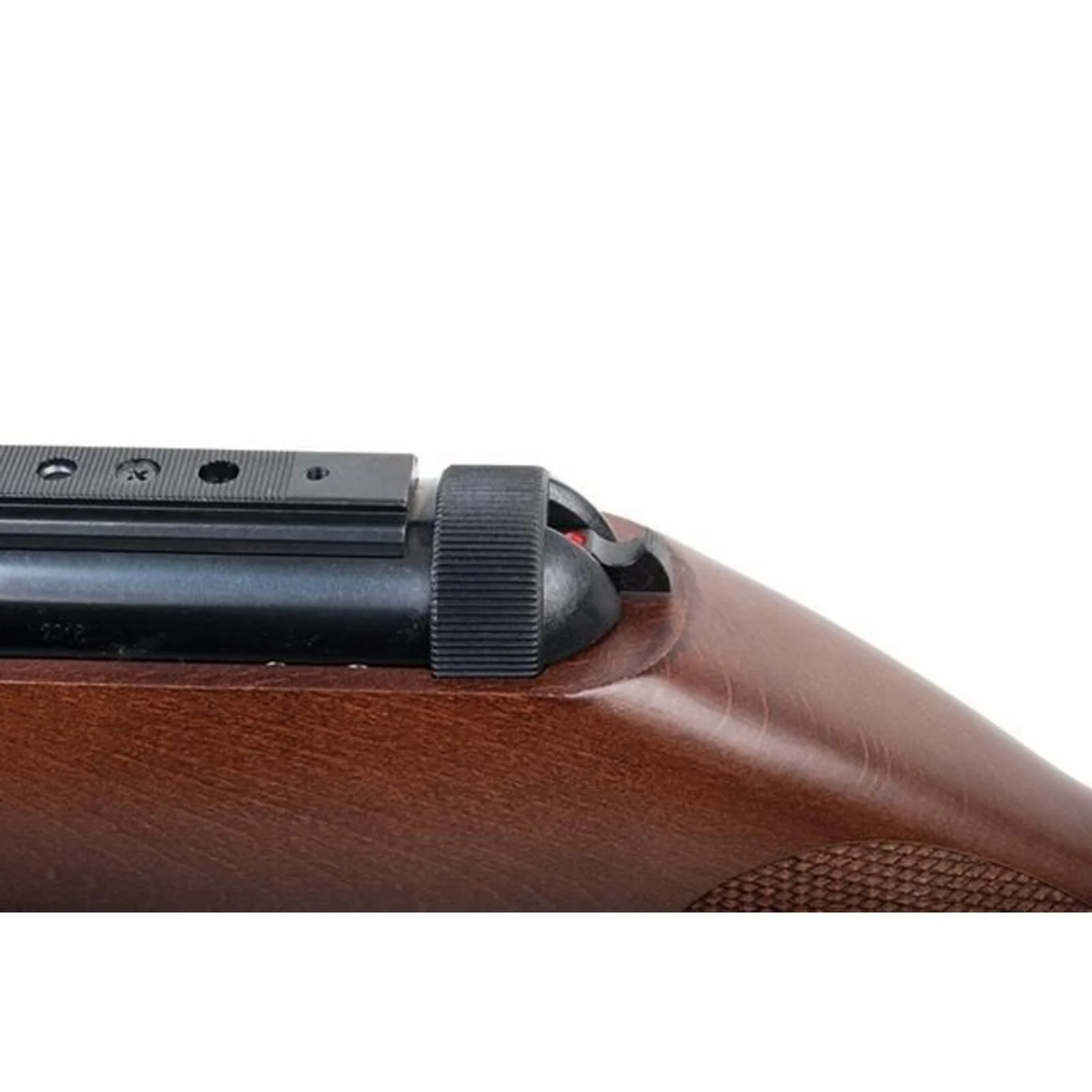
| Optics mounting: | 11mm dovetail |
| Barrel length: | 495mm |
| Total length: | 1230mm |
| Weight: | 3800 grams |
| Muzzle: | Not threaded |
| Extra: | |
| Accessories: |
Diana 350 Magnum Premium 5.5mm (.22) Break Barrel Airgun – German Engineering, Premium Wooden Stock and Precision Manufacturing
Diana 350 Magnum Premium 5.5mm – Product Description, German Engineering, Precision Construction and Technical Features
1.1 Introduction: Discover the Diana 350 Magnum Premium 5.5mm
The Diana 350 Magnum Premium 5.5mm break barrel airgun represents a distinctive combination of traditional German engineering, precision manufacturing, and premium wooden-stock craftsmanship.
Developed within the established diana air rifle family, this model incorporates a spring-piston operating system, rifled steel barrel, adjustable T06 trigger, and elegant Monte Carlo stock.
Furthermore, its traditional mechanical construction distinguishes it from pneumatic equipment requiring external compressed-air reservoirs.
The diana 350 magnum belongs to the manufacturer’s established range of spring-operated sporting equipment.
Its full-length construction, checkered wooden surfaces, and carefully manufactured mechanical assemblies contribute to its recognizable appearance.
Consequently, the model reflects Diana’s continuing emphasis on traditional engineering and contemporary production standards.
1.2 Diana Airguns: German Manufacturing Heritage and Mechanical Innovation
Diana has an extensive manufacturing heritage dating back to 1890.
Common product searches include air rifle diana, diana air rifles, rws diana air rifle, and diana pellet gun.
Meanwhile, the manufacturer’s wider catalogue includes different sporting formats, such as the diana air pistol and lp8 diana.
Although these products share a manufacturer, their mechanical arrangements and specifications differ.
Furthermore, the company’s traditional spring-operated equipment demonstrates an established approach to self-contained pneumatic engineering.
The featured model continues this heritage through its precision-machined components and carefully developed wooden structure.
1.3 Diana 350 Magnum Premium: Technical Specifications and Factory Construction
The manufacturer’s published specifications identify the following technical characteristics:
- Calibre: 5.5mm (.22)
- Operating system: Spring-piston
- Action: Break-barrel, single-shot
- Barrel construction: Rifled steel
- Barrel length: 495mm
- Overall length: 1,230mm
- Weight: Approximately 3.9kg
- Published maximum muzzle energy: 32 joules, subject to regional configuration
- Published maximum velocity: 265m/s, measured under specified factory conditions
- Trigger: Adjustable T06
- Safety: Automatic mechanical safety
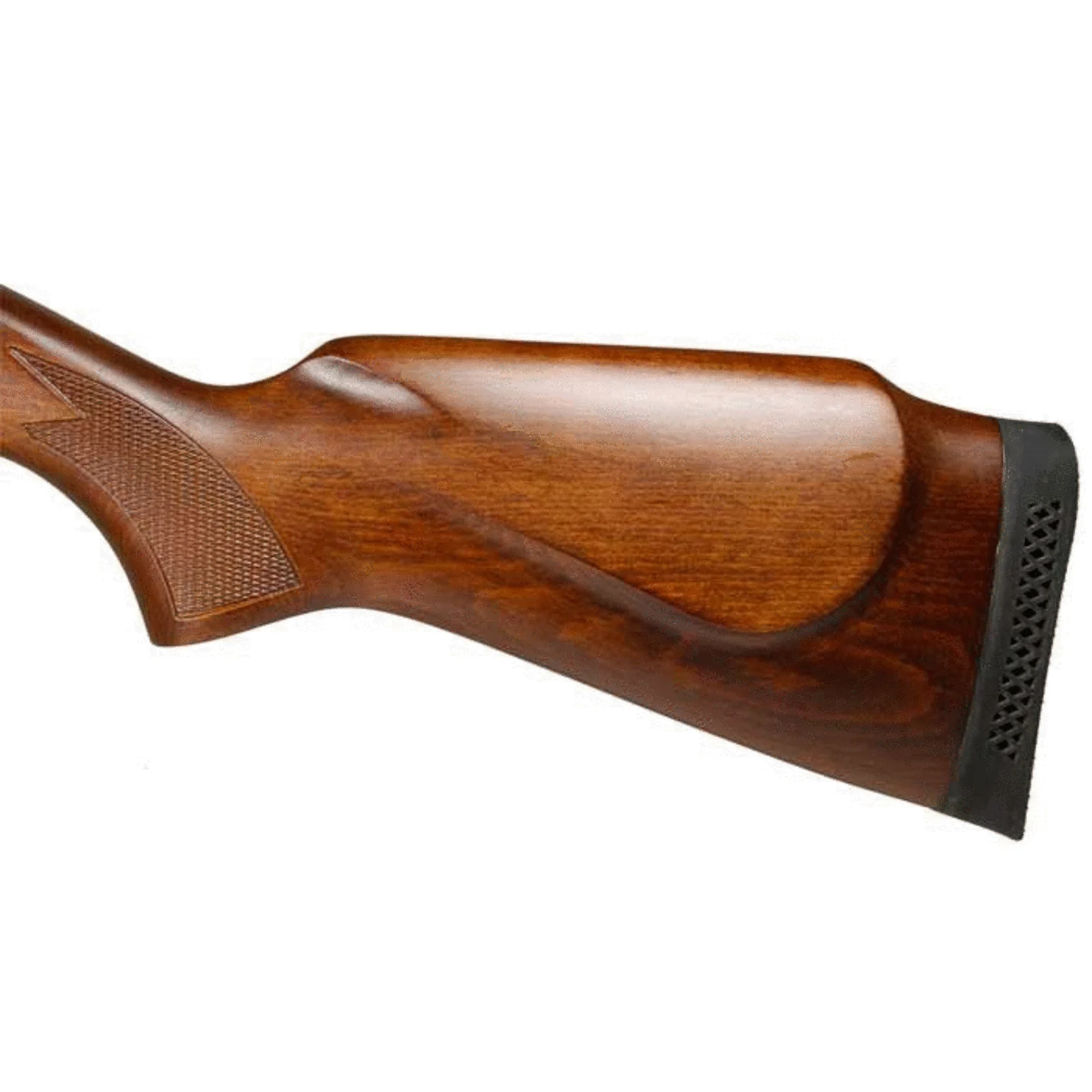
- Stock: Premium wooden Monte Carlo construction
- Stock finish: Checkered gripping surfaces
- Rear support: Ventilated buttplate
- Sights: Metallic sighting system with interchangeable front-sight element
- Optics interface: 11mm prism rail
These specifications describe the manufacturer’s documented configuration. However, regional energy limits and individual production versions may differ.
1.4 Premium Wooden Stock, Mechanical Construction and Engineering Quality
The premium wooden stock represents one of the model’s most recognizable design features.
Its Monte Carlo profile contributes to the traditional appearance, while the checkered surfaces demonstrate established stock-manufacturing craftsmanship.
Furthermore, the ventilated buttplate forms part of the overall structural arrangement.
The manufacturer combines these exterior elements with its spring-piston mechanical system.
However, attractive construction alone does not establish guaranteed accuracy.
Verified performance requires documented testing and identification of the relevant factory configuration.
1.5 Diana 34, Model 48, 250 and Other German Sporting Rifles
The wider catalogue includes diana 34, diana 34 air rifle, Diana 34 air rifle, diana r34, and diana 34 ems.
Additional searches involve diana 34 ems fiber optic sights, diana 48, diana mod 48, and diana rws 460 magnum.
Other related models include diana 350 magnum air rifle, diana two fifty, diana 250, diana 250 air rifle, and diana r22.
Meanwhile, diana chaser parts and diana chaser accessories concern a separate product family.
These distinctions matter because mechanical specifications and component compatibility vary across different models.
1.6 Understanding Spring-Piston Construction and Calibre Differences
Common industry expressions include Diana break barrel air rifle, Diana springer air rifle, Diana air rifle .177, and Diana air rifle .22.
The featured configuration uses the 5.5mm (.22) calibre rather than the 4.5mm alternative.
Additionally, searches such as Diana air rifle accuracy, Diana air rifle hunting, and Buy Diana air rifle reflect different research interests.
However, sporting eligibility and hunting regulations differ between jurisdictions.
Consequently, owners should verify the applicable legal classification and authorized activities.
1.7 AGT Uragan and Alternative Pneumatic Engineering
The broader industry includes AGT Uragan, AGT Uragan air rifle, and Uragan air rifle.
Related configurations include AGT Uragan 3, AGT Uragan Compact, AGT Uragan PCP, and AGT Uragan PCP air rifle.
Other search terms include AGT Uragan .22, AGT Uragan .25, AGT Uragan high power, and AGT Uragan accuracy.
Comparative research may also involve AGT Uragan vs FX Impact, Best AGT Uragan review, and AGT Uragan review 2026.
Commercial search expressions include AGT Uragan air rifle for sale, AGT Uragan price, Buy AGT Uragan air rifle, and AGT Uragan hunting.
Unlike the featured spring-operated equipment, these models belong to a different pneumatic engineering category.
Therefore, their technical specifications should not be treated as interchangeable.
1.8 Air Venturi Alpha and Other Industry Comparisons
Other recognized industry expressions include Air Venturi Alpha, Air Venturi Alpha PCP Rifle, and Air Venturi Alpha Air Rifle.
Additional searches include Air Venturi Alpha Hunting Rifle and Air Venturi Alpha Tactical PCP.
These names describe separate equipment categories with different mechanical arrangements.
Consequently, comparisons should emphasize verified design characteristics rather than unsupported claims of superiority.
1.9 Why the Diana 350 Magnum Premium Deserves Technical Consideration
The most distinctive characteristics of this German sporting platform include its premium wooden stock, rifled steel barrel, adjustable T06 trigger, and established spring-piston architecture.
Furthermore, its traditional construction demonstrates how mechanical engineering can be combined with contemporary manufacturing standards.
Its elegant appearance also reflects the importance of material selection and careful stock finishing.
However, prospective owners should evaluate the exact factory configuration, legal classification, maintenance requirements, and genuine warranty documentation.
Ultimately, the Diana 350 Magnum Premium 5.5mm (.22) represents a sophisticated example of German mechanical craftsmanship, combining traditional sporting-equipment design with precise manufacturing and important long-term ownership considerations.
Premium German Engineering, Traditional Craftsmanship, Precision Manufacturing, Mechanical Durability, Practical Benefits, and Long-Term Ownership
2.1 Understanding the Philosophy Behind Traditional German Engineering
German mechanical engineering has developed an international reputation for manufacturing discipline, careful material selection, and attention to dimensional accuracy. These principles are especially important in sporting equipment, where several mechanical components must function together within a durable structural assembly.
This premium sporting platform reflects a design philosophy that combines traditional craftsmanship with modern manufacturing technology. Rather than depending on electronic systems or external compressed-air infrastructure, its construction incorporates a self-contained mechanical arrangement.
Furthermore, the manufacturer emphasizes the relationship between structural materials, mechanical components, and exterior craftsmanship. Each element contributes to the finished product’s overall technical identity.
The carefully designed wooden structure provides a traditional appearance, while internal metallic assemblies demonstrate the importance of precision manufacturing.
However, sophisticated engineering should not be confused with guaranteed performance under every condition. Component condition, environmental exposure, manufacturing tolerances, and maintenance history influence the long-term ownership experience.
Consequently, prospective owners should consider authentic technical documentation alongside the equipment’s physical characteristics.
Ultimately, the design represents an established approach to mechanical engineering in which structural quality, manufacturing consistency, and responsible maintenance contribute to lasting value.
2.2 Premium Wooden Stock Construction and Traditional Craftsmanship
The wooden stock represents one of the most distinctive elements of the equipment’s external design. Its carefully developed shape combines traditional sporting aesthetics with the natural characteristics of selected timber.
Wood remains an important material in premium mechanical products because it offers a recognizable appearance and can be shaped into detailed structural forms.
Furthermore, natural grain patterns contribute to the individuality of each finished example. Unlike completely uniform synthetic materials, wooden components may display variations in colour, grain direction, and surface appearance.
However, natural beauty does not independently establish exceptional structural durability.
Timber quality, moisture content, protective finishing, and manufacturing procedures influence long-term condition.
The stock must also maintain appropriate dimensional relationships with adjoining mechanical components.
Consequently, careful manufacturing and suitable preservation are essential.
Owners should avoid exposing wooden surfaces to prolonged moisture, excessive heat, or harsh cleaning chemicals.
Additionally, protective finishes may require appropriate care to maintain their appearance.
Ultimately, premium wooden construction provides lasting appeal when traditional craftsmanship is supported by suitable materials, accurate manufacturing, and responsible ownership.
2.3 Understanding Monte Carlo Stock Architecture
The distinctive raised rear profile demonstrates a traditional approach to sporting-equipment design. Its sculpted construction contributes to the recognizable appearance of the completed product.
From an engineering perspective, the stock represents more than a decorative component. It forms part of the structural arrangement and influences the equipment’s overall dimensions.
Furthermore, the manufacturer must balance material strength, physical proportions, and manufacturing feasibility when developing the finished shape.
Woodworking precision plays an important role because irregular dimensions can affect how structural components fit together.
However, a particular stock profile does not guarantee universal physical suitability.
Individuals vary in height, body proportions, strength, and personal comfort preferences.
Consequently, ergonomic suitability should be evaluated according to individual requirements.
The finish and natural grain also contribute to the premium appearance.
Nevertheless, decorative quality should remain separate from verified mechanical performance.
Ultimately, traditional stock architecture demonstrates how established craftsmanship can complement contemporary manufacturing standards while maintaining a distinctive industrial identity.
2.4 Precision Steel Construction and Material Quality
Metallic components form an important part of the overall mechanical structure. Their construction requires appropriate material selection, dimensional accuracy, and compatibility with adjoining assemblies.
Steel is widely used in precision manufacturing because selected grades offer useful strength, durability, and resistance to deformation under intended operating conditions.
Furthermore, modern machining processes allow manufacturers to produce accurately defined surfaces and mechanical interfaces.
However, the presence of steel components does not automatically guarantee exceptional manufacturing quality.
Material composition, protective finishing, assembly standards, and inspection procedures remain equally important.
The condition of metallic surfaces can also change through environmental exposure.
Moisture, abrasive particles, and inappropriate chemicals may contribute to corrosion or cosmetic deterioration.
Consequently, owners should follow manufacturer-approved maintenance recommendations.
The quality of structural assembly should be evaluated through authentic technical information and professional inspection where necessary.
Ultimately, precision metallic construction provides meaningful value when suitable materials are combined with appropriate manufacturing tolerances and long-term preservation.
2.5 Traditional Spring-Piston Technology and Mechanical Innovation
The self-contained mechanical system represents an established approach to pneumatic engineering.
Its architecture incorporates a spring-driven piston and associated internal components within a carefully manufactured assembly.
Unlike equipment relying on external pressure-filling infrastructure, this arrangement operates through its own mechanical system.
Furthermore, the design reflects decades of development in traditional sporting technology.
Manufacturers must consider material compatibility, mechanical durability, dimensional accuracy, and appropriate structural support.
However, established technology does not eliminate the possibility of component deterioration.
Springs, sealing materials, and moving interfaces may experience ordinary wear throughout the product’s service life.
Consequently, professional maintenance remains important.
Unauthorized internal disassembly may expose individuals to stored mechanical energy and create serious injury risks.
Therefore, specialized repairs should remain the responsibility of qualified technicians.
Ultimately, the significance of traditional mechanical technology lies in its established engineering principles, self-contained architecture, and continued relevance within modern sporting-equipment manufacturing.
2.6 Understanding the Hinged Barrel Assembly
The hinged barrel arrangement represents a recognizable characteristic of traditional mechanical sporting equipment.
Its construction incorporates precisely manufactured structural interfaces and moving components that must remain compatible with the original design.
Furthermore, the manufacturer must consider material strength, component alignment, and long-term mechanical durability.
The quality of the assembly depends on manufacturing tolerances and appropriate professional inspection.
However, moving mechanical interfaces may experience wear over time.
Environmental contamination, improper maintenance, and accidental damage can influence component condition.
Consequently, unusual resistance, visible deterioration, or suspected mechanical problems should prompt qualified assessment.
Unauthorized modifications may compromise structural integrity and invalidate warranty coverage.
Additionally, replacement components must correspond with the correct production version.
The assembly demonstrates how traditional mechanical architecture still requires sophisticated engineering and accurate manufacturing.
Ultimately, dependable construction depends on careful material selection, mechanical consistency, and responsible servicing throughout the equipment’s lifespan.
2.7 Advanced Trigger Construction and Manufacturing Consistency
A precision-manufactured trigger assembly forms part of the complete mechanical architecture.
Its construction incorporates specialized components designed according to defined factory specifications.
Furthermore, accurate manufacturing tolerances contribute to the compatibility of individual mechanical elements.
However, trigger construction should not be evaluated solely through promotional language.
Mechanical quality depends on material selection, assembly procedures, component condition, and the manufacturer’s documented inspection standards.
Moving components may experience ordinary wear during the equipment’s service life.
Consequently, unusual resistance, damage, or suspected malfunction should prompt professional evaluation.
Unauthorized alterations can introduce safety hazards and compromise the original mechanical design.
Therefore, owners should rely on official documentation and qualified technical support.
The broader engineering importance of the assembly lies in its careful mechanical integration within the complete system.
Ultimately, reliable construction requires consistent manufacturing, genuine replacement components, and appropriate professional maintenance.
2.8 Precision Manufacturing and Quality-Control Standards
Manufacturing tolerances define acceptable differences between intended component dimensions and completed production measurements.
Sophisticated mechanical equipment depends on accurate dimensions because multiple assemblies must interact according to the manufacturer’s original design.
Modern production facilities may incorporate computer-controlled machinery, specialized inspection instruments, and documented quality-control procedures.
Furthermore, manufacturing consistency requires coordination between different production stages.
Individual components may undergo machining, finishing, inspection, and assembly before becoming part of the finished product.
However, advanced machinery alone does not guarantee exceptional quality.
Material verification, professional assembly, and systematic inspection remain equally important.
Consequently, manufacturers must establish procedures that help identify dimensional irregularities and unsuitable components.
Buyers should nevertheless avoid assuming that particular inspection methods apply unless official documentation confirms them.
Authentic manufacturer information provides a stronger foundation for evaluating construction quality.
Ultimately, precision manufacturing contributes to structural integrity, component compatibility, and dependable long-term serviceability.
2.9 Understanding the Importance of Mechanical Consistency
Mechanical consistency describes the ability of equipment to maintain its intended characteristics under comparable conditions.
However, consistency must be established through appropriate measurements rather than inferred from appearance or reputation.
The mechanical system incorporates several interacting components, including springs, sealing materials, structural interfaces, and supporting assemblies.
Each contributes to the condition of the complete platform.
Furthermore, ordinary wear can influence mechanical characteristics over time.
Environmental conditions, material aging, and maintenance history introduce additional variables.
Consequently, buyers should interpret performance claims carefully.
Statements promising guaranteed precision or exceptional consistency require verifiable supporting evidence.
Independent technical evaluations may provide useful information, although results can differ between production versions and individual examples.
The manufacturer may also revise components throughout a product’s commercial life.
Therefore, exact model identification remains important.
Ultimately, realistic expectations depend on authentic specifications, documented testing conditions, and responsible maintenance.
2.10 Elegant Exterior Finishing and Premium Appearance
The exterior finish contributes significantly to the equipment’s traditional identity.
The combination of natural timber, metallic components, and carefully defined structural surfaces creates a distinctive appearance associated with established sporting craftsmanship.
Furthermore, checkered wooden areas demonstrate the importance of detailed manufacturing.
Their visual texture contributes to the finished stock’s recognizable design.
However, an attractive exterior does not independently establish superior mechanical quality.
Buyers should examine surface condition, component alignment, and authentic manufacturer documentation.
Natural wooden materials can display individual variations in grain and colour.
Consequently, an actual product may differ slightly from promotional photographs.
Protective finishes may help preserve appearance, although they remain vulnerable to abrasion, moisture, and inappropriate chemical exposure.
Retailers should also distinguish factory components from accessories shown for illustration.
Ultimately, premium finishing contributes to visual identity while genuine construction quality depends on verified manufacturing standards.
2.11 Ergonomic Engineering and Personal Physical Suitability
Ergonomic engineering examines the relationship between equipment dimensions and individual physical characteristics.
People differ in height, body proportions, mobility, strength, and comfort preferences.
Consequently, a particular sporting design cannot guarantee universal suitability.
The full-length structural arrangement creates a distinctive physical profile.
Furthermore, wooden components and metallic assemblies contribute to the completed equipment’s weight distribution.
Individual perceptions may differ according to personal requirements.
However, ergonomic suitability should not be determined through photographs alone.
Prospective owners may benefit from inspecting an example through an authorized retailer or appropriately supervised facility.
Accurate manufacturer measurements provide useful information concerning overall dimensions and mass.
The quality of external surfaces also influences the ownership experience.
Nevertheless, appearance and comfort remain separate from measurable mechanical performance.
Ultimately, thoughtful ergonomic assessment combines verified physical specifications, individual requirements, and appropriate professional guidance.
2.12 Structural Weight Distribution and Mechanical Balance
Weight distribution represents an important element of mechanical design.
Although total mass provides a numerical specification, it does not fully describe the physical characteristics of a complete assembly.
The barrel, metallic housing, wooden stock, and internal components all contribute to overall weight.
Furthermore, their relative positions influence the finished product’s physical balance.
Two products with similar total mass may feel different because their components occupy different locations.
Consequently, buyers should evaluate verified measurements rather than rely exclusively on general descriptions.
Production revisions may also influence weight and dimensions.
Optional accessories can introduce additional differences.
The physical specifications become particularly important when selecting suitable protective storage equipment.
A correctly fitted case should accommodate the entire assembly without placing unnecessary pressure on delicate external surfaces.
Ultimately, balanced construction reflects coordinated mechanical engineering rather than a simple effort to minimize total mass.
2.13 Why Traditional Materials Remain Important
Traditional materials continue to play an important role in contemporary manufacturing because they offer distinctive physical and visual characteristics.
Natural timber provides recognizable craftsmanship, while metallic components contribute structural support and dimensional stability.
Furthermore, combining different materials allows manufacturers to preserve established design identities while incorporating modern production techniques.
However, mixed-material construction requires careful consideration of environmental influences.
Wood and metal can respond differently to changes in humidity and temperature.
Consequently, manufacturers must account for the properties of each material during production.
Owners should also recognize that appropriate maintenance procedures may differ between surfaces.
Products containing several materials should not receive indiscriminate chemical treatment.
Additionally, long-term preservation depends on suitable storage conditions.
Ultimately, combining traditional and contemporary manufacturing principles can provide lasting appeal when construction quality and material compatibility receive appropriate attention.
2.14 Environmental Protection and Storage Conditions
Environmental exposure can influence both the appearance and condition of precision mechanical equipment.
Humidity, dust, temperature fluctuations, and prolonged sunlight introduce different preservation challenges.
Excessive moisture may encourage corrosion on susceptible metallic surfaces.
Furthermore, changing humidity levels can influence natural wooden components.
Although protective finishes provide resistance against certain environmental conditions, they cannot prevent every form of deterioration.
Consequently, suitable storage remains essential.
Owners should follow manufacturer guidance concerning acceptable environmental conditions.
Protective cases may reduce ordinary contact damage during lawful transportation.
However, enclosed cases are not automatically appropriate for prolonged storage in humid environments.
Sudden temperature changes may also encourage condensation.
This moisture can contribute to additional preservation concerns.
Therefore, owners should avoid inappropriate storage locations and unsuitable cleaning products.
Ultimately, responsible environmental care helps maintain exterior condition, protect materials, and reduce avoidable maintenance requirements.
2.15 Practical Applications Within Authorized Sporting Facilities
Specialized pneumatic equipment may form part of organized recreational activities when its possession and use comply with applicable legislation.
Authorized sporting facilities provide structured environments with established safety procedures and professional supervision.
However, equipment eligibility varies between organizations and jurisdictions.
Some facilities restrict particular categories, while others require supporting documentation.
Consequently, prospective participants should confirm relevant requirements before attending.
Furthermore, organized sporting disciplines may follow rules established by national or international governing bodies.
Equipment suitable for one activity may not qualify for another.
Therefore, owners should review the regulations associated with their intended participation.
Qualified instructors can explain facility procedures and general safety obligations.
Importantly, sophisticated equipment does not eliminate the need for appropriate training.
Ultimately, responsible sporting participation depends on lawful possession, suitable supervision, and compliance with established facility rules.
2.16 Understanding Long-Term Mechanical Durability
Durability describes the ability of equipment to withstand intended conditions throughout its service life.
However, long-term durability depends on several interacting factors.
Material quality, manufacturing standards, environmental exposure, maintenance history, and assembly procedures all influence product condition.
Different components may experience different forms of deterioration.
Metallic surfaces can develop cosmetic wear or corrosion, while wooden components may experience changes associated with environmental exposure.
Furthermore, moving mechanical interfaces may experience gradual wear.
These changes do not necessarily indicate manufacturing defects.
Nevertheless, unexpected damage or irregular mechanical behavior should receive professional attention.
Manufacturers may establish inspection requirements or recommend replacement of particular components.
Owners should follow those instructions rather than assume that premium construction eliminates maintenance responsibilities.
Ultimately, dependable long-term ownership combines appropriate engineering with responsible care and professional technical support.
2.17 Routine Maintenance and Professional Technical Servicing
Long-term ownership requires suitable maintenance according to official manufacturer guidance.
Even carefully manufactured mechanical equipment contains components that may experience ordinary wear.
Springs, seals, external finishes, and moving interfaces deserve appropriate attention throughout the service life.
However, servicing requirements may vary according to production generation and factory configuration.
Generic recommendations cannot account for every technical difference.
Consequently, owners should consult the documentation associated with their exact equipment.
Visible damage, unusual mechanical behavior, or accidental impact should prompt professional assessment.
Internal spring-loaded assemblies require particular caution because improper disassembly can cause injury.
Furthermore, incompatible replacement parts may compromise the original engineering design.
Qualified professionals should therefore perform specialized repairs.
Maintaining service records can also support warranty inquiries.
Ultimately, responsible maintenance involves preservation, genuine components, and dependable technical assistance.
2.18 Genuine Replacement Components and Mechanical Compatibility
Replacement-part availability represents an important consideration for long-term ownership.
Specialized mechanical equipment may incorporate proprietary assemblies requiring exact dimensional compatibility.
Consequently, replacement components should correspond with manufacturer-approved specifications.
Visually similar parts may differ in materials, dimensions, or production generation.
Therefore, compatibility should never be assumed solely from appearance.
Authorized technicians can consult official documentation to identify suitable assemblies.
Furthermore, accurate equipment identification helps simplify maintenance inquiries.
Owners should retain purchase information, identification details, and professional service records.
These documents can help establish the original factory configuration.
Unauthorized replacement components may introduce mechanical problems and potentially affect warranty eligibility.
Ultimately, genuine parts and dependable manufacturer support contribute significantly to long-term serviceability and mechanical preservation.
2.19 Understanding the Importance of Product Authenticity
Authenticity represents an essential consideration when purchasing premium mechanical equipment.
Genuine products should correspond with official manufacturer identification details and technical documentation.
However, professional-looking packaging alone does not establish authenticity.
Buyers should verify seller credibility and product provenance through reliable channels.
Authorized distributors may provide confirmation of factory specifications and warranty conditions.
Furthermore, production revisions can create differences between otherwise similar examples.
Accurate identification therefore helps prevent misunderstandings concerning included components and mechanical specifications.
Customers should retain invoices, purchase records, warranty information, and relevant service documents.
Such records support legitimate ownership inquiries.
Transparent sellers should also provide accurate photographs and clearly identify the configuration being supplied.
Ultimately, authentic manufacture and reliable documentation contribute substantially to purchasing confidence.
2.20 Warranty Protection and After-Sales Assistance
Warranty coverage represents an important part of the ownership experience.
A manufacturer’s warranty may provide protection against eligible defects under specified conditions.
However, coverage varies according to distributor, jurisdiction, production version, and purchase circumstances.
Consequently, customers should examine warranty documentation before completing a transaction.
Important considerations include coverage duration, exclusions, authorized servicing requirements, and procedures for requesting assistance.
Furthermore, unauthorized modifications may affect eligibility.
Accidental damage and improper maintenance may also fall outside standard coverage.
Customers should retain original receipts and product identification information.
These documents can simplify legitimate service inquiries.
Authorized retailers may help coordinate technical support.
However, buyers should distinguish retailer promises from official manufacturer obligations.
Ultimately, accessible professional assistance and clear warranty conditions provide greater reassurance than unsupported promises of lifetime reliability.
2.21 Comparing Traditional Mechanical Design With Modern Alternatives
Traditional spring-operated equipment offers a different engineering approach from systems incorporating external compressed-air infrastructure.
The principal distinction concerns the underlying mechanical architecture and associated ownership requirements.
A self-contained mechanism reduces dependence on certain external supporting devices.
However, this characteristic does not automatically establish universal superiority.
Different systems incorporate different materials, structural arrangements, and servicing responsibilities.
Some owners may prefer established mechanical construction and traditional craftsmanship.
Others may value contemporary synthetic materials or different pneumatic technologies.
The appropriate choice depends on legal eligibility, physical suitability, intended sporting environment, and professional technical support.
Furthermore, manufacturing quality varies between individual products and production generations.
Consequently, comparisons should rely on documented specifications rather than assumptions.
Ultimately, suitable equipment is defined by compatibility with the owner’s lawful requirements and realistic expectations.
2.22 Why Premium Craftsmanship Matters
Premium craftsmanship represents more than an attractive exterior.
It reflects the attention manufacturers devote to material selection, component finishing, dimensional consistency, and structural integration.
Furthermore, traditional wooden construction introduces visual characteristics that differ from entirely synthetic alternatives.
Carefully finished surfaces can contribute to the overall ownership experience.
However, craftsmanship should not be measured exclusively through appearance.
Internal component quality, professional assembly, and reliable technical documentation remain equally important.
Customers should therefore distinguish decorative features from verifiable engineering characteristics.
The availability of genuine replacement parts also contributes to long-term value.
Additionally, dependable manufacturer support can help preserve the original mechanical condition.
Ultimately, premium craftsmanship provides meaningful ownership benefits when traditional material selection is supported by modern manufacturing discipline and responsible maintenance.
2.23 Understanding Realistic Performance Expectations
Performance expectations should be based on verified information rather than exaggerated promotional statements.
Mechanical equipment contains several interacting components whose condition influences overall characteristics.
Manufacturing tolerances, material properties, environmental exposure, and maintenance history contribute to the finished system.
Furthermore, individual products may differ slightly because of ordinary production variation.
Independent evaluations can provide useful information, although results depend on the precise equipment configuration and documented testing conditions.
Consequently, customers should avoid assuming that one published result applies universally.
A premium wooden structure or sophisticated mechanical assembly does not independently guarantee superior precision.
Likewise, manufacturer reputation should complement rather than replace technical verification.
Ultimately, realistic expectations help owners understand the distinction between attractive engineering characteristics and independently demonstrated results.
2.24 Legal Classification and Responsible Ownership
Legal classification represents an essential consideration when purchasing regulated sporting equipment.
Requirements differ significantly between countries and sometimes within national jurisdictions.
A particular factory configuration may be legally available under one classification while requiring additional authorization elsewhere.
Consequently, prospective owners should verify the applicable legal requirements before purchasing, importing, transporting, or possessing the equipment.
Manufacturer specifications do not replace local legislation.
Furthermore, international transportation may involve customs procedures, carrier restrictions, and supporting documentation.
Customers should confirm these requirements with the appropriate authorities.
Responsible storage is equally important.
Suitable security helps prevent unauthorized access and may be required by law.
Importantly, traditional construction and premium materials do not reduce these responsibilities.
Ultimately, lawful ownership depends on accurate information, appropriate authorization, secure storage, and continued compliance with relevant regulations.
2.25 Total Ownership Costs and Long-Term Financial Value
The initial purchase price represents only one part of the financial commitment associated with premium sporting equipment.
Additional expenses may include secure storage, professional servicing, replacement components, and applicable licensing requirements.
Furthermore, regional technical support availability can influence maintenance costs.
Specialized parts may require professional inspection or replacement through approved distribution channels.
Consequently, prospective owners should investigate servicing arrangements before purchasing.
Warranty coverage also deserves consideration.
Terms may vary according to distributor, jurisdiction, and purchase circumstances.
Customers should review exclusions involving unauthorized modifications, accidental damage, and improper maintenance.
Long-term value depends partly on equipment condition and continued manufacturer support.
However, resale prices cannot be guaranteed.
Market demand, regulatory changes, and production updates may influence future value.
Ultimately, a realistic assessment of ownership costs supports informed purchasing decisions.
2.26 Why This Traditional Design Deserves Consideration
The principal appeal of this sophisticated platform lies in its integration of traditional craftsmanship with established mechanical engineering.
Its wooden stock, precision-manufactured steel components, self-contained spring mechanism, and carefully designed exterior create a recognizable identity.
Furthermore, the combination of natural materials and contemporary production methods reflects an enduring approach to sporting-equipment manufacturing.
However, visual sophistication should be evaluated alongside authentic technical documentation.
Prospective owners should consider individual suitability, legal classification, maintenance responsibilities, and manufacturer support.
The condition and provenance of a particular example remain equally important.
A genuine product supported by professional servicing and reliable documentation may provide a more predictable long-term ownership experience than equipment with an uncertain history.
Ultimately, the design’s value depends on the relationship between craftsmanship, structural quality, mechanical integrity, and responsible ownership.
2.27 Final Assessment: Engineering Excellence, Traditional Materials, and Long-Term Ownership
This premium mechanical platform demonstrates how established engineering principles, precision manufacturing, and traditional materials can form a distinctive sporting product.
Its construction combines a carefully developed wooden stock, metallic structural components, and a self-contained spring-operated mechanical system.
Furthermore, the design reflects the importance of material compatibility, dimensional accuracy, professional assembly, and suitable long-term maintenance.
Its traditional appearance provides a recognizable identity, while contemporary manufacturing processes support the production of accurately defined mechanical components.
Nevertheless, responsible ownership requires more than appreciation of craftsmanship.
Authentic product identification, secure storage, qualified technical servicing, and compliance with applicable legislation remain essential.
Prospective owners should maintain realistic expectations concerning mechanical performance and recognize that factory configurations may differ.
Ultimately, this equipment represents a distinctive example of traditional sporting craftsmanship supported by modern manufacturing techniques, careful material selection, and dependable professional maintenance.
Be the first to review “Diana 350 Magnum Premium 5.5mm break barrel airgun”
Related products
Diana Air Rifles
Diana Air Rifles
Diana Air Rifles


Diana Air Rifles
Diana Air Rifles
Diana Air Rifles


Diana Air Rifles
Diana Air Rifles
Reviews
There are no reviews yet.