


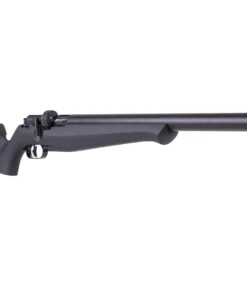


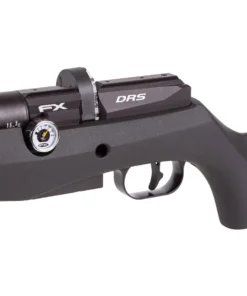
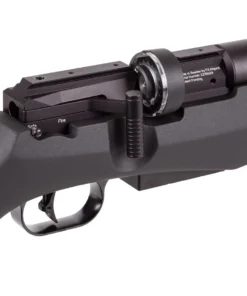


DRS Classic | 600 | Synthetic | FX Airguns
€650.00
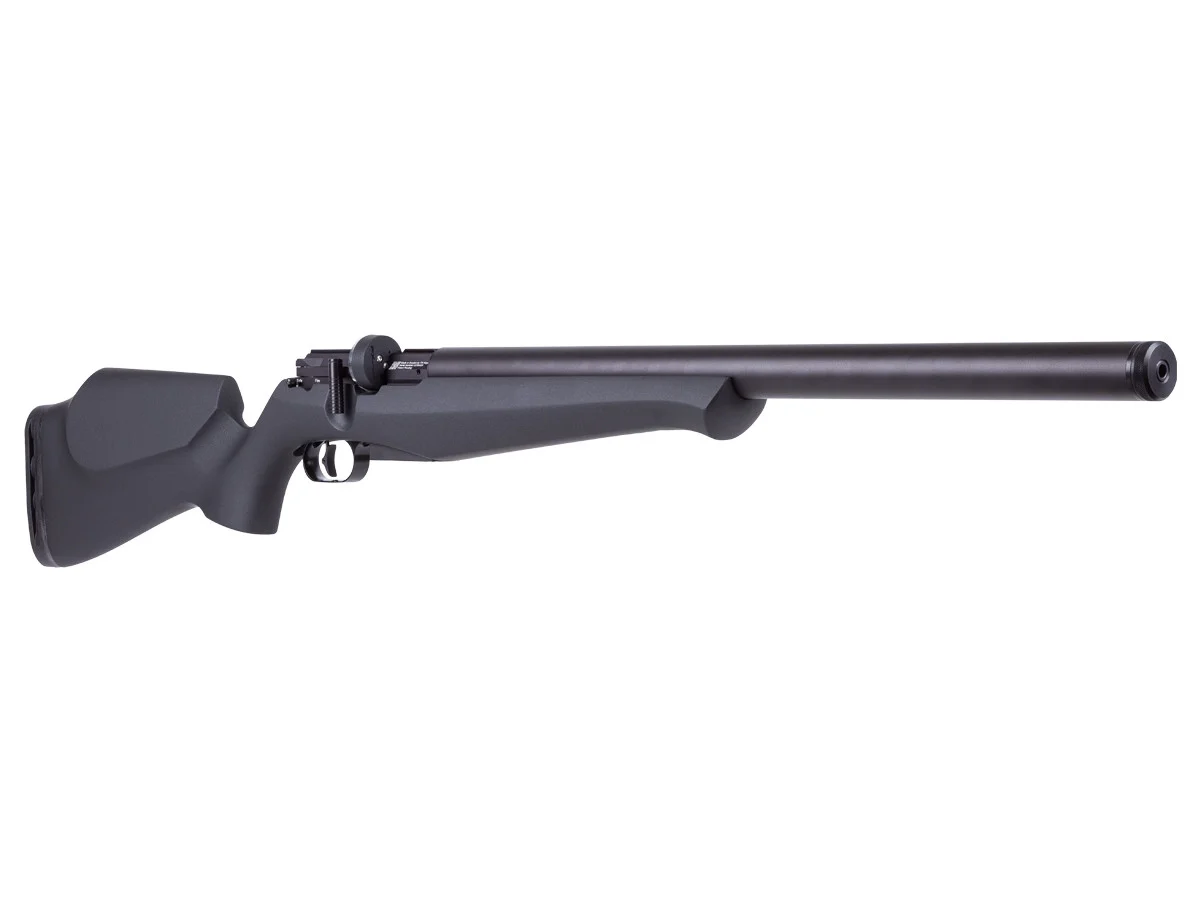
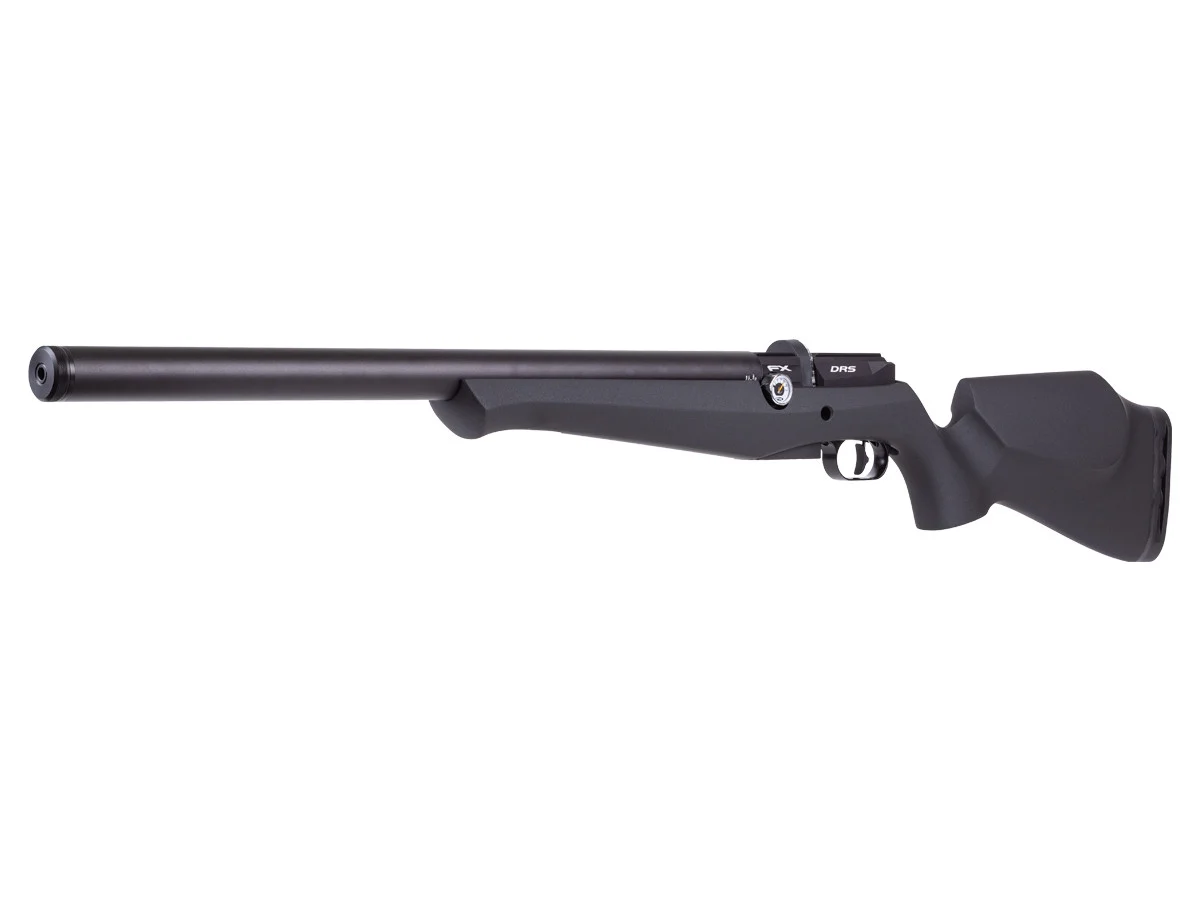
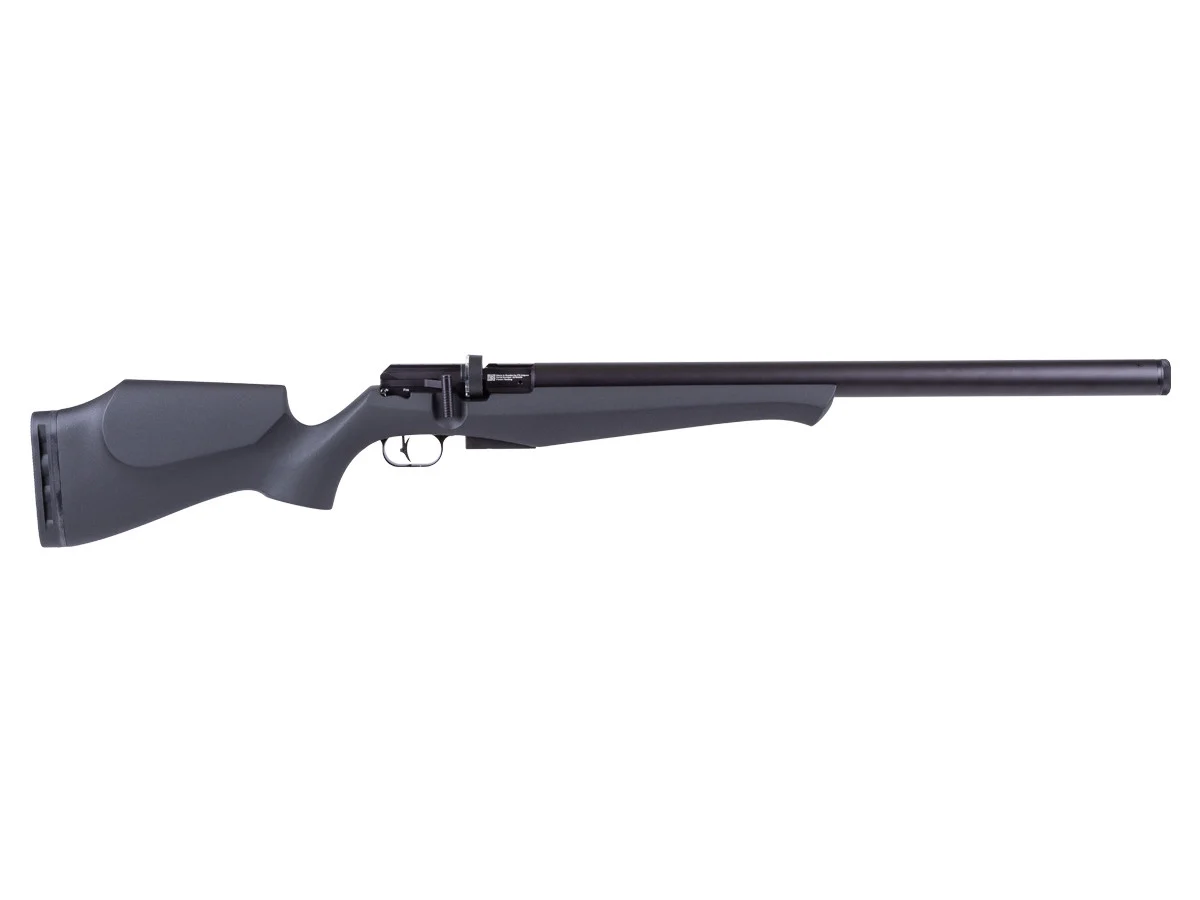
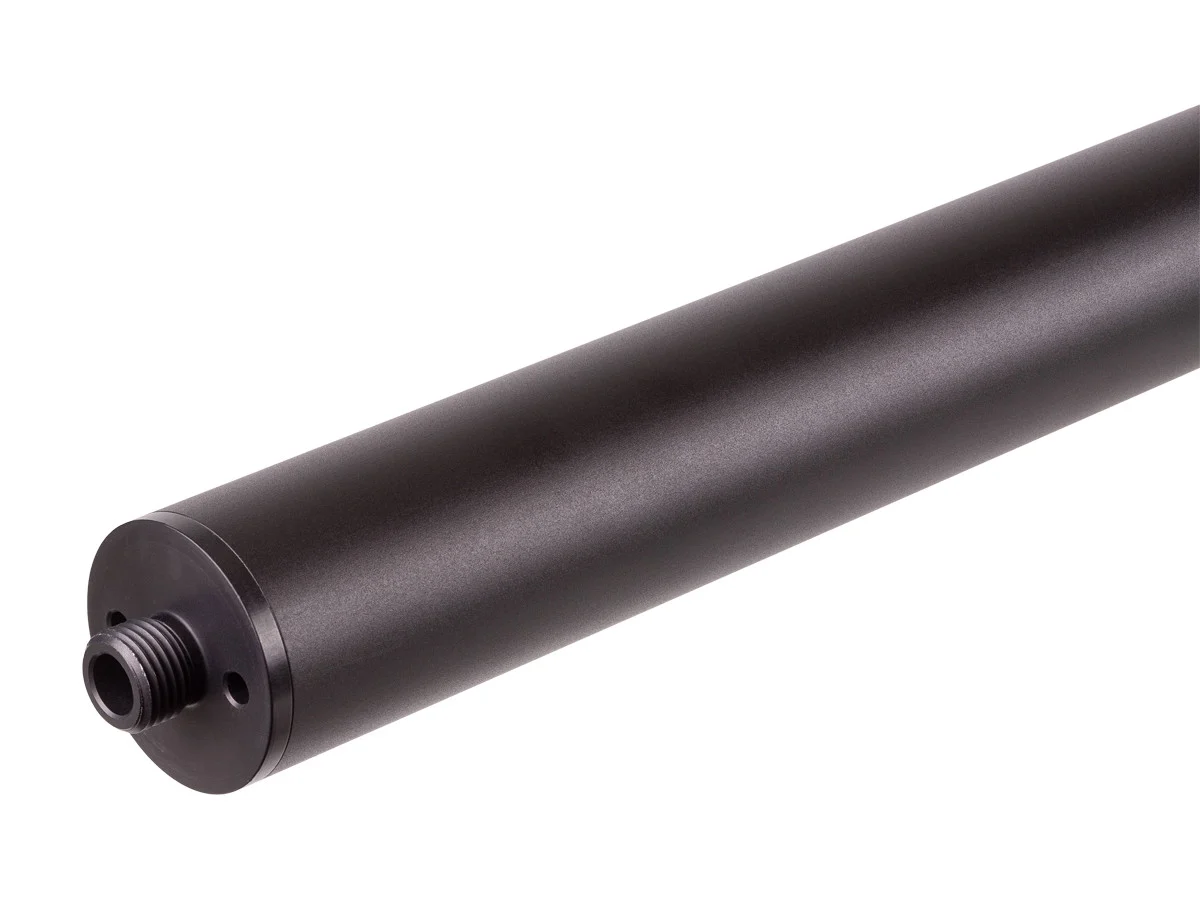
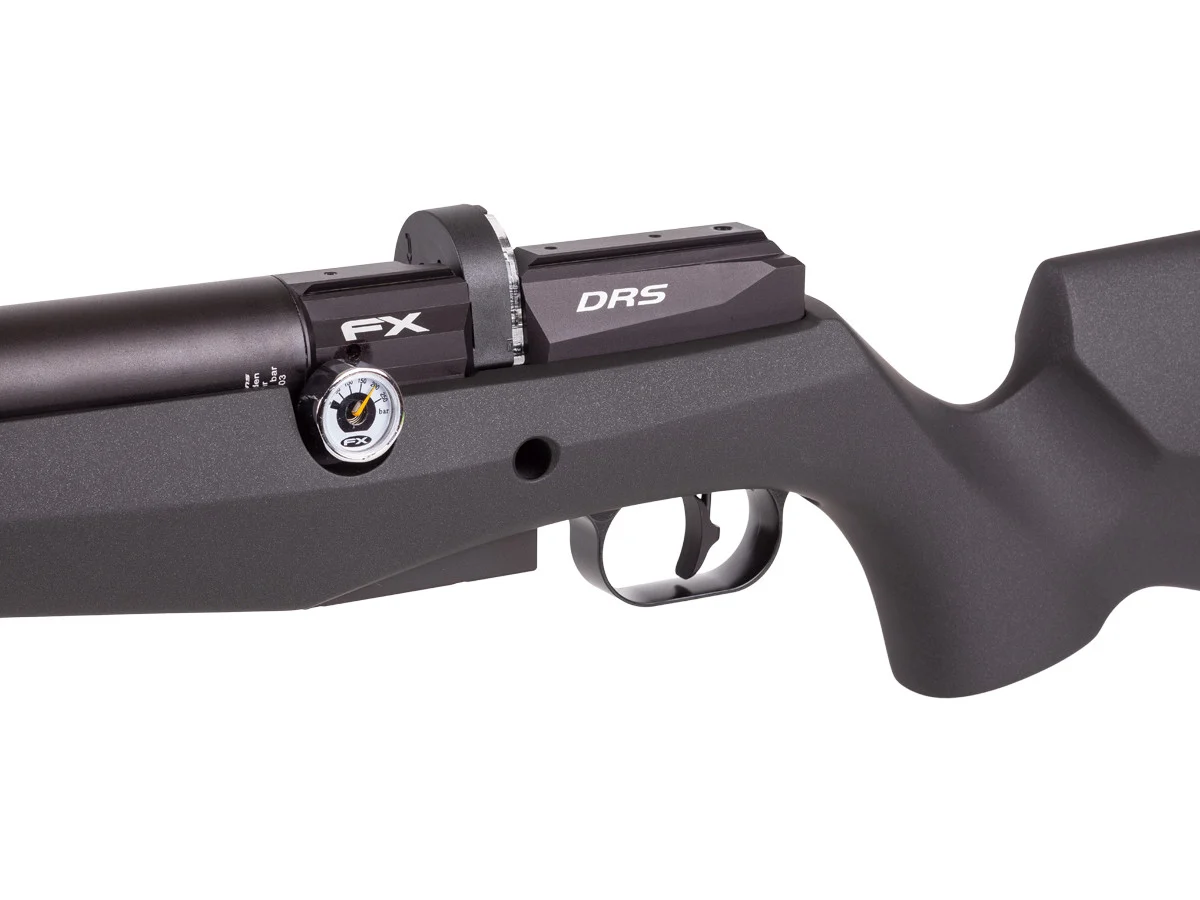
The FX DRS Classic 600 Synthetic is an innovative PCP air rifle that stands out with its unique construction. With the clever design where the air reservoir is integrated into the barrel shroud, you get a sleek and streamlined rifle that is perfect for precision shooting. This high-quality air rifle combines advanced technology with a modern appearance.
Our experience with DRS Classic | 600 | Synthetic | FX Airguns
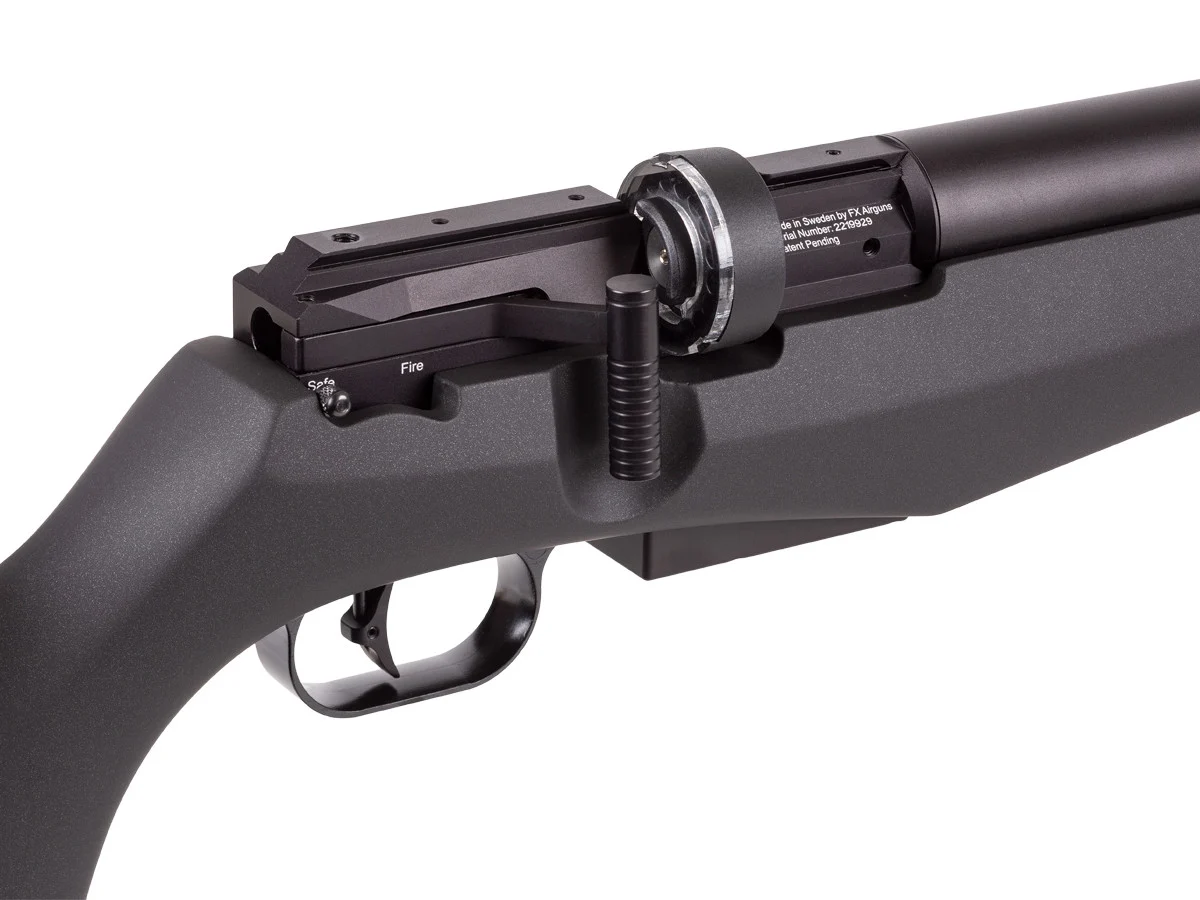
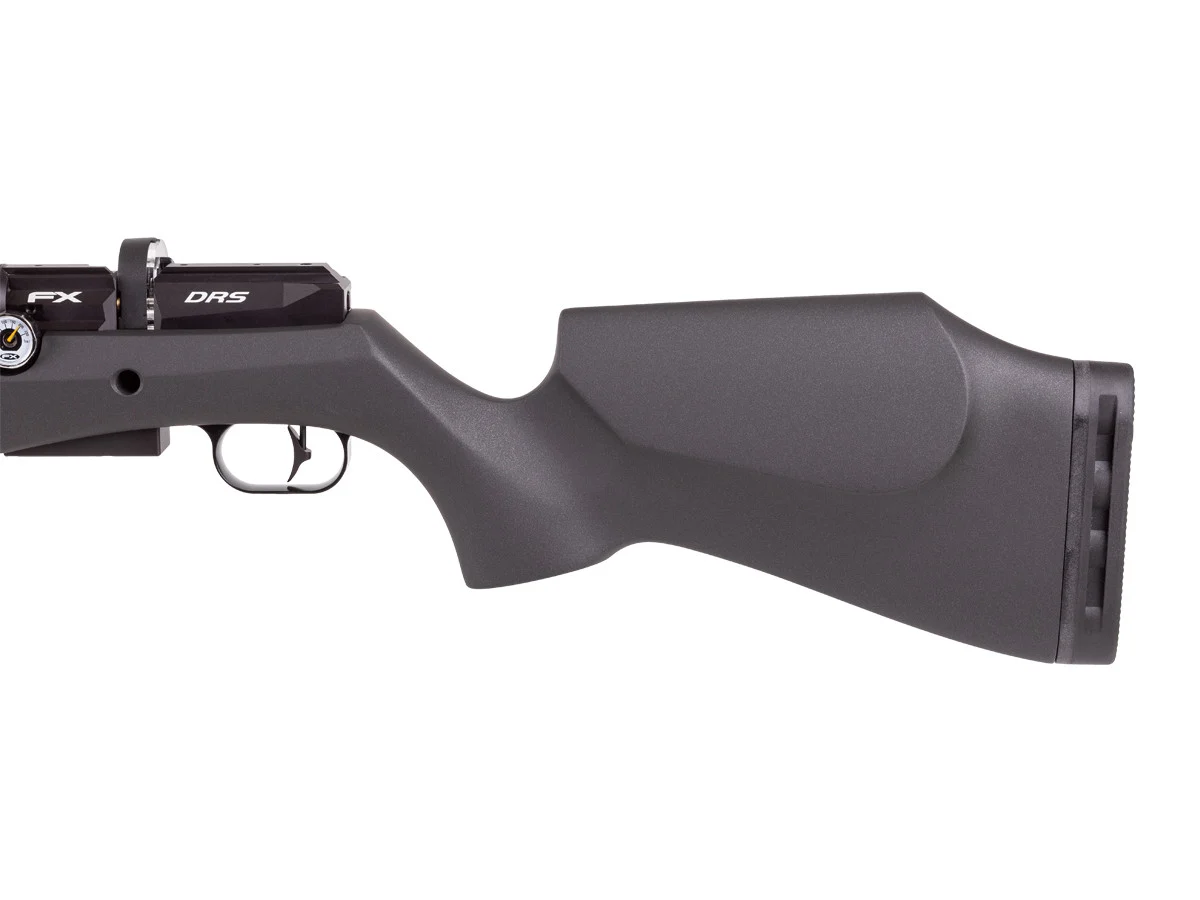
The Shogun team was immediately impressed by the thoughtful balance of this air rifle. The synthetic stock with soft-touch coating feels comfortable and provides excellent grip. The side lever operates smoothly and quietly, ensuring a rapid firing cycle. The adjustable trigger breaks crisply without any play – exactly what you expect from a top-class air rifle.
Technology, performance and variants
This PCP system works with a cleverly integrated 260 cc reservoir that you fill to a maximum of 232 bar. The externally adjustable AMP MkII regulator ensures consistent pressure and performance. With a length of 104 cm, a barrel length of 600 mm and magazine capacity of 16 rounds, this is a versatile air rifle.
The model is available in three calibers: 4.5mm (suitable for medium-range precision), 5.5mm (ideal for all-round use) and 6.35mm (maximum impact). The FX Superior STX barrel system with smooth twist ensures optimal precision regardless of the chosen caliber. Curious about all the technical details? You’ll find them under the ‘More information’ heading on this page.
Use and operation
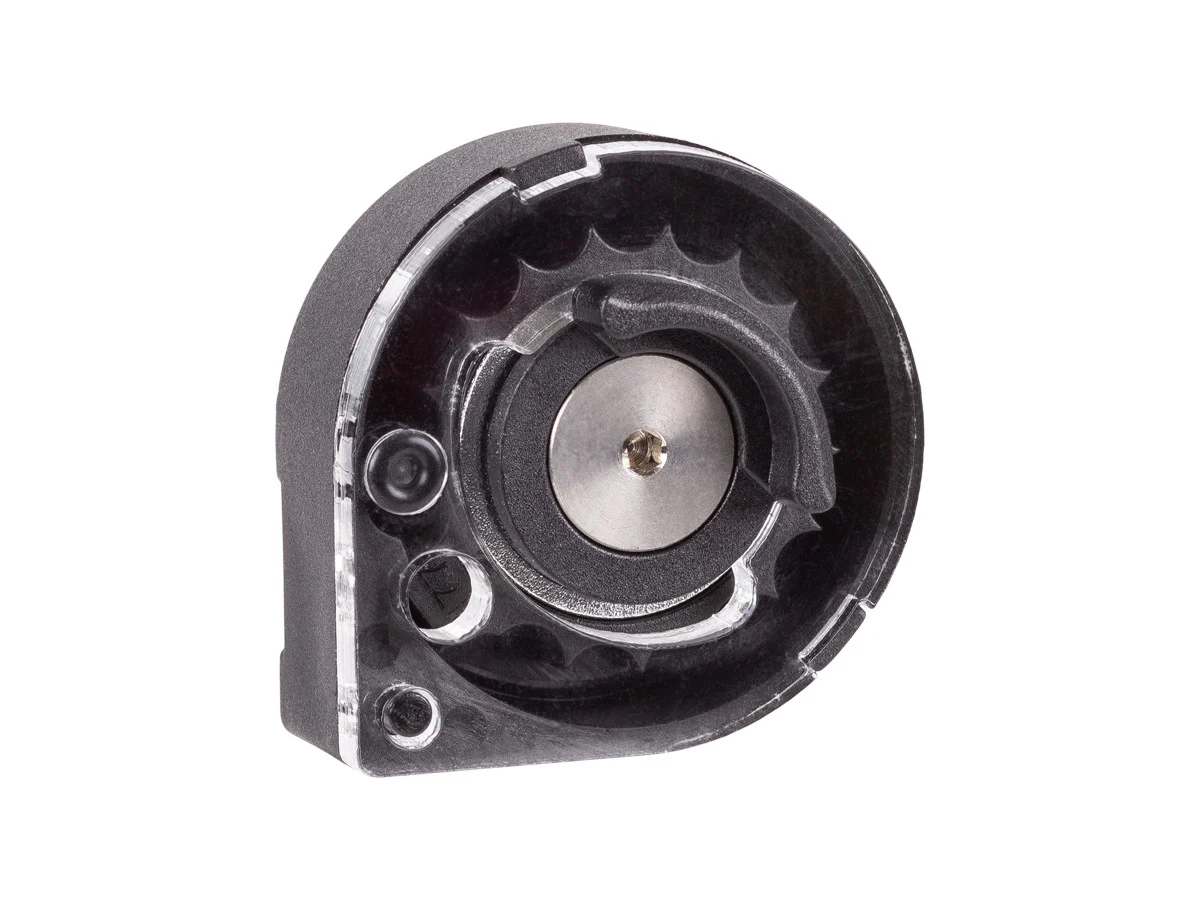
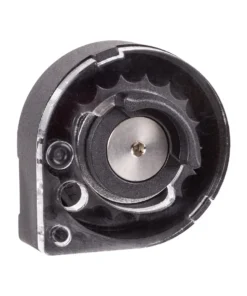
You operate this air rifle via the ergonomic side lever on the right-hand side. The well-thought-out magazine system offers a choice between different magazine options for optimal flexibility. The 11 mm dovetail rail is perfect for mounting your rifle scope. The safety catch works intuitively and reliably. Filling is straightforward via the fill nipple conveniently positioned on the right-hand side.
Who is this air rifle intended for?
The FX DRS Classic 600 Synthetic is a serious powerful air rifle for the advanced shooter. With extensive adjustment options for regulator, hammer spring and trigger, you can fine-tune everything perfectly to your shooting style. The 4.5mm model is ideal for precision competitions, whilst the 5.5mm model is perfect for all-round use. The 6.35mm model delivers maximum power for longer distances. This is equipment for shooters who want to get the best out of their sport.
Ready to experience the DRS Classic | 600 | Synthetic | FX Airguns for yourself?
| SKU | DRS-CLAS-600-SYN |
|---|---|
| Weight (KG) | 2.35 |
| Color | Black |
| Power Source | Pre-charged pneumatic (PCP) |
| Cocking system | Side lever |
| Firing Mode | Single shot |
| Trigger System | Single Action |
| Material | Polymer/Metal |
| Stock Material | Polymer |
| Top rail type | 11mm Dovetail |
| Mounting Rail Type | No Rail |
| Left or Right Handed | Left- and right-handed |
| Maximum fill pressure | 232 bar / 3365 PSI |
| Length folded (cm) | 104.00 |
| Adjustable | Adjustable trigger |
| Included | Magazine included |
| Extra options | Safety |
| Brand | FX Airguns |
DRS Classic 600 Synthetic | FX Airguns: Lightweight PCP Precision with Traditional Sporter Handling
Why Choose the DRS Classic 600 Synthetic?
The primary reason to choose the fx drs classic is its balance of lightweight handling, regulated consistency, and conventional rifle ergonomics. Many high end air rifles use tactical chassis systems, oversized bottles, and extensive external controls. However, this platform preserves the familiar feel of a sporting air rifle while integrating sophisticated pneumatic technology beneath its understated exterior.
The synthetic stock also provides practical durability. It resists moisture, scratches, and changing weather conditions better than many decorative wood stocks. Therefore, the rifle can be carried confidently during outdoor range sessions or lawful field activities without requiring constant cosmetic attention.
Shooters researching an fx air rifle, fx air gun, fx pcp, pcp air gun, or premium pellet gun will find that the model focuses on refined balance rather than excessive size or unnecessary tactical complexity.
How Does the Integrated Air System Work?
The rifle stores compressed air within a reservoir positioned around the barrel. When the trigger is pressed, regulated air is released through the firing valve and drives the pellet through the rifled bore.
Because the pressure is regulated, each shot receives a more consistent volume of air throughout the useful portion of the fill. Consequently, velocity variation is reduced and trajectory prediction becomes easier.
The manufacturer’s manual identifies a pin-style filling probe, 11mm dovetail rail, sidelever action, and a maximum system pressure of 250 BAR, although owners must follow the lower pressure limit marked on the individual reservoir where applicable.
This operating system distinguishes the rifle from a simple spring-powered air gun. It also provides a smoother firing cycle with less movement, making it easier to maintain the sight picture during discharge DRS Classic 600 Synthetic FX Airguns.
How Good Is Its Accuracy and Precision?
Precision begins with the rigid barrel architecture. Because the barrel passes through the air cylinder, additional support is created around the barrel assembly. Inside this structure, the interchangeable liner system allows compatible barrel liners to be selected for different pellet or slug preferences.
The 600mm configuration provides a useful balance between maneuverability and air efficiency. A longer barrel gives compressed air more time to accelerate the projectile before it exits the muzzle. However, practical accuracy still depends on proper optic installation, consistent cheek placement, ammunition quality, stable body positioning, and controlled trigger pressure.
Quality fx pellets may provide a reliable starting point during ammunition testing. Shooters interested in projectile optimization may also evaluate compatible fx halo slugs, although slug suitability depends on caliber, power level, barrel configuration, and local regulations.
An fx chronograph or compact fx pocket chronograph can be used to measure projectile velocity and evaluate consistency. This information helps calculate trajectory and energy rather than relying on advertised velocity alone.
Where and When Should It Be Used?
The rifle is best used at approved ranges, controlled private shooting grounds, and lawful field locations with a safe backstop.
Its lightweight construction makes it especially useful when the rifle must be carried for extended periods. Meanwhile, its traditional stock profile supports comfortable bench, standing, kneeling, and prone shooting positions.
Shooters searching for luftgevær products in Scandinavian markets may encounter this model through fx airguns sverige or fx airguns sweden, reflecting the company’s Swedish heritage. North American buyers may instead search through fx airguns usa, fx usa, or authorized regional dealers.
Availability, power output, moderator rules, and field-use requirements should always be verified locally before purchase.
How Does the DRS Family Compare?
The standard fx drs emphasizes lightweight sporter handling, while the fx drs tactical uses a more accessory-oriented configuration with additional mounting space and tactical furniture.
The fx drs pro was created for precision competition and incorporates a rigid chassis, inclined optics rail, match-grade trigger, expanded adjustment options, and competition-focused balance.
Therefore, the fx drs air rifle in Classic form is the better choice for shooters who value simplicity, portability, and conventional ergonomics rather than a full competition chassis.
Comparison with the Impact Platform
The fx impact family represents a highly adjustable bullpup-style platform. Searches commonly include f x impact, fx impact air rifle, fx m3, fx m3 airgun, fx impact m3, f x impact m3, and fx impact m3 air rifle.
The phrase fx impact m3 .22cal air rifle is frequently used by buyers seeking a previous-generation .22-caliber configuration. Likewise, the repeated search phrase fx impact m3 .22cal air rifle. 600mm barrel usually refers to a specific barrel-length and caliber combination rather than the sporter reviewed here.
The current fx impact m4 introduces a stronger brass-piston regulator, redesigned high-capacity magazine, Power Block, 75cc power plenum, adjustable stock components, and multiple barrel-length configurations.
Related buyer phrases include fx m4, impact m4, impact m4 air rifle, impact m4 500mm, and fx impact m4 for sale. Searches for impact m4 ballistic coefficient usually concern projectile drag and retained velocity rather than a fixed specification of the rifle itself, because ballistic coefficient depends mainly on the projectile being fired.
Compared with the Impact family, the Classic model offers fewer external adjustments but a lighter, cleaner, and more traditional layout.
Comparison with Long-Range and Competition Platforms
The FX Panthera MkII is designed around precision competition and now incorporates the Quick-Set Trigger system introduced on the newest Impact generation.
Related phrases such as fx panthera and fxpanthera may refer to either the original platform or its updated successor.
The fx dynamic and fx dynamics searches usually relate to the Dynamic platform, while fx dynamics may also be an informal plural or naming variation. The original Dynamic combines a large carbon-fiber bottle, Quick Tune System, accessory-ready chassis, and a large plenum surrounding the barrel.
The newer product family may also appear under searches for fx outdoors, especially when buyers compare long-range target rifles with sporting and field-oriented configurations.
Comparison with Other FX Rifles
The fx leopard and fx leopard airgun represent a newer modular platform available in bottle and tube configurations. The fx leopard air rifle combines a rigid over-barrel air system, large regulated plenum, modern accessory rails, and compatibility with longer projectiles.
The fx king uses traditional rifle styling with modern adjustment features, while the fx crown, fx crown mk2, fx crown mkii, and commonly mistyped fx crown mkll provide premium sporter configurations with broader external tuning options.
The fx wildcat and fx wildcat mk3 use compact bullpup layouts, whereas the Classic model retains conventional stock dimensions.
The fx maverick emphasizes dual regulators, high-capacity air storage, and advanced tuning. Meanwhile, the fx dreamline, fx dreamline classic, and broader Dreamline family focus on modular configuration changes. The Dreamline commonly uses a 220cc cylinder filled to 230 BAR and includes a match-grade trigger and moderator-ready barrel.
Why the FX Brand Matters
The name fx airguns, written online as fxairguns, fx air guns, or simply fx, is associated with Swedish pneumatic engineering, interchangeable barrel liners, external tuning systems, regulators, and precision-focused designs.
The manufacturer’s current lineup includes models intended for hunting, recreational shooting, long-range competition, and specialized projectile use.
However, not every shooter needs maximum adjustability. The DRS Classic 600 Synthetic is important because it places advanced pneumatic engineering inside a simple and approachable sporter package.
For buyers who want a lightweight rifle, durable synthetic stock, smooth loading cycle, regulated consistency, and clean traditional styling, it offers a compelling alternative to heavier competition platforms. Its integrated reservoir design, rigid barrel system, and balanced 600mm configuration make it a refined choice for precision-oriented shooters who value practical usability as much as technical innovation.
Advanced Engineering, Precision Performance, and Real-World Usability
Traditional Design Meets Modern Technology
This rifle successfully combines the familiar appearance of a classic sporting rifle with the engineering advantages of a modern pre-charged pneumatic platform. Rather than relying on an oversized external air bottle or a highly tactical chassis, its streamlined profile offers excellent balance while maintaining a refined and elegant appearance.
The result is a rifle that feels natural when shouldered, making it comfortable for extended shooting sessions while preserving the handling characteristics many shooters appreciate from traditional sporting firearms.
Its balanced weight distribution also reduces fatigue during prolonged use, allowing shooters to remain comfortable whether practicing from a bench or carrying the rifle through the field where legally permitted.
Efficient Air Delivery System
One of the key elements behind consistent performance is efficient air management.
A regulated pneumatic system carefully controls the amount of compressed air released during each shot. This controlled airflow minimizes unnecessary pressure fluctuations while helping maintain stable projectile velocities throughout much of the usable air supply.
Consistent velocity improves predictability, allowing shooters to make more reliable adjustments when changing distances or compensating for environmental conditions.
Efficient pressure regulation also contributes to improved air economy, providing more usable shots before refilling becomes necessary.
Smooth Sidelever Operation
The sidelever loading mechanism is engineered for speed, reliability, and ease of operation.
Its short, smooth movement allows rapid chambering without disrupting the shooter’s shooting position or sight picture.
Unlike systems requiring greater physical effort, the sidelever operates with minimal resistance while maintaining positive engagement throughout each loading cycle.
This efficient operation allows shooters to remain focused on target acquisition instead of mechanical manipulation, improving both comfort and shooting rhythm.
Precision Barrel Construction
Accuracy begins with barrel quality.
Precision-machined rifling stabilizes each projectile by imparting consistent rotational spin as it travels through the bore.
Uniform internal dimensions help minimize inconsistencies while promoting predictable projectile flight over varying distances.
The rigid barrel assembly also reduces unwanted movement during firing, supporting repeatable accuracy from one shot to the next.
Combined with proper ammunition selection and disciplined shooting technique, the barrel provides dependable precision suitable for recreational shooting, competitive practice, and lawful field applications.
Adjustable Trigger for Enhanced Control
A quality trigger is one of the most influential factors affecting practical accuracy.
The adjustable two-stage trigger allows shooters to tailor trigger characteristics according to their preferences while maintaining safe operation.
A crisp, predictable break reduces unnecessary disturbance to the sight picture, allowing the projectile to leave the barrel before unwanted movement occurs.
As shooting distances increase, consistent trigger control becomes even more valuable for maintaining tight shot groups.
Ergonomic Features That Improve Comfort
Comfort contributes directly to shooting consistency.
The stock geometry supports natural shoulder placement while promoting a comfortable head position behind the optic.
Its textured gripping surfaces provide secure control during varying weather conditions, while the fore-end offers stable support from benches, bipods, tripods, or unsupported shooting positions.
Balanced ergonomics reduce muscle fatigue and encourage repeatable body positioning throughout extended shooting sessions.
These design characteristics help shooters maintain concentration without becoming distracted by discomfort.
Optimizing Optical Performance
Selecting and installing the correct optic significantly enhances practical accuracy.
After mounting, the optic should be carefully zeroed at the intended shooting distance before fine adjustments are made under actual shooting conditions.
Consistent eye relief and identical cheek placement behind the scope minimize aiming errors while improving repeatability.
Regular inspection of mounting hardware ensures the optic remains securely attached throughout extended use.
A properly configured optical system allows shooters to fully benefit from the rifle’s mechanical precision.
Understanding External Ballistics
Every projectile is affected by environmental conditions after leaving the barrel.
Wind remains the most significant influence on trajectory, particularly at longer distances.
Temperature, humidity, atmospheric pressure, and altitude also affect projectile flight to varying degrees.
Experienced shooters learn to evaluate these conditions before firing rather than relying entirely on equipment adjustments.
Observing natural indicators such as vegetation movement or airborne debris often provides valuable information for making accurate corrections.
Developing Strong Shooting Fundamentals
Even the finest equipment performs best when paired with disciplined technique.
Essential shooting fundamentals include:
- Maintaining a stable shooting position.
- Applying smooth, consistent trigger pressure.
- Controlling breathing before each shot.
- Following through after firing.
- Keeping consistent head alignment.
- Maintaining identical grip pressure.
- Observing environmental conditions.
- Evaluating each shot before making corrections.
Repeating these habits consistently builds confidence while producing measurable improvements in accuracy over time.
Built for Long-Term Dependability
Precision engineering, carefully selected materials, and thoughtful component design all contribute to dependable long-term performance.
Routine inspections, proper cleaning, careful handling, and appropriate storage help preserve mechanical integrity while minimizing unnecessary wear.
With responsible ownership and regular maintenance, the rifle continues to deliver reliable operation, consistent accuracy, and dependable performance throughout years of recreational target shooting, precision practice, competitive training, and other lawful sporting activities.
Maintenance, Care, and Long-Term Ownership
Establishing a Preventive Maintenance Routine
Regular maintenance is one of the most important factors in preserving long-term performance and reliability. Even though precision pneumatic rifles are manufactured using high-quality materials and advanced machining techniques, routine care ensures that every component continues to operate smoothly throughout years of use.
After each shooting session, inspect the rifle for dust, moisture, fingerprints, and surface residue. Wipe the exterior with a clean microfiber cloth to remove contaminants before placing the rifle into storage.
Exposed metal surfaces should receive a light protective coating of oil designed for sporting equipment. Apply only a small amount, as excessive lubrication can attract dust and debris that may eventually interfere with moving parts.
Creating a consistent maintenance schedule significantly reduces unnecessary wear while preserving overall performance.
Cleaning the Barrel Correctly
The barrel should always be treated as one of the most important precision components.
Unlike conventional firearms, pneumatic rifles generally leave very little residue inside the bore. Consequently, frequent cleaning is usually unnecessary and may temporarily affect accuracy until the barrel naturally seasons again.
Clean the barrel only when noticeable accuracy changes occur or after an extended period of regular shooting.
Use pull-through cleaning systems or coated cleaning rods specifically intended for precision air rifles. These cleaning methods help protect the rifling while safely removing accumulated debris.
Avoid abrasive brushes, harsh solvents, and excessive force because they may damage the internal finish and reduce long-term accuracy.
Maintaining the Air Reservoir
The compressed-air reservoir requires careful handling to maintain safe and reliable operation.
Always fill the system using clean, dry compressed air from properly maintained filling equipment. Introducing moisture into the reservoir may eventually lead to internal corrosion or premature deterioration of sealing components.
Air should be added gradually, allowing pressure to build evenly without creating unnecessary heat.
Never exceed the recommended maximum operating pressure, and always verify reservoir pressure before beginning a shooting session.
Routine inspection of the fill connection, pressure gauge, and surrounding fittings helps identify developing issues before they affect performance.
Inspecting Seals and Internal Components
Internal sealing components are essential for maintaining consistent pressure and efficient operation.
Although these parts are designed for long service life, normal wear gradually occurs through repeated use.
Common signs that inspection may be necessary include:
- Gradual pressure loss during storage.
- Reduced shot consistency.
- Audible air leakage.
- Lower operating efficiency.
- Unexpected changes in firing behavior.
Replacing worn seals promptly restores dependable operation while preventing unnecessary stress on surrounding components.
Whenever internal servicing is required, repairs should be completed using appropriate replacement parts and proper maintenance procedures.
Caring for the Magazine
Reliable feeding depends on keeping the magazine clean and properly maintained.
Inspect it regularly for accumulated dust, dirt, or foreign material that could interfere with smooth rotation and reliable chambering.
Projectiles should be handled carefully during loading to avoid deformation before firing.
If cleaning becomes necessary, compressed air or a clean dry cloth is generally sufficient. Excessive lubrication should be avoided because it attracts contaminants that may reduce feeding reliability over time.
Routine magazine maintenance contributes to consistent shooting performance throughout every practice session.
Protecting Exterior Components
Maintaining the exterior preserves both appearance and long-term durability.
After shooting in damp or dusty conditions, dry every exposed surface thoroughly before storage.
Protective maintenance products designed for sporting equipment help guard against corrosion while preserving the finish.
Inspect all visible fasteners periodically to confirm they remain secure, and tighten them according to manufacturer recommendations whenever necessary.
Addressing small cosmetic issues early helps prevent more significant deterioration over time.
Safe Storage Practices
Proper storage protects both the rifle and everyone around it.
Always store the rifle unloaded inside a secure cabinet, safe, or protective case that prevents unauthorized access.
A cool, dry location with stable temperature and humidity provides ideal storage conditions while minimizing the risk of corrosion and material degradation.
If the rifle will remain unused for an extended period, inspect it occasionally to verify that pressure levels, seals, and visible components remain in good condition.
Appropriate storage greatly extends service life while maintaining dependable performance.
Preserving Long-Term Accuracy
Consistent accuracy depends on careful equipment maintenance as well as disciplined shooting habits.
Projectiles should remain clean and free from damage before loading.
Optics should be inspected regularly to ensure mounting hardware remains tight and correctly aligned.
Environmental conditions such as wind, humidity, temperature, lighting, and elevation should always be considered when evaluating shooting performance because each influences projectile flight differently.
Keeping detailed shooting records allows shooters to identify combinations of distance, environmental conditions, and ammunition that consistently deliver the best results.
Pre-Shooting Inspection Routine
Before every shooting session, perform a brief inspection to confirm the rifle is ready for safe operation.
Recommended checks include:
- Confirm all visible fasteners remain secure.
- Verify optic alignment.
- Inspect the barrel for obstructions.
- Check reservoir pressure.
- Ensure controls operate smoothly.
- Verify proper safety operation.
- Examine the stock for visible damage.
- Confirm overall cleanliness.
Completing these simple inspections requires only a few minutes while greatly improving reliability and confidence during shooting.
Safe Maintenance Procedures
Every maintenance task should begin with a complete safety check.
Always verify that the rifle is unloaded before cleaning or inspection.
Keep the muzzle pointed in a safe direction throughout the maintenance process.
Wear appropriate eye protection whenever working around pressurized components or mechanical assemblies.
Avoid attempting complex internal repairs without the proper knowledge and tools, and discontinue use immediately if damaged components are discovered.
Responsible maintenance protects both the equipment and the user while preserving dependable long-term performance.
Long-Term Ownership Benefits
Routine maintenance, careful handling, and proper storage provide significant long-term advantages.
Owners who consistently inspect, clean, and protect their equipment often experience improved reliability, greater shooting consistency, fewer unexpected repairs, and a longer service life.
With disciplined preventive care and responsible ownership, the rifle can continue delivering dependable accuracy and reliable operation for many years of recreational target shooting, precision practice, competitive training, and other lawful sporting applications.
Buying Guide, Practical Applications, and Final Evaluation
Finding the Right Rifle for Your Shooting Goals
Choosing the right pneumatic rifle requires more than comparing specifications or advertised performance figures. The ideal platform should match your intended use, experience level, preferred shooting style, and long-term expectations.
For recreational shooters, comfort, consistency, and ease of operation often provide the greatest value. Precision enthusiasts typically prioritize repeatable accuracy, predictable trigger performance, and reliable shot-to-shot consistency. Those who spend extended periods outdoors may place greater importance on weight, durability, and resistance to changing weather conditions.
Evaluating these practical considerations before purchasing helps ensure long-term satisfaction while reducing the need for future upgrades.
Real-World Performance Across Different Applications
A well-designed sporting rifle is capable of serving a variety of shooting disciplines when used responsibly and in accordance with local regulations.
Its balanced handling makes it suitable for recreational target shooting, precision marksmanship training, organized competitions, and lawful field applications where permitted.
The combination of comfortable ergonomics and efficient operation allows shooters to transition smoothly between different shooting positions, including standing, kneeling, sitting, prone, and bench-supported shooting.
This versatility allows owners to explore multiple shooting disciplines without requiring specialized equipment for every activity.
Developing Better Shooting Skills
Long-term improvement comes through structured practice rather than simply increasing the number of shots fired.
Each practice session should focus on developing one or more specific skills.
Examples include:
- Refining breathing techniques.
- Improving trigger control.
- Practicing proper follow-through.
- Strengthening shooting stability.
- Evaluating group consistency.
- Recording shooting distances.
- Monitoring environmental influences.
- Reviewing previous performance.
Keeping detailed practice records makes it easier to identify strengths while recognizing areas that benefit from additional training.
Consistent practice gradually builds confidence and produces measurable improvements over time.
Understanding External Conditions
Outdoor shooting conditions rarely remain constant.
Wind speed and direction have the greatest influence on projectile flight, especially at extended distances.
Additional environmental factors such as humidity, temperature, atmospheric pressure, lighting conditions, and elevation also contribute to changes in trajectory.
Learning to recognize these influences before firing allows shooters to make informed adjustments rather than relying solely on equipment.
Observing vegetation movement, dust, or dedicated wind indicators provides valuable information that supports more accurate shot placement.
Developing environmental awareness is an important part of becoming a skilled marksman.
Selecting Quality Accessories
Appropriate accessories enhance both performance and overall shooting enjoyment.
A quality optic matched to the intended shooting distance improves target visibility while allowing more precise aiming.
Stable mounting hardware helps maintain zero throughout repeated use.
Additional equipment such as bipods, shooting bags, protective carrying cases, cleaning tools, and dependable filling equipment further improve convenience while protecting the rifle from unnecessary wear.
Investing in reliable accessories often contributes to greater long-term consistency and lower maintenance costs.
Responsible Ownership
Owning precision shooting equipment involves important responsibilities beyond simply operating the rifle.
Always transport the rifle safely, store it securely, and use it only in locations where shooting activities are lawful and appropriate.
Before every shooting session, verify that the target area includes a safe backstop capable of containing every projectile.
Maintain awareness of nearby people, animals, buildings, vehicles, and property at all times.
Following established safety principles protects both the shooter and the surrounding community while encouraging responsible participation in the shooting sports .
Protecting Your Investment
Routine maintenance significantly extends equipment life.
Cleaning after use, protecting metal components from corrosion, inspecting moving parts, and storing the rifle under appropriate environmental conditions all contribute to dependable long-term performance.
Addressing small maintenance concerns before they become larger problems reduces repair costs while preserving reliability and accuracy.
Preventive care remains one of the most effective ways to maximize the value of any precision shooting equipment.
Building Long-Term Confidence
Confidence develops gradually through experience, consistency, and disciplined practice.
Regular training strengthens muscle memory, improves target acquisition, and reinforces proper shooting fundamentals.
Rather than focusing exclusively on speed or distance, successful shooters emphasize consistency, patience, and continuous improvement.
Over time, this disciplined approach produces greater accuracy and a more enjoyable shooting experience.
Who Will Benefit Most?
This rifle is an excellent choice for shooters who appreciate traditional styling combined with modern engineering and dependable performance.
Its lightweight handling, balanced design, smooth operation, and precision-focused construction make it well suited for enthusiasts seeking an enjoyable shooting experience without unnecessary complexity.
Whether the goal is recreational shooting, precision practice, organized competition, or lawful field use, it offers the versatility needed to adapt to different environments and skill levels.
Final Thoughts
A quality pneumatic rifle is more than a piece of equipment—it is a long-term investment in skill development, responsible ownership, and consistent performance. While advanced engineering provides an excellent foundation, lasting success comes from combining reliable equipment with disciplined practice, proper maintenance, and safe handling habits.
By maintaining a structured training routine, caring for the rifle through regular preventive maintenance, and continually refining shooting fundamentals, owners can expect years of dependable service and rewarding performance. This combination of thoughtful design, practical reliability, and long-term durability makes the rifle an outstanding option for shooters seeking precision, comfort, and confidence during every shooting sessionpcp airguns.
Be the first to review “DRS Classic | 600 | Synthetic | FX Airguns”
Related products
FX Air Gun
Reviews
There are no reviews yet.