


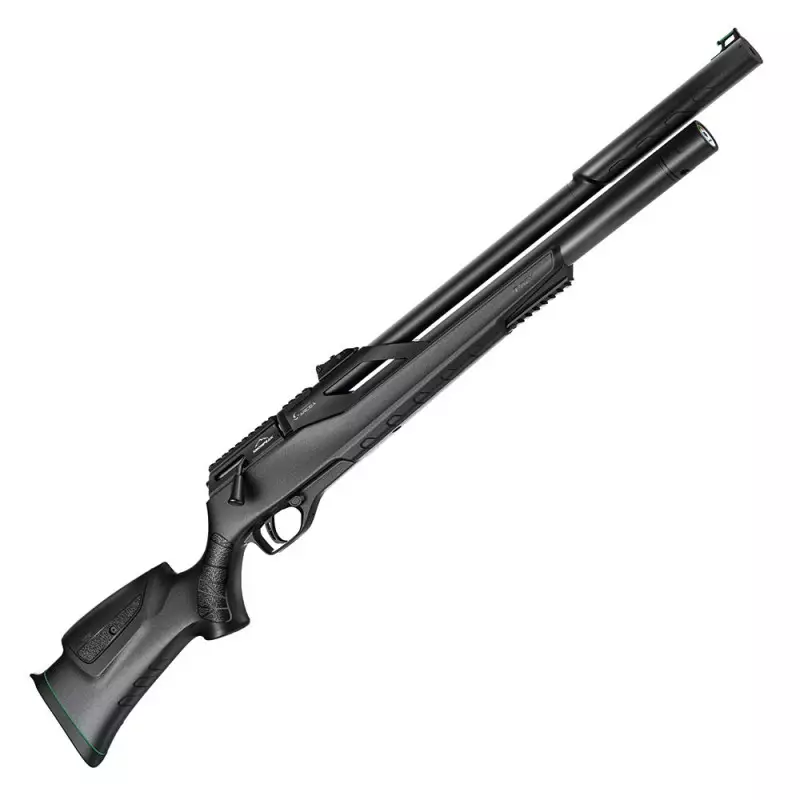




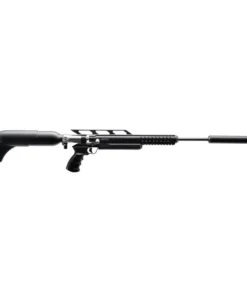
PCP Air rifle Snowpeak T-REX 4.5mm/.177


€200.00
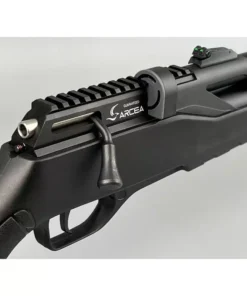
Snowpeak brand with Arcea seal of guarantee, quality and service engraved on the block.
Tank capacity: 230cc.
Maximum pressure of load: 200 bars.
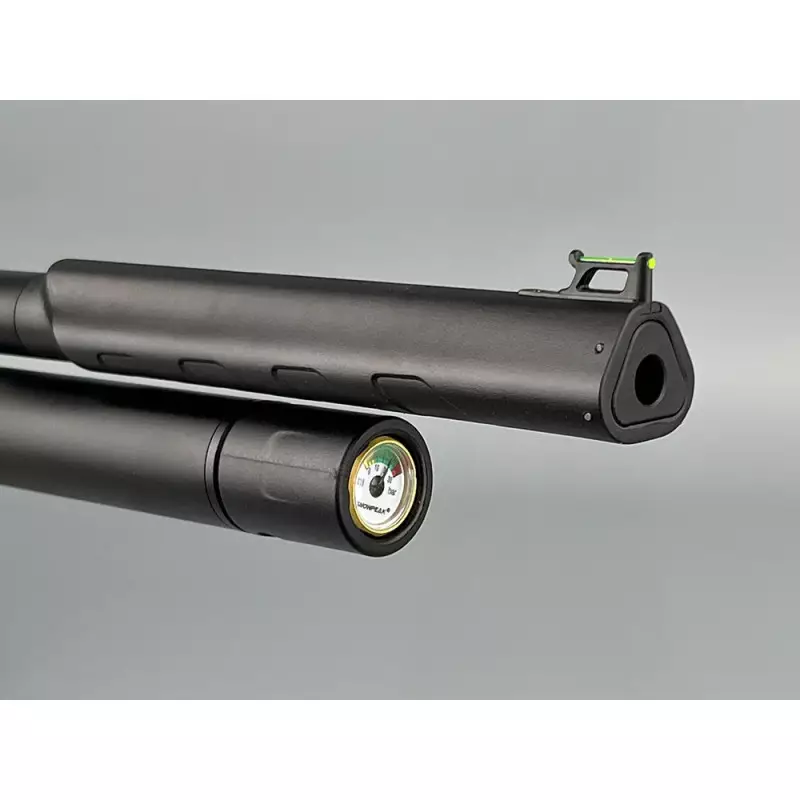
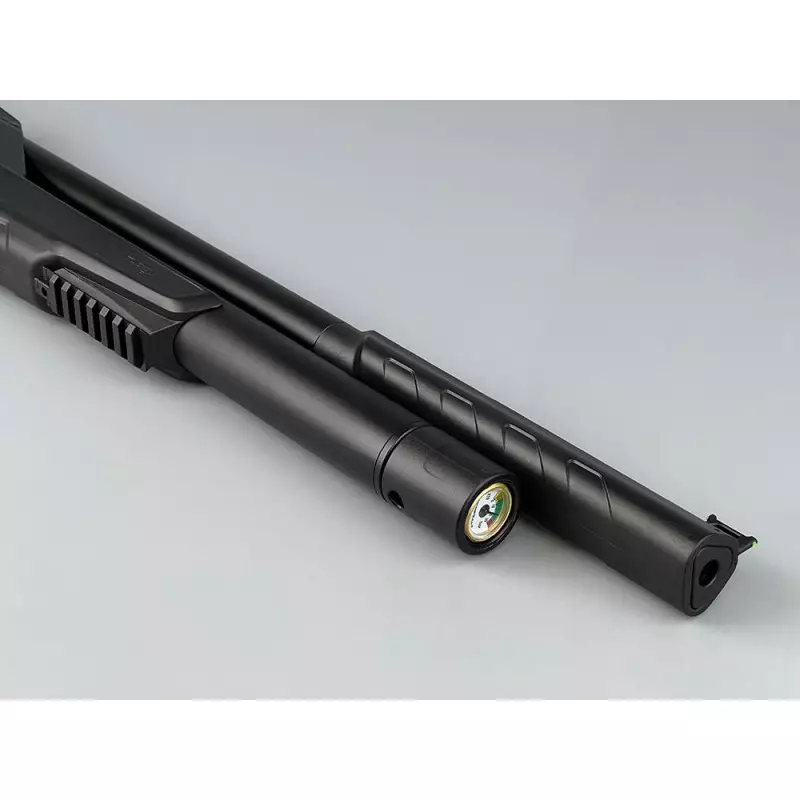
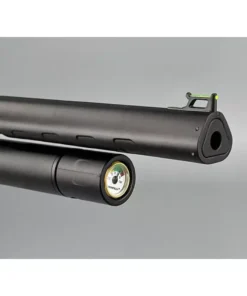
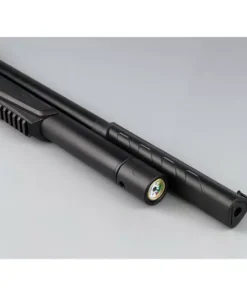
Pressure gauge on the tank.
Regulating valve installed.
Allows the change of bolt orientation for right-handed and left-handed.
Charging probe with “foster” type quick connector.
Two-stroke trigger for precise and relaxed firing. Safety lock.
Supplied with 24 joules of power.
It offers very good groupings at 50 m.
Caliber: 4.5 mm / .177
Magazine Capacity: 12 pellets
Approximate optimum shots: 70 shots (4.5) / 50 shots (5.5)
Silencer integrated in the barrel.
21mm rail to place the scope.
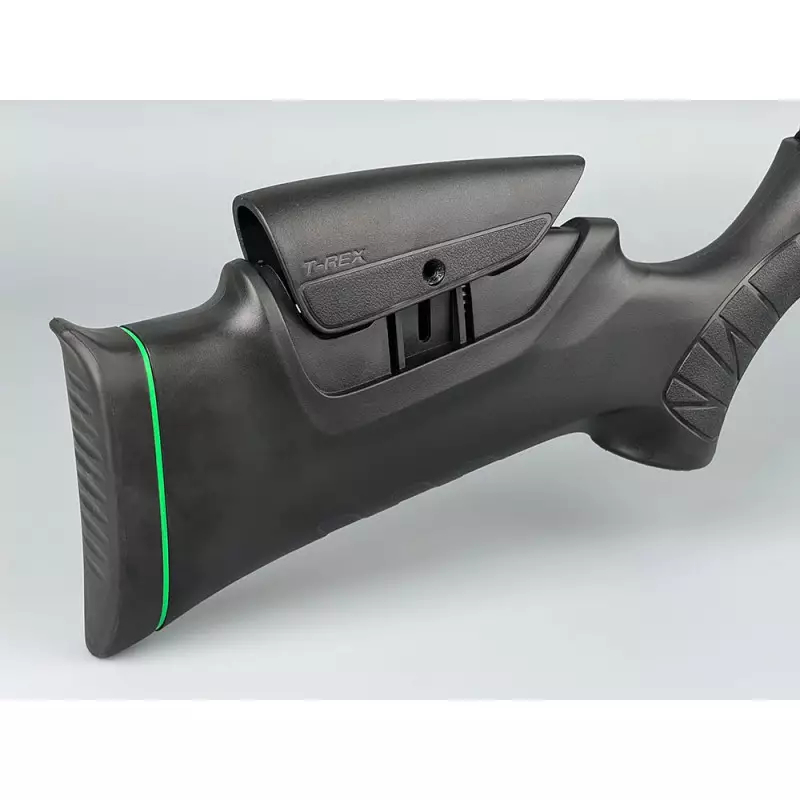
Synthetic stock.
Length: 105 cm.
Weight: 3.1 kilos
Snowpeak T-REX 4.5 mm/.177 PCP Air Rifle – Regulated Precision, Ambidextrous Operation and Multi-Shot Performance
Snowpeak T-REX 4.5 mm/.177 PCP Air Rifle Overview
Regulated PCP Performance for Accurate Shooting
The Snowpeak T-REX 4.5 mm/.177 is a regulated bolt-action rifle created for shooters who want manageable recoil, multi-shot convenience and a practical full-length sporting layout. The .177 configuration uses 4.5 mm pellets and commonly includes a 12-shot rotary magazine, allowing several carefully aimed shots before reloading.
Current full-length versions are listed with a 230 cc air reservoir, a 480 mm rifled barrel and a pressure regulator. Depending on the regional specification, retailers show a maximum fill pressure of either 200 or 250 bar. The European 24-joule version measures approximately 1,048 mm overall and weighs about 3.15 kg. Buyers should therefore confirm the exact pressure limit, output and included fittings shown on their individual rifle.
What Is a PCP Airgun?
Anyone asking what is a pcp airgun should know that PCP means pre-charged pneumatic. Compressed air is stored inside the onboard cylinder before shooting begins. When the trigger is pressed, the valve releases a measured amount of air, which propels the pellet through the barrel PCP Air rifle Snowpeak T-REX.
Unlike a spring-powered design, a pcp pellet rifle does not use a heavy piston moving through the action during each discharge. Consequently, mechanical recoil remains low and the sight picture is easier to maintain.
The installed regulator controls the pressure supplied to the firing valve. Therefore, velocity can remain more stable through the useful portion of a fill, supporting predictable trajectory and tighter vertical grouping.
Why Choose the Snowpeak T-REX?
The rifle offers a strong balance of reservoir capacity, regulated performance, magazine capacity and adjustable ergonomics. Its bolt handle can be positioned for right- or left-handed operation, making the loading system more adaptable than a fixed-side design.
The two-stage trigger can be adjusted within its approved range, while the manual safety supports controlled handling. A shrouded barrel and moderator help reduce muzzle noise, although the rifle should never be described as silent. The top Weaver or Picatinny rail accepts a compatible optic, and some versions also provide an accessory rail beneath the fore-end.
Snowpeak Airguns and Manufacturer Background
The snowpeak airguns catalogue includes conventional rifles, bullpups, target pistols and compact carbines. snowpeak sports states that the manufacturer began in 1976 and has specialised in shooting equipment for more than four decades.
Searches involving snowpeaks, snow peak equipment, snow peak customer service and snow peak brand origin should be directed toward the Chinese airgun manufacturer or an authorised regional importer. Exact warranty conditions, legal power limits and included accessories vary between countries.
PR900 Gen 3 Comparison
The pr900 gen 3 belongs to a lighter conventional-rifle family. It may suit users who prioritise low weight and a smaller reservoir.
The T-REX is larger and heavier, but its 230 cc cylinder and 12-shot .177 magazine support longer shooting sessions. Therefore, it may be preferred when additional capacity and a more substantial stock are important.
Snowpeak P35 and P35X PCP Rifles
The snowpeak p35, p35, snowpeak p35x, p35x, p35x pcp and pcp p 35 belong to compact bullpup families.
A snowpeak p35 vs p35x comparison usually considers reservoir size, stock arrangement and adjustment features. The T-REX instead offers conventional rifle geometry, which may feel more familiar to shooters who prefer the action and loading port ahead of the trigger.
Snowpeak AP900 and AP900B PCP Air Rifle
The snowpeak ap900 and ap900b pcp air rifle use tactical-style furniture and compact external designs.
The T-REX provides a longer sporting profile with a larger air cylinder and full-length stock. As a result, the choice should depend on balance, reservoir capacity and preferred handling rather than appearance alone.
Snowpeak PP750 and PP750L PCP Air Pistol
The snowpeak pp750, pp750, snow peak pp750, Snowpeak PP750L and Snowpeak PP750L PCP Air Pistol describe compact pistol-carbine products.
A Snowpeak Air Pistol, PCP Pistol, Airgun Pistol or High power PCP air pistol prioritises portability. Buyers searching Snowpeak PP750L PCP Air Pistol for sale may want a much shorter platform with an adjustable shoulder stock.
However, the T-REX offers a longer barrel, greater reservoir capacity and a full rifle-style shooting position.
Snow Peak PP20 and Target Pistol Alternatives
The snow peak pp20, snowpeak pp20 and pistolet pcp arcea-snowpeak onix sport terms refer to target-oriented pistols.
These products focus on anatomical grips and precision handgun technique, whereas the T-REX provides two-handed shoulder support, optic compatibility and multi-shot rifle operation.
Snowpeak M25 and M50 Rifle Platforms
The snowpeak m25, m25 rifle and m25 weapon refer to a different PCP platform. Although “weapon” appears in search language, the product should be marketed, transported and used as regulated sporting equipment.
The m50 rifle also differs in action type, external design and air system. Magazines, filling probes and internal parts should never be assumed interchangeable.
Snowpeak M60 and M60B Comparison
The snowpeak m60 and snowpeak m60b are larger multi-calibre platforms with different reservoirs, magazine systems and barrel specifications.
The question how much did the m60 weigh may produce information about an unrelated military firearm. Snowpeak’s sporting model should always be researched using the complete manufacturer and model name.
Snowpeak Max and Price Research
The snowpeak max and snowpeak max 1 price searches normally relate to higher-capacity, high-output equipment.
Those platforms may offer larger bottles and greater adjustment, but they are generally heavier and require more compressed air. The T-REX provides a more conventional balance and manageable 230 cc reservoir.
HP300 Filling Equipment
The hp300 is associated with manual high-pressure filling equipment. A compatible pump can be useful when the owner does not have access to a certified cylinder or dedicated compressor.
However, the exact rifle pressure rating must be verified before filling. Clean, dry compressed air should be introduced slowly, and the hose must be depressurised before disconnection.
Pellet 9mm and Correct Calibre Selection
The phrase pellet 9mm does not apply to this model. The rifle described here uses 4.5 mm/.177 pellets and a 12-shot magazine.
Only ammunition matching the calibre marked on the barrel should be loaded. Medium-weight domed pellets are a practical starting point, although several reputable options should be tested for accuracy and smooth feeding.
T Rex 6000 and Search Clarification
The phrase t rex 6000 may refer to unrelated machinery or another product category. It is not the official designation of this rifle.
Similarly, snowfall gun appears to be an unrelated search variation. Using the complete model name produces more relevant technical, magazine and accessory results.
Air Gun Accessories
Useful air gun accessories include a compatible optic, secure Picatinny rings, certified filling equipment, quality .177 pellets, spare magazines and a padded protective case.
The 12-shot magazine should be loaded with clean, undamaged pellets. Replacement magazines must be selected specifically for the correct calibre.
Final Buying Assessment
The Snowpeak T-REX 4.5 mm/.177 is a practical choice for adult shooters who value regulated air delivery, a substantial 230 cc reservoir, ambidextrous bolt placement and a high-capacity .177 magazine.
Its strongest qualities are low recoil, predictable loading, adjustable trigger control and conventional rifle ergonomics. With clean compressed air, suitable pellets, a securely mounted optic and responsible handling, it can provide reliable precision and excellent value for lawful target shooting.
Engineering, Accuracy, Handling and Practical Ownership
Regulated Pneumatic Operation
The rifle uses a pre-charged pneumatic system that stores compressed air inside an onboard reservoir. When the trigger is pressed, a controlled quantity of air is released through the firing valve, driving the pellet through the barrel. Because no heavy spring or piston moves through the action during discharge, the firing cycle remains smooth and produces very little mechanical recoil.
An internal regulator helps maintain a more stable operating pressure as the reservoir gradually empties. Consequently, pellet velocity can remain more consistent during the useful portion of the fill. This supports predictable trajectory, tighter vertical grouping and more reliable sight adjustments.
However, the regulator cannot compensate for damaged pellets, loose mounts or inconsistent technique. Mechanical consistency must still be supported by careful preparation and disciplined shooting.
Full-Length Sporting Configuration
The conventional rifle layout places the loading mechanism ahead of the trigger. This arrangement creates familiar balance and handling for shooters accustomed to traditional shoulder-fired platforms.
The supporting hand can rest naturally beneath the fore-end, while the butt remains firmly positioned against the shoulder. Because the action is not placed behind the trigger, the loading port is also easy to observe during magazine installation and routine inspection.
The full-length design may feel larger than a compact bullpup, but it offers a stable sighting position and comfortable weight distribution. Shooters should practise shouldering the rifle unloaded to determine the most natural hand placement and cheek position.
Synthetic Stock and Adjustable Features
The synthetic stock is designed to tolerate regular handling and minor exposure to outdoor conditions. It requires less maintenance than unfinished wood and is less likely to react to changes in moisture.
After every session, the surface should be wiped clean to remove dust, moisture and skin oils. Strong solvents should be avoided because they may damage the finish or affect nearby polymer components.
Any adjustable stock feature should be set so the shooter can reach the trigger comfortably while maintaining a complete sight picture. The head should remain upright rather than being forced downward or stretched forward.
Reservoir Capacity and Shot Management
The relatively large air cylinder supports productive shooting sessions without constant refilling. Nevertheless, actual shot count depends on calibre, power level, pellet weight, temperature and mechanical condition.
A useful approach is to begin with a known fill pressure and count every discharge. At regular intervals, the shooter should record the gauge reading, sound and point of impact.
After several sessions, a clear pattern will usually develop. The owner can then refill before accuracy or cycling begins to decline.
Continuing to shoot at very low pressure may produce weak shots, inconsistent velocity or unstable valve operation. Refilling within the reliable pressure range helps preserve performance.
Safe Filling Procedure
Only clean, dry compressed air should be used. Suitable filling sources may include a manual pump, certified storage cylinder or purpose-built compressor.
Before connecting the equipment, inspect the hose, seals, connector, gauge and charging port. Dirt, moisture and oil must not enter the pneumatic system because contamination may damage internal valves and sealing surfaces.
Air should be introduced gradually while both gauges are monitored. Rapid filling creates heat and may cause the pressure reading to drop after the cylinder cools.
The maximum approved pressure must never be exceeded. After filling, the hose must be depressurised through the bleed valve before it is disconnected.
Ambidextrous Bolt Arrangement
The bolt system can accommodate right- or left-handed operation when configured correctly. This makes the rifle more adaptable for different shooters and shared range use.
The bolt should move smoothly through its complete operating cycle. Partial movement may prevent the magazine from indexing or leave the action incompletely prepared.
If resistance is felt, the mechanism should not be forced. A damaged pellet, misaligned magazine or obstruction may be responsible.
The muzzle must remain pointed toward a dependable backstop while the issue is inspected. Forceful operation can damage pellets, seals or magazine components.
Magazine Loading and Handling
The rotary magazine provides several shots before reloading. Every pellet should be inspected before insertion.
Bent skirts, flattened heads and visible contamination can reduce accuracy and interfere with feeding. Pellets should be seated evenly without being crushed or forced.
The magazine must be installed in the correct orientation and pushed fully into position. If it does not enter smoothly, remove it and check the alignment rather than applying additional pressure.
The shooter should count each discharge. This helps prevent uncertainty about whether pellets remain in the magazine or chamber.
Preventing Double Loading
Double loading can occur when the bolt is cycled more than once without firing the first pellet. Two projectiles inside the barrel may cause reduced velocity, obstruction or unpredictable impact placement.
When chamber status is uncertain, stop immediately. Remove the magazine and inspect the loading area according to the approved procedure.
Never attempt to clear a suspected blockage by firing another pellet behind it. Professional assistance should be obtained when an obstruction cannot be removed safely.
Barrel and Sound-Moderation System
The rifled barrel gives the pellet controlled rotation during flight. This supports stability and repeatable grouping when suitable ammunition is used.
The surrounding shroud and moderator reduce the sharpness of the muzzle report. However, the rifle should not be considered silent. The action, escaping air and pellet impact still create sound.
The muzzle and moderator must remain free from damage and foreign material. Any sudden change in sound should be investigated before shooting continues.
Selecting Suitable Ammunition
A medium-weight domed pellet is usually a practical starting point for testing. However, each barrel may prefer a different weight, head diameter or skirt design.
Several reputable options should be tested at a measured distance from a stable support. Each type should be evaluated through multiple groups rather than one result.
The fastest pellet is not automatically the most accurate. Smooth feeding, stable velocity and repeated grouping are more useful indicators.
Pellets should be stored in a rigid, dry container to prevent deformation.
Trigger Control
A two-stage trigger allows the shooter to feel an initial movement before reaching the final release point. This supports deliberate pressure and reduces sudden movement.
The trigger finger should contact the blade at the same point during every shot. Pressure should increase gradually and move directly toward the rear.
The remaining fingers should maintain moderate, consistent grip pressure. Tightening the entire hand during release often moves the rifle sideways.
Any permitted adjustment should remain within the approved range. An excessively light trigger may become unsafe.
Optic Installation and Eye Alignment
A compact or medium-sized variable optic normally complements the rifle’s balance. Oversized equipment may make the platform feel top-heavy.
The rings must match the rail and optic-tube diameter. Mounting surfaces should be clean, and screws should be tightened gradually and evenly.
Eye relief should be adjusted from the normal shooting position. A complete image should appear without repeated head movement.
Consistent cheek placement remains essential because changing eye position can create alignment and parallax errors.
Zeroing and Accuracy Testing
Initial zeroing should begin at a short distance with a large paper target and reliable backstop. Fire a controlled group before making adjustments.
Corrections should be based on the centre of the group rather than one impact. After each change, another group should be fired to confirm the result.
Once the short-range setting is established, the zero should be confirmed at the intended working distance. Impact position should also be tested at shorter and longer ranges because pellet trajectory changes throughout flight.
Routine Care and Secure Storage
After shooting, remove the magazine and confirm that the chamber is clear. Wipe the stock and metal surfaces to remove moisture, dust and fingerprints.
The barrel does not require cleaning after every session. Cleaning becomes appropriate when accuracy declines or contamination is visible.
Store the rifle unloaded inside a locked cabinet or secure container. During transportation, use a padded case that protects the stock, optic, barrel, gauge and reservoir.
With clean compressed air, suitable ammunition, secure optic installation and consistent technique, the rifle can provide reliable accuracy, efficient operation and strong long-term value for lawful sporting use.
Engineering, Accuracy, Handling and Practical Ownership
Regulated Pneumatic Performance
The rifle uses a pre-charged pneumatic system that stores compressed air inside an onboard reservoir. When the trigger is pressed, a measured amount of air passes through the firing valve and propels the pellet through the barrel. Because no heavy spring or piston moves during discharge, the firing cycle remains smooth and produces very little mechanical recoil.
An internal regulator helps control the pressure supplied to each shot as the reservoir gradually empties. Therefore, velocity can remain more stable throughout the most useful portion of the fill. This consistency supports predictable trajectory, reduced vertical spread and more dependable sight adjustments.
However, pressure regulation cannot correct poor ammunition, loose mounts or inconsistent shooting technique. Mechanical performance must still be supported by careful preparation.
Conventional Rifle Layout
The full-length configuration places the loading mechanism ahead of the trigger. This arrangement provides familiar handling for shooters who prefer a traditional shoulder-fired design.
The supporting hand can rest naturally beneath the fore-end, while the butt remains securely positioned against the shoulder. The shooter can also observe the loading port easily when installing or removing the magazine.
Although the rifle is longer than a compact bullpup, its conventional geometry may feel more comfortable during supported target practice. Before installing an optic, the shooter should shoulder the rifle several times to identify the most natural cheek position, grip angle and supporting-hand location.
Synthetic Stock Construction
The synthetic stock offers useful resistance to moisture, light scratches and changing outdoor conditions. It also requires less maintenance than many unfinished wooden stocks.
After use, the surface should be wiped with a clean cloth to remove dust, moisture and fingerprints. Strong solvents should be avoided because they may damage the finish or affect nearby polymer components.
The rifle should not be stored in direct sunlight or inside a hot vehicle. Excessive heat may increase internal pressure and accelerate wear on seals or other sensitive parts.
Reservoir Capacity and Shot Planning
The onboard cylinder supports productive shooting sessions without requiring constant refilling. Actual shot count depends on pellet weight, power level, temperature, pressure range and mechanical condition.
A practical method is to begin with a known fill pressure and count every shot. At regular intervals, the shooter should record the gauge reading, firing sound and point of impact.
After several sessions, the most efficient operating range becomes easier to identify. The owner can then refill before accuracy or velocity begins to decline.
Continuing to shoot at very low pressure may produce weak shots or inconsistent valve behaviour. Refilling within the dependable pressure range helps preserve performance.
Safe Filling Procedure
Only clean, dry compressed air should be used. Suitable filling methods may include a manual pump, certified storage cylinder or purpose-built compressor.
Before connecting any equipment, inspect the hose, seals, connector, gauge and charging port. Dirt, water and oil must not enter the pressure system because contamination may damage valves and sealing surfaces.
Air should be introduced slowly while both gauges are monitored. Rapid charging generates heat and may produce a temporary pressure reading that changes as the cylinder cools.
The approved maximum pressure must never be exceeded. After filling, the trapped pressure inside the hose must be released through the bleed valve before disconnection.
Bolt Operation
The bolt should move smoothly through its complete operating cycle. Partial movement may prevent the magazine from indexing or leave the action incompletely prepared.
If resistance appears, the mechanism should not be forced. A damaged pellet, incorrectly positioned magazine or contaminated loading area may be responsible.
The muzzle must remain pointed toward a secure backstop while the issue is inspected. Forceful operation can deform pellets, damage seals or create an uncertain chamber condition.
Smooth, deliberate cycling generally produces better reliability than rapid or aggressive movement.
Magazine Loading
The rotary magazine allows several pellets to be prepared before shooting begins. Each pellet should be inspected for bent skirts, flattened heads or visible debris.
Damaged ammunition may reduce precision and interfere with feeding. Pellets should be seated evenly without being crushed or forced.
The magazine must be inserted in the correct orientation and pushed fully into position. If it does not enter smoothly, remove it and inspect the alignment.
The shooter should count every discharge. This reduces uncertainty about how many pellets remain and helps prevent accidental repeated cycling.
Preventing Double Loading
Double loading can occur when the bolt is cycled twice without firing the first pellet. Two pellets inside the barrel may cause reduced velocity, an obstruction or unpredictable impact placement.
When chamber status is uncertain, shooting should stop immediately. The magazine should be removed, and the loading area should be inspected according to the approved procedure.
Another pellet should never be fired in an attempt to clear a suspected blockage. If an obstruction cannot be removed safely, qualified assistance should be obtained.
Rifled Barrel Performance
The rifled barrel gives the pellet controlled rotation during flight. This rotation supports stability and repeatable grouping when suitable ammunition is used.
Barrel quality alone does not guarantee precision. Pellet dimensions, pressure consistency, sight alignment, wind and trigger technique all influence the final result.
Several ammunition types should be tested from a stable support at a measured distance. Repeated groups provide more useful information than one unusually accurate result.
Sound Moderation
The barrel shroud and moderator reduce the sharpness of the muzzle report. However, the rifle should not be considered silent.
The action, escaping air and pellet impact still create sound. Hearing protection may remain appropriate in enclosed shooting areas.
The muzzle and moderator should be inspected for damage or debris. A sudden change in firing sound may indicate low pressure, a damaged pellet or an obstruction.
Selecting Suitable Pellets
A medium-weight domed pellet is often a sensible starting point for testing. However, individual barrels may prefer different weights, head diameters or skirt designs.
The best option should load smoothly, feed reliably and produce consistent groups. Maximum velocity should not be the main selection factor.
Pellets should be stored in a dry, rigid container. Loose storage inside pockets or bags can deform the skirts and reduce accuracy.
Trigger Control
A two-stage trigger allows the shooter to feel an initial movement before reaching the final release point.
The trigger finger should contact the blade consistently. Pressure should increase gradually and move directly toward the rear.
The remaining fingers should maintain moderate grip pressure. Tightening the entire hand during release commonly moves the muzzle sideways.
Any adjustment should remain within the approved range. An excessively light setting may become unsafe.
Optic Installation
A compact variable-power optic usually complements the rifle’s balance. Oversized equipment may make the platform feel unnecessarily heavy.
The rings must match the rail and optic-tube diameter. Mounting surfaces should remain clean, while screws should be tightened gradually and evenly.
Eye relief should be set from the natural shooting position. The shooter should see a complete image without stretching the neck or repeatedly moving the head.
Zeroing and Trajectory Testing
Initial zeroing should begin at a short distance with a large paper target and secure backstop. Fire a controlled group before making any correction.
Adjustments should be based on the centre of the group rather than one impact. After each change, another group should be fired.
Once the short-range setting is confirmed, the rifle should be tested at the intended working distance. Impact position should also be checked at shorter and longer ranges because pellet trajectory changes throughout flight.
Routine Care and Storage
After every session, remove the magazine and confirm that the chamber is empty. Wipe the stock and metal surfaces to remove moisture, dust and fingerprints.
The barrel does not require cleaning after every use. Cleaning becomes appropriate when accuracy declines or contamination is visible.
Store the rifle unloaded in a locked cabinet or secure container. During transportation, use a padded case that protects the stock, optic, barrel, pressure gauge and reservoir.
With clean compressed air, suitable pellets, secure mounting equipment and repeatable technique, the rifle can provide dependable accuracy and efficient long-term sporting performance.
Be the first to review “PCP Air rifle Snowpeak T-REX 4.5mm/.177”
Related products


Snowpeak Airguns

Snowpeak Airguns

Snowpeak Airguns

Snowpeak Airguns


Snowpeak Airguns
Snowpeak T-Rex Bullpup Air Rifle – Detailed Technical Product Guide

Snowpeak Airguns

Snowpeak Airguns
Snowpeak Airguns
Reviews
There are no reviews yet.