
Weihrauch HW100KT PCP Air Rifle – German Multi-Shot Precision with Thumbhole Ergonomics
The Weihrauch HW100KT is a premium pre-charged pneumatic air rifle designed for shooters who value refined mechanical engineering, repeatable precision, smooth multi-shot operation and classic German build quality.
Unlike Weihrauch’s spring-powered rifles, the HW100KT stores compressed air inside a removable high-pressure cylinder. The pneumatic system powers each shot without the pronounced spring-piston movement found in traditional mechanical air rifles, helping the platform provide a stable and refined firing cycle.
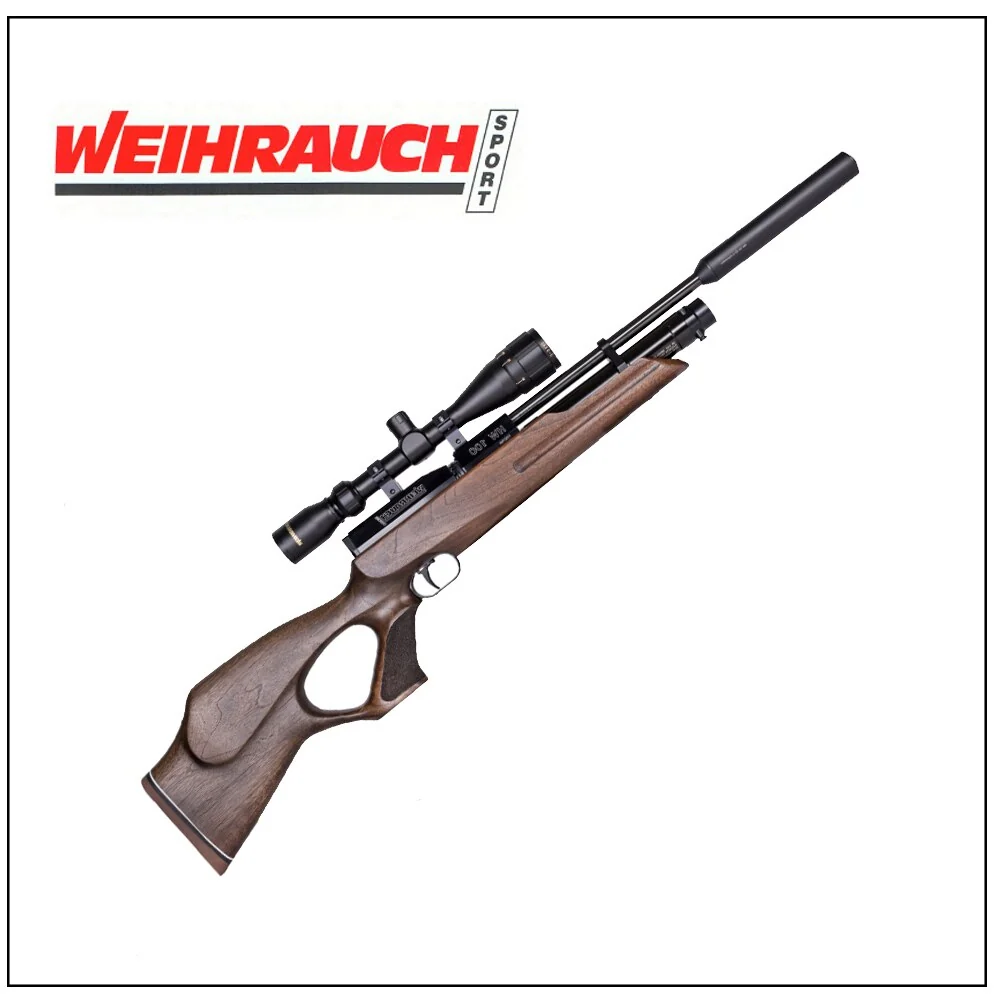
The KT configuration is built around a thumbhole-style stock and compact carbine proportions. A current adjustable-laminate version reviewed through Weihrauch’s own published material uses a 310mm barrel, measures approximately 958mm overall including the factory moderator, and weighs around 3.4kg before optics. It is offered in .177, .20 by special order in some markets, and .22, while every listed caliber uses a 14-shot rotary magazine.
The HW100 family uses a stainless-steel removable air cartridge, and Weihrauch specifies a defined 10-year service life for these cylinders when properly used. The inspection and expiry information is marked directly on the cylinder, making cylinder age an important point when buying either new or second-hand examples.
Weihrauch HW100KT
The Weihrauch HW100KT combines the proven HW100 pneumatic action with a thumbhole stock and shorter carbine-style layout.
Its main strengths include:
14-shot rotary magazine operation
Sidelever cocking
Adjustable two-stage trigger
Stainless-steel removable air cylinder
Pressure gauge
Scope-ready receiver
Compact handling
Low-recoil pneumatic firing behavior
Pre-Charged Pneumatic Operation
The rifle works by storing compressed air inside its cylinder.
Each shot uses a controlled portion of that stored air.
Why PCP Operation Matters
Unlike a spring rifle, no heavy piston accelerates during the firing cycle.
Consequently, the shooter experiences very little mechanical disturbance.
This can help with consistency, particularly during supported precision shooting.
14-Shot Rotary Magazine
The HW100 system uses a 14-shot rotary magazine across the common calibers listed for the platform.
Why Magazine Capacity Matters
Fourteen shots provide a useful balance between capacity and compact magazine dimensions.
The shooter can complete a substantial target string without manually inserting every pellet.
Two Supplied Magazines
Current HW100KT configurations are commonly supplied with two 14-shot magazines.
This can make longer sessions more convenient.
Sidelever Cocking
The HW100 action uses a sidelever system.
Why the Sidelever Matters
It allows the action to be cycled smoothly without requiring the barrel to move.
The lever operates the magazine indexing system and prepares the rifle for the next shot.
Adjustable Two-Stage Trigger
The rifle uses a two-stage adjustable trigger.
Why Trigger Quality Matters
A predictable release helps reduce unwanted rifle movement immediately before the shot.
Manual Safety
The safety is manually operated and resettable.
Correct muzzle direction and trigger discipline should still remain the primary safety practices.
Stainless-Steel Air Cylinder
The HW100 uses a stainless-steel pressure cylinder rather than an aluminium reservoir on the established HW100 platform.
Why Cylinder Condition Matters
The cylinder is a pressure vessel.
Its inspection markings, service-life date and physical condition should be checked carefully.
10-Year Cylinder Service Life
Weihrauch currently states that HW100 air cylinders have a 10-year service life when used correctly and as intended.
This is particularly important when evaluating a used rifle.
Pressure Gauge
The cylinder incorporates a pressure gauge.
Why the Gauge Matters
The shooter can monitor remaining pressure and plan refilling before performance falls outside the rifle’s useful operating range.
Filling Pressure
Traditional HW100 configurations are commonly operated around a 200-bar fill pressure, while exact markings on the fitted cylinder and current manual should always take priority. Weihrauch’s newer HW100 X uses a different 250-bar aluminium-cylinder system and should not be confused with the standard HW100KT.
Compact Barrel
A current adjustable-laminate KT configuration uses an approximately 310mm barrel.
Why the Shorter Barrel Matters
It helps reduce overall length while retaining the stable PCP firing characteristics expected from the HW100 platform.
Thumbhole Stock
The KT designation is associated with a thumbhole-style stock.
Why Thumbhole Ergonomics Matter
The more vertical firing-hand position can create a comfortable wrist angle and consistent trigger reach.
Adjustable Laminate Configuration
One of the latest published KT configurations uses an adjustable laminate stock.
The adjustable cheekpiece and stock geometry can help refine eye alignment behind an optic.
Scope-Ready Design
The receiver provides mounting space for a compatible telescopic sight.
Why Scope Setup Matters
The rifle’s precision potential is best supported by a securely mounted optic and repeatable cheek position.
How Precise Is the HW100KT?
The HW100 platform is designed around repeatable pneumatic operation, smooth loading and minimal firing disturbance.
However, final group size still depends on:
Pellet quality
Barrel condition
Optic setup
Trigger technique
Wind
Shooting position
Pellet Selection
Different pellets can group differently through the same barrel.
Quality ammunition should therefore be tested under controlled conditions.
Why Consistency Is More Important Than Maximum Velocity
High velocity alone does not guarantee accuracy.
Repeatable velocity, good pellet fit and stable shooting technique matter more.
Where the Rifle Fits Best
The platform is particularly well suited to lawful:
Precision target practice
Range shooting
Club shooting
General recreational airgun use
Any field use should comply fully with local laws and appropriate caliber and power requirements.
When the HW100KT Makes Sense
The rifle makes sense when a shooter wants:
Multi-shot PCP convenience
Compact handling
Low firing disturbance
High-quality trigger control
German engineering
A proven rotary magazine system
Weihrauch HW90
The Weihrauch HW90 belongs to a different operating family.
It uses a gas-ram powerplant rather than a PCP reservoir.
weihrauch
weihrauch is the German manufacturer responsible for the HW100 family and a long-established range of spring, gas-ram and pneumatic airguns.
weihrauch
The repeated weihrauch term also refers to the manufacturer generally, while the HW100KT should be evaluated according to its own PCP design.
hw 30
The hw 30 is a lightweight spring-powered break-barrel rifle.
It is very different from the multi-shot PCP system used here.
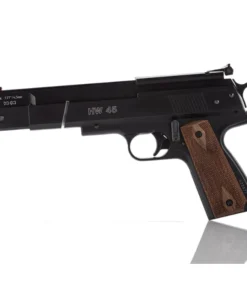
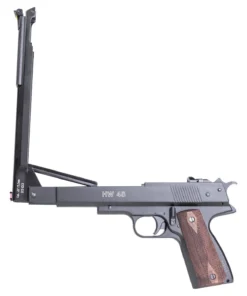
weihrauch hw45
The weihrauch hw45 is a spring-piston air pistol and belongs to another category.
weihrauch hw100
The weihrauch hw100 family is built around multi-shot PCP operation, removable air storage and smooth sidelever loading.
weihrauch hw 95
The weihrauch hw 95 is a conventional spring-powered break-barrel rifle.
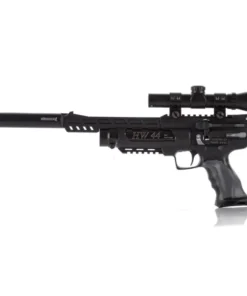
weihrauch hw44
The weihrauch hw44 is a PCP air pistol.
Although it shares compressed-air technology with the HW100 family, its dimensions and intended use differ considerably.
german air rifle
A german air rifle often appeals to buyers looking for precise machining, proven mechanical engineering and established manufacturing quality.
The HW100KT is manufactured by Weihrauch in Germany.
air rifles
Modern air rifles include spring-piston, gas-ram, CO₂ and pre-charged pneumatic designs.
The HW100KT belongs to the PCP category.
weihrauch hw95 hw100 airgun air pistols
The phrase weihrauch hw95 hw100 airgun air pistols combines several distinct product categories.
The HW95 is spring powered, while the HW100 is PCP operated and Weihrauch’s pistols use their own separate systems.
hw100 airgun
The hw100 airgun is one of Weihrauch’s established multi-shot PCP designs.
Its rotary magazine and sidelever system remain central features.
air pistols
air pistols use handgun-style ergonomics rather than the shoulder-fired layout of the HW100KT.
rifles de aire
rifles de aire means air rifles in Spanish.
The HW100KT belongs to the premium pneumatic rifle category.
hw50
The hw50 is a traditional break-barrel spring rifle and is substantially simpler than the HW100 platform.
what are air pistols
For what are air pistols, they are handgun-format air-powered platforms that may use PCP, spring, gas-ram or CO₂ systems.
The HW100KT is instead a shoulder-fired PCP rifle.
weihrauch hw50
The weihrauch hw50 uses break-barrel cocking rather than stored compressed air.
sk x rifles
The phrase sk x rifles does not describe a factory HW100 variant and should not be treated as an HW100 specification.
air shot gun
An air shot gun is a different category of air-powered equipment.
The HW100KT is a rifled pellet rifle.
air rifle makes
Among established air rifle makes, Weihrauch has produced both traditional mechanical rifles and modern PCP systems.
weihrauch hw97k
The weihrauch hw97k uses a fixed-barrel underlever spring-piston system.
It does not use a compressed-air cylinder.
compressed air rifles
compressed air rifles store pneumatic energy rather than producing it through a spring during every shot.
The HW100KT is a good example of this design philosophy.
hw97
The hw97 is a precision-oriented underlever spring rifle.
Its operating mechanism differs completely from the HW100KT.
weihrauch hw50s
The weihrauch hw50s is a lighter spring-powered sporting rifle.
weihrauch englisch
The phrase weihrauch englisch is commonly used by people searching for English-language Weihrauch product information and manuals.
hw50 s
The hw50 s is another way of writing the HW50S designation.
hw35 air rifle
The hw35 air rifle is one of Weihrauch’s long-standing break-barrel designs.
hw 97k
The hw 97k uses fixed-barrel spring power rather than PCP operation.
weihrauch hw80
The weihrauch hw80 is a substantial spring-powered break-barrel rifle.
weihrauch hw30
The weihrauch hw30 is a lightweight break-barrel rifle with a very different handling character.
hw35e for sale
A search for hw35e for sale relates to the HW35E rather than the HW100KT.
hw97k
The hw97k is built for fixed-barrel spring-rifle shooting and should not be assigned HW100 pneumatic specifications.
accurate air rifles
accurate air rifles depend on more than power.
Barrel quality, pellet compatibility, trigger control, regulator or valve consistency, sight stability and shooter technique all contribute.
hw35
The hw35 belongs to Weihrauch’s traditional break-barrel range.
weihrauch revolvers
weihrauch revolvers refer to handgun products and should not be confused with the manufacturer’s PCP rifles.
hw 50
The hw 50 is a compact spring-powered rifle.
hw 100 bullpup
The hw 100 bullpup refers to a bullpup interpretation of the HW100 platform.
Its shortened action layout differs from the conventional KT carbine.
hw75
The hw75 is an air pistol and belongs to another operating category.
hw95
The hw95 uses a traditional break-barrel spring system.
weirauch
weirauch is a common misspelling of Weihrauch.
weihrauch hw30s
The weihrauch hw30s is a light spring-powered rifle that differs substantially from the larger PCP platform.
hw50s
The hw50s remains one of Weihrauch’s traditional break-barrel designs.
Weihrauch HW90 air rifle
The Weihrauch HW90 air rifle uses gas-ram technology.
HW90 gas ram air rifle
The HW90 gas ram air rifle stores energy in a gas strut rather than a removable compressed-air reservoir.
Weihrauch gas ram rifle
A Weihrauch gas ram rifle usually refers to the HW90 system.
Weihrauch pellet gun
A Weihrauch pellet gun can refer broadly to one of the manufacturer’s many pellet-firing rifles or pistols.
The HW100KT occupies the premium multi-shot PCP segment.
CARABINA HATSAN PCP BT65 SB ELITE
The CARABINA HATSAN PCP BT65 SB ELITE is a separate PCP rifle from Hatsan.
Its specifications should not be transferred to the HW100KT.
hatsan air rifle
A hatsan air rifle belongs to a different manufacturer’s range.
hatsan sortie
The hatsan sortie is a semi-automatic pneumatic pistol platform.
hatsan velox
The hatsan velox is another pneumatic handgun platform.
hatsan jet 2
The hatsan jet 2 is a compact PCP pistol/carbine-style system.
hatsan model 95
The hatsan model 95 is a break-barrel sporting air rifle.
hatsan flash
The hatsan flash is a PCP rifle that uses its own magazine, stock and air-system specifications.
hatsanusa
hatsanusa refers to Hatsan’s United States distribution operation.
hatsan usa
hatsan usa is another common search term for the manufacturer’s American market presence.
hatsan harpoon
The hatsan harpoon belongs to a specialized pneumatic platform and is unrelated to the HW100KT.
hatsan mod 95
The hatsan mod 95 is another search variation for the Hatsan Model 95.
hatsan sortie tact
The hatsan sortie tact belongs to a semi-automatic PCP pistol range.
hatsan hercules
The hatsan hercules is a large-reservoir PCP rifle family.
hatsan
hatsan is a Turkish manufacturer whose airgun range should be evaluated independently from Weihrauch products.
Snowpeak PP750L PCP Air Pistol
The Snowpeak PP750L PCP Air Pistol is a compact pneumatic pistol/carbine platform rather than a full-size multi-shot sporting rifle.
snowpeak airguns
snowpeak airguns covers a broad range of rifles and pistols from Snowpeak.
snowpeak sports
snowpeak sports is the manufacturer associated with the Snowpeak airgun range.
snowpeak ap900
The snowpeak ap900 belongs to a separate product family and should not be assigned HW100 specifications.
snowpeak max
snowpeak max relates to other products in Snowpeak’s catalog.
snowpeak pp750
The snowpeak pp750 is a compact PCP pistol platform.
pp750
The pp750 operates using compressed air but is significantly smaller and lighter than the HW100KT.
snowpeak p35x
The snowpeak p35x is a compact bullpup PCP rifle.
pr900 gen 3
The pr900 gen 3 is another PCP rifle with its own operating specifications.
snow peak pp750
The snow peak pp750 should be evaluated as a separate compact pneumatic platform.
snowpeak p35
The snowpeak p35 belongs to the bullpup PCP category.
snowpeak m60b
The snowpeak m60b belongs to another rifle family and has no direct connection with the Weihrauch action.
Why the HW100KT Sidelever System Matters
The sidelever is one of the rifle’s most recognizable functional features.
The lever cocks the action and indexes the rotary magazine.
A smooth loading cycle helps the shooter maintain position between shots.
Why the Magazine Design Matters
The rotary magazine is mechanically straightforward and keeps the pellets arranged around a compact circular body.
With 14 available shots, the rifle provides useful repeating capability without an oversized magazine protruding excessively from the receiver.
Why Two Magazines Are Useful
Two magazines provide a convenient spare and reduce loading interruptions during longer target sessions.
Why PCP Operation Improves Stability
A PCP does not require a heavy spring and piston to move during the firing event.
As a result, the rifle experiences much less internal disturbance.
This makes it less sensitive to changes in hold technique than a spring-powered platform.
Why the Stainless-Steel Cylinder Matters
The removable stainless-steel cylinder is durable and forms an integral part of the rifle’s pneumatic system.
However, it is a pressure vessel and should always be treated accordingly.
The stamped service-life dates must be observed.
Why Cylinder Age Is Important When Buying Used
A second-hand rifle may look almost unused while its cylinder is approaching the end of its specified service life.
Therefore, cosmetic appearance alone is not enough.
Check the inspection and expiry markings before purchase.
Why the Pressure Gauge Matters
The gauge allows the shooter to monitor stored air.
This makes it easier to refill before pressure falls too low for optimum consistency.
Why the Trigger Matters
A clean two-stage trigger provides a predictable release.
This helps the shooter apply pressure gradually without disturbing the aim.
Why Stock Fit Matters
The KT thumbhole stock encourages a consistent firing-hand position.
On adjustable versions, cheek height and shoulder fit can be refined further.
Why the Compact Format Matters
A shorter carbine is easier to handle and transport than a long full-size rifle.
This is especially useful for shooters who want a premium PCP without unnecessary overall length.
Scope Selection
A suitable scope should provide reliable adjustments, a clear image and comfortable eye relief.
Very large optics add significant weight, so balance should be considered alongside magnification.
Scope Mount Security
Mounts should remain firmly attached to the receiver.
A moving scope can make a mechanically consistent rifle appear inaccurate.
Pellet Testing
Several quality pellets should be evaluated.
Testing should be performed at the same distance and pressure range.
Why Repeated Groups Matter
A single group does not provide enough information.
Multiple groups reveal whether the result is repeatable.
Pressure Consistency
The rifle should normally be operated within its intended pressure range.
Repeatedly starting sessions at similar pressure makes comparison easier.
Filling Equipment
Suitable high-pressure equipment may include:
A correctly rated hand pump
A PCP compressor
A certified high-pressure cylinder
The equipment should match the pressure requirements shown on the rifle and cylinder.
Why Clean Air Matters
Moisture and contamination should be minimized.
Clean, dry compressed air supports long-term pneumatic reliability.
Filling Slowly
A controlled filling rate is preferable.
Rapid compression generates heat and can make pressure readings less stable.
Routine Maintenance
Regular ownership should include:
Checking pressure retention
Inspecting the cylinder dates
Keeping the fill connection clean
Cleaning magazines when necessary
Checking the sidelever
Monitoring trigger feel
Protecting the barrel
Keeping scope mounts secure
Safe Storage
The rifle should be stored unloaded, dry and securely.
The pressure cylinder should be managed according to Weihrauch’s current manual and service guidance.
Legal Considerations
Power specifications vary between markets.
A rifle configured for one country may not have the same legal output as another version.
Local licensing, transport, storage and use regulations should therefore always be checked.
Why the HW100KT Offers Premium Value
Its value comes from the combination of:
German manufacturing
Multi-shot operation
14-shot magazines
Smooth sidelever
Adjustable two-stage trigger
Removable stainless-steel cylinder
Compact thumbhole configuration
Low firing disturbance
Established long-term platform design
Who May Appreciate the HW100KT Most
The rifle may particularly suit shooters who value:
Premium PCP engineering
Compact handling
Repeated target strings
Low recoil
Smooth operation
Traditional stock ergonomics
Consistent precision
Who May Prefer a Spring Rifle
A spring-powered rifle may make more sense for someone who wants to avoid:
Compressed-air equipment
Cylinder management
High-pressure filling
PCP seal maintenance
Who May Prefer a Larger PCP
A longer rifle may be preferred by someone who wants greater air capacity or a heavier bench-oriented configuration.
Why Proper Maintenance Matters
The HW100KT is mechanically refined, but PCP systems rely on seals, valves and compressed air.
Good maintenance preserves that refinement.
Final Section 1 Assessment
The Weihrauch HW100KT is a well-established premium PCP air rifle built around smooth multi-shot operation, compact dimensions, a refined trigger and traditional thumbhole ergonomics.
Current published information for an adjustable-laminate KT configuration lists a 310mm barrel, approximately 958mm overall length including moderator, around 3.4kg weight, and availability in .177, .20 and .22, with two 14-shot rotary magazines.
The sidelever is a major part of the shooting experience.
It cocks the action and indexes the magazine smoothly, allowing repeated shots to be taken without the movement required by a break-barrel or underlever rifle.
The PCP system also creates a calm firing cycle.
Because there is no heavy spring piston accelerating inside the action, much less mechanical disturbance is produced during the shot.
This makes the platform particularly attractive for deliberate precision shooting.
The removable stainless-steel air cylinder is another central feature.
However, buyers should understand that it is a pressure vessel rather than simply another rifle component.
Weihrauch currently specifies a 10-year service life for the stainless-steel cylinders used on the HW100, with manufacture and expiry information marked directly on the cylinder. Repairs or modifications to these cylinders should only be handled according to Weihrauch’s requirements.
The two-stage trigger provides a predictable release, while the thumbhole stock creates a stable firing-hand position.
On adjustable laminate variants, stock fit can be refined further to suit optic height and individual shooting position.
Precision still depends on correct setup.
A securely mounted scope, suitable pellets, consistent air pressure and careful trigger technique will matter more than simply chasing maximum velocity.
For shooters who want a compact, premium German PCP with proven magazine operation, smooth sidelever cycling and minimal firing disturbance, the HW100KT remains a highly refined platform.
Used with correctly rated filling equipment, a safe backstop, secure storage and full compliance with local airgun regulations, it can provide a dependable foundation for long-term recreational precision shooting.
Real-World Handling, PCP Performance, Magazine Operation, Precision, Air Management and Ownership
Overall Character of the Rifle
The Weihrauch HW100KT is a refined PCP air rifle built around smooth operation, controlled pneumatic performance, compact handling and repeatable multi-shot use.
Its design is noticeably different from a spring-powered platform.
There is no heavy piston moving during the firing cycle.
Instead, compressed air stored inside the removable cylinder powers each shot.
This creates a calmer firing sensation and reduces the amount of movement generated by the rifle itself.
That characteristic can be especially useful during precision target shooting, where consistency matters more than raw mechanical movement.
The rifle also combines that low-disturbance firing cycle with a compact thumbhole stock, sidelever loading system and rotary magazine.
Together, these elements create a platform that is easy to operate while remaining mechanically sophisticated.
Why the Compact Format Matters
A carbine-length rifle is easier to transport and handle than a long full-size platform.
Practical Advantages
The shorter format can reduce:
Carrying bulk
Case length
Storage space
Movement on a range bench
Why Compact Does Not Mean Unstable
The rifle still carries enough mass to feel planted.
The compact barrel and stock arrangement are designed to keep the center of mass manageable.
Balance
Balance affects how naturally the rifle settles into the shoulder.
Why Balance Matters
A rifle that is excessively front-heavy can tire the support arm.
A rifle that feels too light can move more easily under poor technique.
Thumbhole Stock
The thumbhole design helps establish a repeatable firing-hand position.
Why Hand Position Matters
Consistent contact with the grip supports repeatable trigger control.
Wrist Angle
The stock creates a more vertical hand position than many traditional sporting stocks.
Why This Can Improve Comfort
A straighter wrist angle may feel more natural during long shooting sessions.
Cheek Position
The stock should allow the shooter to return the head to the same location.
Why Cheek Position Matters
A repeatable eye position supports consistent sight alignment.
Adjustable Stock Versions
Some configurations allow further cheekpiece and butt adjustment.
Why Adjustability Helps
Different shooters may use different optic heights and shoulder positions.
Low-Recoil Firing Cycle
One of the most noticeable characteristics of the rifle is its low mechanical disturbance.
Why PCP Recoil Is Different
There is no spring-piston assembly accelerating inside the rifle.
Why This Helps Precision
The shooter does not need to manage the same hold sensitivity associated with a heavy spring-powered action.
Why Technique Still Matters
Low recoil does not remove the need for good shooting fundamentals.
Trigger Control
Trigger movement can still move the rifle.
Breathing
Poor breathing control can still destabilize the sight picture.
Follow-Through
Maintaining position after the shot remains important.
Sidelever Operation
The sidelever provides a smooth loading and cocking sequence.
Why Sidelever Operation Matters
The shooter can cycle the action without breaking position excessively.
Smooth Movement
The lever should feel consistent from shot to shot.
Why Changes in Resistance Matter
Unusual stiffness can indicate:
Magazine misalignment
Pellet damage
Mechanical contamination
Avoid Forcing the Lever
Unexpected resistance should be investigated rather than overcome with excessive force.
Magazine Design
The rotary magazine is one of the strongest practical elements of the rifle.
Why Magazine Capacity Matters
A high-capacity magazine reduces loading interruptions.
Multi-Shot Convenience
Repeated target strings become easier because individual pellets do not need to be manually inserted after every shot.
Magazine Loading
Pellets should be loaded carefully.
Why Pellet Damage Matters
Bent skirts or deformed heads can reduce accuracy.
Keep the Magazine Clean
Dust and pellet fragments should be removed when necessary.
Why Debris Matters
Small particles can interfere with indexing.
Spare Magazine Value
Having a second magazine can make longer sessions easier.
Why This Helps
One magazine can be prepared while the other is in use.
Single-Shot Precision
Although the rifle is magazine-fed, deliberate single-shot loading can still be useful where the setup permits.
Why Slower Shooting Can Help
A slower rhythm can improve concentration during pellet testing.
Trigger Quality
The two-stage trigger is central to the rifle’s precision-oriented character.
Why Two Stages Help
The first stage allows the shooter to prepare for the shot.
The second stage provides a defined release point.
Trigger Consistency
The trigger should feel predictable.
Why Predictability Matters
The shooter can concentrate on sight alignment rather than anticipating an inconsistent release.
Trigger Adjustment
Adjustment should remain within approved manufacturer limits.
Why Safe Limits Matter
An excessively light or incorrectly set trigger can become unsafe.
Manual Safety
The safety should engage and disengage correctly.
Why Mechanical Safety Is Only One Layer
Proper handling remains essential.
Muzzle Discipline
Keep the muzzle pointed in a safe direction.
Trigger Discipline
Keep the finger away from the trigger until ready to shoot.
Pneumatic System
The rifle relies on compressed air stored inside its cylinder.
Why Air Management Matters
The rifle’s performance depends on maintaining appropriate pressure.
Reservoir Condition
The removable cylinder should remain free from structural damage.
Inspect For
Dents
Deep scratches
Corrosion
Damaged threads
Why Cylinder Condition Is Critical
The cylinder is a pressure vessel.
Structural damage should never be treated as cosmetic only.
Cylinder Service Life
The cylinder’s date markings should be checked.
Why This Matters
The manufacturer defines a service life for the pressure cylinder.
Used-Rifle Buyers
Cylinder age is especially important when evaluating a second-hand rifle.
Why Appearance Is Not Enough
A clean rifle may still have an older pressure cylinder approaching the end of its service period.
Filling Pressure
The cylinder should only be filled within its approved pressure range.
Why Overfilling Is Dangerous
Excess pressure can place unnecessary stress on seals and components.
Filling Equipment
Only correctly rated PCP equipment should be used.
Suitable Options
A certified high-pressure cylinder
A PCP compressor
A suitable hand pump
Why Improvised Equipment Should Be Avoided
High-pressure air requires compatible hoses, fittings and connectors.
Controlled Filling
The cylinder should be filled gradually.
Why Slow Filling Helps
Compressed air warms during filling.
Why Temperature Matters
A warm cylinder can show a temporarily elevated pressure reading.
Gauge Monitoring
The pressure gauge should be watched during filling.
Why This Should Become Habit
It reduces the risk of overfilling.
Fill Connector Cleanliness
The fill area should remain clean.
Why Dirt Can Cause Problems
Contamination can damage seals.
Pressure Retention
A healthy system should retain pressure normally between sessions.
Possible Signs of Leakage
Pressure falling unexpectedly
Audible hissing
Reduced shot count
Why Leak Diagnosis Should Be Careful
Pressure can escape from several different parts of the system.
Possible Leak Areas
Fill valve
Gauge seal
Cylinder fitting
Regulator
Main valve
Why Internal Repairs Should Be Professional
High-pressure systems require specific technical knowledge.
Regulated Performance
The rifle’s regulated pneumatic system helps support consistency.
Why Regulation Matters
Reservoir pressure gradually decreases during use.
The regulator helps provide a more stable working pressure to the firing system.
Practical Benefit
This can support:
Consistent velocity
Stable point of impact
Repeatable group size
Why Regulation Is Not Everything
Accuracy still depends on:
Pellets
Barrel condition
Scope
Trigger technique
Wind
Shot Count
Usable shot count varies with:
Caliber
Power level
Cylinder capacity
Pellet weight
Temperature
Why Advertised Shot Count Can Differ
Different market versions may operate at different power levels.
Practical Refill Point
The rifle should be refilled before pressure falls too low.
Why This Matters
Once the pressure falls outside the regulator’s intended working range, shot behavior may begin to change.
Keep a Shooting Log
Recording starting and ending pressure can be useful.
Why This Helps
It makes air consumption easier to understand.
Pellet Selection
Pellet choice is one of the most important factors in precision.
Why Different Pellets Behave Differently
Pellets vary in:
Weight
Head diameter
Skirt design
Manufacturing consistency
Controlled Testing
Several quality pellets should be compared under the same conditions.
Keep Constant
Distance
Pressure range
Scope settings
Rest position
Why This Makes Testing Better
Only one variable changes at a time.
Pellet Condition
Inspect pellets before loading.
Reject Pellets With
Bent skirts
Damaged heads
Visible contamination
Why Damaged Pellets Matter
They may not engage the barrel consistently.
Pellet Storage
Keep ammunition clean and dry.
Why This Helps
Contamination can affect both the barrel and magazine.
Barrel Condition
The barrel should remain protected from damage.
Why Barrel Health Matters
Precision depends heavily on the bore and crown.
Cleaning Frequency
Clean only when performance indicates a need.
Why Overcleaning Can Be Harmful
Aggressive cleaning can damage the bore.
Use Proper Tools
Only suitable cleaning equipment should be used.
Muzzle Condition
The crown should remain protected.
Why This Matters
Pellet exit can be affected by damage.
Scope Selection
A quality optic complements the rifle’s precision potential.
Why Optical Quality Matters
Clear glass and repeatable adjustments improve confidence in the sight picture.
Scope Mounts
Mounts should fit the receiver correctly.
Why Loose Mounts Cause Problems
A moving optic can make the rifle appear inaccurate.
Scope Height
The optic should be mounted at a height that works with the stock.
Why Correct Height Matters
The shooter should not need to lift or lower the head unnaturally.
Eye Relief
The scope should provide a full sight picture in the normal shooting position.
Why Repeatable Eye Position Matters
Consistent head placement improves aiming.
Zeroing
The rifle should be zeroed under stable conditions.
Why Stable Conditions Matter
Wind can affect point of impact.
Make Small Adjustments
Incremental changes are easier to evaluate.
Confirm With Several Groups
A single group is not enough.
Why Repeated Groups Matter
They show whether the result is repeatable.
Bench Shooting
The rifle is especially comfortable from a supported position.
Why Bench Use Works Well
Low recoil, smooth loading and a stable stock make the rifle easy to settle.
Rest Placement
Support should remain consistent.
Why Contact Point Matters
Changing where the rifle rests can alter body position.
Standing Shooting
The compact format can also work well from standing.
Why Standing Is More Demanding
The shooter must control body movement.
Kneeling and Seated Positions
These can provide a useful balance between support and mobility.
Why Position Practice Matters
Each position changes stock contact and balance.
Breathing Control
Natural breathing supports steadiness.
Why Excessive Breath-Holding Is Unhelpful
It increases muscle tension.
Trigger Technique
Pressure should be applied smoothly.
Why Jerking Hurts Accuracy
Sudden movement can disturb the sight picture.
Follow-Through
Maintain aim after the shot.
Why This Helps
It reinforces consistent technique.
Low Recoil and Learning
The calm firing cycle makes it easier to observe shooting errors.
Why This Can Improve Practice
The shooter can focus more directly on trigger and sight control.
Chronograph Use
A chronograph can help evaluate consistency and legal compliance.
Why Velocity Data Is Useful
It can reveal unusual shot-to-shot variation.
Why Maximum Velocity Is Not the Main Goal
Stable velocity is more useful for accuracy than the highest possible number.
Indoor Testing
Indoor conditions remove most wind variation.
Why This Helps
Mechanical consistency becomes easier to evaluate.
Outdoor Shooting
Wind introduces additional variables.
Why Wind Matters
Pellets are relatively light and can drift.
Temperature
Temperature can affect air pressure and shooter comfort.
Why Recording Conditions Helps
Differences between sessions become easier to understand.
Backstop Selection
A safe pellet backstop is essential.
Why Hard Surfaces Are Risky
Pellets can ricochet.
Pellet Trap
A dedicated trap is useful for paper-target work.
Why Trap Quality Matters
It should capture pellets safely.
Eye Protection
Protective eyewear is recommended.
Why This Still Matters
Fragments and ricochets can occur.
Noise
The rifle is quieter in mechanical operation than many spring rifles.
Why Quiet Does Not Mean Silent
Valve noise and pellet impact remain.
External Cleaning
The rifle should be wiped after use.
Why Fingerprints Matter
Skin oils and moisture can remain on metal surfaces.
Stock Care
Stock maintenance depends on the exact material.
Why Wood Needs More Care
Natural wood can react to moisture.
Why Laminate Is Stable
Layered construction resists dimensional change better than many traditional solid stocks.
Why Synthetic Stocks Are Easier
Synthetic material requires less cosmetic care.
Magazine Storage
Magazines should be kept clean and protected.
Why Dirt Can Create Feeding Problems
Debris can interfere with rotation.
Fill Equipment Storage
Hoses and adapters should remain clean and dry.
Why Hose Condition Matters
Damaged high-pressure hoses should not be used.
Compressor Maintenance
A compressor should be serviced according to its own instructions.
Why Air Quality Matters
Moisture and contamination should be minimized.
High-Pressure Cylinder Care
A separate charging cylinder must remain certified and serviceable.
Why Certification Matters
The filling cylinder is also a pressure vessel.
Moisture Control
Clean, dry air is preferable.
Why Moisture Is Undesirable
It can contribute to internal corrosion.
Pre-Shooting Routine
Before each session:
Check cylinder pressure
Check magazine condition
Inspect the barrel
Check scope mounts
Confirm safety function
Confirm the backstop
Why Preparation Matters
It reduces avoidable interruptions.
During the Session
Monitor:
Pressure
Magazine indexing
Point of impact
Action smoothness
Why Sudden Changes Matter
Unexpected behavior may indicate a developing issue.
Post-Shooting Routine
After use:
Unload
Remove the magazine
Confirm safe condition
Wipe surfaces
Store securely
Why Routine Care Works
Small maintenance habits support reliability.
Seal Condition
Seals are normal wear items.
Possible Signs of Wear
Pressure loss
Reduced shot count
Difficulty filling
Why Early Service Helps
Minor leaks can be easier to address before they worsen.
Regulator Condition
The regulator should support stable operation.
Possible Warning Signs
Velocity changes
Changing point of impact
Unusual air use
Why These Symptoms Need Careful Interpretation
The cause may also be ammunition or optics.
Accuracy Troubleshooting
Start with the simplest variables.
Check
Pellet condition
Scope security
Pressure range
Barrel cleanliness
Shooting technique
Why This Order Helps
It reduces unnecessary internal repairs.
Feeding Troubleshooting
If loading becomes rough, inspect the magazine and pellets.
Why Damaged Pellets Can Be a Clue
Crushed or shaved pellets may indicate alignment problems.
Pressure Troubleshooting
Check external fittings first.
Why Internal Disassembly Should Not Be the First Step
The high-pressure system is safer in competent hands.
Used-Rifle Evaluation
A used example should be inspected carefully.
Check
Cylinder age
Pressure retention
Stock condition
Magazine function
Sidelever operation
Trigger feel
Gauge
Barrel
Ask About
Service history
Leak history
Storage
Modifications
Why Modification History Matters
Unapproved changes can affect:
Reliability
Safety
Legality
Cylinder Date Verification
Always inspect the actual cylinder markings.
Why This Matters
The pressure vessel has a manufacturer-defined service period.
Pressure Retention Test
If safe and permitted, confirm that the rifle holds pressure.
Why This Is Important
A leak may add immediate service cost.
Magazine Inspection
Confirm smooth indexing.
Why Magazine Condition Affects Value
Replacement magazines add expense.
Sidelever Inspection
The action should operate smoothly.
Why Rough Operation Matters
It can indicate feeding or mechanical issues.
Trigger Inspection
The trigger should feel safe and predictable.
Why Extremely Light Is Not Automatically Better
Consistency matters more than minimum pull weight.
Included Accessories
Confirm what comes with the rifle.
Useful Items May Include
Magazines
Fill adapter
Manual
Case
Why Missing Accessories Matter
Model-specific components may cost more to replace.
Warranty
Check whether valid coverage remains.
Why Dealer Support Matters
Reliable technical support makes long-term ownership easier.
Replacement Parts
Use parts intended for the exact configuration.
Why Similar Parts May Not Fit
Cylinder, seal and magazine specifications can differ.
Service Records
Keep documentation of major work.
Useful Entries
Cylinder replacement
Seal replacement
Regulator service
Gauge replacement
Trigger service
Why Records Add Value
They simplify future troubleshooting.
Long-Term Ownership Cost
Potential expenses include:
Pellets
Filling equipment
Optics
Magazines
Seals
Cylinder replacement
Servicing
Why PCP Ownership Has Additional Costs
A compressed-air source is required.
Why the Platform Can Still Offer Good Value
The return is low-recoil, smooth multi-shot operation.
Transport
The rifle should be unloaded and cased where required.
Why a Protective Case Helps
It protects:
Stock
Scope
Barrel
Cylinder
Magazine
Avoid Rough Handling
Impacts can damage optics or the pressure cylinder.
Storage
The rifle should be stored securely and dry.
Why Humidity Matters
Moisture can affect metal surfaces and stock finishes.
Avoid Extreme Heat
Do not leave the rifle in a hot vehicle for extended periods.
Why Heat Matters
Temperature changes can influence air pressure.
Legal Compliance
Airgun laws vary considerably.
Possible Requirements
Power limits
Licensing
Age restrictions
Transport rules
Storage rules
Field-use restrictions
Why Exact Market Specification Matters
Different countries can receive different power configurations.
Responsible Use
Use only where a safe backstop is available.
Why Property Boundaries Matter
Pellets should remain within the controlled area.
Range Preparation
Bring:
Pellets
Loaded or empty magazines as appropriate
Eye protection
Filling equipment if needed
Why Preparation Helps
It reduces interruptions.
Precision Baseline
Establish a normal performance level.
Why This Helps
Future changes become easier to diagnose.
Keep the Same Pellet
Use a known good pellet for baseline testing.
Why Constant Changes Create Confusion
Too many variables make troubleshooting harder.
Pressure Baseline
Start accuracy tests within the same pressure range.
Why This Matters
It makes comparisons more meaningful.
Scope Baseline
Keep optic settings unchanged during pellet testing.
Why This Helps
Ammunition performance can be evaluated fairly.
Long-Term Reliability Strategy
Reliable ownership depends on straightforward habits.
Keep the Air System Clean
Protect seals and fittings.
Monitor Cylinder Age
Plan replacement before expiry.
Keep Magazines Clean
Support smooth feeding.
Keep Optics Secure
Maintain zero.
Address Leaks Early
Prevent larger issues.
Avoid Unnecessary Internal Work
Reduce the chance of damage.
Precision Strategy
The best results come from controlling variables.
Keep Consistent
Pellet type
Pressure range
Scope setup
Shooting position
Trigger technique
Why This Works
Performance changes become easier to interpret.
Avoid Constant Modification
A properly functioning rifle often benefits more from practice than unnecessary mechanical changes.
Who May Appreciate the Rifle Most
The platform may suit shooters who value:
Compact handling
Low recoil
Multi-shot convenience
Smooth sidelever cycling
Premium build quality
Consistent precision
Who May Prefer Another System
A spring rifle may suit someone who wants:
No filling equipment
No pressure-cylinder management
Simpler long-term infrastructure
Who May Prefer a Larger PCP
A longer rifle may suit someone who prioritizes:
Greater air capacity
Higher shot count
Heavier bench stability
Practical Strengths
The strongest features include:
Smooth multi-shot operation
Low mechanical disturbance
14-shot magazines
Compact dimensions
Refined trigger
Removable air cylinder
Thumbhole ergonomics
Practical Limitations
Possible limitations include:
Need for high-pressure filling equipment
Cylinder service-life management
Seal maintenance
Higher ownership complexity than a spring rifle
Why Understanding the Platform Matters
The rifle is built around refined PCP operation rather than mechanical simplicity.
New Owner Setup
A new owner should begin by:
Reading the manual
Checking cylinder dates
Learning the filling procedure
Learning magazine operation
Mounting the scope correctly
Testing quality pellets
Why Baseline Testing Matters
Normal performance should be established before adjustments are made.
Why This Helps Troubleshooting
A known reference makes later comparison easier.
Final Section 2 Assessment
The Weihrauch HW100KT combines low-recoil PCP operation, a smooth sidelever action, high-capacity rotary magazines and compact thumbhole ergonomics into a refined precision-oriented platform.
Its most important practical advantage is the calm firing cycle.
Because the rifle does not rely on a moving spring-piston assembly, far less mechanical disturbance occurs during pellet release.
This makes the rifle easier to shoot consistently from a bench, seated position or other supported setup.
The sidelever and rotary magazine also make repeated target strings straightforward.
The shooter can remain in position, cycle the action and continue shooting without manually inserting every pellet.
Air management is an important part of ownership.
The removable cylinder should remain within its approved pressure range, be filled only with suitable equipment and be checked for age and condition.
The fill system should remain clean, and any persistent leak should be investigated early.
Long-term precision depends on controlling the variables that matter most.
Quality pellets, secure optics, stable air pressure, smooth trigger technique and a consistent shooting position all contribute more to performance than simply chasing the highest velocity.
The magazine, sidelever and barrel should be kept clean and protected, while the trigger and safety should remain predictable.
For shooters who value smooth multi-shot operation, compact handling and low mechanical disturbance, the HW100KT offers a highly refined PCP experience when maintained correctly, filled with properly rated equipment and used within applicable local airgun laws.
Section 3 – Long-Term Reliability, Precision Management, Cylinder Care, Service, Storage and Buyer Guidance
Long-Term Ownership Perspective
The Weihrauch HW100KT is a refined PCP rifle, but long-term performance depends on more than its initial build quality.
The rifle combines a pressure cylinder, regulator, firing valve, sidelever, rotary magazine, trigger system, stock, barrel and sighting arrangement.
Each part contributes to the overall shooting experience.
A perfectly functioning action can still produce disappointing results if the scope mounts are loose.
A clean barrel can still be undermined by damaged pellets.
A precise trigger can still be affected by an ageing pressure system.
For that reason, long-term ownership should focus on the complete system rather than one component at a time.
Why Preventive Maintenance Matters
PCP rifles generally reward owners who deal with small problems early.
A minor leak can become a larger one.
A worn magazine can eventually create feeding issues.
A damaged O-ring can cause repeated filling problems.
Regular inspection reduces the chance of unexpected faults.
Useful Areas to Monitor
Cylinder condition
Cylinder date markings
Pressure retention
Gauge behavior
Magazine operation
Sidelever feel
Trigger consistency
Barrel condition
Scope security
Cylinder Condition
The removable air cylinder is one of the most important parts of the rifle.
Why It Deserves Special Attention
It stores compressed air under substantial pressure.
The cylinder should therefore be treated as a pressure vessel rather than as a simple external accessory.
Inspect the Cylinder
Look for:
Dents
Deep scratches
Corrosion
Thread damage
Impact marks
Why Surface Damage Matters
Light cosmetic marks may be harmless.
Deep or structural damage deserves professional evaluation.
Cylinder Age
The date markings on the cylinder should be checked regularly.
Why Age Matters
The manufacturer defines a service-life period for this pressure vessel.
Used-Rifle Buyers
Cylinder age is especially important when buying second-hand.
Why Cosmetic Condition Can Be Misleading
A rifle may look excellent while the pressure cylinder is nearing the end of its defined service period.
Replacing the Cylinder
Replacement planning should be treated as part of long-term ownership.
Why Planning Ahead Helps
A known service-life date makes future costs easier to anticipate.
Fill Pressure Discipline
The cylinder should never be filled beyond the rating shown for the exact configuration.
Why Overfilling Is Not Beneficial
More pressure does not automatically produce better performance.
It can place unnecessary stress on seals, fittings and the cylinder.
Filling Slowly
A controlled fill is preferable.
Why Rapid Filling Generates Heat
Compressed air warms during filling.
Why This Matters
A warm cylinder can show a temporarily higher gauge reading.
Pressure Gauge
The gauge should remain easy to read.
Why Gauge Condition Matters
Safe filling depends on reliable pressure information.
Fill Connector Care
The fill system should remain clean.
Why Dirt Is a Problem
Debris can damage sealing surfaces and O-rings.
Keep the Adapter Protected
The charging connector should be stored in a clean and dry place.
Pressure Retention
A healthy rifle should retain pressure normally between sessions.
Signs of Possible Leakage
Unexpected pressure loss
Audible hissing
Reduced shot count
Frequent need for topping up
Why Leaks Need Careful Diagnosis
Pressure loss can come from multiple points.
Possible Sources
Fill valve
Gauge seal
Cylinder fitting
Regulator
Main firing valve
Why Internal Repairs Should Be Professional
High-pressure pneumatic systems require correct tools and experience.
Seal Condition
Seals are normal wear items.
Common Signs of Seal Wear
Slow leaks
Difficulty filling
Unexpected air consumption
Why Early Service Helps
A small leak is generally easier to manage before it develops into a more serious problem.
Regulator Health
The regulator plays an important role in shot consistency.
Why Regulation Matters
It helps supply the firing system with a more stable working pressure as cylinder pressure gradually falls.
Possible Regulator Warning Signs
Velocity variation
Unexpected point-of-impact shifts
Changing air consumption
Inconsistent shot feel
Why These Signs Are Not Definitive
Similar symptoms can also come from:
Pellet variation
Optic movement
Barrel contamination
Temperature changes
Shooter error
Diagnose External Causes First
Simple variables should be checked before assuming a regulator fault.
Shot Count Tracking
A basic shooting log can be useful.
Record
Starting pressure
Ending pressure
Approximate shot number
Pellet type
Why Records Help
Changes in normal efficiency become easier to spot.
Practical Refill Point
The rifle should normally be refilled before pressure falls too low.
Why This Matters
Once pressure drops outside the regulator’s effective operating range, shot consistency may begin to change.
Magazine Reliability
The rotary magazine should remain clean and smooth.
Why Magazine Health Matters
Feeding quality affects the entire shot cycle.
Clean the Magazine
Remove:
Dust
Pellet flakes
Visible debris
Why Small Debris Matters
It can interfere with indexing.
Loading Pellets
Pellets should be placed carefully.
Why Force Is Unhelpful
Deformed skirts can reduce precision.
Magazine Indexing
The magazine should advance correctly.
Why Rough Indexing Matters
Poor alignment can create feeding problems.
Spare Magazine Care
The second magazine should be maintained just as carefully as the first.
Why This Matters
A neglected spare may fail when needed.
Sidelever Reliability
The sidelever should remain smooth.
Why Feel Matters
The owner becomes familiar with the rifle’s normal operating resistance.
Warning Signs
Sudden stiffness
Grinding
Failure to index
Difficulty closing
Avoid Forcing the Lever
Resistance should be investigated rather than overcome with excessive force.
Trigger Consistency
The trigger should feel the same from session to session.
Why This Matters
A predictable trigger supports both accuracy and safety.
Possible Warning Signs
Unexpected creep
Changing release weight
Inconsistent second stage
Safety problems
Trigger Adjustment
Any adjustment should remain within approved limits.
Why Over-Adjustment Is Risky
An excessively light trigger can become unsafe.
Safety Operation
The manual safety should function normally.
Why Safety Is Only One Layer
Good handling habits remain essential.
Muzzle Discipline
Keep the rifle pointed safely.
Trigger Discipline
Keep the finger away from the trigger until ready to fire.
Barrel Condition
The barrel should remain clean enough to perform consistently.
Why Barrel Health Matters
The bore guides the pellet and influences accuracy directly.
Cleaning Frequency
Cleaning should be based on actual performance.
Why Overcleaning Can Be Harmful
Aggressive cleaning can damage the bore or crown.
Use Proper Equipment
Only suitable cleaning tools should be used.
Muzzle Crown
The muzzle should remain protected from impact.
Why Crown Condition Matters
The pellet leaves the barrel at this point.
Pellet Selection
Pellet compatibility is a major part of precision.
Why Different Pellets Behave Differently
Pellets vary in:
Weight
Head size
Skirt geometry
Manufacturing consistency
Use Repeated Groups
Several groups should be tested.
Why One Group Is Not Enough
Chance can produce an unusually good or poor result.
Establish a Baseline Pellet
Once a reliable pellet is identified, use it as a reference.
Why This Helps
Future changes in performance become easier to diagnose.
Pellet Storage
Keep pellets clean and dry.
Why Contamination Matters
Dirty pellets can affect both barrel condition and magazine operation.
Scope Reliability
The optic should remain securely mounted.
Why Loose Optics Create Confusion
A moving scope can make a mechanically sound rifle appear inaccurate.
Mount Inspection
Check rings and rail attachment periodically.
Why Small Movement Matters
Even slight movement can shift point of impact.
Eye Relief
The scope should remain correctly positioned.
Why This Matters
A repeatable head position supports consistent shooting.
Zero Retention
The rifle should maintain zero under normal conditions.
Why Zero Can Shift
Possible causes include:
Loose mounts
Transport impact
Pellet changes
Temperature
Check Hardware Before Adjusting Turrets
It is easy to chase a mechanical problem with unnecessary sight corrections.
Stock Condition
The stock should remain structurally sound.
Why Stock Stability Matters
The action and shooter both depend on a consistent interface.
Thumbhole Area
Check for cracks or impact damage.
Why This Area Matters
It carries part of the firing-hand load.
Adjustable Components
If the stock includes an adjustable cheekpiece or butt section, make sure it locks securely.
Why Loose Adjustments Matter
A shifting cheekpiece changes head position.
Grip Consistency
The rifle should be held consistently.
Why Low Recoil Does Not Eliminate Technique
The rifle may be mechanically calm, but shooter input still affects aim.
Trigger Finger Position
Use the same finger placement.
Why Side Pressure Matters
Poor finger position can move the rifle laterally.
Shoulder Contact
Keep shoulder pressure consistent.
Why Consistency Matters
The rifle should return to the same position for each shot.
Breathing
Use a natural breathing rhythm.
Why Excessive Breath-Holding Is Unhelpful
It can increase tension.
Follow-Through
Maintain aim after firing.
Why This Helps
It reinforces consistency.
Bench Precision
The rifle is particularly well suited to supported shooting.
Why the Platform Works Well Here
Low mechanical disturbance and a stable stock make precision easier to evaluate.
Rest Placement
Use the same support point.
Why This Matters
Changing rest position can change body alignment.
Standing Shooting
The compact format can also work well unsupported.
Why Standing Is More Demanding
Body movement becomes a larger factor.
Kneeling and Seated Shooting
These positions provide additional stability.
Why Position Practice Helps
Different positions reveal different ergonomic strengths and weaknesses.
Chronograph Use
A chronograph is useful for checking consistency.
Why Velocity Data Matters
It can reveal unusual shot variation.
Why Maximum Velocity Is Not the Goal
Stable velocity is more useful than the highest possible number.
Legal Compliance
Chronograph testing can also help confirm compliance with local power limits.
Why This Matters
Airgun regulations can vary significantly.
Indoor Accuracy Testing
Indoor shooting removes wind.
Why This Helps
Mechanical and shooter variables are easier to isolate.
Outdoor Accuracy Testing
Outdoor conditions add more uncertainty.
Wind
Pellets can drift significantly.
Temperature
Temperature can affect air pressure and shooting conditions.
Why Conditions Should Be Recorded
They help explain changes between sessions.
Backstop Selection
A proper backstop is essential.
Why Hard Surfaces Are Poor Choices
They can create ricochets.
Pellet Trap
A dedicated trap is useful for paper targets.
Why Trap Quality Matters
It should capture pellets safely.
Eye Protection
Protective eyewear is recommended.
Why This Still Matters
Ricochets and fragments can occur.
External Cleaning
The rifle should be wiped after use.
Why Fingerprints Matter
Skin oils and moisture can affect metal surfaces.
Stock Care
Maintenance depends on the stock material.
Wood
Wood should be kept dry and protected.
Laminate
Laminate is more dimensionally stable but still benefits from careful cleaning.
Synthetic
Synthetic material requires less cosmetic maintenance.
Why Harsh Chemicals Should Be Avoided
Strong solvents can damage finishes or plastics.
Cylinder Finish Care
The exterior of the pressure cylinder should remain clean.
Why Corrosion Matters
Any pressure-vessel corrosion deserves attention.
Fill Equipment Storage
Hoses and connectors should remain clean and dry.
Why Hose Condition Matters
Damaged high-pressure hoses should not be used.
Compressor Maintenance
A PCP compressor should be serviced properly.
Why Air Quality Matters
Moisture and contamination should be minimized.
High-Pressure Filling Cylinder
A separate dive or carbon cylinder must also remain within its own inspection requirements.
Why This Is Important
The filling source is itself a pressure vessel.
Moisture Control
Dry air is preferable.
Why Internal Moisture Is Undesirable
It can contribute to corrosion and seal issues.
Pre-Shooting Inspection
Before each session, check:
Cylinder pressure
Cylinder condition
Magazine
Sidelever
Scope mounts
Barrel
Safety
Why This Routine Helps
Small issues can be identified before use.
During the Session
Monitor:
Point of impact
Pressure
Magazine indexing
Sidelever feel
Why Sudden Changes Matter
Unexpected behavior may indicate a developing issue.
Post-Shooting Routine
After use:
Unload
Remove the magazine
Confirm safe condition
Wipe surfaces
Store securely
Why Routine Care Works
Small maintenance habits support long-term reliability.
Storage Environment
The rifle should be kept dry and secure.
Avoid
High humidity
Extreme heat
Direct water exposure
Chemical fumes
Why Humidity Matters
Moisture can contribute to corrosion.
Why Heat Matters
Temperature changes can influence cylinder pressure.
Protective Case
A padded case helps protect the rifle.
Why Scope Protection Matters
Optics are vulnerable to impact.
Why Cylinder Protection Matters
The pressure vessel should not be knocked or dropped.
Case Moisture
Do not store a damp rifle in a closed case.
Why Foam Can Trap Moisture
Water can remain against metal surfaces.
Long-Term Storage
Follow manufacturer guidance for pressure-cylinder storage.
Why Periodic Inspection Still Matters
Seals and fittings can age even when the rifle is not being used.
Return to Use After Storage
Check:
Cylinder dates
Pressure retention
Magazine condition
Sidelever operation
Scope security
Why the First Session Should Be Controlled
It allows the rifle to be evaluated gradually.
Service Intervals
There is no single service interval that fits every owner.
Service Needs Depend On
Shot volume
Seal condition
Pressure retention
Mechanical feel
Cylinder age
When Professional Service Is Appropriate
Seek experienced help if:
The rifle will not hold pressure
The regulator appears inconsistent
The sidelever behaves abnormally
The trigger changes unexpectedly
The gauge is damaged
Why Specialized Knowledge Matters
The rifle combines high-pressure pneumatics with precision mechanical parts.
Replacement Parts
Use components intended for the exact configuration.
Why Similar Parts May Still Be Wrong
Seals, magazines and cylinders can differ between variants.
Useful Spare Items
Potential spares include:
Magazine
Fill-seal components
Approved O-rings
Factory screws
Why Exact Fit Matters
Incorrect components can create reliability problems.
Service Records
Keep documentation of major work.
Useful Entries
Cylinder replacement
Seal service
Regulator service
Gauge replacement
Trigger service
Why Documentation Helps
It simplifies future diagnosis and resale.
Used-Rifle Evaluation
A second-hand example should be inspected carefully.
Check the Cylinder
Look at:
Date markings
Surface condition
Threads
Gauge
Why This Comes First
The pressure vessel can be one of the most expensive service-related items.
Check Pressure Retention
If safe and permitted, confirm that the rifle holds air.
Why This Matters
Persistent leakage may require immediate servicing.
Check the Magazine
Confirm smooth indexing.
Why Magazine Condition Matters
Poor feeding can damage pellets.
Check the Sidelever
It should move smoothly.
Why Rough Operation Matters
It can indicate feeding or mechanical problems.
Check the Trigger
It should feel safe and predictable.
Why Very Light Is Not Automatically Better
Reliability matters more than minimum pull weight.
Check the Stock
Look for:
Cracks
Loose adjustment hardware
Major impact damage
Check the Barrel
Inspect for external damage and signs of poor maintenance.
Check the Scope Rail
Ensure mounts have not damaged the receiver.
Ask About Service History
Useful questions include:
When was the cylinder replaced?
Has the regulator been serviced?
Have seals been replaced?
Has the rifle been modified?
Why Modification History Matters
Unapproved changes can affect reliability, safety and legality.
Included Accessories
Confirm what is included.
Useful Items May Include
Two magazines
Fill adapter
Manual
Case
Why Missing Parts Affect Value
Model-specific components can be expensive to replace.
Warranty
Check whether coverage remains.
Why Dealer Support Matters
Access to knowledgeable service can make ownership easier.
Long-Term Ownership Cost
Potential costs include:
Pellets
Scope
Filling equipment
Magazines
Seals
Cylinder replacement
Professional service
Why PCP Ownership Costs More Than Spring-Rifle Ownership
A PCP requires compressed-air infrastructure and pressure-vessel management.
Why Many Shooters Accept This
The benefit is smooth multi-shot operation with very low firing disturbance.
Transport
The rifle should be unloaded and cased where required.
Why a Protective Case Helps
It protects:
Scope
Stock
Barrel
Cylinder
Magazine
Avoid Rough Handling
Impacts can damage both optics and pressure-system components.
Local Transport Rules
Requirements vary by jurisdiction.
Why This Should Be Checked
Transport rules may differ from ownership rules.
Secure Storage
The rifle should remain inaccessible to unauthorized users.
Why Responsible Storage Matters
Air rifles can cause serious injury.
Pellet Storage
Ammunition should remain clean and dry.
Why This Supports Precision
Damaged pellets create unnecessary variation.
Safe Backstop
Every shot should have an appropriate stopping area.
Why Knowing What Is Behind the Target Matters
A missed pellet still needs to stop safely.
Range Discipline
Follow all local range procedures.
Why Consistency Matters
Safety routines should not change with experience level.
Long-Term Precision Strategy
Accuracy is easiest to preserve when variables remain stable.
Keep Consistent
Pellet type
Pressure range
Scope setup
Grip
Shooting position
Why This Works
Performance changes become easier to interpret.
Avoid Constant Adjustment
Too many changes make troubleshooting harder.
Establish a Known Baseline
Record normal group performance.
Why Baselines Matter
A genuine decline becomes easier to recognize.
Long-Term Reliability Strategy
Several simple habits provide the best protection.
Monitor the Cylinder
Respect its service life.
Keep the Air System Clean
Protect seals and fittings.
Keep Magazines Clean
Support smooth feeding.
Keep the Sidelever Smooth
Avoid forcing the mechanism.
Keep Optics Secure
Maintain zero.
Address Leaks Early
Prevent larger faults.
Avoid Unnecessary Disassembly
Reduce the risk of damaging precision components.
Practical Ownership Strengths
The rifle’s main long-term strengths include:
Smooth repeating operation
Low mechanical disturbance
High-capacity magazines
Compact handling
Refined trigger
Removable pressure cylinder
Established engineering
Practical Ownership Limitations
Potential compromises include:
Dependence on high-pressure filling equipment
Cylinder service-life management
Seal maintenance
Higher servicing complexity than a spring rifle
Why These Are Normal PCP Considerations
They come from using a stored compressed-air system.
Who May Appreciate Long-Term Ownership
The rifle is particularly suitable for shooters who value:
Smooth multi-shot sessions
Compact precision
Low recoil
Premium mechanical feel
Repeatable trigger control
Who May Prefer Another System
A spring-powered rifle may suit someone who wants to avoid:
Cylinder management
Compressors
High-pressure hoses
PCP seal maintenance
Why the Platform Remains Appealing
The rifle combines traditional stock ergonomics with refined pneumatic operation.
Final Section 3 Assessment
The Weihrauch HW100KT is a sophisticated PCP rifle whose long-term quality depends on careful management of both mechanical and pneumatic components.
Its smooth sidelever, rotary magazine system and low-disturbance firing cycle make it particularly enjoyable for controlled target work and long precision sessions.
The pressure cylinder deserves the greatest ownership attention
Be the first to review “Weihrauch HW100KT”
Related products

compressor
WEIHRAUCH

WEIHRAUCH

WEIHRAUCH
WEIHRAUCH

WEIHRAUCH
Reviews
There are no reviews yet.